
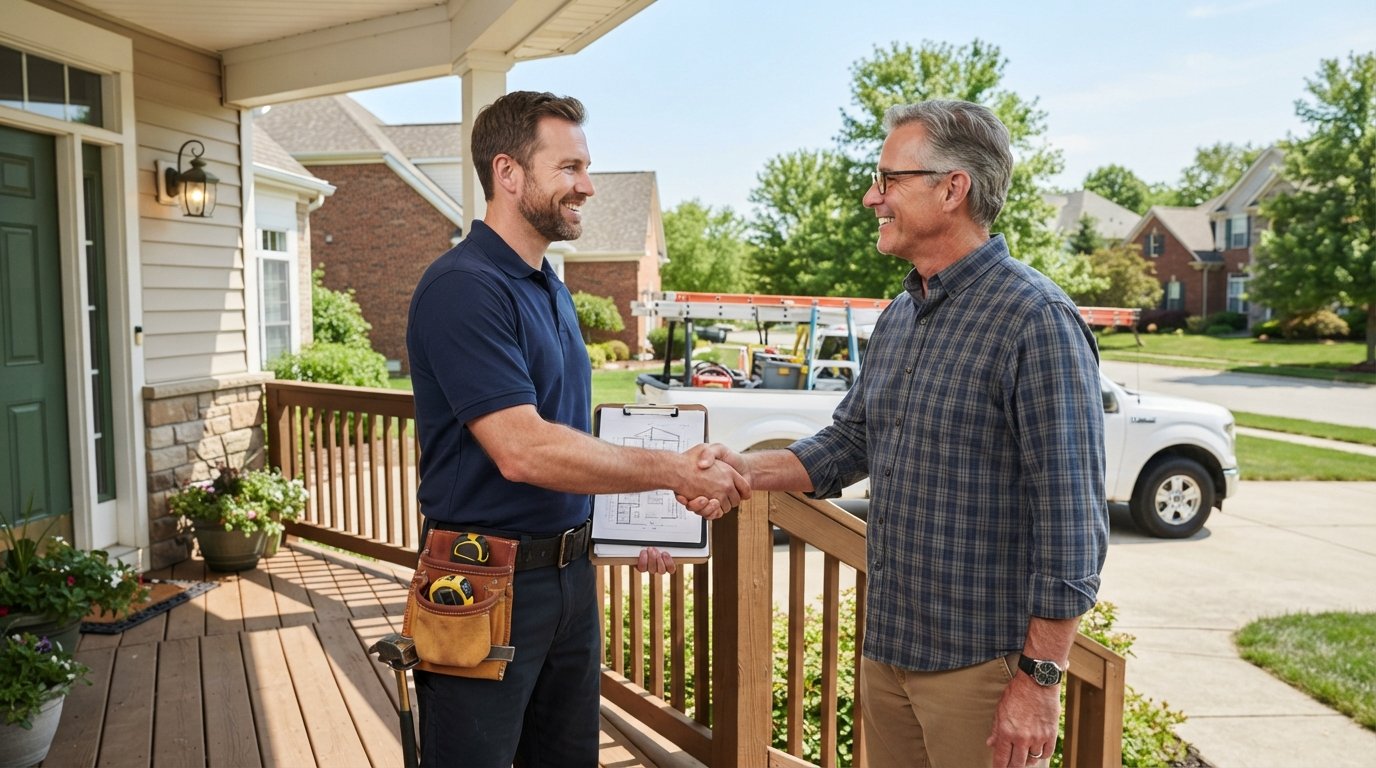
Home Improvement Services USA: Find Local Contractors Fast
Find home improvement services USA and local contractors with confidence. Call 8337004293 to compare quotes and start your project today.
By Chelsea Kris
Learn more about General Contracting for guides, costs, and what to expect.
Compare General Contracting Pros Near You

Enter your ZIP code to compare top-rated local professionals and request free quotes.
Finding a reliable contractor for your next home project should not feel like a gamble. Yet for many homeowners across the United States, the search for trustworthy home improvement services turns into weeks of phone calls, vague estimates, and uncertainty about licensing and insurance. The good news is that the process does not have to be complicated. With the right approach and the right platform, you can connect with vetted local contractors, compare multiple quotes, and move forward with confidence.
Whether you are planning a bathroom remodel, replacing a roof, installing solar panels, or handling an emergency plumbing repair, the contractor you choose will determine whether your project finishes on time, on budget, and to your satisfaction. This guide walks you through how to find local contractors in the USA, what to look for, how to compare bids, and how to avoid the most common pitfalls that cost homeowners thousands of dollars every year.
Why Finding the Right Local Contractor Matters More Than Ever
The home improvement market in the United States has expanded dramatically over the past decade. According to industry estimates, homeowners spend hundreds of billions of dollars annually on renovations, repairs, and upgrades. That demand has attracted both highly qualified professionals and a fair number of inexperienced or unscrupulous operators. The difference between the two can mean the difference between a smooth renovation and a financial nightmare.
A qualified contractor brings licensed expertise, proper insurance, access to quality materials, and a track record of completed projects. An unqualified one may cut corners, disappear mid-project, or leave you with code violations that cost more to fix than the original job. This is why the vetting process matters so much, and why platforms that pre-screen contractors add real value for homeowners.
Beyond the risk of poor workmanship, there is also the matter of cost. Without multiple quotes, you have no way of knowing whether the price you are offered is fair. Studies consistently show that homeowners who collect three or more bids save significantly compared to those who accept the first estimate they receive. The competitive pressure of multiple quotes also tends to improve the quality of service, because contractors know they are being compared.
Finally, local knowledge matters. A contractor who works regularly in your area understands regional building codes, permit requirements, climate-related challenges, and material availability. That local expertise can save you time and prevent costly mistakes during inspections or resale.
How to Find Local Contractors in the USA: A Step-by-Step Approach
If you are serious about getting your project done right, follow a structured process rather than relying on random searches or social media recommendations alone. The steps below outline a practical framework that works for projects of any size, from a small painting job to a full kitchen renovation.
- Define your project scope clearly. Write down what you want done, including materials, finishes, and any specific requirements. A clear scope helps contractors give accurate quotes and reduces the chance of misunderstandings later.
- Set a realistic budget range. Research average costs for your type of project in your region. Having a range in mind helps you evaluate quotes and avoid being swayed by unusually low or high bids.
- Use a trusted platform to gather quotes. Instead of calling individual contractors one by one, submit your project details through a service like USremodel that matches you with multiple local professionals. You will receive customized quotes quickly and can compare them side by side.
- Verify licensing and insurance. Ask each contractor for their license number and proof of insurance. You can usually verify licensing through your state or local licensing board. Never skip this step.
- Check references and reviews. Ask for references from recent projects similar to yours. Look for online reviews and check whether the contractor has a history of complaints.
- Compare quotes carefully. Do not just look at the bottom line. Review what is included, what is excluded, the timeline, payment schedule, and warranty terms.
- Sign a detailed contract. The contract should specify the scope of work, materials, timeline, payment schedule, and dispute resolution process. Get everything in writing.
Following these steps puts you in a much stronger position. You will have multiple options, verified credentials, and a clear understanding of what you are paying for. That combination dramatically reduces the risk of a bad experience.
What Home Improvement Services Are Available Through Local Contractors
The range of services offered by local contractors across the USA is broader than many homeowners realize. Whether you need a minor repair or a major renovation, there is likely a qualified professional in your area who specializes in exactly what you need. Understanding the categories can help you target your search more effectively.
Here are some of the most common home improvement services available through contractor networks:
- Roofing: Repair, replacement, inspection, and gutter installation.
- Windows: Installation, replacement, and energy-efficient upgrades.
- Bathroom remodeling: Full renovations, vanity upgrades, tile work, and fixture replacement.
- Kitchen remodeling: Cabinets, countertops, backsplashes, and layout changes.
- Flooring: Hardwood, laminate, tile, vinyl, and carpet installation.
- Painting: Interior and exterior painting, staining, and surface preparation.
- HVAC: Installation, repair, and maintenance of heating and cooling systems.
- Plumbing: Repairs, upgrades, and emergency services.
- Solar: Panel installation and energy efficiency consultations.
Beyond these core categories, many contractors also handle additions, decks, fencing, concrete work, electrical upgrades, insulation, and more. The key is to find a contractor whose specialty matches your specific project rather than someone who claims to do everything.
When you use a platform that connects you with multiple contractors, you can specify your project type and get matched with professionals who focus on that area. This specialization leads to better outcomes, because experienced specialists know the materials, techniques, and code requirements unique to their trade.
How to Evaluate Contractors and Avoid Common Scams
Even with a solid list of candidates, you still need to evaluate each one carefully. The home improvement industry has its share of bad actors, and knowing the warning signs can save you from a costly mistake. Most contractor scams follow predictable patterns, which means they are easier to spot once you know what to look for.
One of the most common red flags is a demand for large upfront payments in cash. Legitimate contractors typically request a deposit (often 10 to 30 percent) and then structure payments around project milestones. If someone asks for half or more of the total cost before any work begins, that is a serious warning sign. Similarly, contractors who refuse to provide a written contract, who pressure you to decide immediately, or who offer prices that seem too good to be true are usually not worth the risk.
Another red flag is a contractor who cannot provide a physical business address, a license number, or proof of insurance. These are basic requirements for legitimate operation. If they hesitate or make excuses, walk away. You should also be cautious of contractors who go door to door after storms or who claim to have leftover materials from a nearby job. These tactics are common in storm-chasing scams.
On the positive side, good contractors are transparent, responsive, and professional. They answer your questions clearly, provide detailed written estimates, and are happy to share references. They also carry proper insurance and are willing to show you documentation. When you find contractors like this, treat them well, because quality professionals are in high demand.
For a deeper dive into selecting the right professional for your project, our guide on how to find the best home renovation company covers additional criteria and questions to ask during the interview process.
The Benefits of Using a Contractor Matching Platform
Traditionally, homeowners found contractors through word of mouth, newspaper ads, or random internet searches. Each of these methods has limitations. Word of mouth depends on your social network having relevant experience. Ads and searches require you to do all the vetting yourself, which is time-consuming and error-prone.
Contractor matching platforms solve these problems by doing the initial legwork for you. When you submit your project details, the platform routes your request to local contractors who specialize in that type of work. You receive multiple quotes, often within a day, and can compare them without making dozens of phone calls. The best platforms also provide educational resources, FAQs, and guidance to help you make informed decisions.
Another advantage is accountability. Contractors who participate in these networks have an incentive to maintain good ratings and respond promptly, because their reputation on the platform affects future leads. This creates a healthier dynamic than the traditional model, where homeowners often have no recourse if a contractor underperforms.
For homeowners who are short on time or unfamiliar with the contracting world, a matching platform is often the fastest and safest path to a successful project. For example, 180 Remodel connects homeowners with professional contractors for a wide range of services, including roofing, windows, bathroom remodeling, HVAC, flooring, painting, plumbing, and solar installations. This kind of service simplifies the search and gives you more options to choose from.
Budgeting and Financing Your Home Improvement Project
One of the biggest sources of stress during a renovation is money. Projects frequently go over budget, and unexpected costs can derail even the best-laid plans. Understanding how to budget realistically and what financing options are available can help you stay in control.
Start by researching average costs for your project type in your region. Costs vary widely based on location, materials, labor rates, and the complexity of the work. For example, a bathroom remodel might cost anywhere from a few thousand dollars for a basic refresh to tens of thousands for a full gut renovation. Having a realistic range helps you evaluate quotes and avoid the trap of choosing the lowest bid, which often leads to change orders and hidden costs.
Always build in a contingency fund of at least 10 to 20 percent of your total budget. This covers unexpected issues like hidden water damage, outdated wiring, or structural problems discovered during demolition. Contractors who uncover these issues will need to address them, and having a buffer means you are not scrambling for extra cash mid-project.
If you need financing, several options are available. Home equity loans and lines of credit are common choices, offering competitive rates and potential tax benefits. Personal loans are another option, though rates may be higher. Some contractors also offer financing plans, and certain energy-efficient upgrades, such as solar installations, may qualify for tax credits or rebates that reduce the net cost.
Before committing to any financing, read the terms carefully and understand the total cost of borrowing. Avoid high-interest loans or anything with unclear repayment terms. A little research upfront can save you significant money over the life of the loan.
Timing Your Project and Managing the Process
Timing can affect both cost and availability. Spring and summer are peak seasons for many types of exterior work, such as roofing, painting, and deck building. Contractors are busier, and prices may be higher. Scheduling your project in the off-season, when demand is lower, can sometimes result in better pricing and faster turnaround.
Once your project begins, communication is key. Establish a clear point of contact with your contractor and agree on how often you will receive updates. Keep a record of all communications, change orders, and payments. If issues arise, address them promptly and in writing. Most problems can be resolved with clear communication before they escalate.
It is also wise to understand the permit process. Many projects require permits, and your contractor should handle this as part of the job. If a contractor suggests skipping permits to save time or money, that is a red flag. Unpermitted work can cause problems during inspections, insurance claims, or resale.
Finally, plan for disruptions. Renovations are messy and disruptive, especially for kitchens and bathrooms. Set expectations with your family, protect your belongings, and prepare temporary arrangements if needed. A little planning goes a long way toward reducing stress.
Key Takeaways for Homeowners
Finding reliable home improvement services in the USA does not have to be overwhelming. By following a structured process, using trusted platforms, and knowing what to look for, you can connect with local contractors who deliver quality work at fair prices.
Remember these core principles: define your project clearly, gather multiple quotes, verify licensing and insurance, check references, and always get everything in writing. Avoid contractors who demand large upfront cash payments, refuse to provide documentation, or pressure you into quick decisions. Build a realistic budget with a contingency fund, and consider financing options if needed.
Above all, do not rush the selection process. The contractor you choose will have a lasting impact on your home and your finances. Taking the time to find the right professional is an investment that pays off in quality, peace of mind, and long-term value.
Learn more about General Contracting for guides, costs, and what to expect.
Compare General Contracting Pros Near You
Enter your ZIP code to compare top-rated local professionals and request free quotes.