
Can You Remodel While Living at Home? A Practical Guide for Homeowners
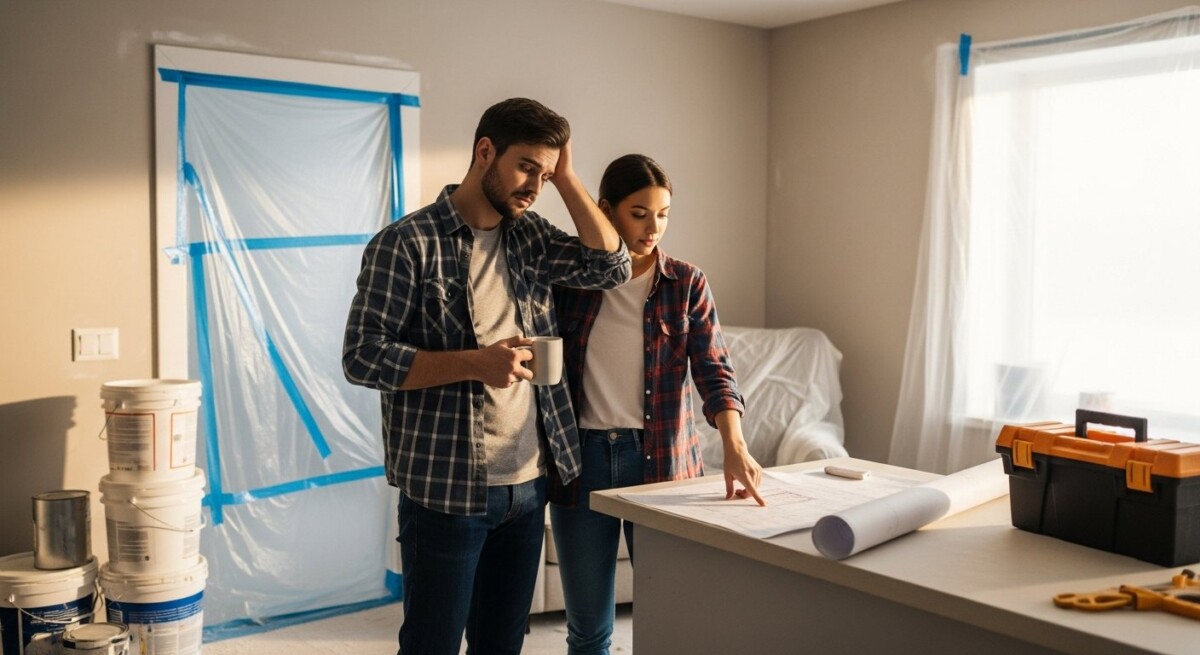
You walk through your front door after a long day, and the kitchen cabinets are covered in dust. The bathroom sink is in the hallway, and you haven’t had a hot shower in three days. Living through a remodel can feel like camping indoors,except you still have to go to work and host dinner next weekend. Many homeowners assume they need to move out during construction, but the reality is more flexible. The question isn’t just can you remodel while living at home; it’s how to do it without losing your sanity or breaking your budget.
Remodeling a home while living in it is possible, but it requires careful planning. Homeowners usually discover the challenge when unexpected delays, dust, and noise disrupt daily routines. Ignoring the need for a clear plan can lead to extended timelines, higher costs, and family stress. This article covers the real-world logistics, common pitfalls, and professional solutions that make living through a remodel manageable. By the end, you’ll know exactly how to approach your project,and when to call in the experts.
Understanding Can You Remodel While Living at Home
Living through a remodel means you stay in your home while construction happens around you. This approach saves money on temporary housing and keeps you close to the project. However, it also means dealing with noise, dust, and limited access to certain rooms for weeks or months.
This situation is common for kitchen and bathroom remodels, basement finishing, and whole-home renovations. Older homes often reveal surprises like outdated wiring or plumbing once walls open up. In our guide on remodeling on a budget, we explain how to plan around these unknowns. Homes with single bathrooms or open floor plans are most affected because losing one functional space disrupts the entire household.
What Makes Living Through a Remodel Challenging
The biggest hurdle is maintaining a functional living space while work progresses. Contractors need access to power, water, and clean areas for materials. Homeowners need to eat, sleep, and bathe. Balancing these needs requires a phased plan that keeps at least one bathroom and the kitchen partially operational.
Why This Matters for Your Home
Ignoring the realities of living through a remodel can lead to property damage and safety risks. Dust from demolition can clog HVAC systems and settle into electronics. Water shutoffs during plumbing work can cause leaks if not managed properly. These issues not only damage your home but also increase the total project cost.
Comfort problems like lack of heat, temporary electrical setups, or inaccessible bathrooms strain family relationships. The longer the project drags on, the more likely you are to make rushed decisions that compromise quality. Addressing the logistics early helps avoid these headaches and keeps your remodel on schedule.
If you notice signs of this issue in your home, it may help to speak with a qualified contractor. Request a free quote or call to explore your repair or remodeling options.
Common Problems Homeowners Experience
Homeowners living through a remodel often face unexpected challenges that turn excitement into frustration. Dust migrates to every corner of the house, regardless of plastic sheeting. Contractors need access to rooms you still use, creating a constant negotiation over space. Meals become a challenge when the kitchen is a construction zone for weeks.
These problems usually appear within the first few days of demolition. Lack of a clear schedule can leave you without a bathroom or running water for longer than expected. The emotional toll of living in a half-finished home often surprises families who thought they were prepared.
- Persistent dust and debris that spreads beyond the work area
- Loss of kitchen or bathroom functionality for extended periods
- Noise from saws, hammers, and equipment during work hours
- Temporary power outages or limited electrical access
- Difficulty maintaining normal routines like cooking or bathing
- Unexpected structural issues that delay the timeline
How Professionals Solve the Problem
Experienced contractors have protocols for minimizing disruption while maximizing progress. They create a detailed schedule that sequences work to keep essential rooms usable. For example, they might finish the bathroom first so you have a place to shower before moving to the kitchen.
Professionals also use dust containment systems, negative air machines, and temporary walls to isolate the work zone. They coordinate with you to set daily expectations,when workers arrive, when noisy tasks happen, and which areas to avoid. This structure reduces stress and prevents costly mistakes that DIY approaches often cause.
- Initial assessment of your home’s layout and your daily needs
- Phased work plan that prioritizes essential rooms like bathrooms
- Installation of temporary barriers and dust control measures
- Daily communication about progress and next-day tasks
- Final cleanup and inspection before restoring full home access
A professional inspection can reveal hidden issues before they become expensive repairs. Compare contractor quotes here or call to discuss your project.
Warning Signs You Should Not Ignore
Some signs indicate your remodel is becoming unmanageable or unsafe. If dust accumulates despite containment efforts, it may enter your HVAC system. If contractors frequently change the schedule without notice, the project lacks proper planning. These red flags can lead to cost overruns and unfinished work.
Early action prevents small problems from becoming major setbacks. Pay attention to how your family adjusts to the disruption. If stress levels rise or you feel unsafe in your own home, it’s time to reassess the plan. A professional can often reorganize the workflow to restore balance.
- Dust visible in rooms far from the work area
- Contractors missing deadlines or changing the scope without discussion
- Unpleasant odors from dust, chemicals, or possible mold exposure
- Water shutoffs that last longer than one day
- Family members complaining about noise or lack of privacy
- Visible damage to floors, walls, or furniture not covered by protection
What Affects the Cost of Repairs or Installation
Several factors influence the final price of a remodel you live through. The size of the project matters,a single bathroom remodel costs less than a whole-house renovation. Materials also play a role; custom cabinetry or premium flooring increases both material and labor costs.
Labor requirements depend on the complexity of the work. Moving walls or rerouting plumbing requires skilled tradespeople and takes more time than cosmetic updates. Accessibility matters too,homes with narrow hallways or limited parking may require extra effort to bring in materials. Older homes often need additional structural work that raises the budget.
Costs can vary depending on the condition of your home. The best way to know the price is to get a personalized estimate. Request free quotes from contractors or call today.
How to Choose the Right Contractor
Selecting a contractor who understands the challenges of living through a remodel is essential. Look for someone who communicates clearly and provides a written timeline. Ask how they handle dust control and daily cleanup, as these details directly affect your quality of life.
Interview multiple candidates before making a decision. A contractor who specializes in occupied remodels will have strategies for minimizing disruption. They should also be willing to adjust the schedule to accommodate your family’s needs, such as having a working bathroom on weekends.
- Verify the contractor’s license and insurance coverage
- Read online reviews and ask for references from recent clients
- Request a detailed written estimate that includes timeline and materials
- Compare at least three quotes to understand market pricing
- Confirm experience with occupied remodels, not just new construction
Long-Term Benefits of Professional Work
Hiring a professional for your occupied remodel pays off in safety, durability, and peace of mind. Proper dust containment protects your family’s health and prevents damage to your belongings. A well-planned schedule means you spend less time living in chaos and more time enjoying your updated home.
Professional work also increases your home’s value. Quality materials and expert installation last longer and require fewer repairs. Energy-efficient upgrades like new windows or insulation reduce utility bills. These benefits outweigh the upfront cost of hiring a contractor who understands how to remodel while you live at home.
Frequently Asked Questions
Can you remodel a kitchen while living in the house?
Yes, but you need a plan for cooking and storing food during construction. Set up a temporary kitchen in another room with a microwave, toaster oven, and mini-fridge. Your contractor should schedule the work in phases so the kitchen is without power or water for the shortest possible time.
How do you live in a house while remodeling a bathroom?
If you have only one bathroom, plan to complete the work as quickly as possible, usually within one to two weeks. Arrange for access to a neighbor’s shower or a gym membership during the demolition and plumbing phases. Communicate with your contractor about having the toilet functional overnight.
Is it cheaper to live through a remodel or move out?
Living through a remodel is almost always cheaper than paying for temporary housing plus storage. You avoid rent, moving costs, and utility setup fees. However, if the project involves hazardous materials like asbestos or extensive demolition, moving out may be safer and worth the expense.
How do you protect furniture during a home remodel?
Cover furniture with heavy-duty plastic sheeting or canvas drop cloths. Move valuable or fragile items to a room that won’t be disturbed. Use zippered plastic barriers on doorways to contain dust. Your contractor should provide floor protection as part of their service.
What should you not do when remodeling while living at home?
Do not attempt major electrical or plumbing work yourself unless you are licensed. Avoid scheduling multiple disruptive trades simultaneously. Do not skip permits,unpermitted work can cause issues when selling your home. Finally, do not ignore family stress; take breaks if needed.
How long does a typical occupied remodel take?
A single bathroom remodel usually takes 2,4 weeks. A kitchen remodel runs 4,8 weeks depending on custom cabinetry and countertop lead times. Whole-home renovations can take 3,6 months. Your contractor should provide a detailed timeline before work begins.
Can you remodel a bedroom while sleeping in it?
It’s possible but uncomfortable. If you must stay in the room, work in stages,finish the ceiling and walls first, then move to flooring and trim. Consider sleeping in another room during the loudest phases. Discuss the schedule with your contractor to minimize disruptions.
Do you need to be home during a remodel?
You do not need to be present all day, but you should be available for daily check-ins and decisions. Leave a key with the contractor and establish a communication method, like a shared online schedule. Being away during noisy demolition can actually reduce stress.
Living through a remodel requires patience, planning, and the right team. The key is to balance your family’s daily needs with construction progress. Start by getting multiple quotes from contractors who specialize in occupied remodels. Compare their approaches to dust control, scheduling, and communication. With the right plan, you can transform your home without moving out,and come out the other side with a space you love.