Before and After Remodel Ideas That Transform Your Home
You walk into your living room and something feels off. The paint is peeling in the corner, the kitchen cabinets are stuck, or the basement has a musty smell that never goes away. Most homeowners notice these small issues first. They tell themselves it is not urgent. But over time, those small problems grow into bigger headaches , cracked drywall, higher energy bills, or even safety hazards. That is where before and after remodel ideas become more than just inspiration. They show you what is possible when you invest in your home.
Understanding Before and After Remodel Ideas
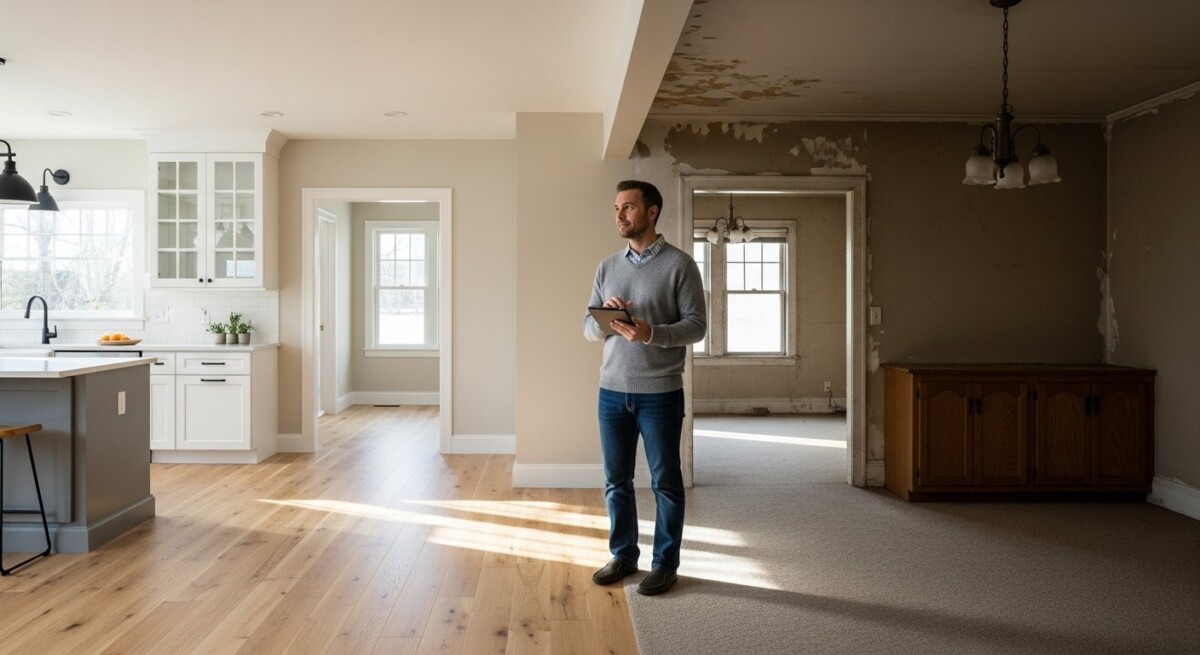
Before and after remodel ideas are visual or descriptive comparisons that show how a space changed through remodeling. These examples help homeowners see the potential in their own homes. They also reveal what professional contractors can achieve in a short amount of time.
Remodeling happens for many reasons. Sometimes a home simply ages. Other times, your family grows and needs more space. Or you may want to improve energy efficiency and lower your utility bills. Older homes , especially those built before 2000 , are most likely to benefit from a thoughtful update.
Why These Ideas Matter for Planning
When you look at before and after remodel ideas, you start to understand the scope of a project. You see what materials were used, how the layout changed, and which upgrades made the biggest difference. This knowledge helps you communicate clearly with contractors and make informed decisions about your own remodel.
Why This Matters for Your Home
Ignoring needed updates can lead to serious problems. Water damage, outdated wiring, and poor insulation all get worse with time. That small crack in your foundation today could become a major structural issue next year. The longer you wait, the more expensive the repair becomes.
Safety is another major concern. Faulty electrical systems, mold growth, and unstable flooring put your family at risk. Remodeling is not just about making your home look better. It is about protecting what matters most.
Your home is likely your biggest investment. Every upgrade you make , from a new bathroom to energy-efficient windows , adds value. Homes that are well-maintained and updated sell faster and for more money. Before and after remodel ideas show you exactly how those improvements pay off.
If you notice signs of this issue in your home, it may help to speak with a qualified contractor. Request a free quote or call to explore your repair or remodeling options.
Common Problems Homeowners Experience
Most homeowners start thinking about remodeling when they notice visible wear and tear. Maybe the bathroom tile is cracked, or the kitchen countertops are stained. These cosmetic issues are often the first sign that a deeper problem exists.
Performance problems are another clue. If your HVAC system struggles to keep the house comfortable, or your water pressure drops suddenly, your home may need updates. Aging materials like old pipes, single-pane windows, and worn-out roofing also signal that a remodel is overdue.
Here are some of the most common issues homeowners face before they remodel:
- Outdated or damaged flooring that is unsafe or unattractive
- Kitchen cabinets that do not close properly or look worn
- Bathrooms with mold, mildew, or poor ventilation
- Drafty windows and doors that increase energy costs
- Basements or attics that are underutilized or unfinished
- Cracking or sagging walls that suggest structural concerns
How Professionals Solve the Problem
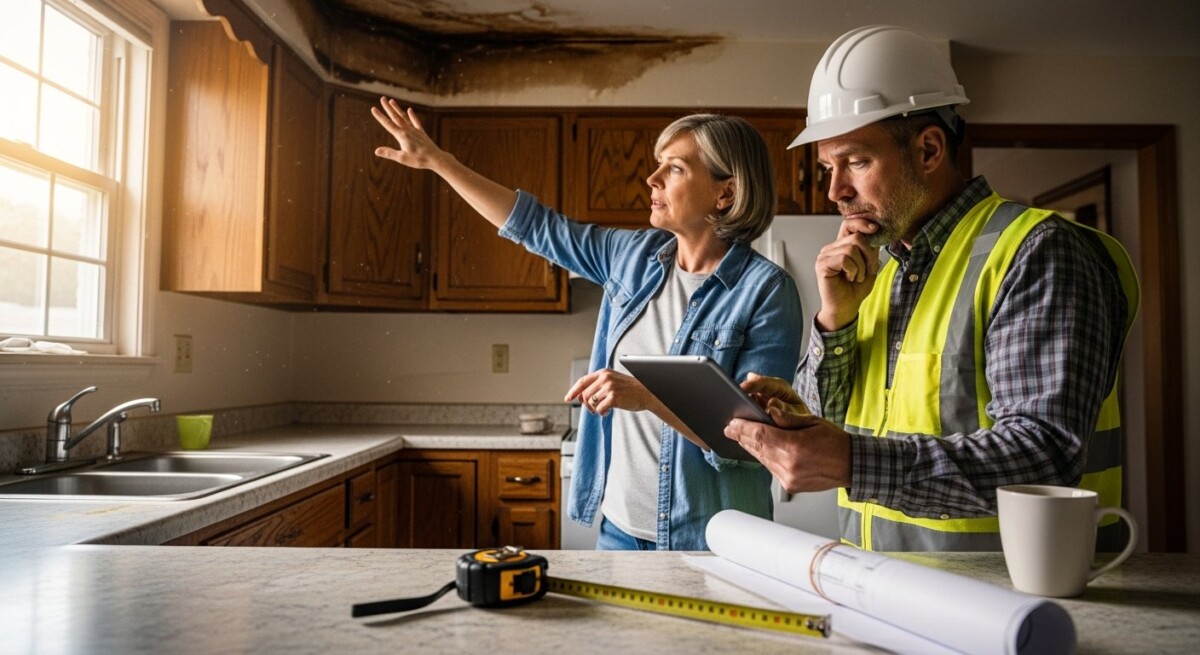
Experienced contractors approach remodeling with a clear process. They start by inspecting your home to identify hidden issues. Then they create a plan that addresses both the visible problems and the underlying causes. Professional work ensures that your remodel lasts for years without unexpected failures.
Many homeowners consider DIY remodeling to save money. But complex projects , like electrical work, plumbing, or structural changes , require permits and expertise. A mistake can cost more than hiring a pro in the first place. Professionals also have access to higher-quality materials and tools that are not available to the general public.
Here is what a typical professional remodeling process looks like:
- Inspection and consultation , The contractor evaluates your home and discusses your goals.
- Design and material selection , You choose finishes, layouts, and fixtures that fit your style and budget.
- Permitting and scheduling , The contractor handles all required permits and coordinates the timeline.
- Demolition and preparation , Old materials are removed safely, and the space is prepared for new work.
- Installation and construction , New systems, surfaces, and structures are installed according to code.
- Final inspection and cleanup , The contractor ensures everything works properly and leaves your home clean.
A professional inspection can reveal hidden issues before they become expensive repairs. Compare contractor quotes here or call to discuss your project.
Warning Signs You Should Not Ignore
Your home often gives you clues that it needs attention. The key is knowing what to look for before small issues turn into big bills. Pay attention to changes in how your home looks, feels, and functions.
Early action can prevent problems from spreading. For example, a small water stain on the ceiling might indicate a slow leak. If caught early, the repair is simple. If ignored, that leak can rot the wood, damage insulation, and lead to mold growth.
Here are warning signs that suggest it is time to consider remodeling:
- Peeling paint or wallpaper that reveals moisture underneath
- Floors that creak, sag, or feel uneven when you walk
- Doors or windows that stick and are hard to open
- Musty odors that do not go away with cleaning
- Higher-than-normal energy bills for no obvious reason
- Cracks in walls, ceilings, or the foundation
What Affects the Cost of Repairs or Installation
Several factors influence the price of a remodeling project. The size of the space is the most obvious factor. A full kitchen remodel costs more than updating a half-bathroom. Materials also play a huge role. Custom cabinetry, natural stone countertops, and high-end fixtures increase the total cost.
Labor requirements vary by location and project complexity. If your home has unique challenges , like an older foundation or hard-to-reach areas , the work takes longer and costs more. The age of your home matters too. Older homes often need additional structural work or updates to meet current building codes.
The best way to understand your costs is to get personalized estimates from multiple contractors. Each home is different, and a quote based on your specific situation gives you an accurate picture.
Costs can vary depending on the condition of your home. The best way to know the price is to get a personalized estimate. Request free quotes from contractors or call today.
How to Choose the Right Contractor
Finding the right contractor makes all the difference in your remodeling experience. A good contractor communicates clearly, shows up on time, and delivers quality work. Start by asking for recommendations from friends or neighbors who have completed similar projects.
Always verify that your contractor is licensed and insured. This protects you if something goes wrong during the project. Read online reviews and ask for references from recent jobs. A reliable contractor will be happy to share both.
Here are tips for selecting a contractor you can trust:
- Check their license and insurance before signing any agreement
- Read customer reviews on independent platforms like Google or Yelp
- Ask for detailed written estimates that list materials and labor separately
- Compare at least three quotes to understand fair pricing
- Confirm they have experience with projects similar to yours
Long-Term Benefits of Professional Work
Professional remodeling does more than change the way your home looks. It improves how your home performs. New insulation keeps your home warmer in winter and cooler in summer. Updated windows reduce outside noise and lower energy costs. Modern plumbing and electrical systems are safer and more reliable.
Durability is another major benefit. Professional contractors use materials and techniques that stand up to daily use. Your remodeled kitchen, bathroom, or basement will look great and function well for years to come. That means fewer repairs and less maintenance over time.
Finally, professional work increases your home’s resale value. Buyers are willing to pay more for a home that has been updated by qualified contractors. In our guide on best home office remodel ideas for productivity, we explain how targeted upgrades can make your home more marketable. A well-executed remodel is not just an expense , it is an investment in your future.
Frequently Asked Questions
What is the most cost-effective remodel to increase home value?
The most cost-effective remodels are usually kitchen and bathroom updates. Minor kitchen remodels and bathroom renovations typically recoup a high percentage of their cost at resale. Focus on replacing countertops, cabinets, and fixtures for the best return.
How long does a typical home remodel take?
Timelines vary based on the scope of the project. A bathroom remodel usually takes 2 to 4 weeks. A full kitchen remodel can take 6 to 10 weeks. Larger projects like basement finishing or home additions may take 2 to 4 months.
Do I need a permit for a home remodel?
Most structural, electrical, plumbing, and major renovation projects require permits. Your contractor should handle the permitting process. Skipping permits can lead to fines and problems when you sell your home.
Can I live in my house during a remodel?
It depends on the project. Small remodels like a bathroom or single room are usually manageable. Large remodels that affect the kitchen or multiple rooms may require you to stay elsewhere temporarily. Talk to your contractor about what to expect.
How do I finance a home remodel?
Options include home equity loans, personal loans, credit cards, and contractor financing programs. Some homeowners also use savings or refinancing. Compare interest rates and terms before choosing a method. Learn more about your options in our article on smart living room remodel ideas for small spaces.
What should I look for in a remodeling contract?
A good contract includes a detailed scope of work, material list, payment schedule, start and end dates, and warranty information. Make sure everything is in writing before work begins. Never sign a contract with blank spaces.
How much does a kitchen remodel cost?
Costs vary widely. A minor kitchen remodel averages $10,000 to $25,000. A major kitchen remodel can range from $30,000 to $70,000 or more. The final price depends on materials, labor, and the size of your kitchen.
What is the first step in a home remodel?
The first step is to define your goals and budget. Then contact multiple contractors for inspections and quotes. Comparing estimates helps you understand what is realistic for your home and your finances.
Your home deserves attention before small problems become expensive repairs. Whether you are planning a minor update or a full transformation, before and after remodel ideas can guide your vision. The next step is simple: compare contractor quotes to find the right professional for your project. Every great remodel starts with a single conversation.