What Is Smart Home Remodeling? Benefits and Planning
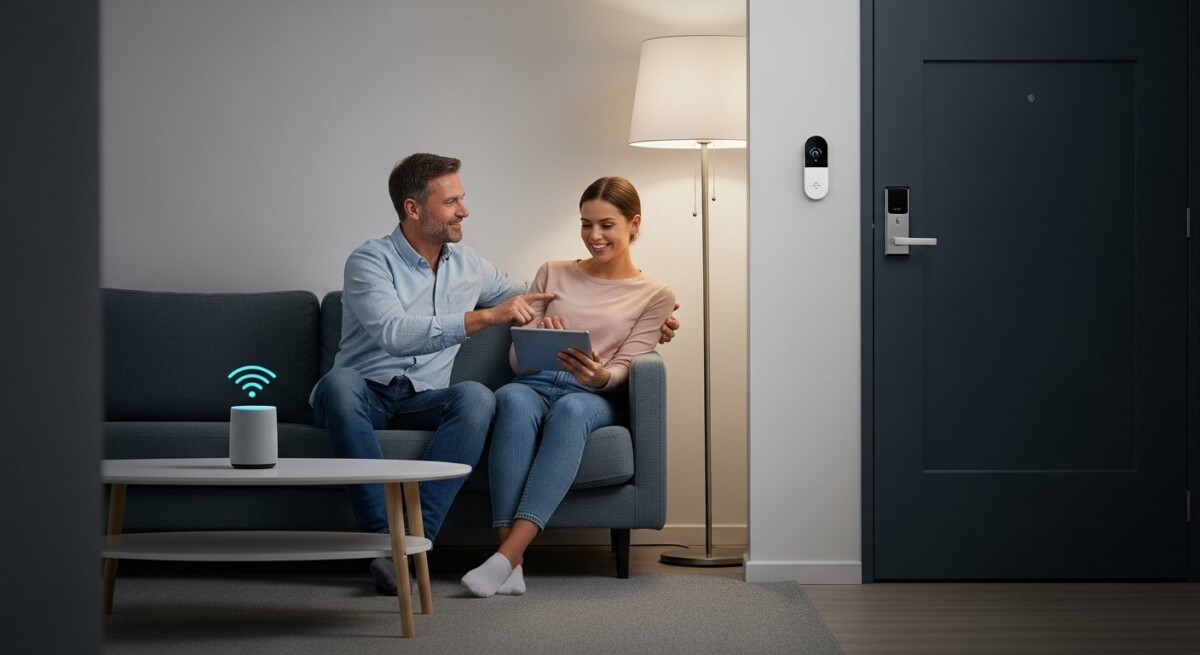
Imagine walking into a home that adjusts its lighting based on your mood, preheats the oven before you arrive, and alerts you to a water leak before it becomes a disaster. This is not a scene from a futuristic movie. It is the reality of smart home remodeling, a trend that is transforming how homeowners approach renovations. Smart home remodeling means integrating connected technology and automation into your home improvement projects, from lighting and security to HVAC and appliances. It is about building a home that works for you, saving energy, enhancing comfort, and increasing property value. For homeowners planning a renovation, understanding what is smart home remodeling can be the difference between a standard upgrade and a truly future-proof home. This guide explains the core concepts, benefits, planning steps, and how to get started with the help of qualified professionals through platforms like USremodel.
What Is Smart Home Remodeling? A Clear Definition
At its simplest, smart home remodeling means intentionally designing and renovating a home to include automated and remotely controllable systems. Unlike adding a single smart speaker to an existing house, a smart remodel integrates technology into the structure itself. This could mean running conduit for wiring during a bathroom renovation, installing smart thermostats with zoned dampers, or choosing smart switches and outlets throughout the kitchen. The goal is seamless convenience: lights that turn off when no one is in the room, a thermostat that learns your schedule, and a security system that you can monitor from your phone. It is not about gadgets for the sake of gadgets. It is about making your home more efficient, comfortable, and secure through thoughtful integration.
Smart home remodeling covers a wide range of systems. Some of the most popular categories include:
- Lighting control: smart bulbs, dimmers, and motion sensors that adjust brightness and color.
- Climate control: smart thermostats, zoned HVAC, and motorized blinds for energy savings.
- Security and access: smart locks, video doorbells, and indoor/outdoor cameras.
- Appliances: smart refrigerators, ovens, washers, and dryers with remote monitoring.
- Entertainment and audio: whole-home audio systems and integrated smart displays.
Each category can be scaled to fit your budget and lifestyle. The key is to plan ahead. Retrofitting smart technology after drywall is installed is often more expensive and disruptive. That is why a remodeling project, whether it is a kitchen update or a full gut renovation, is the perfect time to add smart features.
Key Benefits of a Smart Home Remodel
Investing in smart home remodeling offers tangible advantages that go beyond convenience. Homeowners who integrate automation often see lower utility bills, improved safety, and higher resale value. Let us examine the most compelling benefits.
Energy efficiency is a top reason to go smart. A smart thermostat can reduce heating and cooling costs by up to 23 percent according to some studies. Smart lighting with occupancy sensors ensures electricity is not wasted in empty rooms. Smart irrigation systems adjust watering based on weather forecasts, saving water and money. Over time, these savings can offset the upfront cost of the technology.
Security and peace of mind is another major draw. Smart locks let you grant access to guests or service professionals without needing to be home. Video doorbells deter package theft and provide evidence if needed. Water leak sensors placed near washing machines and water heaters can alert you to a leak early, preventing costly water damage. In our guide on home remodeling in Dallas, Texas, we discuss how regional climate factors influence security choices, but the core benefits apply nationwide.
Increased home value is also significant. A National Association of Realtors report found that homes with smart technology features sell faster and at higher prices. Buyers, especially millennials, expect at least some level of home automation. A smart home remodel can give your property a competitive edge in the market. Additionally, many smart devices qualify for energy efficiency tax credits or rebates, further reducing the net cost. For a detailed breakdown of how square footage and upgrades affect value, see our resource on cost per square foot remodeling.
Planning Your Smart Home Remodel: A Step-by-Step Approach
Success with smart home remodeling starts with a solid plan. Jumping in without a strategy can lead to incompatible devices, redundant systems, and wasted money. Here is a framework to guide you.
First, define your priorities. Do you care most about energy savings, security, or entertainment? Rank your needs. For example, if you live in an area with extreme weather, climate control might be the top priority. If you travel often, security and remote access could dominate your list. Write these down before you visit any store or call a contractor.
Second, choose a platform ecosystem. Most smart home devices work with one of three main platforms: Amazon Alexa, Google Home, or Apple HomeKit (and increasingly Matter, the new universal standard). Picking one ecosystem ensures that your devices communicate with each other. This prevents the frustration of an app for every light and lock. If you are unsure, Matter is the safest bet as it unifies the major ecosystems.
Third, work with a contractor experienced in low-voltage wiring and automation. Many standard electricians can install smart switches, but a dedicated integrator can run cat6 cables for a home network, install smart blinds, and wire speakers for whole-home audio. When you are ready to find professionals, use a platform like USremodel to connect with qualified contractors in your area. For example, if you are searching for local experts, checking home remodeling near me can help you find vetted specialists who understand smart technology.
Fourth, future-proof your wiring. Even if you are not installing a full smart system today, run conduit or extra cables behind walls during the remodel. This makes adding new technology later much easier and cheaper. Plan for network infrastructure: a reliable Wi-Fi mesh system or wired access points is the backbone of any smart home. Without solid connectivity, smart devices become unreliable.
Fifth, set a realistic budget. Smart home technology can range from a few hundred dollars for basic lighting to tens of thousands for a fully integrated system. Decide what percentage of your total remodel budget goes to smart features. A common split is 10 to 15 percent of the overall project cost. If your budget is tight, focus on essentials like a smart thermostat and leak sensors, which offer the best return on investment.
Common Mistakes to Avoid
Even with a good plan, homeowners make mistakes. One common error is buying devices without checking compatibility. Another is neglecting the user experience: overly complicated systems that require multiple apps or convoluted routines often go unused. Also, avoid over-automating rooms that do not need it, like a guest bathroom where a simple motion sensor switch suffices. Keep the system intuitive for everyone in the household, including guests and future homeowners.
Cost Considerations for Smart Home Upgrades
Smart home remodeling is an investment, but the costs vary widely. A basic smart thermostat costs around 100 to 250 dollars, while a professional installation adds 150 to 300. Smart lighting for a whole house can run 500 to 2,000 dollars depending on the number of fixtures and type (switches vs. bulbs). A full security system with cameras, sensors, and a hub might be 1,000 to 3,000 dollars. For high-end automation that includes motorized shades, multi-room audio, and integrated control systems, expect 5,000 to 20,000 dollars or more.
Labor costs also matter. Retrofitting smart wiring in an existing home is more labor-intensive than installing during new construction or a gut renovation. To estimate your project accurately, refer to our guide on cost per square foot remodeling, which breaks down typical expenses per square foot for various upgrades including electrical and low-voltage work. Remember that some smart devices offer ongoing savings that offset initial costs. For example, smart thermostats and water sensors can reduce utility bills and prevent expensive water damage claims.
How to Find the Right Contractor for Your Smart Home Project
Not every contractor understands smart home technology. You need someone who is comfortable with low-voltage wiring, network setup, and integration across different systems. Start by asking potential contractors about their experience with smart devices. Ask for references from recent smart home projects. Look for certifications like CEDIA (Custom Electronic Design and Installation Association) or manufacturer-specific training.
Because smart home remodeling is still a relatively specialized field, it can be challenging to find qualified pros. That is where USremodel helps. As a lead generation platform, USremodel connects you with independent contractors in your area who offer remodeling services, including those with smart home expertise. You can submit a description of your project and receive free, customized quotes from multiple vetted contractors. This saves time and ensures you compare options. For example, if you live in Texas, you can specifically look for contractors who handle automation by using the home remodeling Dallas Texas page to find local professionals.
Also consider the contractor’s ability to work with your chosen ecosystem. If you want Apple HomeKit, make sure the electrician or integrator has experience with that platform. Ask about warranties on both the devices and the labor. A good contractor will provide a clear timeline and explain how the smart features will be maintained or upgraded in the future.
Smart home remodeling is more than a trend. It is a shift toward living spaces that adapt to your needs, save resources, and offer peace of mind. By defining your priorities, planning for future technology, and working with the right professionals, you can transform your home into a truly intelligent environment. Whether you are remodeling a single room or renovating an entire house, now is the time to consider what smart features can do for you. Start your journey today by using USremodel to compare quotes from trusted contractors near you. A smarter home is just a few steps away.