
Home Remodeling Near Me: Smart Solutions for Homeowners
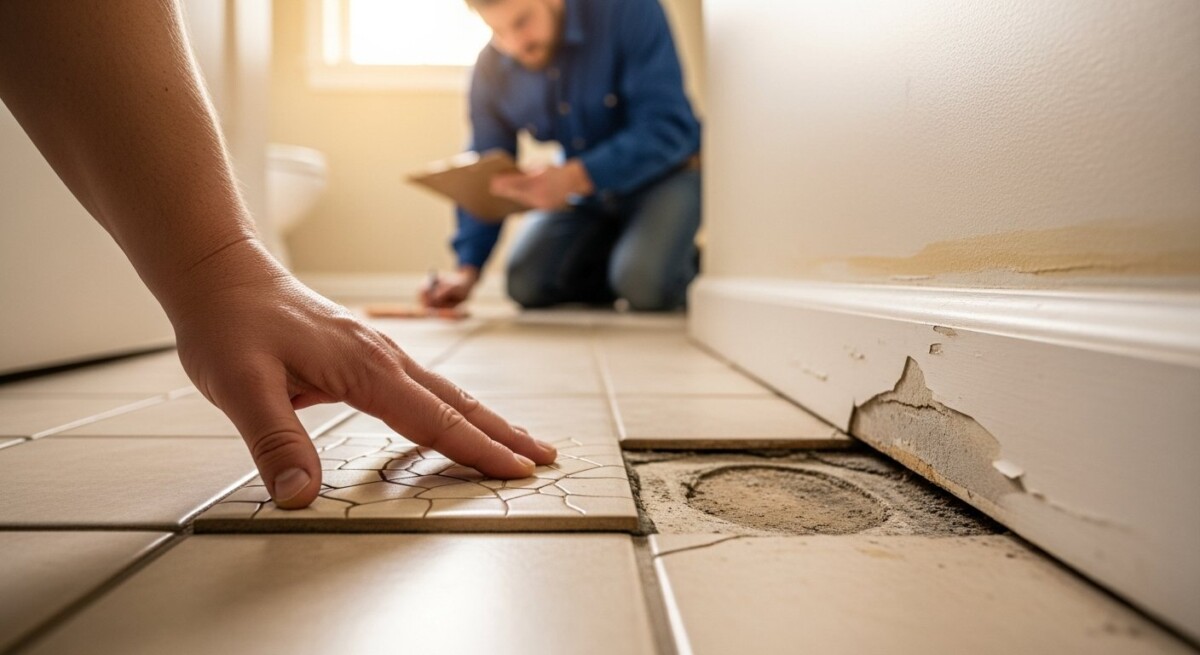
You walk into your kitchen one morning and notice a small crack in the tile, a cabinet door that won’t close properly, or a faint musty smell near the window. Maybe your bathroom tile feels loose underfoot, or the paint on your front door is peeling for the third year in a row. These small annoyances can easily be brushed aside,you’re busy, and it’s not an emergency. But over time, that small crack becomes a leak, the loose tile becomes a tripping hazard, and the peeling paint invites moisture damage. That’s when you start searching for “home remodeling near me.” This article will help you understand what to look for, why acting early matters, and how professional contractors can protect your home and your budget.
Understanding Home Remodeling Near Me
When homeowners search for “home remodeling near me,” they are usually looking for local professionals who can update, repair, or transform parts of their home. Remodeling can mean anything from a single-room refresh to a whole-house renovation. The goal is typically to improve function, appearance, safety, or energy efficiency.
Homes of all ages can benefit from remodeling. Older homes often have outdated wiring, inefficient windows, or worn-out flooring that needs replacement. Newer homes may need changes to better fit a family’s lifestyle,like converting a spare bedroom into a home office or adding a bathroom. No matter your home’s age, wear and tear, changing needs, and evolving tastes all drive the need for remodeling.
One reason remodel projects get delayed is uncertainty. Homeowners worry about cost, disruption, and finding a trustworthy contractor. That’s why searching locally is smart,you want someone who understands your area’s building codes, climate challenges, and typical home styles. In our guide on finding your next house remodel near me, we explain how to narrow down your options.
Why This Matters for Your Home
Ignoring remodeling needs can lead to more than just an outdated look. Small problems that go unaddressed often grow into expensive repairs. A minor roof leak can damage insulation, drywall, and even your home’s structure if left unchecked. An outdated electrical panel can become a fire hazard. Outdated plumbing can lead to water damage and mold.
Beyond safety, your home’s comfort and value are at stake. Drafty windows make heating and cooling bills climb higher every season. An inefficient water heater wastes energy and money. A kitchen or bathroom that feels cramped or dated makes your home less enjoyable to live in,and less appealing to future buyers.
By addressing remodeling needs early, you protect your investment and avoid emergency repairs that often cost more than planned improvements. Taking action now can save you thousands of dollars and a lot of stress down the road.
If you notice signs of this issue in your home, it may help to speak with a qualified contractor. Request a free quote or call to explore your repair or remodeling options.
Common Problems Homeowners Experience
Every home has its trouble spots. Over time, even well-built homes develop issues that signal it’s time to remodel. These problems often start small but can escalate quickly if ignored.
Homeowners frequently call contractors for problems they initially thought were minor. What begins as a sticky window can reveal rotting frames. A slow drain can mask old, corroded pipes. The key is recognizing when a problem is bigger than a simple fix.
- Visible damage: Cracks in walls, ceilings, or tile; peeling paint or wallpaper; water stains on ceilings or near windows.
- Performance problems: Doors that stick, windows that are hard to open, cabinets that sag, or floors that creak or feel uneven.
- Structural concerns: Bowing walls, sloping floors, gaps around doors or windows, or signs of past water intrusion.
- Aging materials: Outdated wiring, old plumbing fixtures, worn-out carpet or tile, and single-pane windows that let in drafts.
- Energy inefficiency: High utility bills, uneven room temperatures, and drafts near windows, doors, or attic access.
- Outdated layout: Rooms that don’t suit your lifestyle, like a cramped kitchen, a bathroom with no shower, or a layout that wastes space.
How Professionals Solve the Problem
Experienced contractors bring more than just tools,they bring knowledge. They can diagnose the root cause of a problem, not just patch the visible symptom. For example, if your bathroom tile is loose, a pro will check for water damage behind the wall before retiling. If your kitchen feels cramped, they can suggest layout changes that open up the space.
Professional remodeling follows a proven process that reduces risk and delivers reliable results. Here’s a typical approach you can expect:
- Inspection and assessment: The contractor visits your home, inspects the area, and identifies any hidden issues or structural concerns.
- Discussion and planning: You talk about your goals, budget, timeline, and design preferences. The contractor offers practical recommendations.
- Detailed estimate: You receive a written quote that breaks down materials, labor, permits, and other costs. No surprises.
- Scheduling and preparation: The work area is protected, materials are ordered, and the project timeline is set.
- Professional execution: Licensed, insured crews complete the work following building codes and manufacturer guidelines.
- Cleanup and final inspection: The job site is cleaned, and you walk through the finished work to ensure everything meets your expectations.
Attempting complex remodeling as a DIY project can lead to mistakes, injuries, and code violations. Professionals have the right equipment, training, and insurance to handle unexpected issues safely. Plus, they often complete the work faster than a homeowner can.
A professional inspection can reveal hidden issues before they become expensive repairs. Compare contractor quotes here or call to discuss your project.
Warning Signs You Should Not Ignore
Some home problems shout for attention,like a burst pipe or a roof leak during a storm. But many issues whisper. They show up as subtle clues that your home needs professional attention. Learning to spot these early signs can save you money and prevent major damage.
Walk through your home with a critical eye every few months. Look in places you usually ignore: behind furniture, in the attic, around windows, under sinks, and along baseboards. If something looks off, don’t assume it’s harmless.
- Water stains or discoloration on ceilings, walls, or near plumbing fixtures,even if they seem dry.
- Musty odors or visible mold in basements, bathrooms, or closets, which indicate moisture problems.
- Drafts or temperature swings in certain rooms, suggesting poor insulation or failing windows.
- Loose or cracked tiles, especially in wet areas like bathrooms and kitchens.
- Strange sounds from plumbing, like banging, whistling, or slow drains.
- Paint that bubbles, peels, or chips in spots that are not from normal wear,this often signals moisture behind the wall.
If you spot any of these signs, don’t wait. A small repair today can prevent a full-blown renovation tomorrow. Early action protects your home, your wallet, and your peace of mind.
What Affects the Cost of Repairs or Installation
Remodeling costs vary widely, and it’s natural to wonder what you’ll pay before you even call a contractor. While every project is unique, several key factors influence the final price. Understanding these can help you budget realistically and compare quotes fairly.
The size of the project is the most obvious factor. A full kitchen remodel costs more than a bathroom refresh. But within any room, the scope matters: are you replacing cabinets and countertops, or also moving plumbing and electrical lines? The more systems you touch, the higher the cost.
- Materials and finishes: Luxury tile, custom cabinetry, and high-end appliances cost more than standard options. Your choices directly affect the bottom line.
- Labor and expertise: Skilled tradespeople charge for their experience. Complex work,like structural changes or custom carpentry,requires more labor hours.
- Accessibility: A bathroom on the second floor with tight corners is harder to work in than a ground-floor powder room. Difficult access adds time and cost.
- Hidden issues: Older homes often reveal surprises once walls are opened,old wiring, termite damage, or outdated plumbing. These can increase costs but are critical to fix.
- Permits and inspections: Many municipalities require permits for structural, electrical, or plumbing work. Permit fees and inspection costs are part of a professional remodel.
Costs can vary depending on the condition of your home. The best way to know the price is to get a personalized estimate. Request free quotes from contractors or call today.
How to Choose the Right Contractor
Finding a reliable contractor is the most important step in any remodeling project. A good contractor makes the process smooth; a bad one can turn your home into a nightmare. Fortunately, there are proven ways to vet contractors and choose someone you can trust.
Start by searching for “home remodeling near me” and looking at companies with strong local reviews. Ask friends, neighbors, or your local hardware store for recommendations. Once you have a few names, do your homework before signing anything.
- Check licenses and insurance: Verify that the contractor is licensed in your state and carries general liability and workers’ compensation insurance. This protects you if something goes wrong.
- Read customer reviews: Look at Google, Yelp, or the Better Business Bureau. Pay attention to how the contractor handles complaints and whether projects finish on time.
- Ask for detailed estimates: A good estimate breaks down materials, labor, permits, and timeline. Avoid vague quotes that say “labor included” without specifics.
- Compare multiple quotes: Get at least three estimates. This helps you understand the market rate and spot unusually high or low bids.
- Confirm experience: Ask if the contractor has done similar projects before. A kitchen specialist may not be the best choice for a roof replacement.
Taking these steps reduces your risk and increases the chance of a successful remodel. Remember, the cheapest quote is not always the best value. Trust, communication, and quality matter just as much as price.
Long-Term Benefits of Professional Work
Investing in professional remodeling pays off in many ways that go beyond a fresh look. When you hire skilled contractors, you’re not just fixing a problem,you’re upgrading your home for years to come.
Professional work is built to last. Contractors use quality materials, follow manufacturer instructions, and adhere to building codes. This means your new kitchen, bathroom, or addition will hold up better over time, requiring fewer repairs and less maintenance. You’ll also enjoy better energy efficiency, which lowers your monthly utility bills.
Perhaps the biggest benefit is the increase in your home’s value. A well-executed remodel can recoup a significant portion of its cost when you sell. But even if you plan to stay, the daily enjoyment of a functional, beautiful home is priceless. You’ll feel safer, more comfortable, and prouder of your space.
For a deeper look at how to evaluate contractors, read our article on how to find trusted home remodeling companies. And if you’re considering a whole-house transformation, our guide on full home remodeling services can help you plan every step.
How long does a typical home remodeling project take?
Timelines vary widely based on the scope of work. A bathroom remodel might take 2,4 weeks, while a full kitchen renovation can take 6,10 weeks. Whole-house remodels often take several months. Your contractor will give you a detailed schedule before work begins.
Do I need a permit for home remodeling?
Most structural, electrical, plumbing, and major mechanical work requires a permit. Your contractor should handle the permitting process as part of the project. Skipping permits can lead to fines and problems when selling your home.
How much does home remodeling near me cost?
Costs depend on the room, materials, labor, and your home’s condition. A minor bathroom update might start around $5,000, while a full kitchen remodel averages $20,000,$50,000. The only way to know for sure is to get personalized quotes from local contractors.
Is it better to remodel or move?
That depends on your home’s condition, your budget, and how much you like your neighborhood. Remodeling is often less expensive and less stressful than moving, especially if you love your location. A contractor can help you understand what’s possible within your budget.
How do I prepare my home for remodeling?
Clear the work area of furniture, valuables, and fragile items. Plan for some disruption,noise, dust, and limited access to certain rooms. Your contractor will give you specific instructions and may set up temporary barriers to protect the rest of your home.
What should I look for in a remodeling contract?
A solid contract includes a detailed scope of work, material specifications, payment schedule, start and completion dates, warranty information, and a process for handling changes. Never sign a contract with blank spaces or vague terms.
Can I live in my home during remodeling?
Yes, for most single-room projects. For major renovations involving multiple rooms, structural work, or loss of kitchen or bathroom access, you may want to stay elsewhere temporarily. Discuss this with your contractor ahead of time.
How do I know if a contractor is reliable?
Check online reviews, ask for references, verify their license and insurance, and get multiple quotes. A reliable contractor communicates clearly, shows up on time, and provides a written contract. Trust your instincts,if something feels off, keep looking.
Your home is one of your biggest investments, and keeping it in good shape pays off in safety, comfort, and value. Whether you’re fixing a small issue or planning a major renovation, acting early and working with professionals makes all the difference. Start by comparing contractor quotes to understand your options and choose a team you can trust. A better home is closer than you think.