Cost Per Square Foot Remodeling: A Smart Homeowner’s Guide
You walk through your home and notice the kitchen cabinets are sticking, the bathroom tile is cracked, or the basement feels damp and outdated. You start thinking about remodeling, but the big question hits you: How much will this actually cost? That is where understanding cost per square foot remodeling becomes essential. Many homeowners discover this number when they start comparing options, but without clear context, it can feel confusing or even misleading. If you ignore the numbers and just pick the lowest bid, you risk poor workmanship, hidden fees, or needing a second renovation sooner than expected. This article breaks down everything you need to know so you can budget wisely and avoid costly mistakes.
Understanding Cost Per Square Foot Remodeling
Cost per square foot remodeling is a simple way to estimate how much a project might cost based on the size of the area you want to renovate. For example, if a bathroom remodel averages $200 per square foot and your bathroom is 50 square feet, you can expect a rough estimate of $10,000. This number helps you compare different contractors and set a realistic budget before you fall in love with expensive materials.
Why does the cost vary so much? The biggest factors include the quality of materials you choose, the complexity of the work, and the condition of your existing home. Older homes often have hidden issues like outdated wiring or water damage that drive up the cost per square foot. Homes in high-cost living areas also see higher rates because of local labor and permit fees.
Which Homes Are Most Affected?
Homes built before 1980 frequently have higher remodeling costs because of outdated systems and materials. Kitchens and bathrooms are the most expensive rooms per square foot due to plumbing, electrical, and moisture-proofing requirements. Basement and attic conversions also tend to be higher because they often require structural changes, insulation, and egress windows.
Why This Matters for Your Home
Ignoring the cost per square foot can lead to serious problems. If you underestimate the budget, you may run out of money mid-project and be left with a half-finished room that is unsafe or unusable. On the flip side, overestimating might cause you to delay necessary repairs that worsen over time,like a small leak turning into mold or structural rot.
Safety is another major concern. A low-cost remodel that skimps on electrical or structural work can create fire hazards or collapse risks. Comfort also suffers when poor insulation or improper ventilation leads to drafts, humidity, or noise issues. Over time, delaying a remodel because of budget confusion often results in higher overall costs when emergency repairs become necessary.
If you notice signs of this issue in your home, it may help to speak with a qualified contractor. Request a free quote or call (555) 123-4567 to explore your repair or remodeling options.
Common Problems Homeowners Experience
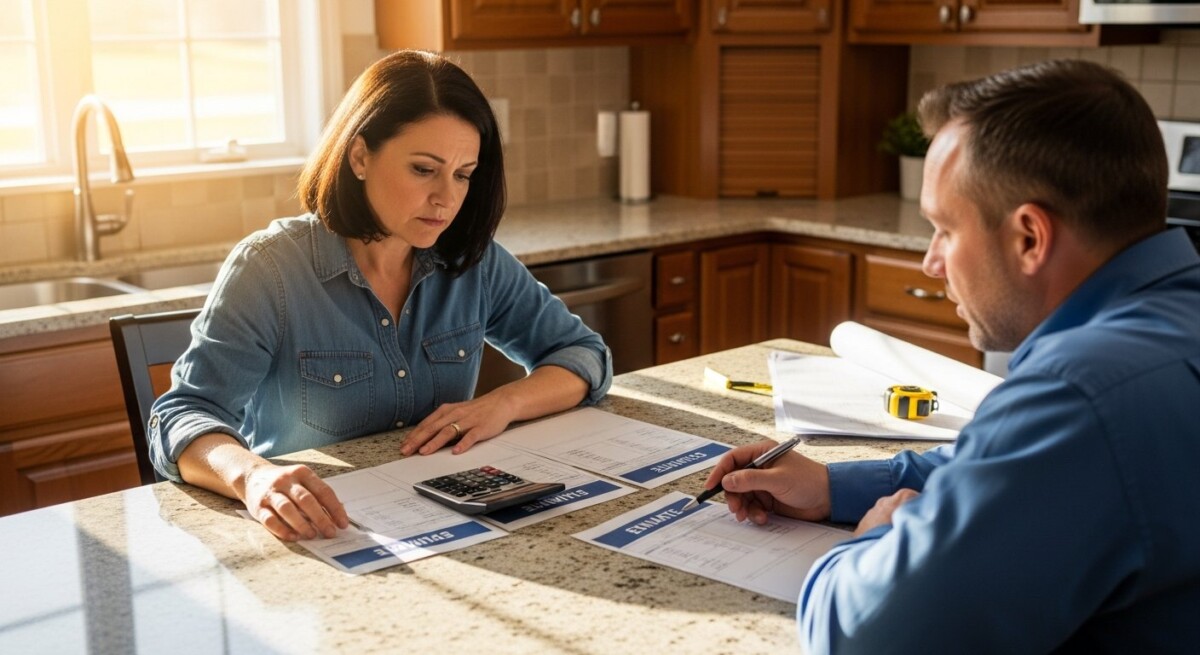
Many homeowners first encounter cost per square foot remodeling when they get wildly different quotes from different contractors. One bid might be $150 per square foot while another is $300, leaving you unsure which is fair. This confusion often leads to picking the cheapest option, only to discover later that it didn’t include essential work like permits or structural repairs.
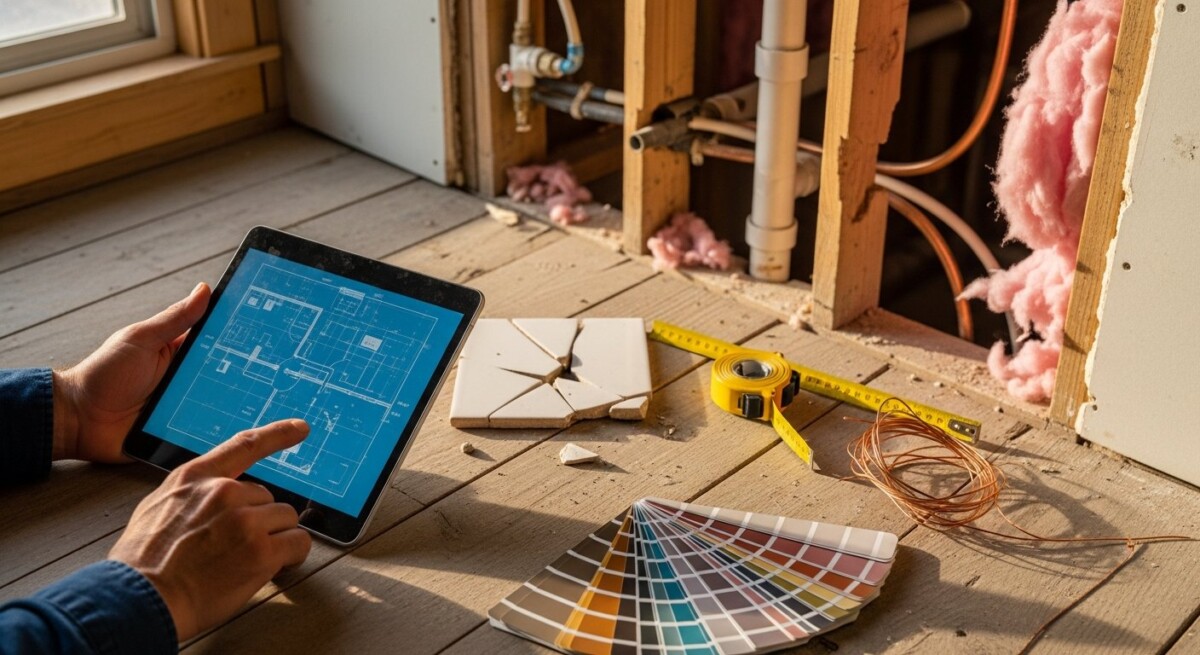
Another common problem is the surprise of hidden costs. You might budget for new flooring and cabinets, but then find out the subfloor is rotted or the walls need new insulation. These surprises can blow your budget and leave you stressed or forced to make compromises you don’t want.
- Outdated wiring or plumbing that must be brought to code
- Water damage or mold discovered after demolition
- Uneven floors or walls that require structural work
- Poor previous repairs that need to be redone
- Unexpected permit fees or HOA requirements
- Supply chain delays that increase material costs
How Professionals Solve the Problem
Experienced contractors start with a thorough inspection to identify all potential issues before providing a detailed estimate. They use their knowledge of local building codes and material costs to give you a realistic cost per square foot that includes contingencies for surprises. This upfront transparency helps you make informed decisions and avoid mid-project chaos.
Professional work also ensures the job is done right the first time. Contractors have the tools, training, and insurance to handle complex tasks like moving load-bearing walls, updating electrical panels, or installing moisture barriers. While DIY might save labor costs, mistakes can lead to expensive repairs or safety hazards that far outweigh any initial savings.
- Initial consultation and on-site inspection
- Detailed written estimate with line-item costs
- Permit application and approval process
- Demolition and debris removal
- Structural, electrical, and plumbing work
- Installation of finishes, fixtures, and trim
- Final inspection and walk-through
A professional inspection can reveal hidden issues before they become expensive repairs. Compare contractor quotes here or call (555) 123-4567 to discuss your project.
Warning Signs You Should Not Ignore
Your home often gives you clues that a remodel is needed long before you start planning. Pay attention to small issues like peeling paint, musty smells, or doors that don’t close properly. These can be early warnings of moisture problems, settling foundations, or aging materials that will only get worse with time.
Ignoring these signs can turn a manageable project into a major overhaul. For example, a small crack in the grout might let water seep behind tiles, leading to mold and rotted subflooring. What could have been a $5,000 bathroom refresh can quickly become a $15,000 full gut job.
- Persistent musty odors or visible mold spots
- Soft or spongy spots on floors near sinks or toilets
- Peeling wallpaper or bubbling paint on walls
- Windows that are difficult to open or have condensation between panes
- Loose or cracked tiles in bathrooms or kitchens
- Higher than normal utility bills from poor insulation or drafty windows
What Affects the Cost of Repairs or Installation
The size of your project is the most obvious factor, but the condition of your home matters just as much. A 100-square-foot kitchen in a well-maintained home will cost less per square foot than the same size kitchen in a house with old wiring, sagging floors, or outdated plumbing. Accessibility also plays a role,if your contractor has to carry materials up three flights of stairs or work in a tight crawlspace, labor costs increase.
Material choices dramatically affect the bottom line. Luxury countertops, custom cabinetry, and high-end fixtures can double or triple your cost per square foot compared to standard options. Labor rates vary by region too, with urban areas typically charging more than rural locations. The age of your home can add costs if it contains hazardous materials like lead paint or asbestos that require special handling.
Costs can vary depending on the condition of your home. The best way to know the price is to get a personalized estimate. Request free quotes from contractors or call (555) 123-4567 today.
How to Choose the Right Contractor
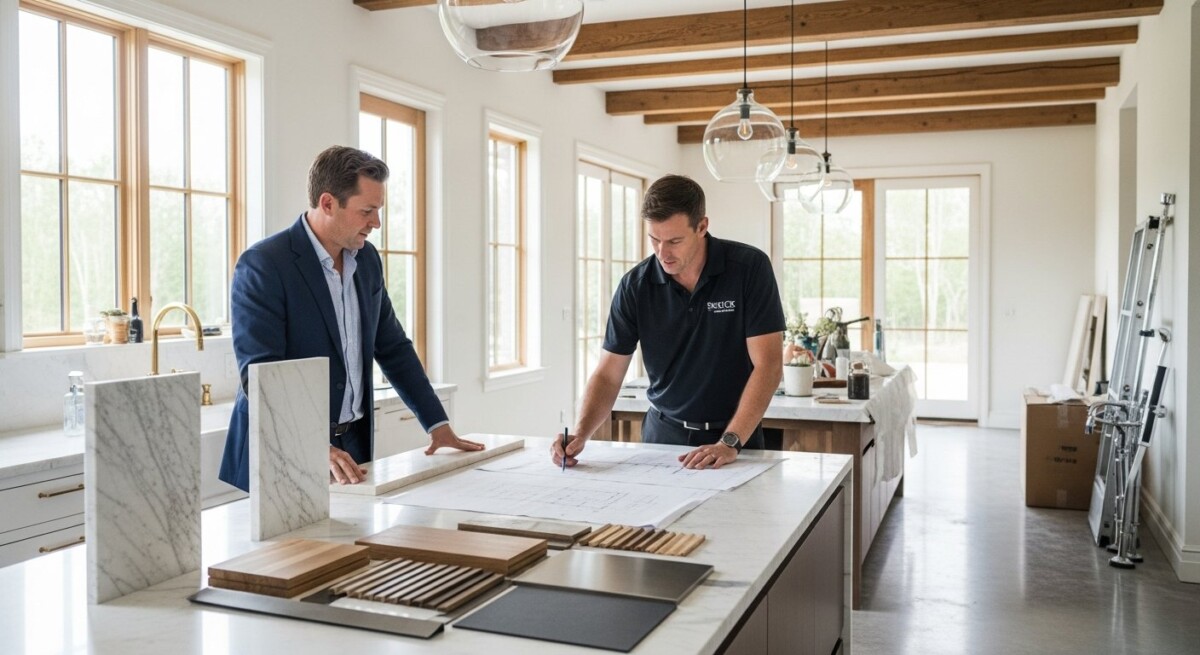
Finding a trustworthy contractor is just as important as understanding costs. Start by asking friends, neighbors, or local online groups for recommendations. Look for contractors who have been in business for several years and have a track record of completing projects similar to yours. A good contractor will be happy to provide references and show you photos of past work.
Always get at least three detailed quotes in writing. Compare not just the total price but also the scope of work, materials specified, and timeline. A significantly lower bid might mean the contractor is cutting corners or hasn’t fully understood the project. Trust your gut,if something feels off during the consultation, keep looking.
- Verify the contractor is licensed and insured in your state
- Read online reviews on multiple platforms (Google, Yelp, Angi)
- Ask for a detailed written estimate that lists materials, labor, and permit fees
- Get quotes from at least three different contractors
- Confirm they have experience with your specific type of project (kitchen, bath, basement, etc.)
Long-Term Benefits of Professional Work
Investing in a professional remodel pays off in many ways beyond just a nicer-looking home. Quality work improves safety by ensuring electrical systems, gas lines, and structural elements meet current codes. It also enhances energy efficiency with proper insulation, windows, and appliances, which lowers your monthly utility bills.
Durability is another major benefit. Professionally installed materials and finishes last longer and require fewer repairs, saving you money over time. And when it comes time to sell, a well-documented, permitted remodel can significantly increase your home’s resale value. Buyers are willing to pay more for a home where the work was done right.
What is a good cost per square foot for a kitchen remodel?
A mid-range kitchen remodel typically costs between $150 and $300 per square foot. This includes new cabinets, countertops, appliances, and flooring. High-end remodels with custom cabinetry and premium materials can exceed $500 per square foot.
How do I calculate cost per square foot for my remodel?
Divide the total cost of the project by the square footage of the room. For example, a $12,000 bathroom remodel in a 60-square-foot room equals $200 per square foot. Always use the finished floor area, not wall space.
Why are contractor quotes so different for the same project?
Quotes vary because contractors include different levels of detail. One might include permits, dumpster fees, and premium materials, while another quotes only basic labor and materials. Always compare line items, not just the final number.
Is it cheaper to remodel or move?
In most cases, remodeling is cheaper than moving when you factor in real estate commissions, closing costs, and moving expenses. However, if your remodel costs exceed 70% of your home’s value, moving may be more economical.
Do I need a permit for my remodel?
Most structural, electrical, and plumbing work requires a permit. Unpermitted work can lead to fines, trouble selling your home, and safety risks. Your contractor should handle the permit process as part of their service.
How long does a typical home remodel take?
A small bathroom or kitchen remodel usually takes 3,6 weeks. Larger projects like basement finishing or home additions can take 2,4 months. Delays from material shortages or unexpected issues are common, so build buffer time into your schedule.
Can I live in my home during a remodel?
It depends on the scope of work. Minor remodels are usually fine, but major projects that disable the kitchen or bathroom for weeks may require temporary arrangements. Talk to your contractor about phasing the work to minimize disruption.
What is the most expensive part of a remodel?
Labor is typically the largest cost, accounting for 40,60% of the total. Materials come next, with cabinets, countertops, and flooring being the biggest line items. Permits and design fees add smaller but necessary costs.
Understanding cost per square foot remodeling gives you the confidence to plan your project without fear of hidden surprises. By learning what affects pricing, recognizing early warning signs, and working with qualified professionals, you protect your home, your budget, and your peace of mind. The smartest step you can take is to compare quotes from multiple contractors before making any decisions. Get started with free estimates today and turn your remodeling dreams into a safe, affordable reality.