Does Remodeling Improve Resale Value? A Homeowner’s Guide
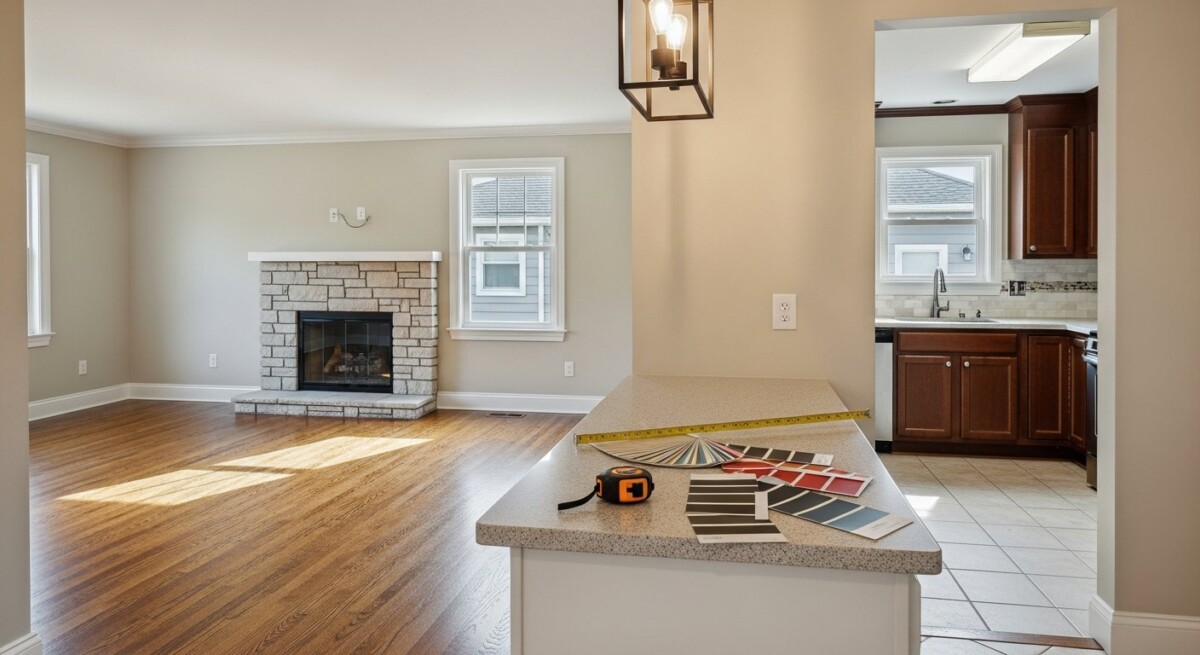
You stand in your kitchen, staring at the worn countertops and outdated cabinets. The house is comfortable, but something feels off. Maybe the bathroom tiles are cracked, or the living room layout feels cramped. You start wondering: if I invest in remodeling, will I actually get that money back when I sell? This question crosses the mind of nearly every homeowner at some point.
The short answer is yes,remodeling can improve resale value, but only if you focus on the right projects. Not every upgrade pays off the same way, and some changes can even hurt your return if they over-improve the neighborhood. Understanding can remodeling improve resale value helps you make smarter decisions with your time and budget.
Many homeowners discover this issue when they start planning a sale. A real estate agent might suggest updating the kitchen or replacing old flooring. Without that guidance, you could spend thousands on a project that buyers don’t care about. That’s why it pays to learn what works before you pick up a hammer.
Understanding Can Remodeling Improve Resale Value
When we talk about resale value, we mean the amount a home improvement project adds to your property’s selling price compared to what you spent. A high return on investment (ROI) means you recoup most or all of your costs. A low ROI means you lose money on the upgrade.
Several factors determine whether a remodel pays off. Location matters a lot,a luxury bathroom in a modest neighborhood may not attract buyers willing to pay a premium. The quality of materials and workmanship also plays a role. Cheap fixtures or poor installation can actually lower your home’s perceived value.
Homes that benefit most from remodeling are typically those with outdated features or functional problems. A 20-year-old kitchen with laminate countertops and worn cabinets is a prime candidate. Similarly, homes with only one bathroom or insufficient storage often see strong returns from targeted renovations.
Which Projects Offer the Best ROI?
Not all remodels are equal. Minor kitchen remodels, bathroom updates, and adding a deck or patio tend to offer the highest returns,often 70% to 85% of costs recovered at sale. Major luxury renovations like a master suite addition or high-end appliance upgrades usually return less, sometimes only 50% to 60%.
Why This Matters for Your Home
Ignoring needed repairs or living with outdated spaces doesn’t just hurt your comfort,it can damage your property. A leaking faucet might seem minor, but over time it can rot cabinet bases and encourage mold. Cracked caulk in a shower lets moisture seep into walls, leading to expensive structural repairs.
Safety is another concern. Old wiring, loose railings, or uneven flooring can cause accidents. Buyers and home inspectors will notice these issues, and they may demand price reductions or walk away entirely. Even if you aren’t selling soon, these problems affect your daily life and can grow worse each year.
Delaying remodeling also costs you money. A small bathroom refresh today might cost $10,000, but if you wait five years, water damage and wear could turn that into a $25,000 full gut renovation. Addressing issues early protects your investment and keeps your home comfortable.
If you notice signs of this issue in your home, it may help to speak with a qualified contractor. Request a free quote or call to explore your repair or remodeling options.
Common Problems Homeowners Experience
Every home ages, and certain problems show up again and again. You might notice that your kitchen feels cramped because the layout hasn’t been updated since the 1980s. Or perhaps your bathroom has a single sink when a double vanity would make mornings easier for your family.
Other issues are more obvious: worn flooring, peeling paint, drafty windows, or a roof that leaks during heavy rain. These problems don’t just look bad,they signal to potential buyers that the home hasn’t been maintained. A home with multiple outdated systems often sells for thousands less than a comparable updated property.
Here are the most common problems homeowners face with aging or poorly designed spaces:
- Outdated kitchen cabinets and countertops that look worn or stained
- Bathrooms with old fixtures, poor lighting, or insufficient storage
- Flooring that is scratched, stained, or made from materials that have fallen out of style
- Floor plans that feel closed off or don’t match modern living preferences
- Energy-inefficient windows and doors that drive up utility bills
- Lack of curb appeal due to faded paint, worn siding, or an uninspired front entry
How Professionals Solve the Problem
Experienced contractors approach remodeling with a clear process that protects your home and maximizes value. They start by assessing your space, listening to your goals, and identifying any hidden issues like water damage or outdated wiring. This upfront evaluation prevents surprises during construction.
Professional work also ensures that everything meets local building codes. Permits and inspections might feel like red tape, but they protect you from liability and ensure the work is safe. A contractor knows what permits are required and how to pass inspections smoothly.
Here is the typical process a professional remodeling contractor follows:
- Consultation and estimate: The contractor visits your home, measures the space, discusses your budget and timeline, and provides a written quote.
- Design and material selection: You choose finishes, fixtures, and materials. The contractor helps you pick options that fit your budget and style.
- Permitting and preparation: The contractor pulls necessary permits, protects your furniture and floors, and orders materials.
- Demolition and rough-in: Old materials are removed, and behind-the-walls work like plumbing, electrical, and framing is completed.
- Installation and finishing: New cabinets, countertops, flooring, fixtures, and paint are installed. Final details like trim and hardware are added.
- Final walkthrough and cleanup: The contractor inspects everything with you, makes any touch-ups, and cleans the job site.
DIY remodeling might save money upfront, but mistakes can be costly. Incorrect plumbing can cause leaks, bad electrical work creates fire hazards, and poor tile installation leads to cracked grout and water damage. Professionals carry insurance and warranties that protect you if something goes wrong.
A professional inspection can reveal hidden issues before they become expensive repairs. Compare contractor quotes here or call to discuss your project.
Warning Signs You Should Not Ignore
Some problems are loud and clear,a leaking roof or a broken furnace demands immediate attention. But many warning signs are subtle. You might notice that doors stick when the humidity rises, or that the sink drains slower than it used to. These small clues often point to bigger issues behind the walls.
Ignoring early warning signs usually leads to more expensive repairs later. A small crack in a foundation wall can widen over time, allowing water to seep into your basement. A toilet that rocks slightly may indicate a leaky wax ring, which can rot the subfloor.
Watch for these warning signs that suggest remodeling or repairs are needed:
- Water stains on ceilings or walls, which indicate leaks from the roof or plumbing
- Mold or mildew smells in bathrooms, basements, or crawl spaces
- Peeling paint or wallpaper, often caused by excess moisture
- Gaps around windows or doors that let in drafts and raise energy bills
- Flooring that feels uneven, spongy, or shows signs of water damage
- Outdated electrical systems, such as two-prong outlets or frequent breaker trips
What Affects the Cost of Repairs or Installation
Remodeling costs vary widely based on several factors. The size of the project is the most obvious,a full kitchen renovation costs more than a bathroom refresh. But even within the same room, material choices make a big difference. Quartz countertops cost more than laminate, and hardwood flooring is pricier than vinyl.
Labor costs depend on your location and the complexity of the work. Projects that require moving plumbing or electrical lines cost more than simple cosmetic updates. The age of your home also matters,older homes may have outdated wiring, lead paint, or asbestos that requires special handling, which adds to the total.
Accessibility plays a role too. A contractor who has to carry materials up three flights of stairs will charge more than one working on a ground floor. Getting multiple quotes helps you understand the fair market rate for your specific project.
Costs can vary depending on the condition of your home. The best way to know the price is to get a personalized estimate. Request free quotes from contractors or call today.
How to Choose the Right Contractor
Finding a reliable contractor is one of the most important steps in any remodeling project. A good contractor delivers quality work on time and on budget. A bad one can turn your dream renovation into a nightmare of delays, cost overruns, and shoddy workmanship.
Start by asking for recommendations from friends, neighbors, or your real estate agent. Online review sites and contractor directories can also help you build a shortlist. Always verify that a contractor is licensed and insured before you hire them.
Here are practical tips for selecting a contractor you can trust:
- Check licenses and insurance: Make sure the contractor holds a valid license for your state and carries general liability and workers’ compensation insurance.
- Read customer reviews: Look for recent reviews on Google, Yelp, or the Better Business Bureau. Pay attention to how the contractor handled complaints.
- Ask for detailed estimates: A good estimate breaks down labor, materials, permits, and timeline. Avoid vague bids that lump everything together.
- Compare multiple quotes: Get at least three written estimates. This helps you spot unusually low or high prices and understand the market.
- Confirm experience with similar projects: Ask for photos of past work and references from homeowners who had similar projects done.
Long-Term Benefits of Professional Work
Investing in professional remodeling does more than boost your home’s resale value. It improves your daily life. A well-designed kitchen makes cooking easier. An updated bathroom feels like a personal spa. New windows keep your home quieter and more comfortable year-round.
Professional work also tends to last longer. Quality materials and proper installation mean fewer repairs and less maintenance over time. Energy-efficient upgrades like insulation, windows, and appliances lower your utility bills month after month. These savings add up and can offset some of the remodeling cost.
Perhaps most important, professional remodeling gives you peace of mind. You know the work was done right, with permits and inspections. When you eventually sell, that documentation reassures buyers and appraisers, helping you command a higher price.
Does remodeling a kitchen add value?
Yes, a kitchen remodel typically offers one of the highest returns on investment. Minor kitchen updates,like replacing cabinet fronts, countertops, and appliances,can recoup 75% to 85% of costs at resale. A full upscale kitchen renovation usually returns less, around 60% to 70%, but can still attract buyers faster.
Which home improvements add the most value?
The projects that consistently add the most value are minor kitchen remodels, bathroom renovations, adding a deck or patio, and replacing the front door. These improvements improve functionality and curb appeal without over-improving the home for the neighborhood.
Is it worth remodeling before selling a home?
In many cases, yes. Homes that are move-in ready sell faster and for higher prices than homes that need significant work. However, you should focus on cost-effective updates and avoid luxury upgrades that buyers may not want to pay for. A real estate agent can advise you on which projects make sense for your market.
Can you get permits after starting a remodel?
It is not recommended to start work without permits. If you have already started, you may still be able to get retroactive permits, but the process can be complicated and may involve additional inspections or fees. It is much safer to secure permits before demolition begins. In our guide on whether you can get permits after starting a remodel, we explain the steps to take if you find yourself in that situation.
How much does a bathroom remodel cost?
Bathroom remodeling costs vary widely. A small bathroom refresh with new fixtures, paint, and lighting might cost $5,000 to $10,000. A full gut renovation with new tile, vanity, tub, and plumbing can run $15,000 to $30,000 or more, depending on materials and labor in your area.
Do home additions increase value?
Home additions like a bedroom, bathroom, or family room can increase value, but the return is often lower than for smaller remodeling projects. Adding square footage increases your home’s overall value, but the cost per square foot for additions is high. For more details, read our article on whether home additions increase value.
Can you remodel while living at home?
Yes, many homeowners live in their home during remodeling. It requires planning, especially for kitchens and bathrooms where you lose access to those rooms for a period. Contractors can often phase the work to minimize disruption. Our guide on remodeling while living at home offers practical tips for making the process smoother.
How do I find a reliable contractor?
Start by getting referrals from friends and neighbors. Use online platforms that vet contractors and provide reviews. Always verify licensing and insurance, get multiple written estimates, and ask for references. A platform like USremodel can connect you with pre-screened contractors in your area.
Remodeling your home is a big decision, but it doesn’t have to be overwhelming. Focus on projects that address real problems, improve your daily life, and offer a reasonable return when you sell. The key is to start with a clear plan and work with professionals who understand your goals.
Before you commit to any project, take the time to compare contractor quotes. This simple step helps you understand the true cost of your remodel, avoid overpaying, and choose the right team for the job. Whether you are fixing a leaky bathroom or designing your dream kitchen, getting expert guidance ensures your investment pays off.