Why Remodeling Projects Go Over Budget and How to Stop It
You had a number in mind. You planned for the new cabinets, the flooring, and the labor. But halfway through the project, the contractor calls with bad news: the plumbing is outdated, the wall has hidden water damage, or the permit costs more than expected. Suddenly, your dream remodel is turning into a financial headache. This is exactly why remodeling projects go over budget, and it happens more often than most homeowners realize.
Understanding Why Remodeling Projects Go Over Budget
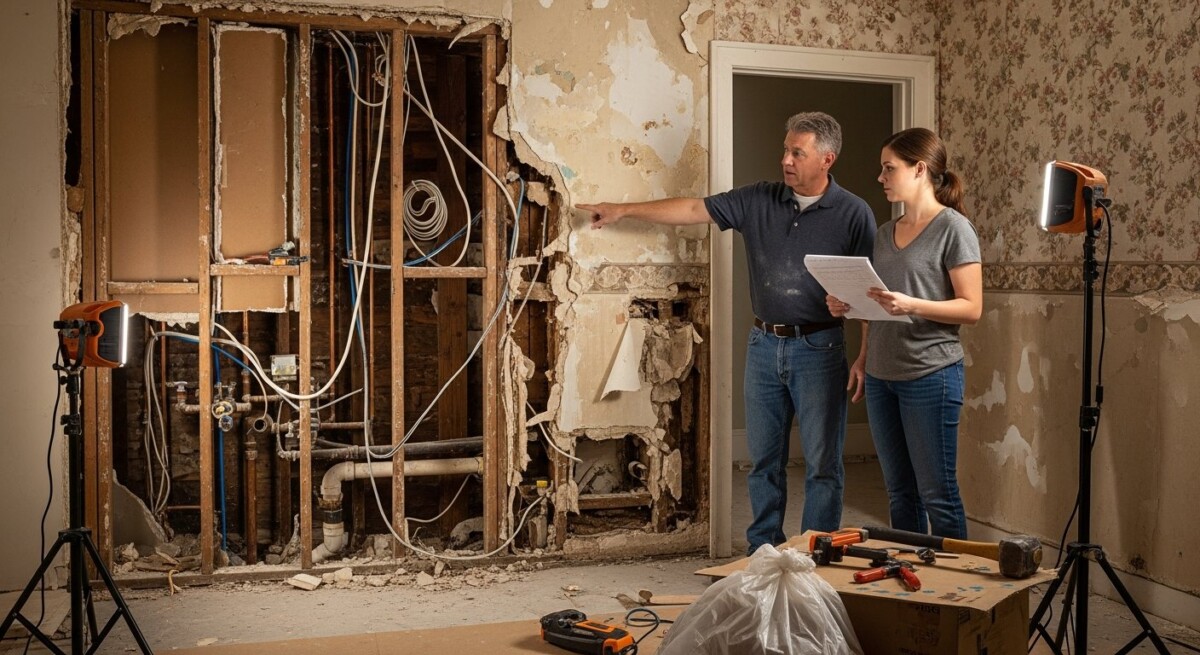
At its simplest, a budget overrun happens when the actual cost of a project exceeds what you planned to spend. It is not always about poor planning,sometimes unexpected problems surface once the walls are opened. Older homes, in particular, often hide issues like faulty wiring, mold, or structural rot that only become visible during demolition.
Many homeowners underestimate the cost of materials, labor, or permits. Others forget to set aside a contingency fund for surprises. The result is the same: stress, stalled work, and difficult financial decisions. Homes built before 1980 are especially prone to these hidden costs because building codes and material standards have changed significantly.
Why It Happens So Often
Remodeling is unpredictable by nature. You cannot see inside a wall or under a floor until the old materials are removed. Even a simple bathroom refresh can reveal corroded pipes or an outdated electrical panel. When these issues surface, the scope of work grows,and so does the price tag.
Why This Matters for Your Home
Going over budget is not just a financial inconvenience. It can force you to cut corners, delay other important repairs, or leave a project unfinished. An incomplete remodel can lower your home’s value, create safety hazards, and make daily living uncomfortable.
Delaying necessary repairs because of budget strain often leads to bigger problems. A small leak ignored today can cause structural damage tomorrow. Outdated wiring left untouched can become a fire risk. The longer you wait, the more expensive the fix becomes.
If you notice signs of this issue in your home, it may help to speak with a qualified contractor. Request a free quote or call 1-800-555-0199 to explore your repair or remodeling options.
Common Problems Homeowners Experience
Most homeowners discover budget overruns the hard way,when work is already underway. The problem often starts with an incomplete initial estimate. A contractor might quote based on visible conditions, but once demolition starts, hidden issues emerge.
Another frequent problem is scope creep. You decide to upgrade the countertops, add a new light fixture, or move a wall. Each change adds cost. Without a clear plan and a written contract, these small upgrades can blow your budget by thousands of dollars.
- Hidden water damage or mold behind walls or under flooring
- Outdated electrical systems that do not meet current code
- Plumbing pipes that are corroded, undersized, or incorrectly installed
- Structural issues like sagging beams or foundation cracks
- Permit fees and inspection costs that were not included in the original quote
- Material price increases between the time of estimate and installation
How Professionals Solve the Problem
Experienced contractors know how to spot potential issues before work begins. They perform thorough inspections, review your home’s age and history, and build a realistic budget that includes a contingency fund,typically 10 to 20 percent of the total project cost.
Professional remodelers also follow a structured process to minimize surprises. They pull the necessary permits, coordinate with inspectors, and use quality materials that meet current building codes. This approach reduces the chance of costly rework or safety violations.
- Initial consultation and inspection,the contractor evaluates your home’s condition and identifies potential problem areas.
- Detailed estimate,you receive a written breakdown of materials, labor, permits, and a contingency line item.
- Project planning and scheduling,the contractor sequences work to avoid delays and coordinate subcontractors.
- Demolition and discovery,if hidden issues appear, the contractor discusses options and costs before proceeding.
- Final walkthrough and punch list,any remaining details are completed, and you approve the finished work.
A professional inspection can reveal hidden issues before they become expensive repairs. Compare contractor quotes here or call 1-800-555-0199 to discuss your project.
Warning Signs You Should Not Ignore
Some signs of trouble are obvious, like a leaking pipe or a crack in the wall. Others are subtle, like a musty smell or a door that sticks. Paying attention to these clues can help you catch problems early and avoid blowing your budget.
If you are planning a remodel, look for warning signs before you start. Call in a professional to inspect areas that are likely to hide issues,basements, attics, and around plumbing fixtures. A small investment in an inspection can save you thousands later.
- Water stains on ceilings or walls, which may indicate a slow leak
- Musty odors or visible mold, especially in bathrooms or basements
- Flickering lights or frequent breaker trips, suggesting outdated wiring
- Soft or spongy flooring near toilets, tubs, or sinks
- Cracks in foundation walls or uneven floors
- Doors or windows that stick, which can signal structural movement
What Affects the Cost of Repairs or Installation
Several factors influence how much a remodel or repair will cost. The size of the project is the most obvious,a full kitchen remodel costs more than a simple cabinet reface. But other variables matter just as much.
Materials play a big role. Custom cabinetry, natural stone countertops, and high-end fixtures cost more than stock options. Labor rates vary by region and by trade. Electricians, plumbers, and carpenters all charge different hourly rates, and complex work takes longer.
Accessibility also affects pricing. A bathroom on the second floor with limited space is harder to work in than a ground-floor powder room. Older homes often require additional work to bring systems up to code, which adds time and cost.
Costs can vary depending on the condition of your home. The best way to know the price is to get a personalized estimate. Request free quotes from contractors or call 1-800-555-0199 today.
How to Choose the Right Contractor
Choosing the right contractor is one of the most important decisions you will make. A good contractor helps you stay on budget and avoids costly surprises. A bad one can make the problem worse.
Start by asking for recommendations from friends, neighbors, or local hardware stores. Then interview at least three contractors. Ask about their experience with projects like yours, and request references from recent clients. Always verify that they carry general liability insurance and workers’ compensation coverage.
- Check that the contractor is licensed in your state and has no complaints on file with the Better Business Bureau
- Read online reviews on Google, Yelp, or Angi, focusing on comments about budget and timeline
- Ask for a detailed written estimate that includes materials, labor, permits, and cleanup
- Compare quotes from multiple contractors to understand the market rate for your project
- Confirm that the contractor has completed at least three similar projects in the past year
Long-Term Benefits of Professional Work
Hiring a professional may cost more upfront, but it pays off over time. Quality work lasts longer, performs better, and adds more value to your home. A well-executed remodel can increase your home’s resale value by 50 to 80 percent of the project cost.
Professional contractors also help you avoid costly mistakes. They know which materials work best for your climate, how to meet local building codes, and how to sequence work efficiently. This reduces the risk of future repairs and keeps your home safe and comfortable.
Energy efficiency is another long-term benefit. Proper insulation, modern windows, and efficient HVAC systems lower your utility bills. Over several years, these savings can offset the initial cost of the remodel.
Frequently Asked Questions
How much should I budget for unexpected costs in a remodel?
Most professionals recommend setting aside 10 to 20 percent of your total project budget for unexpected issues. This covers hidden problems like outdated wiring, water damage, or structural repairs that only appear after demolition begins.
Can I avoid going over budget by doing the work myself?
DIY can save money on labor, but it often leads to mistakes that cost more to fix. Without professional experience, you may miss code requirements, buy the wrong materials, or create safety hazards. In many cases, hiring a contractor is more cost-effective in the long run.
Why do contractors sometimes give low estimates?
Some contractors give low estimates to win the job, then add charges later for unexpected work. Others may simply miss hidden issues during their initial inspection. Always get multiple quotes and read the fine print to understand what is included.
What is the most common reason remodeling projects go over budget?
The most common reason is discovering hidden problems after demolition begins. Water damage, mold, outdated wiring, and structural issues are frequent culprits, especially in homes older than 30 years.
How can I protect myself from price increases on materials?
Ask your contractor to lock in material prices when you sign the contract. If that is not possible, include a clause that limits price increases to a specific percentage. You can also purchase materials yourself when they are on sale.
Is it worth paying for a home inspection before remodeling?
Yes. A pre-remodel inspection by a qualified professional can identify potential issues before work begins. This allows you to budget for them upfront and avoid surprises that derail your project.
Should I tell my contractor my maximum budget?
It is generally better to share a realistic budget range rather than your absolute maximum. This helps the contractor design a plan that fits your needs without automatically pricing work to your limit.
Can I negotiate the price with a contractor?
Yes, but focus on value rather than just price. Ask if there are ways to reduce costs, such as using different materials or phasing the work. A reputable contractor will work with you to find solutions.
Understanding why remodeling projects go over budget is the first step to keeping yours on track. By planning carefully, hiring a qualified contractor, and setting aside a contingency fund, you can avoid the stress of unexpected costs. The smartest move you can make is to compare quotes from multiple professionals before starting any project. Get free estimates from trusted contractors here.