Your Guide to Selecting a New HVAC System
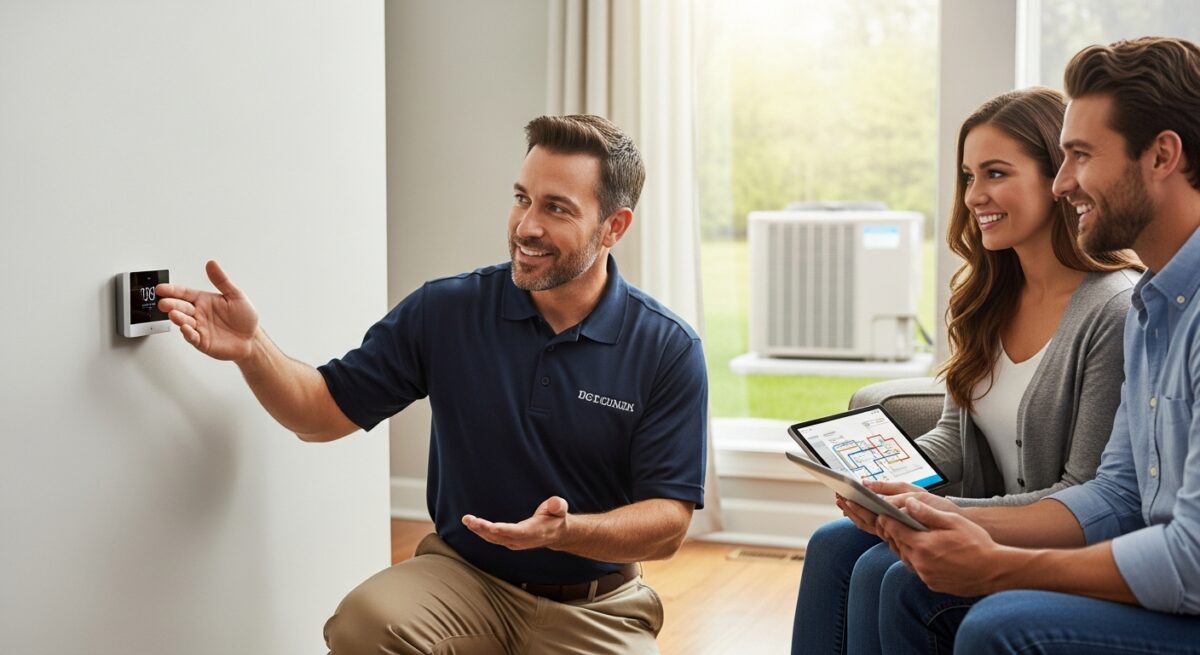
Is your current heating and cooling system struggling to keep up? You might notice uneven temperatures, higher energy bills, or constant repairs. When your old HVAC unit becomes unreliable, the thought of choosing a new system can feel overwhelming. This guide is here to simplify the process, helping you understand your options and make a confident decision for your home’s comfort.
Understanding a New HVAC System
A new HVAC (Heating, Ventilation, and Air Conditioning) system is more than just a replacement for your old furnace or air conditioner. It’s a complete, modern solution designed to efficiently manage your home’s temperature, humidity, and air quality. Today’s systems use advanced technology to provide consistent comfort while using less energy.
The process involves selecting the right-sized and type of equipment—like a heat pump, gas furnace, or air conditioner—and ensuring it’s perfectly installed. A proper installation is just as critical as the equipment itself. As we discuss in our article on Reliable HVAC Repairs and Installations, professional setup is key to achieving the performance and efficiency promised by the manufacturer.
Key Components of a Modern System
A full HVAC system typically includes an indoor unit (like a furnace or air handler), an outdoor unit (condenser or heat pump), a thermostat, and the ductwork that distributes air. Upgrading often involves evaluating and possibly improving all these interconnected parts for optimal results.
Why a New HVAC System Matters for Homeowners
Investing in a new HVAC system is one of the most significant home improvements you can make. It directly impacts your daily life, your wallet, and your home’s value. An outdated system works harder to produce less comfort, leading to frustrating hot or cold spots and noisy operation.
The benefits of a modern system are substantial. You’ll enjoy lower monthly energy bills, often by 20% or more, thanks to higher efficiency ratings. You’ll also breathe easier with improved air filtration that reduces dust, pollen, and other allergens. Perhaps most importantly, you gain peace of mind knowing your family is comfortable and safe, without the stress of frequent breakdowns.
Ready to explore what a new system could do for your home? Call our experts at (302) 555-7890 for a free, no-obligation consultation and estimate.
Common Issues with Old Systems and Their Causes
Old HVAC systems develop problems that go beyond simple repairs. Frequent failures are often a sign that the entire system is nearing the end of its service life, typically 15-20 years for most units. Constant strain on old components leads to a cycle of fixes that become increasingly costly.
The root causes are usually age and wear. Critical parts like compressors, heat exchangers, and motors degrade over time. Furthermore, older systems often use outdated refrigerants that are no longer manufactured, making repairs difficult and expensive. One frustrating but common issue is when your system simply can’t produce cold air anymore. If you’re experiencing this, our detailed guide on why your HVAC system is blowing warm air explains the potential causes.
- Rising Energy Costs: Efficiency drops as systems age, making them much more expensive to run.
- Inconsistent Temperatures: An undersized, oversized, or failing system can’t evenly heat or cool your home.
- Poor Air Quality: Old filters, decaying ductwork, and lack of humidity control can worsen indoor air.
- Frequent Repairs: Needing service more than once a year is a strong indicator of systemic failure.
- Excessive Noise: Grinding, rattling, or booming sounds signal mechanical problems.
How Professionals Install a New HVAC System
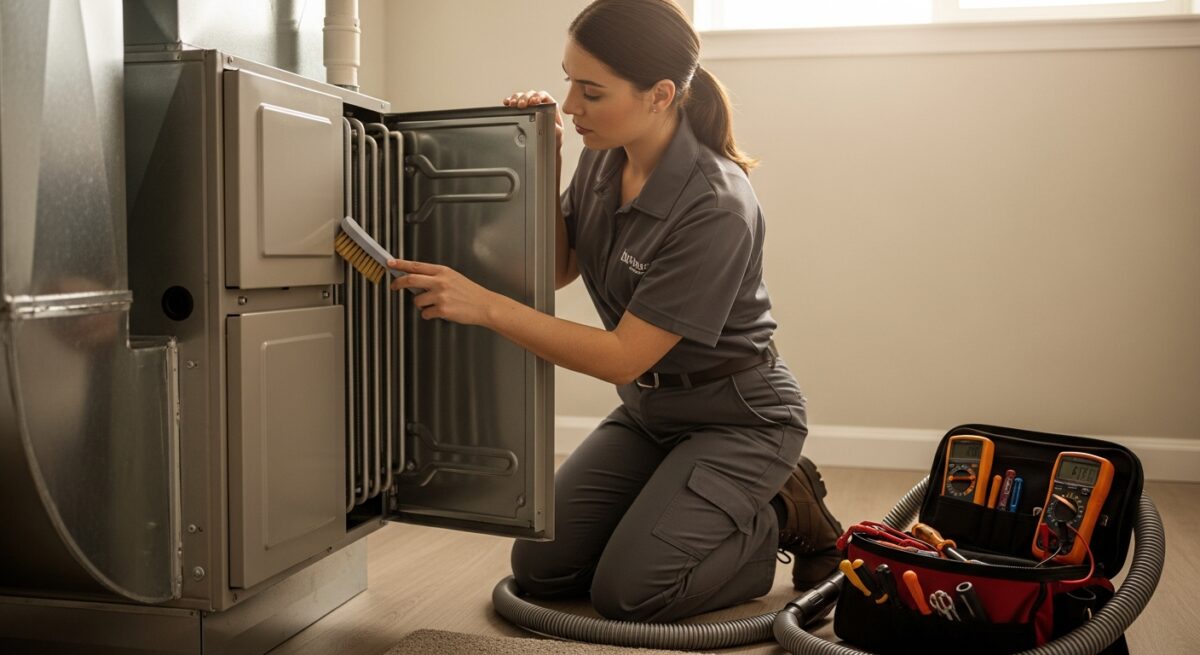
Professional installation is a meticulous, multi-step process designed for long-term reliability. It begins with a detailed load calculation, where a technician measures your home’s square footage, insulation, windows, and more to determine the exact size system you need. This step prevents the major comfort issues caused by an improperly sized unit.
The installation day involves carefully removing the old equipment, preparing the installation sites, and setting up the new units according to strict manufacturer specifications. This includes precise electrical and refrigerant line connections, ductwork sealing and modifications if needed, and thorough testing. The final and most important step is system commissioning, where the technician calibrates the thermostat, checks airflow, and verifies that every component is operating at peak efficiency.
For homeowners in the area, a professional installation ensures your investment is protected. Our team provides reliable HVAC installations in Middletown and surrounding communities, following this rigorous process to ensure your complete satisfaction.
Signs You Should Not Ignore
How do you know when it’s time to stop repairing and start replacing? Some signs are subtle, while others are clear calls for action. Paying attention to these warnings can save you from a sudden, uncomfortable breakdown during a heatwave or cold snap.
Beyond frequent repairs and high bills, listen to and watch your system. Strange odors, especially a burning smell or the scent of rotten eggs (which could indicate a gas leak), require immediate attention. Visible rust on the furnace or moisture around the system are also red flags.
- Your system is over 15 years old.
- Energy bills are climbing despite normal usage.
- You’re adding refrigerant (“freon”) annually.
- Rooms are never at the right temperature.
- You notice excessive dust or humidity issues.
Cost Factors and What Affects Pricing
The cost of a new HVAC system varies based on several key factors. The primary driver is the type and size of the equipment you choose. A basic, single-stage air conditioner and furnace will cost less than a high-efficiency, variable-speed heat pump system with advanced features. The size, measured in tons or BTUs, must match your home’s calculated needs.
Other significant factors include the complexity of the installation. If your new system requires new or modified ductwork, electrical updates, or a new thermostat, the project scope increases. The brand and efficiency rating (SEER for cooling, AFUE for heating) also influence price. Remember, a higher upfront investment in a more efficient system often leads to greater long-term savings on utility bills.
Don’t let cost uncertainties delay your comfort. Contact us at (302) 555-7890 for a transparent, detailed quote tailored to your specific home and needs.
How To Choose the Right Professional or Service
Selecting the right contractor is as important as choosing the right equipment. Look for a licensed, insured, and experienced company with a strong local reputation. Check online reviews and ask for references from recent installation jobs. A trustworthy professional will perform a thorough home evaluation before recommending any system.
They should be able to clearly explain their recommendations, provide written estimates, and answer all your questions about efficiency, warranties, and the installation process. Avoid contractors who give quotes over the phone without seeing your home or who pressure you into an immediate decision. A good partner will educate you and help you make the best choice for your budget and comfort goals.
Long-Term Benefits for Your Home
The value of a new HVAC system extends far beyond the initial purchase. You’ll enjoy enhanced comfort with consistent temperatures and balanced humidity year-round. Modern systems operate much more quietly than older models, eliminating disruptive startup and shutdown noises.
From a financial perspective, the energy savings accumulate over the system’s lifespan, often offsetting a significant portion of the initial cost. A new, efficient system is also a strong selling point that can increase your home’s market value. Most importantly, you gain reliability and safety, protecting your family from the risks associated with aging gas furnaces or failing electrical components, and ending the cycle of unexpected repair bills.
Frequently Asked Questions
How long does it take to install a new HVAC system?
A standard replacement installation for a furnace and air conditioner or a heat pump system typically takes one full day. More complex jobs involving ductwork modifications or a full system changeover may require two days.
What is SEER and AFUE rating?
SEER (Seasonal Energy Efficiency Ratio) measures air conditioner or heat pump cooling efficiency—the higher the number, the more efficient. AFUE (Annual Fuel Utilization Efficiency) measures furnace heating efficiency, expressed as a percentage. A higher AFUE means less fuel is wasted.
Should I repair or replace my old HVAC system?
A good rule of thumb is the “$5,000 Rule.” Multiply the age of your equipment by the repair cost. If the result is over $5,000, consider replacement. Also, if repairs approach 50% of the value of a new system, replacement is usually the wiser investment.
What is a heat pump and is it right for me?
A heat pump provides both heating and cooling in one unit by moving heat rather than generating it. It’s highly efficient in moderate climates and can be an excellent, cost-effective choice for many homes, especially when paired with a backup heat source for very cold days.
Do you offer financing for new HVAC systems?
Yes, we offer flexible financing options to help you manage the cost of a new system with affordable monthly payments. Ask our consultants for details during your in-home estimate.
What warranty comes with a new system?
New HVAC equipment typically includes a manufacturer’s warranty, often 10 years on major parts and sometimes a lifetime warranty on specific components like the heat exchanger. A professional installation is required to keep these warranties valid.
How can I maintain my new system?
Regular maintenance is key. Change your air filter every 1-3 months, keep the outdoor unit clear of debris, and schedule a professional tune-up once a year—ideally in the spring for cooling and fall for heating.
Will a new system improve my indoor air quality?
Absolutely. New systems have better filtration and can be paired with advanced air cleaners, UV lights, and humidity control systems to significantly reduce allergens, dust, mold, and viruses in your home’s air.
Choosing a new HVAC system is a major decision, but you don’t have to navigate it alone. With the right information and a trusted professional by your side, you can invest in a solution that delivers reliable comfort, efficiency, and peace of mind for years to come. Your home deserves a system that works as hard as you do to create a safe, comfortable haven.


About Kassav