Your Complete Whole House Makeover Guide for Homeowners
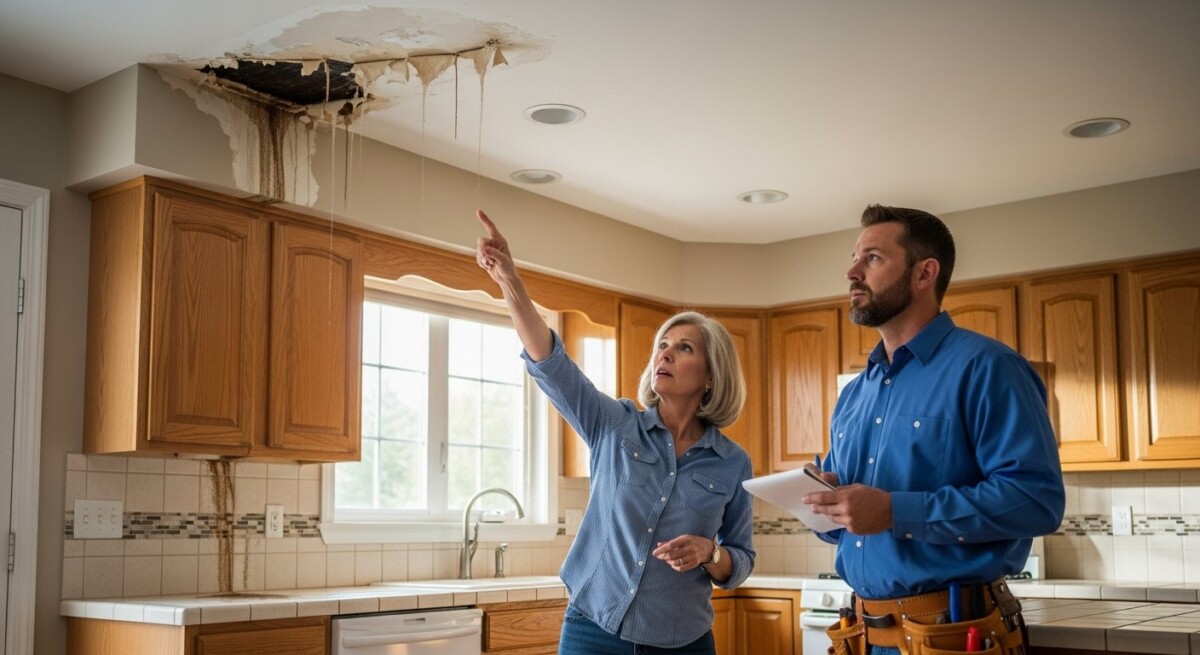
You walk into your living room and notice the paint is starting to peel. The kitchen cabinets feel outdated, the bathroom tile is cracked, and the carpet in the hallway has seen better days. Little by little, your home starts to feel tired and worn. Many homeowners discover these issues slowly, one room at a time, until the whole house feels like it needs a refresh. Ignoring these signs can lead to bigger problems, like water damage, mold, or declining property value. That is why a whole house makeover might be the solution you need to restore comfort, safety, and beauty to your home.
Understanding Whole House Makeover
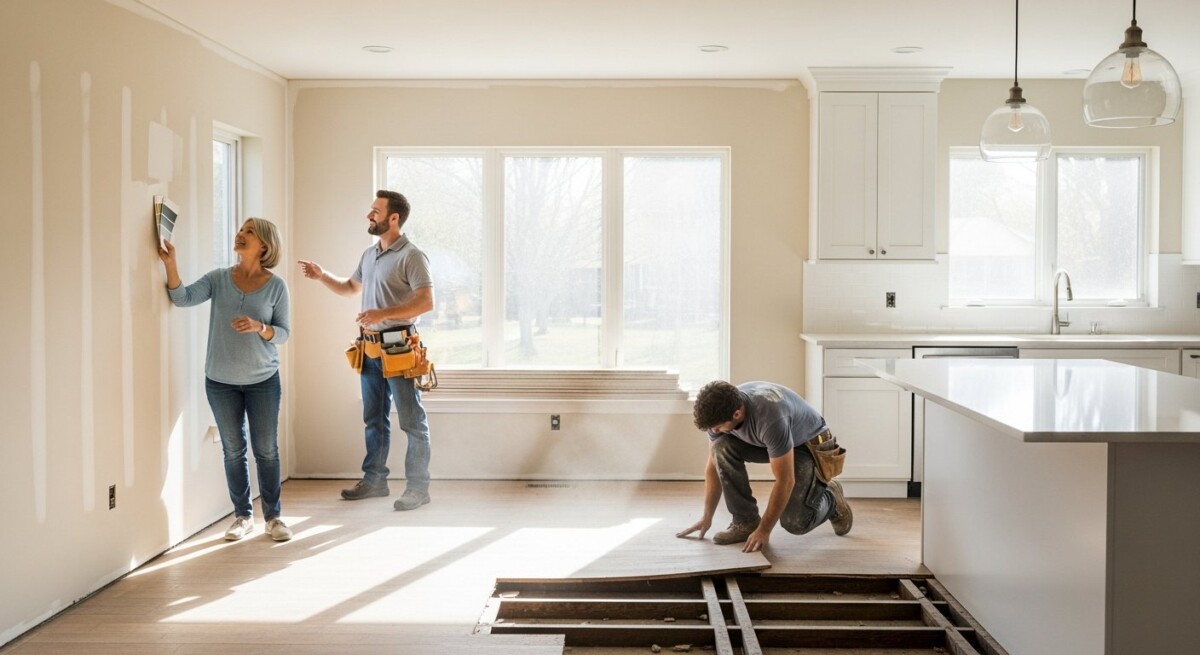
A whole house makeover is a comprehensive renovation project that updates multiple rooms or the entire home at once. Unlike single-room updates, this approach creates a cohesive look and feel throughout your property. It often includes new flooring, fresh paint, updated kitchens and bathrooms, improved lighting, and modern fixtures.
Homes that are more than 20 years old are prime candidates for a whole house makeover. Older homes may have outdated layouts, worn-out materials, or inefficient systems that need upgrading. Even newer homes can benefit from a makeover if the original finishes no longer match your style or needs.
The goal is not just cosmetic improvement. A whole house makeover can also address functional issues, such as poor storage, awkward floor plans, or energy inefficiency. By tackling everything at once, you save time and avoid the hassle of living in a construction zone for years.
Why This Matters for Your Home
Delaying a whole house makeover can lead to costly repairs down the road. Small leaks, cracks, or worn seals can turn into major water damage, mold growth, or structural issues. What starts as a simple paint touch-up can become a full wall replacement if moisture gets behind the surface.
Safety is another concern. Outdated electrical systems, loose railings, or old flooring can pose risks to your family. An updated home is a safer home, especially if you have young children or elderly relatives living with you.
Comfort also suffers when a home is neglected. Drafty windows, poor insulation, and inefficient HVAC systems make it hard to maintain a pleasant temperature. A whole house makeover can improve energy efficiency, lowering your utility bills and making your home more enjoyable year-round.
If you notice signs of this issue in your home, it may help to speak with a qualified contractor. Request a free quote or call to explore your repair or remodeling options.
Common Problems Homeowners Experience
Homeowners often notice that their home feels dated or worn out, but they may not know where to start. Common complaints include peeling paint, stained carpets, outdated fixtures, and cramped layouts. These issues can make a home feel less inviting and harder to sell.
Another frequent problem is poor functionality. Kitchens may lack counter space, bathrooms may have inadequate storage, and living areas may feel dark or cramped. These problems affect daily life and can cause frustration over time.
Here are some common issues that a whole house makeover can solve:
- Peeling or cracking paint on walls and ceilings
- Outdated kitchen cabinets and countertops
- Worn or stained carpeting and flooring
- Inefficient windows that cause drafts
- Old bathroom fixtures and tile that show wear
- Poor lighting that makes rooms feel dim
How Professionals Solve the Problem
Professional contractors bring experience, tools, and project management skills to a whole house makeover. They start with a thorough inspection to identify hidden issues, such as water damage, electrical problems, or structural weaknesses. This ensures that the makeover addresses root causes, not just surface appearance.
Once the assessment is complete, contractors create a detailed plan and timeline. They coordinate trades like electricians, plumbers, carpenters, and painters to work efficiently. This prevents delays and ensures high-quality results.
Here is the typical process a professional team follows:
- Initial consultation and home inspection
- Design and material selection with your input
- Demolition and removal of old materials
- Structural repairs, electrical, and plumbing updates
- Installation of new flooring, cabinets, fixtures, and paint
- Final walkthrough and cleanup
DIY makeovers can be tempting, but they often lead to mistakes that cost more to fix. Professionals have the right tools and training to handle complex tasks safely. They also carry insurance, so you are protected if something goes wrong.
A professional inspection can reveal hidden issues before they become expensive repairs. Compare contractor quotes here or call to discuss your project.
Warning Signs You Should Not Ignore
Your home often gives you clues that it needs a makeover. Paying attention to these signs early can save you money and stress. Ignoring them can turn a manageable project into a major renovation.
Some warning signs are easy to spot, while others require a closer look. Walk through your home with a critical eye and note any areas that look worn, feel drafty, or function poorly.
- Water stains on ceilings or walls
- Cracks in drywall or foundation
- Doors and windows that stick or don’t close properly
- Musty odors or visible mold
- Frequent tripped circuit breakers or flickering lights
- High energy bills despite normal usage
What Affects the Cost of Repairs or Installation
The cost of a whole house makeover varies widely depending on several factors. The size of your home is the biggest driver,larger homes require more materials and labor. The scope of the project also matters; a full gut renovation costs more than a cosmetic update.
Material choices significantly impact the budget. Premium flooring, custom cabinetry, and high-end fixtures cost more than standard options. However, investing in quality materials can increase your home’s value and reduce future maintenance costs.
Labor rates depend on your location and the complexity of the work. Homes with difficult access, such as multi-story buildings or tight crawl spaces, may require extra time and equipment. Older homes often need more structural work, which adds to the total cost.
Costs can vary depending on the condition of your home. The best way to know the price is to get a personalized estimate. Request free quotes from contractors or call today.
How to Choose the Right Contractor
Finding a reliable contractor is essential for a successful whole house makeover. Start by asking for recommendations from friends, family, or neighbors who have completed similar projects. Online reviews and local business directories can also help you build a shortlist.
Once you have a few names, verify their credentials. A good contractor will have a valid license, insurance, and a solid track record. Ask for references and examples of past work that matches your project type.
- Check for valid licensing and liability insurance
- Read customer reviews on multiple platforms
- Request detailed written estimates from at least three contractors
- Confirm experience with whole house makeovers specifically
- Ask about warranties on materials and labor
Taking the time to compare contractors helps you find the right fit for your budget and style. It also gives you leverage to negotiate better terms and ensures you don’t overpay for the work.
Long-Term Benefits of Professional Work
Investing in a professional whole house makeover delivers benefits that last for years. Your home becomes safer, more comfortable, and more enjoyable to live in. Updated systems and materials also require less maintenance, saving you time and money.
Energy efficiency is a major advantage. New windows, insulation, and appliances can lower your monthly utility bills significantly. Over time, these savings can offset a large portion of the renovation cost.
Home value is another key benefit. A well-executed makeover can increase your property’s resale value, often by more than the cost of the renovation. If you ever decide to sell, your updated home will attract more buyers and command a higher price.
How long does a whole house makeover take?
A typical whole house makeover takes between 6 and 12 weeks, depending on the size of your home and the scope of work. Simple cosmetic updates may take less time, while full structural renovations can take several months. Your contractor will provide a timeline after the initial assessment.
Do I need to move out during the renovation?
Many homeowners choose to move out during a whole house makeover, especially if the work involves kitchens, bathrooms, or major structural changes. Living in a construction zone can be stressful and inconvenient. Discuss your options with your contractor to decide what works best for your family.
Can I finance a whole house makeover?
Yes, there are several financing options available, including home equity loans, personal loans, and renovation-specific loans. Some contractors also offer payment plans. Talk to your bank or lender before starting the project to understand your options.
What is the difference between a makeover and a remodel?
A makeover typically focuses on cosmetic updates like paint, flooring, and fixtures, while a remodel involves changing the structure or layout of a space. A whole house makeover can include both, depending on your goals. Your contractor can help you decide which approach fits your needs.
Will a whole house makeover increase my home insurance?
Updating your home may affect your insurance premiums, especially if you add square footage or upgrade systems. Contact your insurance provider to discuss how the renovation might change your coverage. In some cases, improvements can lower premiums by reducing risk.
How do I prepare my home for a makeover?
Start by decluttering and packing away valuables, fragile items, and anything you don’t want damaged. Clear pathways for workers and designate a space for storage of materials. Communicate your schedule and expectations clearly with your contractor before work begins.
What should I look for in a renovation contract?
A good contract includes a detailed scope of work, material specifications, payment schedule, start and end dates, and warranty information. Make sure everything is in writing and that you understand the terms before signing. Never pay the full amount upfront.
Can I do part of the work myself to save money?
Some homeowners choose to handle painting, demolition, or cleanup themselves to reduce costs. However, be realistic about your skills and time. Mistakes in electrical, plumbing, or structural work can be expensive to fix. Discuss with your contractor which tasks you can safely handle.
A whole house makeover is a big decision, but it can transform your home into a space you love. Addressing problems early prevents them from growing into costly emergencies. By comparing contractor quotes and planning carefully, you can achieve the home of your dreams without unnecessary stress.