
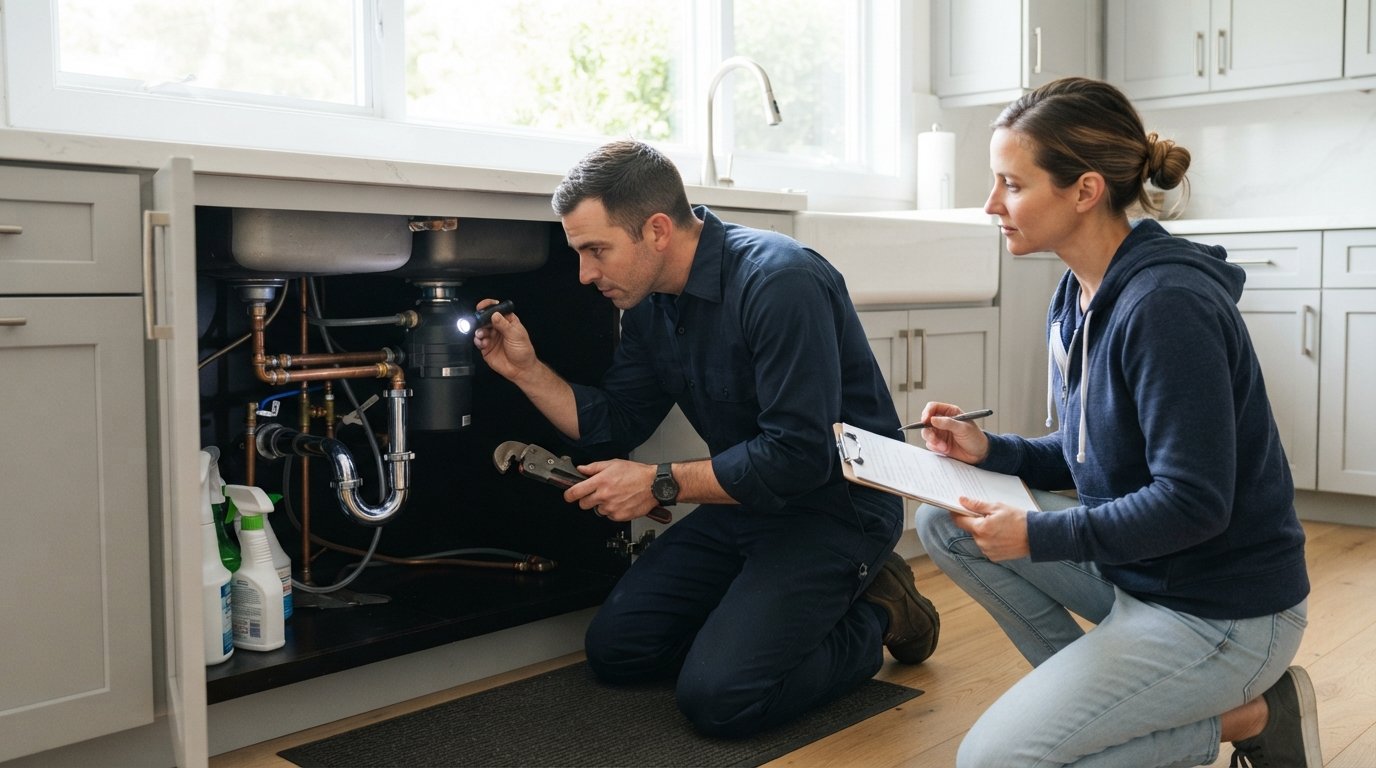
Year Round Preventative Plumbing Maintenance Plan
Build a year round preventative plumbing maintenance plan with seasonal checks that catch leaks early and protect your budget. Call (833)-700-4293 for help.

Learn more about Plumbing Inspection for guides, costs, and what to expect.
Compare Plumbing Inspection Pros Near You

Enter your ZIP code to compare independent local professionals and request free quotes.
Most homeowners think about plumbing only when something breaks: a pipe bursts, a toilet overflows, or the water heater quits on a cold morning. That reactive approach is expensive, stressful, and entirely avoidable. A year round preventative plumbing maintenance plan shifts the focus from emergency repairs to steady, seasonal upkeep that protects your home, your budget, and your peace of mind. Instead of waiting for a crisis, you follow a simple calendar of inspections and tune-ups that catch small issues before they become costly disasters. This guide walks you through exactly what to check, when to check it, and how to know when it is time to call in an independent local provider for a professional evaluation.
Why a Seasonal Plumbing Plan Beats Reactive Repairs
Plumbing systems are under constant stress. Water pressure, temperature swings, mineral buildup, and normal wear all take a toll on pipes, fixtures, and appliances. A year round preventative plumbing maintenance plan spreads small, manageable tasks across the calendar so that no single season carries all the risk. When you inspect and maintain regularly, you spot warning signs early: a slow drain here, a faint corrosion stain there, a water heater that takes a little longer to recover. These small clues are easy to ignore, but they are exactly the signals that precede major failures.
The financial case for prevention is straightforward. A small leak under a sink might cost a few dollars in parts if caught early. Left alone, that same leak can rot cabinetry, damage flooring, and spawn mold, turning a minor fix into a multi-thousand-dollar restoration project. Water heaters are another example: annual flushing removes sediment that reduces efficiency and shortens the unit's life. Homeowners who follow a consistent maintenance rhythm often avoid surprise bills entirely, and they gain confidence that their system is ready for whatever the season brings.
Prevention also protects your home's value. When you eventually sell, a well-maintained plumbing system is a selling point, not a liability. Buyers and inspectors notice water stains, corroded fittings, and sluggish drains. A documented maintenance routine signals that the home has been cared for, which can reduce negotiation friction. For a deeper set of foundational habits, our guide on preventative plumbing maintenance tips for homeowners pairs well with the seasonal framework below.
A Season by Season Framework for Your Home
The most practical way to build a year round preventative plumbing maintenance plan is to organize tasks by season. Each season brings different stressors, and matching your inspections to those stressors keeps the workload light while maximizing protection. The framework below is a starting point; adjust it to your climate, home age, and water quality.
Spring: Fresh Start Inspections
Spring is the season of thaw and reset. As temperatures rise, any freeze damage from winter becomes visible. Start by walking through the house and checking under every sink, around the base of toilets, and near the water heater for moisture, staining, or soft spots. Test your shutoff valves, including the main valve and the individual valves under sinks and behind toilets. These valves often seize if they are never exercised, and a stuck valve can turn a minor repair into a flood. Turn each valve off and on gently to confirm it operates smoothly.
Spring is also a good time to check water pressure. High pressure stresses pipes, hoses, and appliances, while low pressure may indicate a clog or a failing regulator. A simple pressure gauge that attaches to an outdoor spigot or laundry sink gives you a quick reading. If the number is consistently outside the normal range, it is worth having an independent local provider evaluate the system. Finally, inspect outdoor faucets and irrigation lines for cracks or leaks caused by winter freezing.
Summer: Water Quality and Appliance Care
Summer tends to be hard on water heaters and softeners. Higher demand and warmer incoming water can mask inefficiency, so this is the ideal time to flush the water heater. Sediment accumulates at the bottom of the tank, reducing heating efficiency and causing rumbling sounds. Flushing the tank according to the manufacturer's instructions removes that sediment and extends the unit's life. If you are not comfortable doing this yourself, an independent local provider can handle it during a routine maintenance visit.
If you have a water softener, summer is a good time to check salt levels and inspect for salt bridges or mushy buildup in the brine tank. Water quality matters for the entire system: hard water accelerates scale buildup in pipes and appliances, while aggressive water can corrode fixtures. A softener that is not working properly quietly undermines the rest of your plumbing. Also inspect washing machine hoses during summer; rubber hoses degrade over time and are a common source of sudden leaks. Consider replacing older rubber hoses with braided stainless steel versions, and check that the drain line is secure.
Fall: Winterization and Leak Detection
Fall is the most important season for prevention in cold climates. Before the first freeze, disconnect garden hoses, shut off and drain outdoor faucets, and blow out irrigation systems if you have them. Insulate exposed pipes in basements, crawl spaces, and garages. Even in milder climates, a sudden cold snap can burst unprotected pipes. This is also the time to test your leak detection devices if you have them, and to review your emergency shutoff plan so everyone in the household knows where the main valve is and how to use it.
Fall is also a good season for a whole-house leak check. Read your water meter when no water is running, wait a couple of hours, and read it again. A change indicates a hidden leak somewhere in the system. Walk the property and look for soft spots in the yard, which can signal a buried line leak. Inside, check the supply lines to the refrigerator, dishwasher, and ice maker. These small lines are notorious for slow leaks that go unnoticed until damage is significant.
Winter: Freeze Protection and Early Warning Signs
Winter is when prevention pays off most visibly. Keep cabinet doors open under sinks on exterior walls during extreme cold to let warm air circulate. Let faucets drip slightly during deep freezes to relieve pressure. If you leave home for an extended period, set the thermostat no lower than 55 degrees Fahrenheit and consider shutting off the main water valve after draining the lines. After severe weather, inspect for frozen or burst pipes, especially in unheated spaces.
Winter is also a season for watching early warning signs. Discolored water, a sudden drop in pressure, or a faint smell of sulfur can indicate problems. Gurgling drains and slow sink drainage are common in winter because grease and debris congeal in cooler pipes. Address these signs promptly rather than waiting for spring. A simple habit of checking under sinks and around the water heater once a month during winter can catch issues before they escalate.
Core Maintenance Tasks That Anchor the Plan
Beyond seasonal checklists, a handful of core tasks form the backbone of any year round preventative plumbing maintenance plan. These are the items that deliver the most protection for the least effort. Build them into your calendar and treat them as non-negotiable.
First, fixture checks. Every month or two, inspect faucets, toilets, and showerheads for drips, corrosion, and mineral buildup. A dripping faucet wastes water and can signal a worn cartridge or valve seat. Toilets deserve special attention: a silent leak from the flapper can waste hundreds of gallons per day. Add a few drops of food coloring to the tank and wait fifteen minutes; if color appears in the bowl without flushing, the flapper needs attention. Showerheads with clogged holes can often be cleaned by soaking in vinegar, but persistent low flow may indicate deeper issues.
Second, water pressure checks. High water pressure is one of the most overlooked causes of plumbing failure. It stresses supply lines, appliance connections, and valves. Check pressure a few times a year, especially if you notice banging pipes or frequent leaks. A pressure-reducing valve may be needed, and that is a job for an independent local provider. Third, water heater flushing. Once a year is generally sufficient, but in areas with hard water, twice a year may be wise. Flushing removes sediment, improves efficiency, and extends the life of the tank.
Fourth, drain care. Slow drains are an early warning sign of buildup in the pipes. Avoid pouring grease down the drain, use strainers in sinks and showers, and flush drains periodically with hot water. If you notice recurring clogs in the same drain, it is worth having the line inspected. A professional can use a camera to check for roots, collapsed sections, or heavy scale. Catching these problems early avoids emergency calls and water damage.
Early Warning Signs You Should Never Ignore
Your plumbing gives plenty of warnings before it fails. The challenge is recognizing them. Some signs are obvious, like a puddle under the sink. Others are subtle, like a faint musty smell or a water bill that creeps upward. A strong year round preventative plumbing maintenance plan trains you to notice these signals and act on them.
Watch for corrosion on pipes and fittings, especially near joints and valves. Green or white crust on copper or brass indicates a slow leak. Rust-colored water or staining in sinks and tubs suggests internal corrosion. Discolored water can also come from a failing water heater anode rod. Slow drains throughout the house, rather than in just one fixture, can point to a main line issue. Gurgling sounds after flushing or draining indicate venting problems or partial blockages. Any of these signs merit a professional evaluation before they turn into emergencies.
Leak detection deserves special mention. If you have a smart leak detector or a water alarm, test it seasonally. These devices can alert you to hidden leaks before damage spreads. Even without technology, a simple meter check is powerful. If you suspect a leak but cannot find it, an independent local provider can perform a thorough evaluation using non-invasive tools. The cost of that evaluation is almost always less than the cost of repairing water damage.
Water Softeners, Shutoff Valves, and Leak Detection
Three system components often get overlooked in maintenance plans, yet they play outsized roles in prevention. Water softeners protect pipes and appliances from scale, but they need regular attention. Check salt levels monthly, break up salt bridges, and clean the brine tank annually. If your softener is not regenerating properly, hardness will creep back into your water and quietly damage the system.
Shutoff valves are your first line of defense in an emergency. Every adult in the household should know where the main valve is and how to turn it off. Exercise the valve periodically so it does not seize. Individual fixture valves deserve the same attention. A valve that will not close fully is a liability. If any valve is stiff or leaking, have it replaced during a routine maintenance visit.
Leak detection can range from simple DIY checks to smart devices that monitor flow and alert you to anomalies. At minimum, perform the meter test described earlier a few times a year. If you travel often or have a finished basement, a smart leak detector near the water heater and washing machine is a worthwhile investment. When you need help evaluating your setup, you can compare quotes from independent local providers in your area to find one who specializes in leak detection and plumbing maintenance.
After Severe Weather or a Long Absence
Certain events call for a dedicated inspection beyond your normal routine. After a severe freeze, a major storm, or an extended absence from home, walk through the property with fresh eyes. Check for visible leaks, listen for running water, and look for signs of moisture around the water heater, under sinks, and near the foundation. If the power was out for an extended period during freezing weather, inspect pipes in unheated spaces carefully.
When returning from a long trip, turn on faucets slowly and check each fixture. Look for water where it should not be: under the dishwasher, around the refrigerator's water line, and near the washing machine. Run the water heater through a normal cycle and listen for unusual sounds. If anything seems off, do not wait. A prompt evaluation can prevent a small issue from becoming a major restoration project. For homeowners who want a convenient way to find help, platforms like Repairmen connect homeowners with independent local service providers for appliance repair, maintenance, and emergency repairs, and they offer useful service guides and cost estimators.
When to Bring In Independent Local Providers
Some maintenance tasks are safe and simple for homeowners: checking under sinks, testing shutoff valves, flushing a water heater according to the manual, and watching for warning signs. Other tasks require professional tools and experience: evaluating water pressure problems, inspecting drain lines with cameras, replacing valves, and diagnosing hidden leaks. Knowing the difference protects your home and your time.
Bring in an independent local provider when you notice recurring issues, when a maintenance task requires specialized tools, or when you simply want a professional assessment before a problem grows. A routine maintenance visit can cover multiple items at once: water heater flushing, pressure checks, valve inspection, and leak detection. That kind of visit is far less expensive than an emergency repair, and it gives you a clear picture of your system's health. If you are planning other home improvements, you can also use a matching service to compare quotes for plumbing upgrades alongside related projects. USremodel offers a free way to be matched with independent local providers for plumbing and other home services, with no obligation.
A year round preventative plumbing maintenance plan does not require special skills or a big budget. It requires consistency. By spreading simple checks across the seasons, watching for early warning signs, and knowing when to call in an independent local provider, you protect your home from the most common and costly plumbing failures. Start with one season, build the habit, and let the plan do the rest.
Learn more about Plumbing Inspection for guides, costs, and what to expect.
Compare Plumbing Inspection Pros Near You
Enter your ZIP code to compare independent local professionals and request free quotes.