
Water Damage Restoration: A Homeowner's Step-by-Step Guide
Learn the essential steps for water damage restoration, from emergency response to insurance claims, and how to protect your home.
By Justin Blake
Learn more about Water Damage Cleanup and Restoration for guides, costs, and what to expect.
Compare Water Damage Cleanup and Restoration Pros Near You

Enter your ZIP code to compare top-rated local professionals and request free quotes.
Water damage can strike without warning, turning a peaceful evening into a frantic scramble to save your home and belongings. Whether it is a burst pipe, a severe storm, or an overflowing appliance, the aftermath can feel overwhelming. The key to minimizing destruction and cost is swift, decisive action. This guide walks you through the entire water damage restoration process, from the first emergency steps to the final touches that bring your home back to life. You will learn what to do immediately, how to work with professionals, and how to navigate the insurance claim process with confidence.
Understanding the Scope of Water Damage
Water damage is not a single problem; it is a spectrum of issues that range from minor, cosmetic annoyances to major structural threats. Before you can effectively address it, you need to understand what you are dealing with. The Institute of Inspection, Cleaning and Restoration Certification (IICRC) categorizes water damage into three distinct classes, each with its own level of severity and approach to restoration.
Class 1 damage is the least severe, involving a slow absorption rate where water has not deeply penetrated materials. This might occur from a small leak that is caught early. Class 2 damage has a faster absorption rate, meaning water has wicked up walls and saturated carpeting and padding. Class 3 damage involves the fastest absorption rate, often from overhead sources like a broken sprinkler, leading to water on ceilings, walls, and insulation. Class 4 damage is the most severe, requiring specialty drying methods for materials like hardwood, plaster, and concrete.
Beyond these classes, the source of the water is equally critical. Clean water from a supply line is the easiest to handle. Gray water, which may contain some contaminants from appliances or toilet bowls, requires more careful handling. Black water, which is grossly unsanitary from sewage or flooding, is a serious health hazard and demands professional intervention immediately. Understanding these distinctions helps you prioritize safety and determine whether you can handle a cleanup yourself or if you need to call in experts right away.
Immediate Steps to Take After Water Damage
The first 24 to 48 hours after water damage are the most crucial. This is the window where you can prevent secondary damage like mold growth, structural weakening, and permanent staining. Your actions during this time can significantly reduce the overall cost and complexity of the restoration process. Here is a clear, step-by-step approach to what you should do immediately.
1. Ensure Safety First and Stop the Source
Your safety and that of your family is the top priority. Before you do anything else, assess the situation for electrical hazards. If water is near electrical outlets, appliances, or your circuit breaker, turn off the power at the main breaker. If the breaker box is in a wet area, do not touch it; call an electrician. Also, be cautious of structural damage. If ceilings are sagging or floors are buckling, evacuate the area. Once it is safe, stop the source of the water. If it is a burst pipe, shut off the main water valve. If it is an overflowing appliance, turn it off and disconnect it if possible.
2. Document the Damage for Insurance
Before you start moving items or cleaning up, take a thorough inventory of the damage. This is vital for your insurance claim. Walk through the affected areas and take photos and videos of everything: the standing water, soaked carpets, wet walls, damaged furniture, and any personal belongings that were affected. Make a written list of damaged items, including their approximate value and purchase date if you know it. This documentation will be your evidence when you file a claim, and it can help ensure you receive the maximum recovery you are entitled to.
3. Begin Water Removal and Drying
If the water is clean and the area is safe, you can start removing water yourself using a wet/dry vacuum or a sump pump. The faster you remove standing water, the less time it has to soak into materials. Use towels and mops to absorb as much as possible. After extracting the bulk of the water, focus on ventilation. Open windows and doors to let fresh air circulate. Use fans and dehumidifiers to help dry out the space. However, be realistic about what you can achieve. Professional-grade equipment is far more powerful than anything you can rent, and for any significant water intrusion, professional help is necessary to ensure complete drying and prevent hidden mold growth.
Why Professional Restoration is Often Necessary
While you can handle minor water damage with a mop and some fans, most situations benefit from the expertise of a professional water damage restoration company. These experts have the training, equipment, and experience to handle the job thoroughly and safely. They do not just dry the visible surfaces; they address the hidden moisture that can lead to long-term problems.
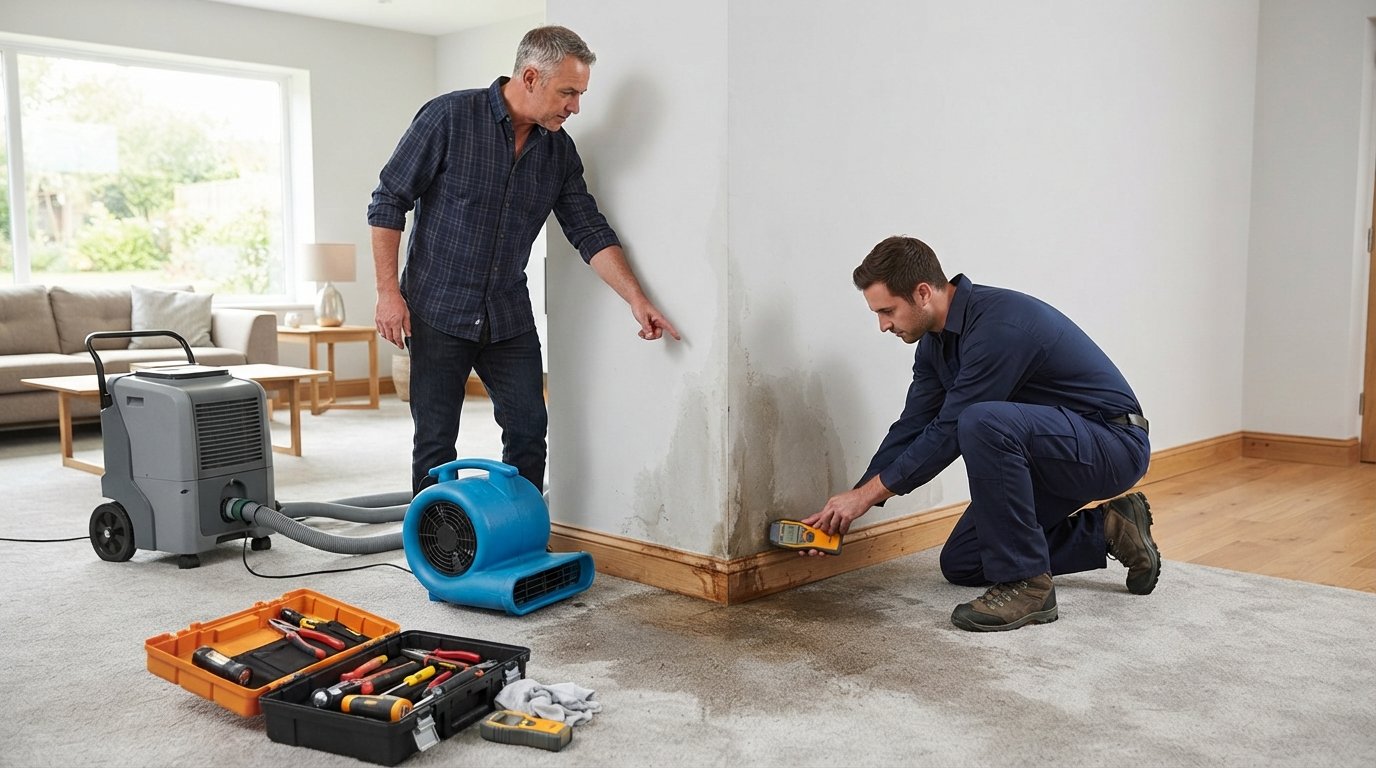
Professional restorers use industrial-grade air movers and dehumidifiers that can dry structures much faster and more effectively than household equipment. They also use moisture meters and thermal imaging cameras to detect water that has seeped into wall cavities, under flooring, or behind baseboards. This hidden moisture is a primary cause of mold growth and structural rot, and if it is not addressed, it can lead to costly repairs down the road. Furthermore, when dealing with black water or sewage, professionals have the necessary personal protective equipment and know how to disinfect and decontaminate the area safely.
Another key benefit of hiring a professional is the speed of the process. A quicker dry-out time reduces the risk of secondary damage, which can significantly lower your overall restoration costs. They also have established relationships with insurance companies and can help you navigate the claims process, providing detailed reports and documentation that are often required for a successful claim.
The Water Damage Restoration Process: A Detailed Walkthrough
When you hire a professional restoration company, they will follow a systematic process to return your home to its pre-loss condition. Understanding this process can give you peace of mind and help you know what to expect. The typical water damage restoration process involves the following key steps:
- Inspection and Assessment: The team will thoroughly inspect the affected area, identify the water source and category, and assess the extent of the damage. They will create a restoration plan and provide you with a cost estimate.
- Emergency Water Extraction: Using powerful pumps and extraction units, they will remove all standing water from your home. This step is critical to prevent further saturation and damage.
- Drying and Dehumidification: Once the standing water is gone, they will set up industrial air movers and dehumidifiers to dry the structure and materials. They will monitor the moisture levels daily to ensure everything is drying properly.
- Cleaning and Sanitizing: After drying, the team will clean and sanitize all affected surfaces and belongings. This includes removing odors, disinfecting to prevent mold and bacteria, and cleaning salvageable items.
- Restoration and Repairs: The final step involves repairing and restoring your home to its original condition. This may include replacing drywall, flooring, or even rebuilding entire sections of your home.
Throughout this process, a good restoration company will keep you informed and communicate clearly about the progress and any challenges they encounter. They will also work closely with your insurance adjuster to ensure all necessary work is covered.
How to Choose the Right Restoration Contractor
Selecting the right contractor is one of the most important decisions you will make during the restoration process. The quality of the work can affect the safety, comfort, and value of your home for years to come. Here are some key factors to consider when choosing a water damage restoration professional:
- Certifications and Licensing: Look for a company that is IICRC-certified, as this indicates they have formal training in restoration best practices. Also, verify that they are licensed and insured in your state.
- Experience and References: Ask about their experience with water damage similar to yours. A reputable company will be happy to provide references from past clients who can vouch for their work.
- Emergency Availability: Water damage does not wait for business hours. Choose a company that offers 24/7 emergency services so you can get help anytime, day or night.
- Detailed Written Estimates: A trustworthy contractor will provide a thorough, written estimate that outlines the scope of work, materials, and costs. Be wary of vague or overly quick estimates.
- Direct Billing to Insurance: Many restoration companies can bill your insurance company directly, which can simplify the financial process for you. This is a valuable service that can reduce upfront costs.
By taking the time to vet potential contractors, you can ensure that you are working with a qualified professional who will do the job right. A platform like USremodel can be an excellent resource here, as it connects you with a network of independent contractors in your area, allowing you to compare quotes and find a vetted professional who meets your needs.
Navigating the Insurance Claim Process
Filing an insurance claim for water damage can be a complex and stressful process, but it does not have to be a battle. With the right preparation and approach, you can maximize your recovery and avoid surprise bills. The most important step is to act quickly and keep meticulous records.
First, contact your insurance company as soon as possible after the damage occurs. They will guide you on the next steps and assign an adjuster to your claim. When the adjuster visits, be sure to walk them through the damage and provide them with all the documentation you have collected, including photos, videos, and your inventory list. It is also a good idea to have your restoration contractor present during the adjuster's visit. They can point out the full extent of the damage and answer technical questions, which helps ensure that the claimed amount covers all necessary work.
Be aware that your insurance policy may have specific limitations and exclusions. For example, flood damage is typically not covered under standard homeowners policies and requires separate flood insurance. Understanding your policy is crucial. Also, keep track of all your expenses, including temporary lodging if your home is uninhabitable, and any money you spend on emergency measures. These may be reimbursable under your policy's loss of use coverage. If you feel that your claim is being undervalued, you have the right to appeal the decision or hire a public adjuster to represent your interests. The goal is to get a fair settlement that allows you to fully restore your home.
Preventing Mold After Water Damage
One of the most significant long-term threats after water damage is mold. Mold can begin to grow within 24 to 48 hours in damp, warm conditions. It can cause health issues, particularly for those with allergies or respiratory conditions, and it can cause significant damage to your home's structure and air quality. Therefore, mold prevention is a critical part of the restoration process.
The key to preventing mold is to dry the affected area quickly and thoroughly. This means not just drying the visible surfaces but also the hidden spaces like wall cavities and under flooring. Professional drying equipment is essential for this task, which is another reason why hiring a professional is so important. They can ensure that the moisture is completely removed, reducing the risk of mold growth. Additionally, they can apply antimicrobial treatments to areas that were affected to inhibit mold and bacteria growth.
Even after the initial cleanup, you should be vigilant for signs of mold in the weeks and months following a water event. Look for discoloration on walls or ceilings, a musty odor, or any visible mold growth. If you notice any of these signs, it is important to address them immediately. Mold remediation is a specialized process, and you should hire a professional to handle it to ensure it is removed safely and completely.
Restoring Your Home and Peace of Mind
The final phase of water damage restoration is about more than just repairing the physical structure; it is about restoring your home and your peace of mind. Once the drying and cleaning are complete, the restoration team will begin the process of repairing and rebuilding. This can involve anything from replacing a section of drywall and repainting to completely refinishing a hardwood floor or rebuilding a kitchen. The goal is to make your home look and feel as good as it did before the damage occurred, if not better.
During this phase, it is essential to maintain open communication with your contractor and insurance company. Ensure that all the work is completed to your satisfaction before you sign off on the final payment. Take the time to inspect the work carefully and address any concerns you have. A reputable contractor will stand behind their work and make things right if you are not happy. Once the restoration is complete, you can begin to move forward, having learned from the experience and taken steps to protect your home for the future.
Water damage is a challenging event, but it is not the end of the world. With a clear plan, the right professional help, and a proactive approach, you can successfully navigate the restoration process and bring your home back to life. The key is to act quickly, work with trusted experts, and understand your rights and responsibilities. By doing so, you will not only restore your property but also your confidence in your ability to handle life's unexpected challenges.
Learn more about Water Damage Cleanup and Restoration for guides, costs, and what to expect.
Compare Water Damage Cleanup and Restoration Pros Near You
Enter your ZIP code to compare top-rated local professionals and request free quotes.