
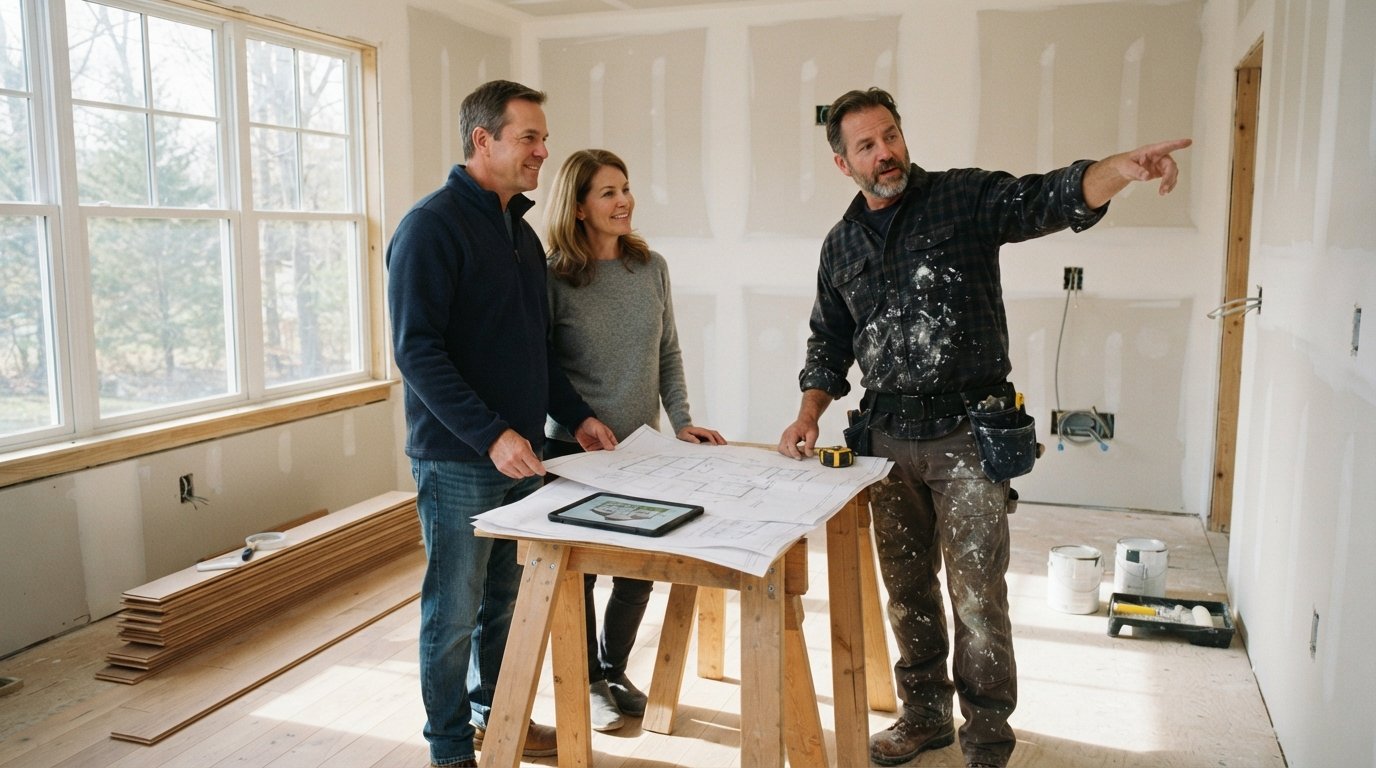
US Home Improvement: Smart Renovation Planning for 2026
Smart US home improvement planning for 2026: learn budgeting, contractor selection, and financing to ensure a smooth renovation.
By Jessica Reis
Learn more about Home Remodeling for guides, costs, and what to expect.
Compare Home Remodeling Pros Near You

Enter your ZIP code to compare top-rated local professionals and request free quotes.
Home improvement projects can feel overwhelming, especially when you are juggling budgets, timelines, and the search for trustworthy contractors. Across the United States, homeowners are tackling everything from kitchen remodels to roof replacements, and the difference between a smooth project and a stressful one often comes down to planning. This guide walks you through the essential steps of US home improvement, helping you make confident decisions and avoid common pitfalls. Whether you are updating a single bathroom or planning a whole-house renovation, the right approach can save you time, money, and a lot of headaches.
Why Strategic Planning Matters in US Home Improvement
The landscape of home renovation in the United States has changed dramatically over the past few years. Supply chain issues, fluctuating material costs, and a competitive contractor market have made it more important than ever to approach projects with a clear strategy. Homeowners who jump straight into demolition without a solid plan often face budget overruns and extended timelines. A thoughtful planning phase helps you define your goals, understand your limits, and set realistic expectations from the start.
Another reason planning matters is the sheer variety of projects that fall under the umbrella of US home improvement. From window replacement and solar panel installation to bathroom remodeling and HVAC upgrades, each project has unique requirements. A strategic approach ensures you are not just reacting to problems but proactively improving your home's value, comfort, and efficiency. For example, knowing whether to prioritize energy-efficient upgrades over aesthetic changes can have a significant impact on your long-term satisfaction and utility bills.
Key Factors to Consider Before Starting a Renovation
Before you contact any contractor or visit a showroom, take time to evaluate your home's current condition and your personal priorities. Start by asking yourself what you want the project to achieve. Are you looking to increase resale value, improve daily functionality, or address urgent repairs? Your answer will shape every decision that follows. For instance, a family growing in size might need a bathroom addition, while a couple planning to sell might focus on kitchen updates that appeal to buyers.
You also need to consider the age and condition of your home's major systems. If your roof is nearing the end of its lifespan, it makes little sense to invest in luxury interior finishes before addressing that critical issue. Similarly, outdated electrical panels or plumbing can derail a renovation if not handled first. A professional inspection can reveal hidden problems, allowing you to budget for unexpected repairs rather than being blindsided later.
Finally, think about how long you plan to stay in your home. Short-term homeowners should focus on cost-effective upgrades with high return on investment, while long-term residents can afford to invest in features that enhance daily living. This distinction helps you avoid over-improving for your neighborhood or under-investing in your own comfort.
The Role of Budgeting in Project Success
Your budget is the backbone of any successful home improvement project. A realistic budget accounts not only for materials and labor but also for permits, inspections, and a contingency fund of at least 10 to 20 percent. Unexpected issues, such as hidden water damage or structural problems, are common once walls are opened up. Without a buffer, these surprises can stall your project or force you to make compromises you did not anticipate.
When setting your budget, get detailed quotes from multiple contractors. This not only gives you a sense of market rates but also helps you identify what each contractor includes in their pricing. Some may offer lower quotes but exclude essential services like debris removal or permit fees. Always ask for a line-item breakdown so you can compare apples to apples. This is where a lead generation platform like USremodel can be invaluable, as it connects you with several independent contractors who can provide customized quotes tailored to your project scope.
Popular Home Improvement Projects and Their Benefits
Homeowners across the U.S. frequently pursue a core set of projects, each with distinct benefits. Understanding these can help you prioritize and decide where to invest your renovation dollars.
- Bathroom remodeling: Enhances daily comfort and can recoup around 60-70% of costs at resale, making it a popular choice for both personal enjoyment and value.
- Window replacement: Improves energy efficiency, reduces outside noise, and can lower heating and cooling bills significantly.
- Roofing: Protects your home from the elements, boosts curb appeal, and is essential for preventing costly water damage.
- Flooring updates: Transforms the look and feel of any room and offers a strong return on investment, especially with hardwood or luxury vinyl plank.
- HVAC upgrades: Increases comfort, improves indoor air quality, and reduces energy consumption, particularly with modern high-efficiency systems.
Each project carries its own set of considerations. Bathroom remodels, for example, require careful attention to waterproofing and ventilation to avoid mold issues. Window replacement involves choosing the right frame material and glass coating for your climate. Roofing projects demand a thorough assessment of your existing structure and local weather patterns. Taking the time to research these details ensures you get the most out of your investment.
Beyond the immediate benefits, many of these projects contribute to a home's overall sustainability. Energy-efficient windows, solar panels, and upgraded insulation not only lower monthly bills but also increase your property's appeal to environmentally conscious buyers. These upgrades align with broader trends in US home improvement, where homeowners are increasingly looking for ways to reduce their carbon footprint while enhancing comfort.
How to Choose the Right Contractor for Your Project
Selecting the right contractor is arguably the most critical decision you will make during your renovation journey. A skilled professional can bring your vision to life, while a poor choice can lead to shoddy workmanship and legal disputes. Start by seeking recommendations from friends, family, and neighbors who have completed similar projects. Online reviews and ratings on platforms like the Better Business Bureau also provide valuable insights into a contractor's reputation.
Once you have a shortlist, verify that each contractor is licensed, insured, and bonded. Licensing requirements vary by state, so check with your local licensing board to ensure compliance. Insurance is non-negotiable, as it protects you from liability if a worker is injured on your property. Bonding provides an additional layer of protection, covering you if the contractor fails to complete the job or pay subcontractors.
During interviews, ask about their experience with projects similar to yours and request references from recent clients. A reputable contractor will be happy to share this information. Also, pay attention to how they communicate. Do they listen to your concerns? Do they offer clear explanations of the process and timeline? Good communication is essential for a smooth project, so choose someone who makes you feel comfortable and informed.
Financing Your Home Improvement Project
Not every homeowner has cash on hand to fund a major renovation, and that is perfectly normal. Understanding your financing options can make the difference between delaying a project and moving forward with confidence. Here are a few common paths to consider:
- Home equity loans: Fixed-rate loans that use your home as collateral, ideal for large projects with predictable costs.
- HELOCs (Home Equity Lines of Credit): Revolving credit lines with variable rates, offering flexibility for ongoing or phased projects.
- Cash-out refinancing: Replacing your mortgage with a larger loan and taking the difference in cash, useful for major renovations that increase home value.
- Personal loans: Unsecured loans with higher interest rates, best for smaller projects or those needing quick funding.
- Contractor financing: Some contractors offer payment plans or partner with lenders to provide financing options.
Each option has pros and cons. Home equity loans and HELOCs typically offer lower interest rates but require sufficient equity and a good credit score. Cash-out refinancing can lower your monthly payments if you secure a lower mortgage rate, but it also resets your loan term and may involve closing costs. Personal loans are easier to obtain but come with higher rates. Contractor financing can be convenient, but it is essential to read the terms carefully to avoid hidden fees or high APRs.
Before committing to any financing method, calculate the total cost of borrowing and ensure that your monthly payments fit comfortably within your budget. If you are financing a project that increases your home's value, consider how that equity will benefit you in the long run. A well-planned renovation should enhance your financial position, not strain it.
The Value of Professional Guidance and Free Quotes
Navigating the complexities of a renovation can be daunting, but you do not have to do it alone. Professional guidance from experienced contractors can save you from costly mistakes and provide peace of mind. Contractors bring technical expertise, knowledge of local building codes, and established relationships with suppliers and subcontractors. They can recommend materials that fit your budget and lifestyle, and they can anticipate challenges before they become major issues.
One of the smartest moves you can make is to leverage free quote services to compare options. Platforms like USremodel streamline this process by connecting you with multiple independent contractors in your area. Instead of spending hours researching and calling individual businesses, you can submit one request and receive customized quotes from several pros. This approach not only saves time but also gives you leverage to negotiate better pricing and terms.
When you receive quotes, take the time to review them thoroughly. Look beyond the bottom line and consider the scope of work, materials specified, and projected timeline. A slightly higher quote may include higher-quality materials or a more comprehensive warranty, offering better value in the long run. Ask questions about anything that seems unclear, and do not hesitate to request clarification on line items.
Trends Shaping US Home Improvement in 2026
As we move through 2026, several trends are defining the world of home improvement in the United States. One major theme is sustainability. Homeowners are increasingly opting for eco-friendly materials, energy-efficient appliances, and renewable energy sources like solar panels. These upgrades not only reduce environmental impact but also lower utility costs, making them attractive from both an ethical and financial standpoint.
Another trend is the rise of smart home technology. From smart thermostats and lighting to advanced security systems, integrating technology into renovations is becoming standard. These features add convenience and can increase a home's appeal to tech-savvy buyers. When planning your project, consider how smart upgrades can complement your design and improve daily living.
Multigenerational living is also influencing renovation choices. More families are creating spaces that accommodate aging parents or adult children, such as in-law suites, main-floor bedrooms, and accessible bathrooms. These adaptations require thoughtful design and often involve structural changes, so working with experienced contractors is crucial.
Finally, there is a growing emphasis on outdoor living spaces. Decks, patios, and outdoor kitchens extend the usable square footage of a home and provide additional areas for relaxation and entertainment. These projects range from simple deck additions to elaborate outdoor kitchens with built-in grills and fire pits, offering endless possibilities for customization.
Steps to a Successful Home Improvement Journey
Embarking on a renovation can be exciting, but you need a clear roadmap to ensure success. Here is a step-by-step approach to guide you from concept to completion.
- Define your goals: Write down what you want to achieve, prioritizing must-haves and nice-to-haves. This clarity will guide all subsequent decisions.
- Set a realistic budget: Determine how much you can comfortably spend, including a contingency fund for unexpected issues.
- Research and plan: Gather inspiration, research materials, and understand the scope of work. Create a detailed plan with your contractor.
- Get multiple quotes: Use a platform like USremodel to connect with several contractors and obtain free, customized quotes.
- Hire the right professional: Verify licenses, insurance, and references. Choose a contractor who communicates well and aligns with your vision.
- Monitor progress: Stay involved throughout the project. Regularly check in with your contractor and address any concerns promptly.
- Celebrate and maintain: Once the project is complete, perform regular maintenance to protect your investment and enjoy your updated space.
Following these steps can significantly reduce stress and increase the likelihood of a positive outcome. Remember that good planning is not about eliminating all surprises; it is about being prepared to handle them when they arise.
In the world of US home improvement, knowledge is power. The more you understand about your project, your financing options, and your contractor, the better equipped you are to make decisions that benefit your home and your family. With the right team and a solid plan, your renovation can transform your living space and add lasting value to your property.
Learn more about Home Remodeling for guides, costs, and what to expect.
Compare Home Remodeling Pros Near You
Enter your ZIP code to compare top-rated local professionals and request free quotes.