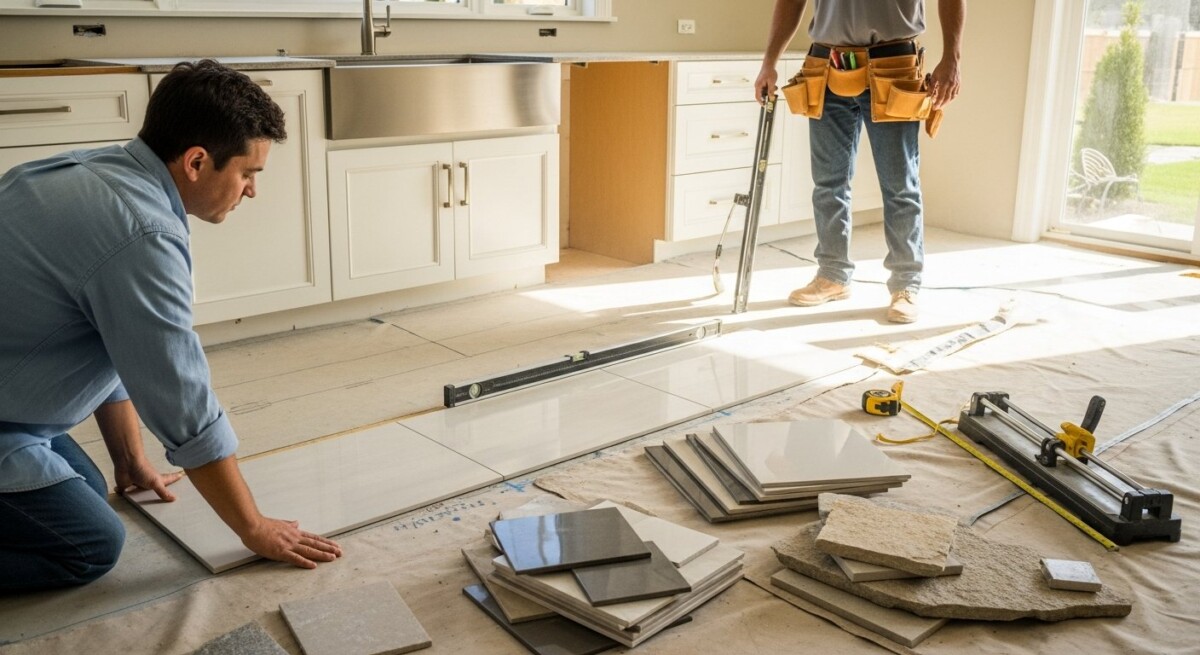
Partial Remodel vs Full Renovation: What Homeowners Need to Know
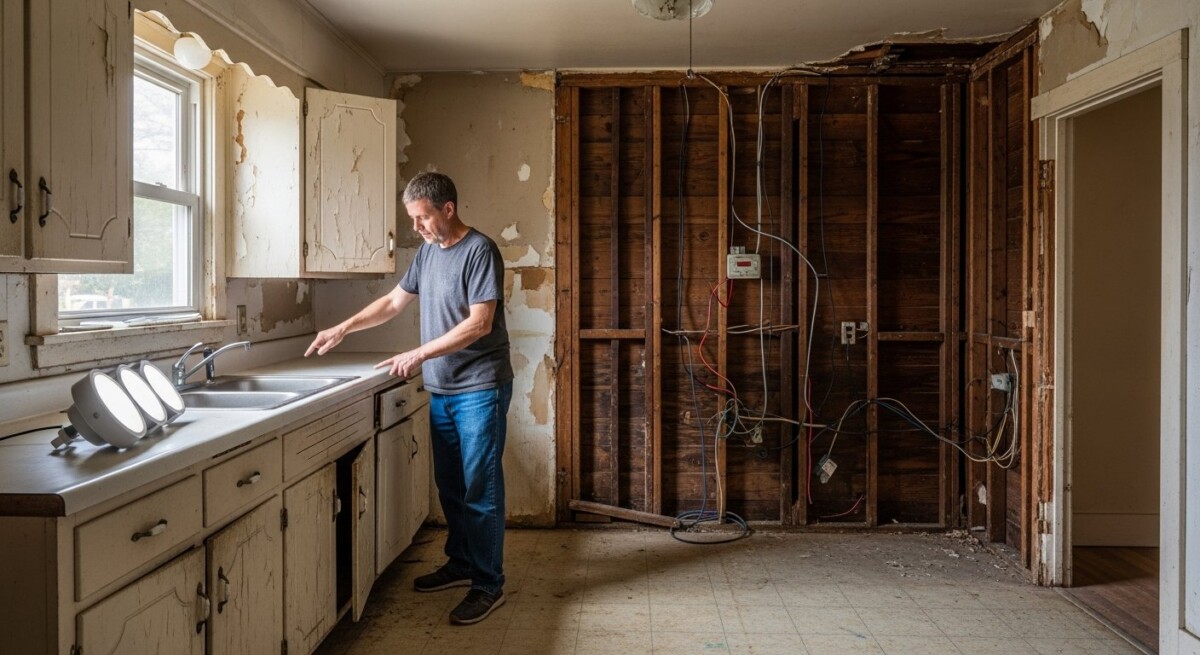
You walk into your kitchen one morning and notice the cabinet door is hanging crooked. The paint on the backsplash is starting to peel, and the faucet has a slow drip you’ve been ignoring for months. It feels small,annoying, but not urgent. Then you wonder: should you just fix that cabinet and call it a day, or is it finally time to gut the whole room? This is the classic dilemma of a partial remodel vs full renovation. Many homeowners discover this question when a minor repair suddenly reveals deeper issues,water damage behind the drywall, outdated wiring, or a floor plan that no longer works. Ignoring that choice can lead to rushed decisions, wasted money, or even safety hazards down the road.
Understanding Partial Remodel vs Full Renovation
A partial remodel focuses on one or two specific areas of a room,replacing countertops, updating lighting, or refacing cabinets. You keep the existing layout and most of the structure. A full renovation, on the other hand, involves tearing out everything and starting over. Walls may move, new plumbing is installed, and every surface is replaced.
Homeowners typically choose a partial remodel when their budget is limited or when the room is still functional but looks outdated. Full renovations happen when the space no longer meets your needs,think cramped bathrooms, inefficient kitchens, or homes with structural issues. Older homes (built before the 1980s) are more likely to need full renovations because of aging systems, but even newer houses can benefit from a targeted partial update.
Which Approach Fits Your Home?
There is no one-size-fits-all answer. A partial remodel works well if your floor plan is solid, your fixtures are in good condition, and you just want a fresh look. Full renovation makes sense when you need to improve functionality, fix hidden damage, or increase resale value. The key is understanding what you’re trying to solve,cosmetic updates or fundamental problems.
Why This Matters for Your Home
Choosing between a partial remodel and full renovation directly affects your home’s safety, comfort, and long-term value. A partial approach that ignores underlying issues,like old wiring or a leaking pipe,can lead to costly repairs later. A full renovation that removes everything might solve one problem but create budget strain if you didn’t plan carefully.
Delaying this decision also has consequences. Small leaks become big mold problems. Outdated electrical panels pose fire risks. An inefficient layout wastes energy and makes daily life harder. The longer you wait, the more expensive the fix becomes,and the less enjoyable your home feels.
If you notice signs of this issue in your home, it may help to speak with a qualified contractor. Request a free quote or call to explore your repair or remodeling options.
Common Problems Homeowners Experience
Homeowners often wrestle with the partial vs full decision when they face specific, visible problems. A cracked tile floor might seem like a simple replacement, but pulling up that tile could reveal water-damaged subflooring. Updating just the vanity in a bathroom might look great, but the old plumbing behind the wall could fail a year later.
These problems show up in predictable ways. You might notice that your home feels dated but still works fine. Or you might discover that a “quick fix” takes longer than expected once the contractor starts digging. The most common issues include:
- Visible wear and tear , peeling paint, cracked grout, worn countertops
- Performance problems , poor water pressure, drafty windows, uneven flooring
- Structural concerns , sagging ceilings, doors that stick, cracks in walls
- Aging materials , 20-year-old carpet, original 1970s cabinets, outdated light fixtures
- Layout frustrations , tight kitchen work triangles, small bathrooms that feel cramped
- Hidden damage , mold behind walls, rotting wood, old wiring that trips breakers
How Professionals Solve the Problem
Experienced contractors approach the partial remodel vs full renovation question by starting with a thorough inspection. They look for the root cause of your problem,not just the symptom. If a cabinet door is loose, a pro checks whether the hinge is worn or if the cabinet box itself is failing. That small inspection determines whether you need a $50 hinge or a new cabinet system.
Here is the typical process a contractor follows to solve your remodeling challenge:
- On-site assessment , The contractor inspects the area, checks for hidden damage, and evaluates the condition of surrounding systems (plumbing, electrical, structure).
- Scope discussion , Together, you decide whether a partial remodel meets your goals or if a full renovation is more cost-effective long-term.
- Material and design selection , The pro helps you choose materials that fit your budget and match your home’s style, avoiding over-improvement.
- Permitting and planning , For full renovations, the contractor handles permits and coordinates with city inspectors to ensure code compliance.
- Professional execution , Skilled tradespeople complete the work efficiently, often in less time than a DIY attempt, with warranties on labor and materials.
Professional work is safer and more reliable because contractors carry insurance, know local building codes, and have experience avoiding common mistakes. DIY partial remodels can leave you with mismatched materials or incomplete fixes that cost more to correct later.
A professional inspection can reveal hidden issues before they become expensive repairs. Compare contractor quotes here or call to discuss your project.
Warning Signs You Should Not Ignore
Your home gives you clues when a partial remodel won’t cut it,or when a full renovation is overkill. Learning to spot these signs early saves you money and stress. For example, if your bathroom tile is loose but the subfloor feels solid, a partial remodel (retiling) might work. But if you step on the floor and it feels spongy, you likely have rot below,meaning a full renovation is necessary.
Pay attention to these warning signs in your home:
- Water stains or musty odors , These often indicate leaks behind walls or under floors that require full access to repair.
- Frequent electrical issues , Breakers tripping, flickering lights, or warm outlets suggest outdated wiring that should be replaced entirely.
- Cracks in walls or ceilings , Hairline cracks may be cosmetic, but wider cracks or those that run diagonally point to foundation movement.
- Outdated fixtures that don’t match , If your home has a mix of 1980s fixtures and modern ones, a partial remodel can create a cohesive look without full demolition.
- Doors or windows that stick , This signals shifting foundations or swelling frames, which may require structural work during a renovation.
- Rooms that feel uncomfortable , Poor insulation, drafty windows, or uneven temperatures suggest the need for energy-efficiency upgrades that often fit best in a full renovation.
What Affects the Cost of Repairs or Installation
Cost is the biggest factor in the partial remodel vs full renovation decision. Several variables influence what you’ll pay. The size of the project matters most,a partial kitchen remodel (new countertops, sink, and faucet) might cost $5,000,$15,000, while a full kitchen gut job can run $25,000,$75,000 or more depending on materials and layout changes.
Materials also drive cost. Standard laminate countertops cost far less than quartz or granite. Custom cabinetry is more expensive than stock cabinets. Labor rates vary by region, with urban areas typically charging higher rates. The age of your home adds complexity: older houses often have non-standard sizes, outdated wiring, or asbestos that requires special handling, all of which increase costs.
Accessibility matters too. A bathroom on the second floor costs more to remodel than one on the ground floor because materials and debris must be carried up and down. If you’re doing a full renovation, you may also need to budget for temporary housing or eating out during construction.
Costs can vary depending on the condition of your home. The best way to know the price is to get a personalized estimate. Request free quotes from contractors or call today.
How to Choose the Right Contractor
Whether you decide on a partial remodel or a full renovation, the contractor you hire makes all the difference. A good contractor helps you navigate the decision, avoids costly mistakes, and finishes on time. A bad one can turn a simple project into a nightmare.
Here are practical tips for selecting the right professional for your project:
- Check licenses and insurance , Verify that the contractor is licensed in your state and carries liability insurance and workers’ compensation. This protects you if something goes wrong.
- Read customer reviews , Look for recent reviews on Google, Yelp, or the Better Business Bureau. Pay attention to how the contractor handles complaints.
- Ask for detailed estimates , A professional quote should itemize materials, labor, permits, and timelines. Avoid contractors who give vague verbal estimates.
- Compare multiple quotes , Get at least three quotes from different contractors. This helps you understand the market rate and spot unusually high or low bids.
- Confirm experience with similar projects , Ask for photos or references from past partial remodels or full renovations that match your scope. Experience matters more than general handyman skills.
Long-Term Benefits of Professional Work
Investing in professional remodeling,whether partial or full,delivers benefits that last for years. Safety improves because professionals bring everything up to current code. Durability increases because they use proper installation techniques and quality materials. Energy efficiency often improves, especially in full renovations where insulation, windows, and HVAC systems can be upgraded.
Home value also gets a boost. A well-executed kitchen or bathroom remodel recovers 60,80% of its cost at resale, according to industry data. Partial remodels can offer even better return on investment if you focus on high-impact updates like new countertops, fresh paint, and modern lighting.
Perhaps the biggest benefit is peace of mind. You know the work was done right, with permits and inspections where needed. Future maintenance problems are less likely, and if something does go wrong, you have a contractor to call,not a stack of YouTube tutorials and a half-finished job.
Frequently Asked Questions
What is the difference between a partial remodel and a full renovation?
A partial remodel updates specific elements of a room without changing the layout or structure,for example, replacing countertops and painting cabinets. A full renovation involves gutting the space, moving walls, replacing all finishes, and often upgrading plumbing, electrical, and HVAC systems.
How do I decide between a partial remodel and a full renovation?
Consider your goals, budget, and the condition of your home. If your space is functional but outdated, a partial remodel may be enough. If you have layout problems, hidden damage, or old systems, a full renovation is usually the better long-term investment.
Is a partial remodel cheaper than a full renovation?
Yes, generally a partial remodel costs less upfront because you’re replacing fewer materials and making fewer structural changes. However, a full renovation may save money in the long run if it addresses underlying issues that would otherwise require future repairs.
Can I do a partial remodel myself to save money?
Simple cosmetic updates like painting or changing hardware are safe DIY projects. But tasks involving plumbing, electrical work, or structural changes should be done by a licensed professional to avoid safety risks and code violations.
How long does a partial remodel take compared to a full renovation?
A partial remodel typically takes 1,3 weeks, depending on the scope. A full renovation can take 4,12 weeks or more, especially if permits are required or if the project involves moving walls or replacing systems.
Will a partial remodel increase my home’s value?
Yes, but the increase depends on which elements you update. Kitchens and bathrooms offer the highest return. Updating countertops, cabinets, and fixtures in these rooms can add significant value without the cost of a full renovation.
What are the risks of ignoring the partial vs full decision?
Delaying can lead to hidden damage worsening,mold spreading, leaks causing rot, or electrical issues becoming fire hazards. It can also make future renovations more expensive because you’ll have to fix the original problem plus the damage it caused.
Do I need a permit for a partial remodel?
It depends on your local building codes and the scope of work. Cosmetic changes usually don’t require permits, but any work involving plumbing, electrical, or structural changes does. A professional contractor can advise you on what’s needed.
Every home has unique needs. The right choice between a partial remodel and a full renovation depends on your specific situation, budget, and goals. Addressing the decision early,before small problems grow,saves you time, money, and frustration. Start by comparing contractor quotes to see what’s possible for your home.