Next Generation Home Renovation: Smart Solutions for Modern Homeowners
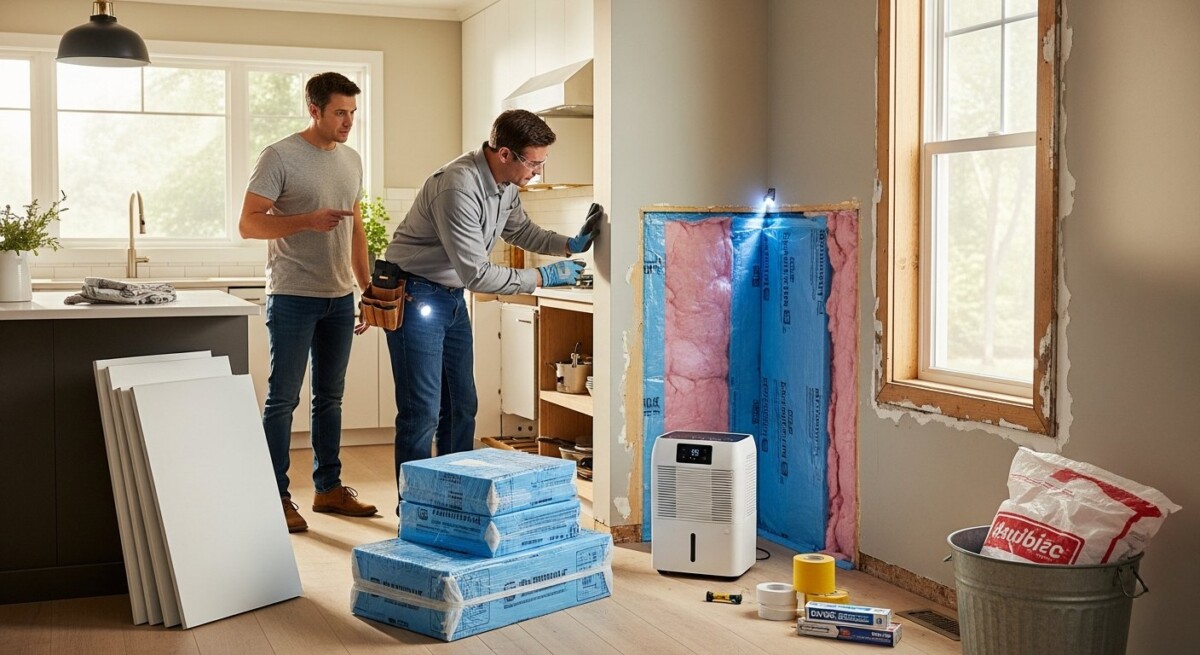
You walk into your kitchen one morning and notice the cabinets don’t close quite right. The paint on the window trim is starting to peel. Or maybe the basement feels damp even though it hasn’t rained in days. These small signs are easy to brush off. But they often point to deeper issues that, if ignored, can turn into expensive, disruptive problems. Welcome to the reality of next generation home renovation,a smarter, more efficient way to update your home that focuses on long-term value, safety, and comfort rather than just cosmetic fixes.
Understanding Next Generation Home Renovation
Next generation home renovation is not about following trends or adding the latest gadgets. It is a practical, forward-thinking approach to improving your home. It means using modern materials, energy-efficient systems, and proven construction techniques that make your home more durable, comfortable, and cost-effective to maintain.
Why does this matter now? Homes built even 15 to 20 years ago often lack the insulation, moisture control, and structural reinforcements that today’s building science recommends. As homes settle and materials age, problems like drafts, water intrusion, and uneven temperatures become common. Next generation renovation addresses these root causes rather than just covering them up.
Homes most affected include older properties (pre-2000), houses in regions with extreme weather, and homes that have had multiple quick-fix renovations in the past. If your home falls into any of these categories, a next generation approach can save you thousands in future repairs.
Why This Matters for Your Home
Ignoring the signs that your home needs a modern renovation is like ignoring a small crack in your foundation. That crack can grow, allowing moisture to seep in, weakening the structure, and creating a perfect environment for mold. The result? A repair that costs five to ten times more than what early action would have required.
Safety is another major concern. Outdated electrical systems, worn roofing, and aging plumbing can lead to fires, leaks, or structural failures. Next generation renovation replaces these risks with code-compliant, durable systems that protect your family.
Comfort also suffers. Drafty rooms, high energy bills, and rooms that never feel quite right are signs that your home’s envelope,walls, windows, insulation,is underperforming. A modern renovation fixes these issues, making your home more enjoyable and affordable to live in every day.
If you notice signs of this issue in your home, it may help to speak with a qualified contractor. Request a free quote or call to explore your repair or remodeling options.
Common Problems Homeowners Experience
Homeowners often discover these problems gradually. Maybe the heating bill keeps climbing despite no change in usage. Or you notice a musty smell in the basement after rain. Perhaps the floors creak in spots that never used to. These are not just annoyances,they are clues that your home needs a next generation renovation.
In older homes, common issues include inadequate insulation, single-pane windows, and outdated HVAC systems that struggle to maintain consistent temperatures. In homes that have had quick renovations, the problems often involve improper sealing, low-quality materials, or hidden water damage behind new surfaces.
- Peeling paint or wallpaper, especially near windows or bathrooms
- Drafty rooms or uneven temperatures from room to room
- Higher-than-normal energy bills
- Musty smells or visible mold in basements, attics, or crawl spaces
- Doors or windows that stick or don’t close properly
- Gaps around windows, doors, or baseboards
How Professionals Solve the Problem
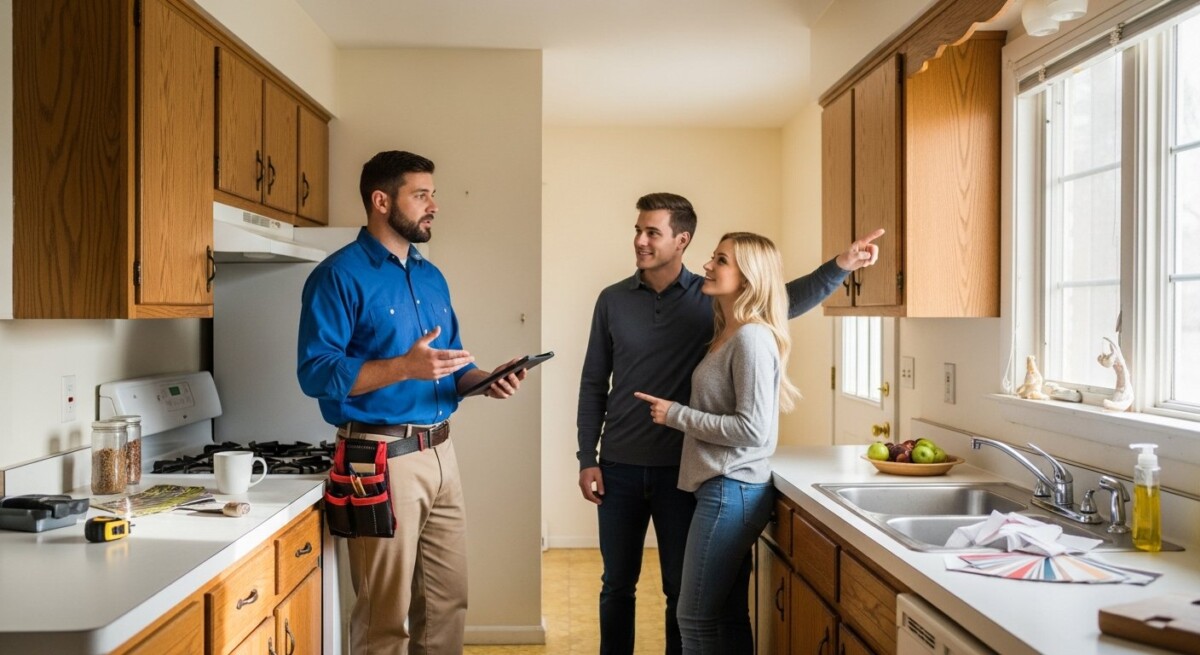
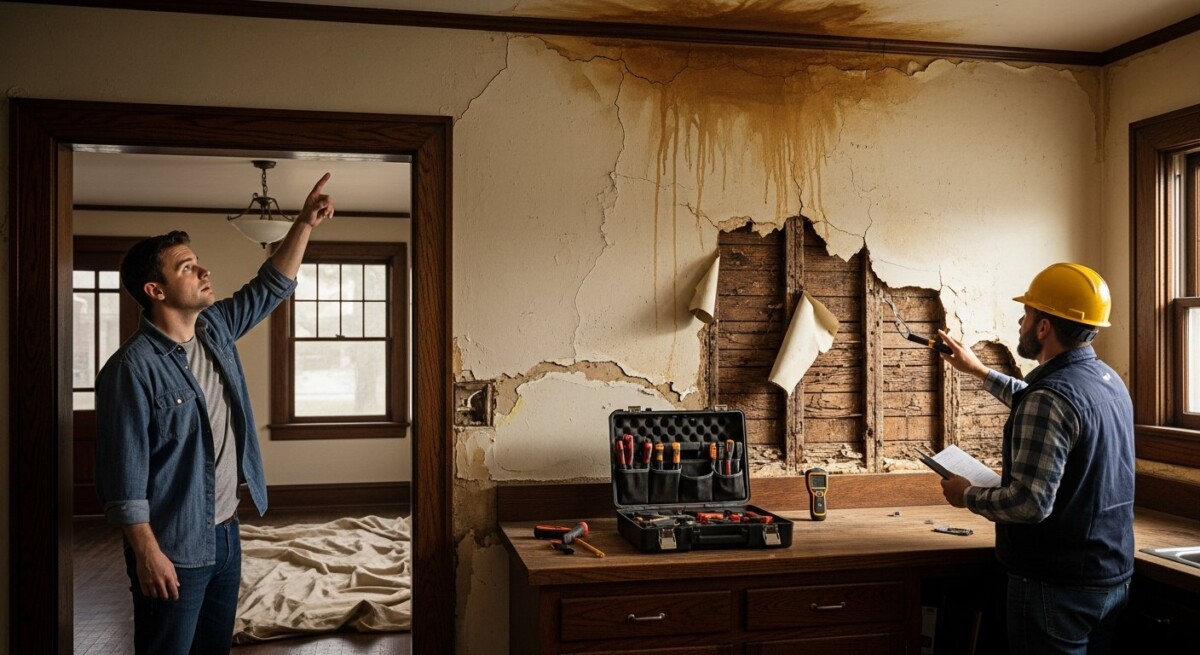
Professional contractors bring experience and tools that most homeowners simply don’t have. They start with a thorough inspection to identify not just the visible problem but the underlying cause. For example, peeling paint might be a sign of moisture behind the wall, not just a bad paint job.
Once the issue is diagnosed, professionals follow a systematic process to ensure the repair is permanent and safe. This approach saves you time, money, and frustration compared to DIY fixes that often fail or create new problems.
- Inspection and diagnosis , The contractor checks for moisture, structural issues, and code compliance.
- Material selection , Modern, energy-efficient, and moisture-resistant materials are chosen for durability.
- Proper preparation , Old materials are removed, surfaces are cleaned, and any hidden damage is repaired.
- Installation or construction , Work is done to current building codes, ensuring safety and longevity.
- Final inspection and cleanup , The contractor tests everything, ensures proper function, and leaves the site clean.
Professional work is almost always safer and more reliable than DIY. Contractors carry insurance, know local codes, and have access to specialized tools. They also guarantee their work, giving you peace of mind that the job is done right.
A professional inspection can reveal hidden issues before they become expensive repairs. Compare contractor quotes here or call to discuss your project.
Warning Signs You Should Not Ignore
Your home gives you warning signs long before a major failure happens. Learning to recognize them can save you thousands of dollars and a lot of stress. The key is to act early, when the problem is small and the fix is simple.
For example, a small water stain on the ceiling might mean a slow roof leak. If caught early, a patch and seal might cost a few hundred dollars. If ignored, that same leak can rot the roof deck, damage insulation, and lead to mold remediation,a repair that can run into the thousands.
- Water stains, discoloration, or bubbling paint on ceilings or walls
- Unusual sounds like creaking, dripping, or humming from walls or floors
- Higher utility bills without a change in usage
- Persistent odors, especially musty or moldy smells
- Visible cracks in walls, ceilings, or foundation
- Windows or doors that are difficult to open, close, or latch
What Affects the Cost of Repairs or Installation
Costs for a next generation renovation vary widely depending on your home’s condition, the scope of work, and your location. A small bathroom remodel might cost $8,000 to $15,000, while a full kitchen renovation can run $25,000 to $50,000 or more. The key is understanding what drives the price.
Major cost factors include the size of the project, the materials you choose (standard vs. premium), labor rates in your area, and how accessible the work area is. Older homes often require additional structural work, bringing hidden costs that a professional will identify during the estimate phase.
Getting multiple quotes is the best way to understand fair pricing. A contractor who gives a low ball estimate may be cutting corners on materials or insurance. A high estimate might include premium materials or unnecessary work. Comparing quotes helps you find the right balance of quality and cost.
Costs can vary depending on the condition of your home. The best way to know the price is to get a personalized estimate. Request free quotes from contractors or call today.
How to Choose the Right Contractor
Choosing the right contractor is just as important as choosing the right renovation plan. A good contractor will communicate clearly, provide a detailed written estimate, and help you understand what to expect. A bad contractor can turn even a simple project into a nightmare.
Start by asking for recommendations from neighbors or friends who have had similar work done. Then, research online and read reviews. Once you have a shortlist, interview each contractor and ask for references from recent projects.
- Check that the contractor is licensed, bonded, and insured in your state.
- Read customer reviews on platforms like Google, Yelp, or the Better Business Bureau.
- Ask for a detailed written estimate that lists materials, labor, and timeline.
- Get at least three quotes to compare pricing and scope.
- Confirm the contractor has experience with the specific type of renovation you need.
Taking the time to vet contractors upfront will save you stress and money later. A professional who is transparent and communicative is worth every penny.
Long-Term Benefits of Professional Work
Investing in a next generation home renovation offers returns that go far beyond the initial project. Your home becomes safer, more comfortable, and more valuable. You also reduce the likelihood of expensive emergency repairs down the road.
Energy efficiency is one of the biggest long-term benefits. Modern insulation, windows, and HVAC systems can cut your energy bills by 20 to 30 percent. Over a few years, those savings can offset the cost of the renovation itself.
Durability is another major advantage. Professional-grade materials and proper installation mean your renovation will last for decades, not just a few years. And when it comes time to sell, a well-documented, professional renovation can increase your home’s resale value significantly,often by more than the cost of the project.
Is next generation home renovation worth the investment?
Yes, in most cases. It improves safety, comfort, and energy efficiency while increasing your home’s value. The key is to focus on projects that address real problems rather than cosmetic upgrades alone. A professional contractor can help you prioritize the work that gives you the best return.
How long does a typical renovation take?
It depends on the scope. A bathroom remodel might take 2 to 4 weeks, while a full kitchen renovation can take 6 to 12 weeks. Larger projects like whole-house renovations can take several months. Your contractor should provide a realistic timeline based on your specific project.
Do I need a permit for my renovation?
Most significant renovations,especially those involving electrical, plumbing, or structural changes,require a permit from your local building department. Professional contractors handle this for you as part of their service, ensuring the work is inspected and meets code.
Can I stay in my home during the renovation?
For smaller projects like a bathroom or kitchen update, you can usually stay in the home. For major renovations involving multiple rooms or structural work, it may be more practical to stay elsewhere for part of the project. Discuss this with your contractor during planning.
What is the difference between a remodel and a renovation?
A remodel changes the structure or layout of a space, while a renovation focuses on restoring or updating existing fixtures and finishes. Both can be part of a next generation approach, but a renovation is often more cost-effective for addressing functional issues.
How do I know if a contractor is reputable?
Look for clear communication, a physical business address, positive online reviews, and willingness to provide references. A reputable contractor also offers a detailed written contract and does not ask for full payment upfront. Trust your instincts,if something feels off, get another quote.
Will a renovation increase my property taxes?
It can, if the renovation significantly increases your home’s assessed value. However, the increase in value often outweighs the tax impact. Check with your local tax assessor’s office for specific rules in your area.
What should I look for in a renovation contract?
A good contract includes a detailed description of the work, materials list, payment schedule, timeline, and warranty information. It should also outline how change orders (unexpected changes) will be handled. Never sign a contract with blank spaces or vague terms.
Your home is one of your biggest investments, and it deserves care that matches its importance. Next generation home renovation is about making smart, lasting improvements that protect your family, your comfort, and your financial future. Address issues early, work with qualified professionals, and always compare quotes before starting a project. The few hours you spend researching now can save you thousands of dollars and years of stress later.