
How Home Remodeling Works: A Step-by-Step Guide for Homeowners
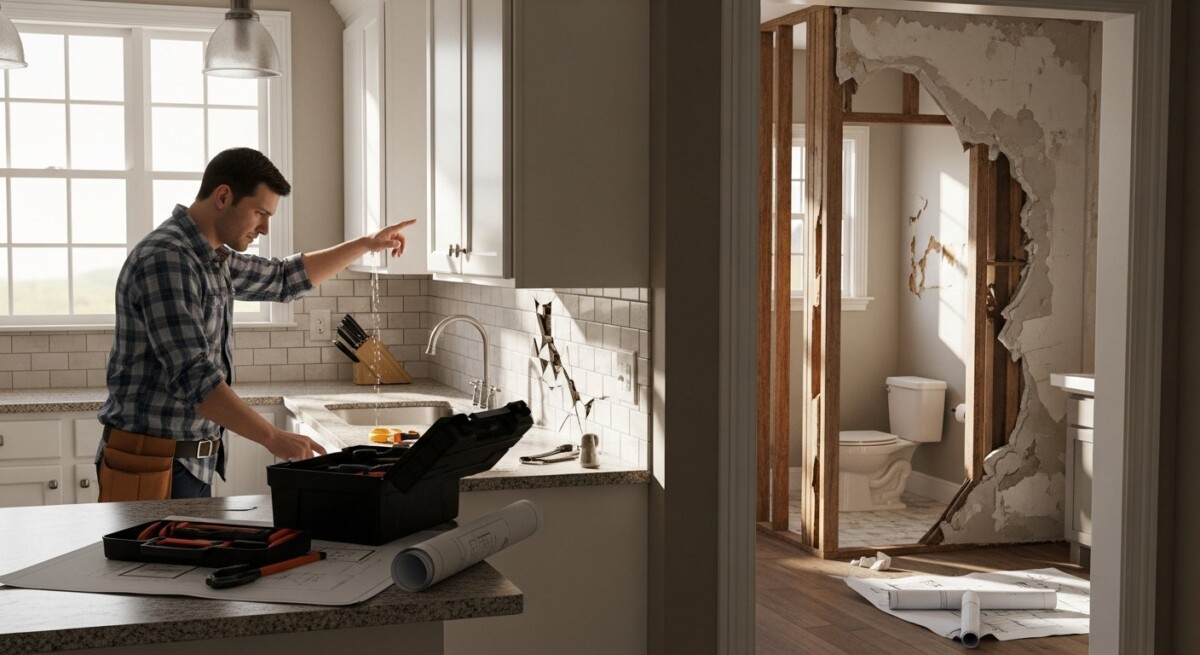
You walk into your kitchen one morning and notice the faucet drips a little faster than it did yesterday. Or maybe you finally admit that the cracked bathroom tile has been bothering you for months. These small signs often mark the beginning of a larger question: how home remodeling works and whether it’s time to take action.
Many homeowners discover the need for remodeling gradually. A room feels outdated, a fixture starts failing, or a space no longer meets the family’s needs. What starts as a minor annoyance can lead to bigger issues like water damage, reduced home value, or safety hazards if ignored.
Understanding how home remodeling works helps you make confident decisions. Whether you’re planning a full renovation or a targeted repair, knowing the process saves time, money, and stress.
Understanding How Home Remodeling Works
Home remodeling is the process of updating, repairing, or transforming parts of your home. It can range from small projects like replacing countertops to whole-house renovations that change floor plans and systems. The goal is to improve functionality, appearance, and value.
Remodeling happens for many reasons. Homes age, materials wear out, and families grow or change. Sometimes a homeowner wants to fix a problem like a leaky roof or drafty windows. Other times they want to create a more enjoyable living space. For a deeper look at what remodeling involves, our guide on what home remodeling is explains the basics.
Older homes often need remodeling more urgently because of outdated wiring, plumbing, or insulation. But even newer homes can benefit from updates that improve energy efficiency or match changing lifestyles.
Why This Matters for Your Home
Ignoring needed remodeling can lead to serious consequences. Small water leaks become mold problems. Cracked foundations grow into structural issues. Outdated electrical systems create fire risks. Every delay adds cost and complexity.
Your home is likely your largest investment. Protecting it means addressing problems early. Remodeling also improves daily comfort. A well-designed kitchen makes cooking easier. A properly insulated attic lowers energy bills. These improvements pay for themselves over time.
Safety is another critical reason to act. Faulty wiring, weak railings, and old roofing materials can endanger your family. Professional remodeling ensures these elements meet current building codes and safety standards.
If you notice signs of this issue in your home, it may help to speak with a qualified contractor. Request a free quote or call to explore your repair or remodeling options.
Common Problems Homeowners Experience
Homeowners often encounter similar issues when they start thinking about remodeling. The most common include outdated aesthetics, worn-out materials, and functional problems. A bathroom from the 1980s might have pink tiles and a leaky showerhead. A kitchen may lack enough counter space for modern appliances.
Other problems are less visible but equally important. Poor insulation leads to high energy bills. Old windows let in drafts. Aging plumbing can cause low water pressure or hidden leaks. These issues accumulate over time and affect your home’s performance.
Typical problems homeowners face during remodeling:
- Outdated fixtures and finishes that lower home value
- Worn flooring, cabinets, or countertops that need replacement
- Inefficient heating and cooling systems that drive up utility costs
- Poor layout that wastes space or feels cramped
- Water damage from old pipes, roofs, or windows
- Safety concerns like faulty wiring or unstable stairs
How Professionals Solve the Problem
Professional contractors bring experience, tools, and knowledge to every project. They start by assessing the current condition of your home and understanding your goals. Then they create a plan that addresses both visible issues and hidden problems.
A typical remodeling process follows these steps:
- Consultation and assessment. The contractor inspects the area, discusses your needs, and identifies potential challenges.
- Design and planning. Together you choose materials, finishes, and layout changes. The contractor creates detailed plans and obtains necessary permits.
- Demolition and preparation. Old materials are removed safely. The work area is prepped for new installations.
- Installation and construction. New systems, fixtures, and finishes are installed according to the plan. This includes plumbing, electrical, flooring, and more.
- Final inspection and cleanup. The contractor checks all work for quality and safety. Debris is removed, and the space is ready for use.
Professional work is often safer and more reliable than DIY attempts. Contractors know building codes, have proper insurance, and can spot issues that homeowners miss. They also complete projects faster, reducing disruption to your daily life. To understand what your project might cost, read our article on understanding cost per square foot for home remodeling.
A professional inspection can reveal hidden issues before they become expensive repairs. Compare contractor quotes here or call to discuss your project.
Warning Signs You Should Not Ignore
Some remodeling needs are obvious, like a collapsing ceiling or a broken furnace. But many warning signs are subtle. Learning to recognize them early can save you thousands of dollars and prevent emergency repairs.
Pay attention to changes in your home’s performance. Does it take longer to heat a room? Do you hear dripping inside walls? Are doors starting to stick? These small clues often point to bigger problems underneath.
Warning signs that suggest repairs may be needed:
- Water stains on ceilings or walls
- Musty odors that indicate mold or mildew
- Cracks in drywall, foundation, or tile
- Drafts around windows or doors
- Frequent circuit breaker trips or flickering lights
- Peeling paint or wallpaper near moisture sources
What Affects the Cost of Repairs or Installation
Remodeling costs vary widely based on several factors. The size of the project is the most obvious. A full kitchen renovation costs more than replacing a countertop. But other elements also play a big role.
Materials make a significant difference. Premium hardwood floors cost more than laminate. Custom cabinets are pricier than stock options. Labor costs depend on the complexity of the work and your location. Projects that require moving plumbing or electrical lines are more expensive than simple cosmetic updates.
Accessibility matters too. A bathroom on the second floor may cost more to remodel than one on the ground floor because of material transport and structural considerations. Older homes often require additional work to bring systems up to code, which can increase the budget. For a detailed breakdown, check our guide on how to get an accurate home remodeling cost estimate.
Costs can vary depending on the condition of your home. The best way to know the price is to get a personalized estimate. Request free quotes from contractors or call today.
How to Choose the Right Contractor
Finding the right contractor is one of the most important steps in any remodeling project. A good contractor makes the process smooth and delivers quality results. A poor choice can lead to delays, budget overruns, and frustration.
Start by asking for recommendations from friends, neighbors, or local hardware stores. Then research each candidate thoroughly. Look for contractors who specialize in the type of work you need. A company that does kitchen remodels may not be the best choice for a roof replacement.
Tips for selecting a reliable contractor:
- Verify licenses and insurance before signing any contract
- Read online reviews and ask for references from recent clients
- Request detailed written estimates that list materials, labor, and timeline
- Compare quotes from at least three different contractors
- Confirm the contractor has experience with projects similar to yours
Long-Term Benefits of Professional Work
Professional remodeling offers lasting advantages that go beyond appearance. Properly installed materials last longer and perform better. Energy-efficient upgrades reduce monthly bills. Updated systems improve safety and reliability.
Home value is another major benefit. Kitchens and bathrooms consistently offer the highest return on investment. Even smaller projects like new flooring or fresh paint can boost resale value. A well-maintained home sells faster and at a higher price.
Finally, professional work gives you peace of mind. You know the job was done right, with proper permits and inspections. You won’t have to worry about problems down the road. That confidence is worth the investment.
How long does a typical home remodeling project take?
Timeline depends on the scope of work. A small bathroom remodel might take two to four weeks. A full kitchen renovation usually takes six to twelve weeks. Whole-house remodels can last several months. Your contractor will provide a specific timeline based on your project.
Do I need permits for home remodeling?
Most structural, electrical, plumbing, and major renovations require permits. Your contractor typically handles the permit process. Skipping permits can lead to fines, insurance issues, and problems when selling your home.
How much does a kitchen remodel cost on average?
Kitchen remodels range from $15,000 to over $50,000 depending on size, materials, and location. A minor update with new countertops and appliances costs less than a full renovation with custom cabinets and new layout.
Can I live in my home during remodeling?
It depends on the project. Small renovations like a single bathroom can often be worked around. Major remodels involving kitchen or multiple rooms may require temporary relocation. Discuss logistics with your contractor before work begins.
What is the difference between remodeling and renovation?
Renovation typically means restoring something to good condition, like repainting or refinishing. Remodeling involves changing the structure or layout, such as knocking down walls or adding a new room. Remodeling usually requires more planning and permits.
How do I budget for unexpected costs during a remodel?
Set aside 10 to 20 percent of your total budget for surprises. Older homes often reveal hidden issues like outdated wiring or water damage once walls are opened. A contingency fund keeps the project on track without financial stress.
Should I hire a general contractor or manage the project myself?
A general contractor handles all subcontractors, permits, and scheduling. This is recommended for large or complex projects. Managing yourself can save money but requires time, knowledge, and the ability to coordinate multiple trades.
How can I find reliable remodeling contractors near me?
Start with online directories, local home improvement forums, and recommendations from neighbors. Always check licenses, read reviews, and request multiple quotes. A trustworthy contractor will answer your questions and provide clear documentation.
Remodeling your home is a big decision, but it doesn’t have to be overwhelming. Understanding how home remodeling works helps you plan effectively and avoid costly mistakes. Whether you need a small repair or a major transformation, addressing problems early protects your investment and improves your daily life. Start by comparing contractor quotes to see what’s possible within your budget and timeline.