
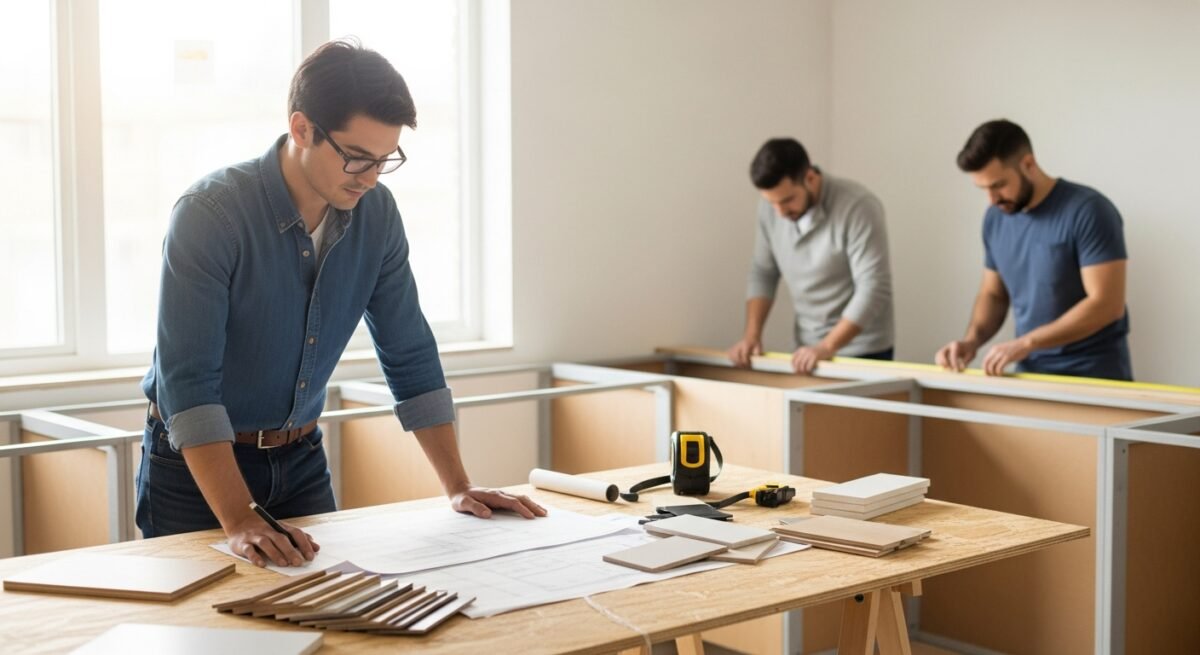
Home Value Improvement: A Clear Guide for Homeowners
A clear guide to home value improvement: learn which projects boost your home’s worth, prevent costly repairs, and enhance daily living. Start your plan today.
By Chelsea Kris
Learn more about Home Inspection for guides, costs, and what to expect.
Compare Home Inspection Pros Near You

Enter your ZIP code to compare top-rated local professionals and request free quotes.
Every homeowner wants to feel confident in their investment, knowing their property is secure, comfortable, and worth more tomorrow than it is today. But figuring out where to start with home value improvement can feel overwhelming. Is it a fresh coat of paint, a kitchen update, or fixing that nagging issue in the basement? The good news is that boosting your home’s value and livability doesn’t require guesswork. With a strategic approach, you can make smart choices that enhance your daily life and pay off in the long run.
To create a strategic plan to boost your home’s value and comfort, call 📞833-700-4293 for a free consultation or visit Plan Your Remodel to get started.
What Home Value Improvement Means for Homeowners
Home value improvement is simply any project, repair, or upgrade that increases your property’s market worth or enhances its functionality and appeal. It’s not just about major renovations for a future sale. True improvement is about investing in your home’s health and your family’s comfort right now.
This can range from essential maintenance, like fixing a leaky roof, to aesthetic updates, like modernizing a bathroom. The key is understanding which projects offer the best return on investment, both in financial value and in quality of life. Think of it as a spectrum from crucial repairs to desirable upgrades.
Every home is different, but the principle is the same: proactive care and smart updates protect your asset and make it a better place to live. For a deeper dive into planning a successful project, our home remodel planning guide offers a great starting point.
Why It Matters for Homeowners
Ignoring your home’s needs is like skipping oil changes for your car. Small issues become big, expensive problems. Proactive home value improvement prevents minor wear and tear from turning into structural damage, saving you thousands in emergency repairs. It’s about maintaining your home’s integrity.
Beyond preventing disasters, strategic improvements boost your daily enjoyment. Updated kitchens and bathrooms make routines more pleasant. Proper insulation lowers energy bills. A well-maintained exterior fills you with pride every time you pull into the driveway. Your home should work for you, not the other way around.
And when it comes time to sell, a home with a documented history of care and smart upgrades sells faster and for a higher price. It gives potential buyers confidence, reducing their worry about hidden problems and increasing the perceived value immediately
Common Issues and Their Causes
Many home value improvement projects start with addressing common problems that creep up over time. These issues are often caused by a combination of age, weather exposure, and normal wear and tear. Identifying the root cause is the first step to a lasting fix.
For instance, water damage is a frequent culprit. It might stem from an aging roof, clogged gutters, or failing plumbing seals. Ignoring small signs of moisture can lead to mold, rot, and compromised foundations. Similarly, outdated or inefficient systems—like old windows, poor insulation, or an aging HVAC unit—drain your wallet through high utility bills and reduce comfort.
- Exterior Wear: Cracked driveways, peeling paint, and damaged siding caused by sun, rain, and freezing temperatures.
- Interior Datedness: Worn flooring, old countertops, and inefficient lighting that make a home feel tired and less functional.
- System Inefficiency: Drafty windows, old appliances, and poor insulation that increase energy consumption.
- Deferred Maintenance: Small leaks, loose fixtures, and minor cracks that are ignored until they become major failures.
How Professionals Fix the Problem
A professional approach to home value improvement starts with a thorough assessment. A trusted expert will inspect your home, listen to your goals, and identify both immediate needs and long-term opportunities. They diagnose the true cause of a problem, not just its symptoms, ensuring the solution is permanent.
The process then moves to a clear plan and precise execution. For a roof repair, this means proper flashing installation and matching materials. For a bathroom update, it involves expert waterproofing, plumbing, and tile work. Professionals bring the right tools, materials, and knowledge of building codes to do the job safely and correctly the first time. You can see this detailed approach in action in our homeowner’s guide to roof repair and protection.
Finally, a true professional ensures clean-up and follow-through. Your home is left clean, the work is inspected for quality, and you’re informed about any necessary maintenance to protect your new investment for years to come.
Signs You Should Not Ignore
Your home often sends clear signals when it needs attention. Learning to recognize these signs early can mean the difference between a simple repair and a costly, invasive project. Pay attention to changes in how your home looks, feels, and functions.
Some signs point to urgent structural or safety issues. Others indicate that a system is nearing the end of its lifespan and should be budgeted for. Proactive homeowners who act on these warnings save significant money and stress.
To create a strategic plan to boost your home’s value and comfort, call 📞833-700-4293 for a free consultation or visit Plan Your Remodel to get started.
- Water Stains on ceilings or walls, or a musty smell indicating a hidden leak.
- Sudden spike in energy bills suggesting insulation or HVAC system failure.
- Cracks in foundation walls or uneven floors that may signal settling problems.
- Persistent drafts around windows and doors, signaling failed seals.
- Fading, bubbling, or peeling exterior paint/siding that compromises weather protection.
Cost Factors and What Affects Pricing
The cost of a home value improvement project depends on several key factors. Understanding these helps you set a realistic budget and compare estimates fairly. The scope and size of the project are the most obvious factors—a full kitchen remodel costs more than replacing a faucet.
Material quality is another major variable. You can choose budget-friendly laminate countertops or invest in durable quartz. Labor intensity also plays a huge role. Complex jobs requiring specialized skills, like custom masonry or electrical rewiring, cost more in labor than simpler installations. Your geographic location and permitting requirements can also influence the final price. For a clear breakdown of what to expect, our guide on understanding home renovation cost provides valuable insights.
How To Choose the Right Professional or Service
Selecting the right contractor is the most important decision in your home improvement journey. Start by verifying credentials: ensure they are licensed, insured, and bonded for your protection. This is non-negotiable and shields you from liability.
Next, look for a proven track record. Read online reviews, ask for references from recent clients, and view a portfolio of their completed work. A reputable professional will be happy to provide these. Pay close attention to communication during the estimate process. Are they listening? Are they clear, prompt, and detailed in their proposal?
Finally, trust your instincts. Choose someone who is professional, answers your questions patiently, and provides a written contract that outlines the project scope, timeline, payment schedule, and warranty. A good working relationship is key to a smooth project.
Long-Term Benefits for Your Home
The true value of smart home improvements unfolds over years. First, you gain peace of mind. Knowing your roof won’t leak, your foundation is sound, and your wiring is safe allows you to relax and enjoy your home fully. This security is priceless.
Financially, these investments compound. You save on avoided emergency repairs, reduced energy costs, and higher resale value. A well-maintained home also withstands the test of time better, preserving its structural integrity and aesthetics for future generations. It’s the ultimate way to protect the single largest investment most families ever make.
Frequently Asked Questions
What is the best home improvement for resale value?
Kitchen and bathroom updates typically offer the highest return on investment. However, curb appeal projects like a new front door or garage door, and essential maintenance like a new roof or windows, are also top contenders because they address buyer concerns immediately.
Should I improve my home before selling?
It depends on the market and the improvement. Focus on repairs first (fix anything broken), then consider low-cost, high-impact updates like fresh paint, landscaping, and deep cleaning. For larger projects, consult a local real estate agent to see what buyers in your area truly value.
How can I improve my home value on a budget?
Focus on paint, lighting, and landscaping. A fresh neutral paint color throughout, updated light fixtures, and well-maintained lawn and gardens dramatically improve appearance for relatively little cost. Decluttering and a thorough deep clean are also extremely cost-effective.
Does a new roof increase home value?
Yes, a new roof significantly increases home value and curb appeal. It is a major selling point because it reassures buyers they won’t face immediate expensive repairs. Many buyers are willing to pay a premium for a home with a recent, high-quality roof.
How much does a bathroom remodel increase home value?
A mid-range bathroom remodel can recoup 60-70% of its cost in added home value at resale. More importantly, it makes your home more marketable, helping it sell faster. A modern, functional bathroom is a key desire for most homebuyers.
Is it worth it to install energy-efficient windows?
Absolutely. While the upfront cost is significant, energy-efficient windows lower heating and cooling bills year-round, increase indoor comfort by reducing drafts, and boost curb appeal. They are a strong selling feature that appeals to today’s energy-conscious buyers.
What home improvements do not add value?
Overly personalized projects (like a very niche theme room), high-end upgrades in a modest neighborhood, and unnecessary luxury additions (like a swimming pool in a cold climate) often do not provide a full return. Always consider what is standard and desirable for your area.
How do I know if an improvement is worth the cost?
Research the average return on investment (ROI) for that project in your region. Consider how long you plan to stay in the home. If you’ll enjoy the benefit for many years, even a lower ROI project may be worth it for your quality of life.
Investing in your home is an investment in your family’s well-being and financial future. By taking a thoughtful, professional approach to home value improvement, you create a space that is safer, more comfortable, and more valuable for years to come. Start with a plan, prioritize needs over wants, and partner with experts you trust to bring your vision to life.
To create a strategic plan to boost your home’s value and comfort, call 📞833-700-4293 for a free consultation or visit Plan Your Remodel to get started.
Learn more about Home Inspection for guides, costs, and what to expect.
Compare Home Inspection Pros Near You
Enter your ZIP code to compare top-rated local professionals and request free quotes.