
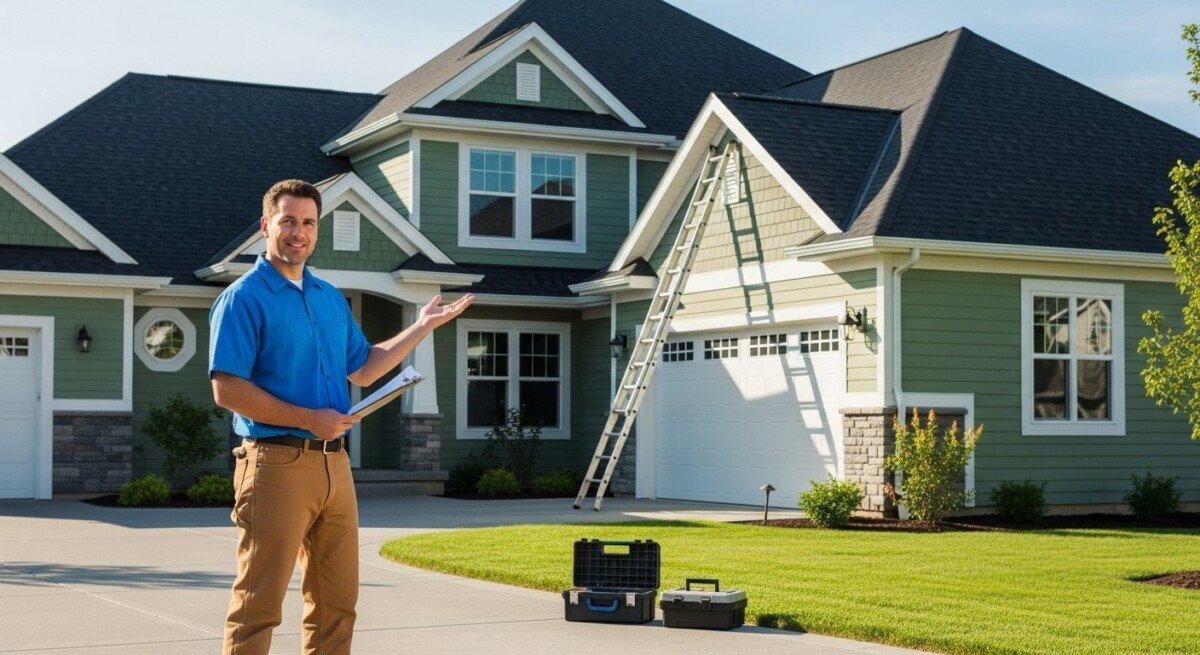
Exterior Home Remodeling: Protect Your Home and Boost Its Value
A practical guide to exterior home remodeling, covering common problems, benefits, and how to choose a professional to protect your home and increase its value.
By Eric Andrew
Learn more about Exterior Painting for guides, costs, and what to expect.
Compare Exterior Painting Pros Near You

Enter your ZIP code to compare top-rated local professionals and request free quotes.
You notice a few cracked shingles on your roof after a storm, or maybe the paint on your siding is peeling in large patches. Perhaps your front door is drafty, or your gutters are sagging. These are the moments many homeowners realize their home’s exterior needs attention. It’s easy to put off these repairs, thinking they’re just cosmetic. But ignoring the outside of your home can lead to serious, expensive problems inside, from water damage to energy loss and structural issues. Exterior home remodeling isn’t just about looks; it’s a critical investment in your home’s protection, efficiency, and long-term value.
Understanding Exterior Home Remodeling
Exterior home remodeling is the process of repairing, replacing, or upgrading the parts of your home that face the elements. This includes your roof, siding, windows, doors, gutters, and trim. These components work together as a protective shell, shielding your home from rain, wind, sun, and cold.
Over time, this shell naturally wears down. Materials age, weather takes its toll, and even small flaws can compromise the entire system. Every home is affected, but older homes, those in harsh climates, or homes that haven’t had regular maintenance are most vulnerable. The goal of remodeling is to restore this protective barrier, making your home safe, efficient, and beautiful again.
Why This Matters for Your Home
Your home’s exterior is its first line of defense. When it fails, the problems quickly move inward. A small roof leak can lead to stained ceilings, ruined insulation, and even mold growth in your attic. Damaged siding can allow moisture to seep into your walls, rotting the wooden frame behind it.
Beyond preventing damage, a well-maintained exterior keeps your family comfortable and safe. It improves energy efficiency by sealing drafts, which lowers your heating and cooling bills. Most importantly, it protects your single largest investment,your home’s value. Neglect can lead to a steep decline in value, while professional updates offer a strong return on investment and curb appeal.
If you notice signs of this issue in your home, it may help to speak with a qualified contractor. Request a free quote or call to explore your repair or remodeling options.
Common Problems Homeowners Experience
Exterior issues often start small and get worse over time. You might see visual clues first, like faded paint or a few missing shingles. But the real danger often lies in problems you can’t easily see from the ground, like compromised roof underlayment or rotting wood behind a downspout.
These problems rarely stay isolated. A failing gutter system can cause foundation issues. Old, drafty windows make your HVAC system work overtime. It’s a domino effect where one compromised component puts stress on the others. Common exterior problems include:
- Roof Damage: Missing, cracked, or curling shingles; damaged flashing around chimneys and vents.
- Siding Failure: Warping, cracking, or rotting boards; peeling paint that won’t hold; moisture intrusion behind the panels.
- Window and Door Issues: Drafts, difficult operation, foggy glass (failed seals), and rotting frames.
- Gutter and Drainage Problems: Sagging gutters, leaks at seams, clogs that cause overflow and water pooling near the foundation.
- Trim and Soffit Decay: Soft, cracked, or peeling wood around windows, doors, and roof edges.
- General Wear and Tear: Faded colors, loss of weatherproofing, and outdated styles that hurt curb appeal.
How Professionals Solve the Problem
A professional contractor doesn’t just fix what you see; they diagnose the root cause. They have the experience to spot hidden damage and understand how all the exterior systems connect. Their work ensures the solution is comprehensive, durable, and up to current building codes, which is crucial for safety and insurance.
The process typically involves a detailed inspection, careful planning, and skilled execution. For a successful project, professionals follow a proven process. In our guide on custom home remodeling plans, we explain how a clear plan sets the stage for success from the very beginning.
- Inspection and Assessment: A thorough evaluation of all exterior components to identify visible and hidden issues.
- Detailed Proposal: A clear scope of work, material options, timeline, and cost estimate.
- Material Selection: Helping you choose the right, durable materials for your climate, home style, and budget.
- Professional Installation: Skilled removal of old materials, proper preparation of the underlying structure, and precise installation of new products.
- Cleanup and Final Walkthrough: Leaving your property clean and ensuring you are satisfied with every detail of the work.
A professional inspection can reveal hidden issues before they become expensive repairs. Compare contractor quotes here or call to discuss your project.
Warning Signs You Should Not Ignore
Waiting for a major leak or a large section of siding to fall off means you’ve waited too long. Proactive homeowners watch for early warning signs that signal it’s time for an inspection or repairs. Catching these signs early can often mean a simpler, less costly fix.
Some signs are obvious, while others are more subtle. For example, higher energy bills can sometimes point to failing windows or insufficient insulation in your walls. It’s important to do a visual walk-around of your home at least twice a year, in spring and fall. Key warning signs include:
- Water stains on interior ceilings or walls.
- Granules from asphalt shingles collecting in gutters or on the ground.
- Exterior paint that is consistently peeling, chalking, or bubbling.
- Siding that feels soft, is cracked, or has gaps between panels.
- Gutters that pull away from the house or overflow during rain.
- Daylight visible around the edges of door or window frames from inside your home.
What Affects the Cost of Repairs or Installation
The cost of an exterior remodel can vary widely, and that’s normal. It depends on the specific needs of your home. A simple roof repair on a single-story home is very different from re-siding a large, two-story colonial with intricate trim. Understanding the factors helps you make sense of estimates.
Key factors include the size and slope of your roof, the square footage of your siding, the number and type of windows being replaced, and the materials you choose. Labor costs are influenced by the complexity of the job and your home’s accessibility. The age of your home can also be a factor, as older homes may require more preparatory work, like repairing rotten sheathing.
Costs can vary depending on the condition of your home. The best way to know the price is to get a personalized estimate. Request free quotes from contractors or call today.
How to Choose the Right Contractor
Your home is too important to trust to just anyone. The right contractor will be a partner in protecting your investment. They should be communicative, transparent, and focused on delivering quality work that lasts. Taking the time to vet contractors carefully is one of the most important steps in the process.
Start by asking friends and neighbors for recommendations. Then, do your own research to narrow down your list. A reliable contractor will welcome your questions and provide clear, verifiable information. Essential tips for choosing include:
- Verify Credentials: Confirm they are licensed, insured, and bonded for your protection.
- Check Reviews and References: Read online reviews and ask for past customer references for similar projects.
- Get Detailed, Written Estimates: Compare quotes that break down costs for materials, labor, and timeline. Understanding a realistic home remodeling timeline helps set proper expectations for your project’s duration.
- Ask About Experience: Ensure they have specific experience with the type of work you need (e.g., certain siding materials, complex roof designs).
- Review the Contract Thoroughly: Never proceed without a signed contract that details the scope, materials, payment schedule, and warranty.
Long-Term Benefits of Professional Work
While professional exterior remodeling is an investment, the benefits pay dividends for years to come. It’s not just an expense; it’s an upgrade that enhances your daily life and your home’s financial standing. Quality work uses better materials and techniques that stand up to weather far longer than quick fixes.
You’ll enjoy lower utility bills, fewer repair headaches, and greater peace of mind knowing your home is secure. When it comes time to sell, a updated, well-maintained exterior is a powerful selling point that can significantly increase your home’s market value and help it sell faster. For instance, choosing the right materials is crucial for longevity; exploring the best exterior siding options can help you make a choice that balances beauty, durability, and maintenance.
How long does an exterior remodeling project usually take?
The timeline depends entirely on the project’s scope. Replacing a roof might take a few days, while a full re-side with new windows and trim could take several weeks. A reputable contractor will provide a projected schedule upfront and communicate any delays. Proper planning helps manage expectations for the entire process.
Will exterior remodeling disrupt my daily life?
Professional crews work to minimize disruption. For most exterior work, you can live normally inside your home. There will be noise during the day, and you may need to provide clear access to the work areas. Your contractor should explain what to expect so you can plan accordingly.
Do I need to be home during the work?
It’s often not necessary for you to be home all day, especially for projects like roofing or siding. However, you should be available by phone for any questions, and you may want to be present at the start and end of each day to check on progress and communicate with the crew lead.
How do I maintain my home’s exterior after remodeling?
Good maintenance is key to longevity. This includes cleaning gutters twice a year, washing siding periodically, trimming back tree branches, and inspecting for damage after severe storms. Your contractor can provide specific care instructions for the materials installed on your home.
Can I remodel in phases to manage cost?
Yes, phasing is a common strategy. For example, you might replace the roof one year and the siding the next. A good contractor can help you create a sensible multi-year plan that addresses the most urgent needs first while keeping the overall vision in mind.
How does remodeling affect my home insurance?
Upgrading to more durable, weather-resistant materials can sometimes lower your insurance premiums. Always inform your insurance company once a major project is complete, as it increases the replacement value of your home and ensures you are fully covered.
What financing options are available?
Many contractors work with lending partners or can guide you on home equity loans, lines of credit, or FHA Title I loans. Discussing your budget openly with your contractor helps them present options that fit your financial situation.
Your home’s exterior is a working system that requires care and attention. Addressing small issues promptly prevents them from becoming major, costly repairs. By understanding the signs of wear, the value of professional work, and taking the step to get a detailed assessment, you’re making a smart decision for your home’s future. The best next step is to gather information from qualified professionals to understand your specific options and costs.
Learn more about Exterior Painting for guides, costs, and what to expect.
Compare Exterior Painting Pros Near You
Enter your ZIP code to compare top-rated local professionals and request free quotes.