
Can You Remodel a Home Yourself and Save Money?
Considering a DIY remodel to save money? Learn the real costs, risks, and smart strategies to decide when to DIY and when to call a professional.
By Eric Andrew
Learn more about Exterior Painting for guides, costs, and what to expect.
Compare Exterior Painting Pros Near You

Enter your ZIP code to compare top-rated local professionals and request free quotes.
The dream of a beautiful, updated home often clashes with the reality of a contractor’s quote. Looking at the high cost of professional labor, many homeowners ask a tempting question: can I do this myself and save a fortune? The answer is more nuanced than a simple yes or no. While DIY can cut costs, it requires honest self-assessment, careful planning, and a clear understanding of the risks involved.
Ready to start your remodel with confidence? Call 📞833-700-4293 or visit Get a Project Quote to schedule your free, no-obligation consultation today.
A Simple Breakdown of DIY Home Remodeling
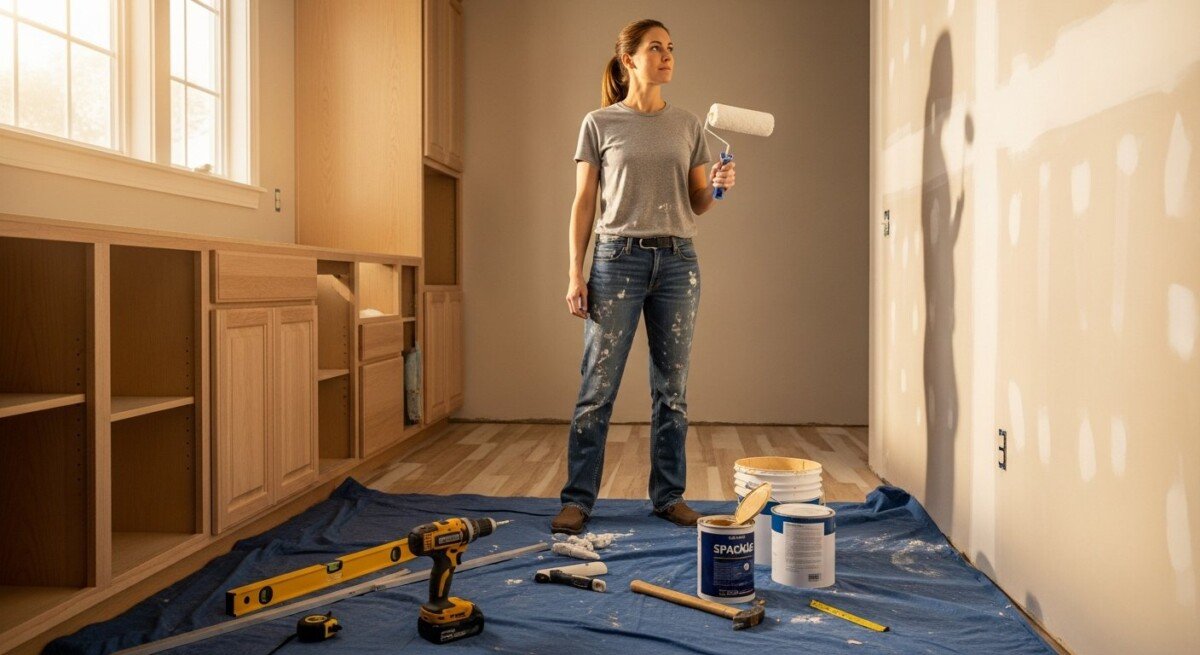
DIY remodeling means you, the homeowner, take on the roles of project manager, laborer, and often, the purchasing agent. You handle the planning, the physical work, and the sourcing of materials. The primary goal is to eliminate labor costs, which can account for 30-50% of a professional remodel.
This approach can work well for cosmetic updates and projects that match your skill level. However, it’s crucial to understand that “saving money” isn’t just about the initial outlay. It’s about the final value, the quality of the work, and avoiding costly mistakes that a professional would have prevented.
Where DIY Shines and Where It Stumbles
DIY excels in tasks like painting, installing flooring (like click-lock laminate), basic landscaping, or assembling furniture. These are projects with clear instructions and a lower risk of catastrophic error. The savings here are real and significant.
It stumbles, however, when facing complex systems. Structural changes, electrical wiring, major plumbing, and load-bearing wall modifications are not just difficult,they are dangerous and often illegal for unlicensed individuals to perform. A mistake here can lead to injury, failed inspections, or severe damage that costs far more to fix than hiring a pro from the start.
Why It Matters for Homeowners
Getting this decision right matters for your wallet, your safety, and your home’s long-term value. A successful DIY project can provide immense personal satisfaction and direct financial savings, freeing up budget for higher-quality materials or another home improvement.
Conversely, a failed DIY attempt can become a financial black hole. You might spend money on tools and materials only to have to pay a professional to rip it out and start over. Worse, improper work can create hidden hazards like electrical fire risks or water damage behind walls, which may not be discovered until you try to sell your home.
Your time is also a major factor. A professional crew might complete a bathroom in two weeks; the same project could take a novice months of nights and weekends, during which your home is a construction zone. The stress and disruption have a real cost.
Considering a remodel but unsure where to start? Our team offers free, no-obligation consultations to review your project plans, assess the scope, and give you honest advice on what you can tackle and where a pro is essential. Schedule your consultation online.
Common DIY Issues and Their Causes
Many DIY projects run into predictable problems. Often, the root cause is a combination of inexperience, impatience, and underestimating the project’s complexity.
A common issue is poor planning and measurement. The adage “measure twice, cut once” exists for a reason. Inaccurate measurements lead to wasted materials, ill-fitting components, and a domino effect of errors. Another frequent problem is ignoring permits and codes. Building codes exist for safety. Skipping permits to save time or money can result in fines, forced removal of work, and complications when selling your home.
- Unrealistic Timelines: Jobs almost always take longer than expected, leading to frustration and rushed, sloppy work.
- Tool and Skill Deficits: Not having the right tool for the job, or the skill to use it properly, compromises quality.
- Cutting Corners on Materials: Using subpar materials to save money often results in premature wear, failure, and the need for early replacement.
- Safety Oversights: Lack of proper safety gear, knowledge of electrical/structural hazards, or safe tool operation can lead to injury.
How Professionals Fix the Problem
Professional contractors bring a systemized approach that prevents the common pitfalls of DIY. Their process starts with a detailed assessment and plan. They identify potential problems,like outdated wiring or hidden rot,before work begins, allowing for accurate budgeting and timelines.
They then manage the project with expertise. This includes pulling all necessary permits, sourcing materials at trade prices (often passing savings to you), and coordinating specialized subcontractors like electricians and plumbers efficiently. Their skilled labor ensures the work is done correctly the first time, adhering to all building codes.
Finally, they handle the cleanup and provide warranties on their workmanship. This peace of mind is something DIY simply cannot offer. You get a finished, functional space without the lingering worry that you missed something critical.
Don’t let a DIY dream turn into a renovation nightmare. Our licensed and insured professionals have the experience to execute your vision safely, on time, and to code. Get a free, detailed estimate
Signs You Should Not Ignore
If you’ve started a DIY project and run into certain issues, it’s a clear signal to pause and call a professional. Ignoring these signs can escalate costs and risks dramatically.
Ready to start your remodel with confidence? Call 📞833-700-4293 or visit Get a Project Quote to schedule your free, no-obligation consultation today.
One major red flag is discovering unexpected structural elements or systems. If you open up a wall and find knob-and-tube wiring, extensive plumbing, or signs of major structural modifications, stop immediately. These are not areas for on-the-job learning.
- You’re Constantly “Making It Work”: If you find yourself forcing pieces to fit, using excessive filler, or devising unconventional fixes, the plan is flawed.
- Persistent Problems: A leak that comes back, a floor that still squeaks after repair, or an outlet that keeps tripping indicates a deeper issue.
- Feeling Overwhelmed or In Over Your Head: Constant stress and dread about the project are signs it’s beyond your current capacity.
- Safety Concerns Arise: Any doubt about electrical safety, gas lines, or structural integrity means it’s time to call a pro.
Cost Factors and What Affects Pricing
Whether you DIY or hire out, understanding what drives remodeling costs helps you make smarter decisions. The biggest factors are the project scope and materials. A full kitchen gut-job costs exponentially more than a cabinet refacing. Similarly, material choices,quartz vs. laminate countertops, hardwood vs. vinyl plank,create wide price ranges.
Labor is the other major component. Professional labor costs reflect expertise, insurance, licensing, and overhead. For DIY, your “labor” cost is your time and the potential cost of mistakes. Hidden conditions, like mold, asbestos, or outdated infrastructure, are wild cards that can blow any budget, DIY or professional, which is why pros include contingencies.
Transparent pricing is our standard. We provide clear, upfront quotes that detail labor, materials, and potential contingencies, so there are no surprises. Let us help you understand the true cost of quality.
How To Choose the Right Professional or Service
If you decide to hire a pro, choosing the right one is crucial. Start by verifying credentials: ensure they are licensed, insured, and bonded for your protection. Check online reviews and ask for references from past clients with similar projects.
Get at least three detailed, written estimates. The lowest bid isn’t always the best; compare the scope of work, materials specified, and timeline. Finally, trust your gut during the consultation. A good contractor will listen to your ideas, communicate clearly, and answer questions without pressure.
Long-Term Benefits for Your Home
Investing in a well-executed remodel, whether through your own skilled labor or a professional’s, pays long-term dividends. Properly done work increases your home’s market value and appeal. It also enhances daily living through improved functionality, comfort, and energy efficiency.
Most importantly, quality work ensures safety and durability. Systems installed to code last longer and prevent hazards. This protects your biggest investment and gives you peace of mind for years to come, knowing your home is both beautiful and sound.
Frequently Asked Questions
What is the most cost-effective room to remodel yourself?
Painting any room is the most cost-effective DIY project. For a more substantial update, a bathroom or bedroom refresh involving painting, new flooring, and fixture updates can offer great ROI if no plumbing or electrical work is needed.
How much can I really save by doing it myself?
Savings vary wildly. On simple cosmetic projects, you might save 50% or more on labor. On complex jobs, if you make errors, you could end up spending 50% more to fix them. Realistic savings are typically 15-25% on mid-skill projects done correctly.
When is a permit required for a DIY project?
Permits are generally required for structural changes, electrical work, plumbing alterations, and changes to the home’s footprint. Always check with your local building department before starting. If a permit is needed, the process is a strong indicator the work requires professional skill.
What tools are worth buying for DIY remodeling?
Invest in quality basics you’ll use repeatedly: a drill/driver, a level, a tape measure, a utility knife, a hammer, and safety gear. For larger tools like saws, consider renting for one-off projects to save money and storage space.
Can I do part of the remodel and hire a pro for the rest?
Absolutely. This hybrid approach is smart. You can handle demolition, painting, or cleanup to save on labor hours. Hire licensed pros for the technical work like wiring, plumbing, or cabinet installation. Be upfront with your contractor about this plan.
How do I know if a wall is load-bearing?
It’s difficult for a novice to be certain. Key indicators include walls that run perpendicular to floor joists, walls in the center of the house, or walls with a support beam below. Never assume. Consult a structural engineer or contractor before modifying any wall.
What is the biggest mistake DIYers make?
Underestimating the time, cost, and skill required. They jump in without a detailed plan, leading to budget overruns, frustration, and unfinished projects that detract from home value.
Does DIY remodeling affect home insurance?
It can. If unpermitted or faulty work causes damage (like a fire from bad wiring), your insurance company may deny the claim. Always inform your insurer of major renovations and ensure all work is permitted and inspected.
The decision to DIY or hire a pro is personal and depends on your skills, budget, and the project’s demands. By honestly evaluating both paths, planning meticulously, and knowing when to call for backup, you can achieve a successful remodel that adds value, comfort, and pride to your home,without unnecessary risk or regret.
Ready to start your remodel with confidence? Call 📞833-700-4293 or visit Get a Project Quote to schedule your free, no-obligation consultation today.
Learn more about Exterior Painting for guides, costs, and what to expect.
Compare Exterior Painting Pros Near You
Enter your ZIP code to compare top-rated local professionals and request free quotes.