
Can You Get Permits After Starting a Remodel?
Started a remodel without a permit? Learn if you can still get permits after the fact, the risks of unpermitted work, and how to fix it correctly.
By Eric Andrew
Learn more about Exterior Painting for guides, costs, and what to expect.
Compare Exterior Painting Pros Near You

Enter your ZIP code to compare top-rated local professionals and request free quotes.
You’re excited to start your home renovation. Maybe you’ve already knocked down a wall or started framing a new room. Then, a neighbor mentions permits, or you have a sudden worry about selling your home later. The realization hits: you started remodeling without the required permits. Now what? This situation is more common than you think, and while it’s a serious issue, it’s not always a dead end. The path forward depends on your local building department, the scope of your work, and taking the right steps to make things right.
Protect your investment and ensure your remodel is safe. Call 📞833-700-4293 or visit Resolve Permit Issues to schedule a confidential consultation with our permitting specialists.
Understanding the Permit Process After the Fact
Yes, in many cases, you can still get permits after you’ve started or even finished a remodeling project. This is often called “retroactive permitting” or “after-the-fact permitting.” However, it’s not as simple as applying for a normal permit. The process is designed to bring unpermitted work up to current building codes and ensure it’s safe.
Think of it like getting a driver’s license after you’ve been driving for years. You still have to pass the test, but you’re starting from a point of having to correct any bad habits. The building department’s primary goal is safety, not punishment. They want to ensure your electrical work won’t cause a fire, your plumbing won’t leak, and your structural changes won’t compromise your home.
What the Inspector Will Need to See
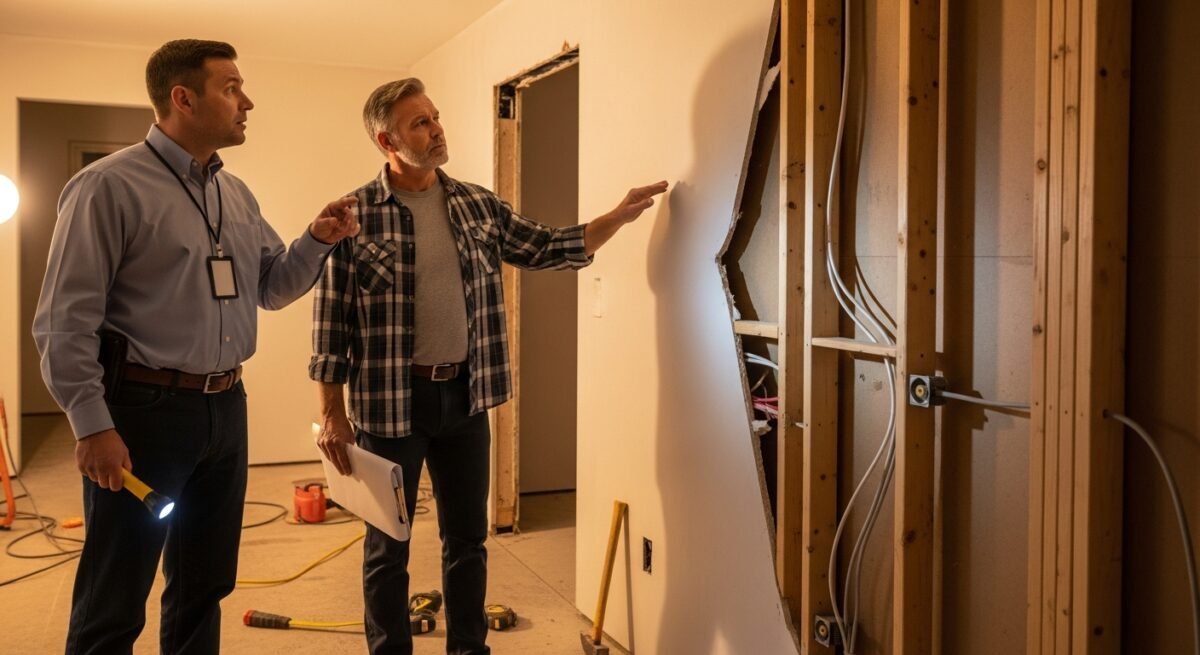
When you apply for a retroactive permit, the inspector will need to see the work that’s been done. This often means you may have to open up finished walls, ceilings, or floors so they can inspect wiring, plumbing, or framing. This “destructive testing” is one of the biggest reasons to get permits first,it saves you from having to undo your beautiful finishes.
Why Getting It Permitted Matters for Your Home
You might wonder if it’s worth the hassle. The truth is, getting unpermitted work properly permitted protects your biggest investment. Unpermitted work can lead to massive headaches down the road. If you try to sell your home, the buyer’s inspection will likely flag the unpermitted work, potentially killing the deal or forcing you to lower your price significantly.
More importantly, it’s about safety. Building codes exist for a reason. Faulty electrical work is a leading cause of house fires. Improper plumbing can lead to toxic mold or water damage. A poorly supported wall can be a structural hazard. Getting a permit ensures a trained professional has verified that your remodel is safe for you and your family.
Insurance is another critical factor. If unpermitted work causes damage,like an electrical fire from DIY wiring,your homeowner’s insurance company may deny the claim. They can argue you increased the risk by not following code, leaving you financially responsible for all repairs.
Don’t let unpermitted work put your home and family at risk. Our team specializes in navigating the permit process, even for projects already underway. Contact us for a confidential consultation. We’ll help you find the best path to compliance.
Common Issues and What Causes Them
Homeowners often start work without a permit for understandable reasons. Sometimes it’s a simple lack of knowledge,they didn’t realize their project required approval. Other times, it’s an attempt to save time or money, or a fear that the permit process will be too complicated or will lead to higher property taxes.
The most common projects that end up unpermitted are those that seem “simple” but are actually regulated for safety. These include:
- Electrical Work: Adding new circuits, moving outlets, or upgrading a panel.
- Plumbing: Moving pipes, adding a bathroom, or installing a new water heater.
- Structural Changes: Removing walls (even non-load-bearing ones can be tricky), adding windows or doors, or building decks.
- Room Additions: Converting a garage, finishing a basement, or adding a sunroom.
The root cause is usually a gap between the homeowner’s perception of the project’s complexity and the building department’s safety requirements.
How Professionals Fix the Permit Problem
A qualified contractor can be your greatest ally in correcting unpermitted work. The process typically follows these steps:
- Assessment: The contractor will review all work done, often with the help of a structural engineer or other specialist if needed.
- Documentation: They will create detailed drawings and plans of the “as-built” construction to submit with the permit application.
- Liaison: They act as your representative with the building department, submitting applications, paying fees, and scheduling inspections.
- Correction: They perform any necessary work to bring the project up to code, which may involve opening walls for inspection.
- Inspection: They coordinate all required inspections until the work is signed off and a final Certificate of Occupancy or Approval is issued.
The key is having an experienced professional who knows the local codes, has a good relationship with the inspectors, and can efficiently manage the correction process.
Navigating city hall alone can be overwhelming. Let our experienced project managers handle the paperwork, inspections, and corrections for you. Learn about our permit resolution service
Signs You Should Not Ignore
If you’ve bought a home with previous renovations or inherited a DIY project, you might not know if permits were pulled. Certain red flags should prompt you to investigate.
During a routine home inspection, an inspector might note discrepancies like an outlet in a place that doesn’t match the home’s original layout, or plumbing that doesn’t look professional. Your city or county’s building department usually has public records of all permits issued for your address. If a major remodel isn’t listed, it was likely done without permits.
Protect your investment and ensure your remodel is safe. Call 📞833-700-4293 or visit Resolve Permit Issues to schedule a confidential consultation with our permitting specialists.
- You can’t find permit records for obvious renovations at your local building department.
- A home inspector points out potential code violations or unpermitted work.
- You experience recurring problems like frequent electrical shorts, poor water pressure after a remodel, or mysterious drafts.
- Your insurance agent asks questions about upgrades or renovations not on record.
Cost Factors and What Affects Pricing
The cost to legalize unpermitted work varies widely. It’s almost always more expensive than getting the permit in the first place. Key factors include:
Scope of Work: A full basement finish will cost more to permit retroactively than a minor bathroom update. Extent of Correction Needed: If the work is largely up to code, costs may be limited to permit fees and professional drawings. If major fixes are required,like rewiring a room or adding structural support,costs rise significantly. Local Fines: Many jurisdictions impose double or triple the normal permit fee as a penalty for after-the-fact applications. Professional Fees: You’ll need to pay for a contractor, and possibly an architect or engineer, to create plans and manage the process.
While the price tag can be daunting, view it as an essential investment in your home’s legality, safety, and future value. The cost of doing nothing,a failed sale or an insurance denial,is usually much higher.
Worried about the potential cost? We provide transparent, upfront estimates for the entire permit resolution process. Don’t guess,get the facts. Request your free estimate today.
How To Choose the Right Professional for the Job
Not every contractor is willing or experienced in handling retroactive permits. You need a specialist. Look for a licensed, insured contractor with a proven track record of working with your local building department. Ask directly: “Do you have experience obtaining after-the-fact permits and bringing unpermitted work up to code?”
Check their reviews and ask for references from past clients who were in a similar situation. A good professional will be honest about the process, potential challenges, and costs. They should be willing to pull the permit themselves (not ask you to pull it as the “homeowner”), as this holds them accountable for the work meeting code.
Long-Term Benefits for Your Home and Peace of Mind
Correcting unpermitted work isn’t just about fixing a mistake. It’s about securing your home’s future. The long-term benefits are substantial. You gain full legal recognition for your improvements, which directly increases your home’s appraised value and marketability. You eliminate a major point of negotiation or rejection when you sell.
Most importantly, you get peace of mind. Knowing that your electrical system is safe, your plumbing won’t fail, and your structure is sound lets you truly enjoy your renovated space. You also protect your insurance coverage and avoid potential legal liabilities. It transforms your remodel from a hidden liability into a documented asset.
Frequently Asked Questions
Will I get fined for not getting a permit first?
Most cities charge a penalty fee, often two to three times the original permit cost. While fines are possible, the primary focus is usually on bringing the work into compliance. Being proactive in applying is always viewed more favorably.
What if my work doesn’t meet current code?
You will be required to bring it up to current code standards. Your contractor will identify what needs to be changed or upgraded and handle the necessary corrections before the inspector will approve it.
Can I sell my house with unpermitted work?
You can, but it is much harder. You’ll likely have to disclose the work, which can scare off buyers or lead to lowball offers. Many lenders won’t approve a mortgage for a home with significant unpermitted improvements.
What happens during the inspection for retroactive permits?
The inspector will want to see the work that’s normally hidden. This means you may need to remove drywall, insulation, or flooring so they can check framing, wiring, and plumbing. They will check everything against the submitted plans and code.
How long does the retroactive permit process take?
It takes significantly longer than a standard permit. The need for plans, possible corrections, and multiple inspections can stretch the process over several weeks or even months, depending on the project’s complexity.
Should I just not tell anyone about my unpermitted work?
This is very risky. It can backfire during a sale, a refinance, or if you need to make an insurance claim. It’s always better to address the issue proactively rather than have it discovered later under worse circumstances.
What if the previous homeowner did the unpermitted work?
As the current owner, the responsibility to correct it falls on you. The building department’s concern is the condition of the house now. Addressing it protects you from the same liabilities.
Can I get a permit for DIY work I already finished?
Yes, the process is the same. However, you will likely need a licensed contractor to sign off on and take responsibility for the electrical, plumbing, or structural portions of the work, as most jurisdictions require licensed trades for that inspection.
Starting a remodel without a permit is a fixable situation. While the path to compliance requires effort, transparency, and professional help, it is the only way to secure the full value, safety, and legality of your home improvement investment. Taking corrective action now closes a door to future problems and opens the door to enjoying your home with complete confidence.
Protect your investment and ensure your remodel is safe. Call 📞833-700-4293 or visit Resolve Permit Issues to schedule a confidential consultation with our permitting specialists.
Learn more about Exterior Painting for guides, costs, and what to expect.
Compare Exterior Painting Pros Near You
Enter your ZIP code to compare top-rated local professionals and request free quotes.