
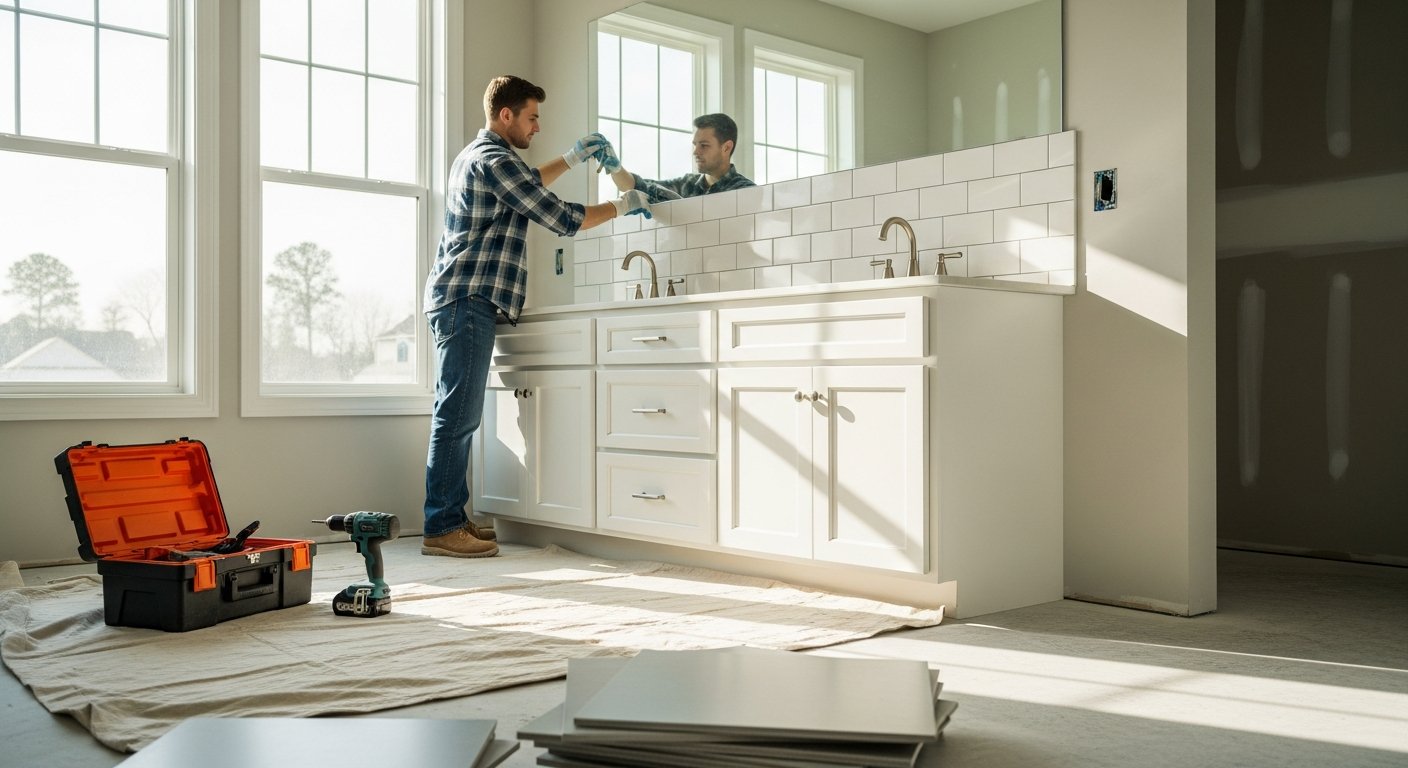
Bathroom Remodel Cost: A 2026 Homeowner's Guide
Learn how to budget for your bathroom remodel and get realistic cost breakdowns, saving tips, and ways to maximize your ROI.
By Alexia Mabel
Learn more about Bathroom Remodel for guides, costs, and what to expect.
Compare Bathroom Remodel Pros Near You

Enter your ZIP code to compare top-rated local professionals and request free quotes.
Planning a bathroom remodel is exciting, but it can also feel a bit overwhelming, especially when you start thinking about the budget. The truth is, no single number fits every project. Your total bathroom remodel cost depends on a wide range of factors, from the size of the room and the quality of materials to your location and the condition of your existing plumbing. Understanding these variables is the first step to creating a realistic budget and avoiding surprise bills that can derail your project. This guide will break down the costs, help you plan effectively, and show you how to get the most value from your investment.
Whether you are refreshing a powder room or completely gutting a master bath, knowing where your money goes is key. Many homeowners find that the bathroom remodel cost is more than they initially expected, but with careful planning and the right professional help, you can achieve the bathroom of your dreams without financial stress. Let's explore what drives the numbers, how to set a practical budget, and how to maximize your return on investment.
What Is the Average Bathroom Remodel Cost?
On a national level, a mid-range bathroom remodel typically costs between $10,000 and $25,000. However, this is a broad range. A small powder room might be remodeled for as little as $5,000, while a large, high-end master bathroom can easily exceed $50,000. The key is to understand what is included in these figures and how they apply to your specific situation.
Your final bathroom remodel cost will largely be dictated by the scope of your project. Are you simply replacing fixtures and painting, or are you moving plumbing lines and changing the room's layout? A cosmetic update is the least expensive option, while a full gut renovation that addresses the subfloor and wiring will naturally cost more. Here is a quick breakdown of typical project scopes and their associated budgets:
- Cosmetic Refresh: Replacing fixtures, vanity, lighting, and adding a fresh coat of paint. This is the most budget-friendly option, generally costing between $5,000 and $10,000.
- Mid-Range Remodel: Updating all finishes, replacing the tub or shower, and possibly upgrading the flooring. This is the most common type of remodel, with costs ranging from $10,000 to $25,000.
- High-End Remodel: Full gut renovation, custom cabinetry, luxury materials like stone or tile, and potentially moving plumbing or walls. These projects can easily cost $30,000 or more.
It is important to remember that these are just averages. The actual bathroom remodel cost in your area could be higher or lower depending on local labor rates and material availability. For instance, remodels in major metropolitan areas like Los Angeles or Denver tend to be more expensive than those in smaller cities or rural areas.
Key Factors That Impact Your Bathroom Remodel Cost
Several key factors will significantly influence the final price tag of your bathroom remodel. By understanding these elements upfront, you can make informed decisions that align with your budget and goals.
Labor Costs
Labor is often the single largest component of your bathroom remodel cost, typically accounting for 40% to 60% of the total budget. This includes the fees for plumbers, electricians, tilers, carpenters, and general contractors. The complexity of your project will determine how many tradespeople you need and how long they will be on site. For example, moving a toilet or installing a new shower valve requires significant plumbing work, which will add to your labor costs.
Materials and Finishes
The materials you choose have a direct impact on your budget. There is an enormous price range for tiles, countertops, fixtures, and cabinetry. You can choose budget-friendly options like ceramic tile and laminate countertops, or splurge on natural stone, quartz, and custom cabinetry. Here is a general idea of how material costs can vary:
- Tile: Ceramic tile is the most affordable, while porcelain is slightly more expensive. Natural stone, such as marble or travertine, is the premium choice and can significantly raise your bathroom remodel cost.
- Countertops: Laminate and solid surface are cost-effective options. Quartz and granite are more expensive but offer durability and a high-end look.
- Fixtures: A basic faucet can cost $50, while a designer model can be $500 or more. Similarly, a standard toilet costs a few hundred dollars, while a smart toilet can be several thousand.
Before you fall in love with a particular material, check its price and availability. A professional contractor can help you select materials that offer the best balance of quality and cost for your budget.
Plumbing and Electrical Work
If you are keeping your bathroom's current footprint, plumbing and electrical costs will be relatively minimal. However, if you are moving fixtures, adding new lighting, or upgrading your electrical panel, expect these costs to rise. Re-routing plumbing lines is a major job that requires a licensed plumber, and it is one of the most significant factors that can increase your bathroom remodel cost.
Similarly, adding new outlets, upgrading ventilation, or installing heated floors requires an electrician. These are essential tasks that ensure your bathroom is safe, functional, and up to code. While they add to the upfront cost, they are investments that protect your home and improve your daily comfort.
Size and Layout
It's simple: a larger bathroom will cost more to remodel than a smaller one. More square footage means more surface area to cover with tile, more fixtures to install, and more space for labor. Additionally, the layout of your bathroom plays a role. If your plumbing and fixtures are already in the same general location, you will save money. Moving fixtures, especially a toilet or shower, requires additional plumbing work, which increases both time and cost.
How to Set a Realistic Budget for Your Bathroom Remodel
Setting a realistic budget is the most important step in your remodeling journey. An accurate budget not only guides your spending but also helps you communicate effectively with potential contractors. A good rule of thumb is to allocate between 5% and 10% of your home's value to a bathroom remodel. For a $300,000 home, that translates to a $15,000 to $30,000 budget.
Once you have a rough number in mind, the next step is to get detailed quotes from multiple contractors. This is where USremodel can be incredibly helpful. Instead of calling around one by one, you can submit one request and receive custom quotes from several vetted professionals in your area. This allows you to compare pricing and services, ensuring you get a fair price for your project. When you receive quotes, make sure they are itemized so you can see exactly what is included and where your money is going.
Create a Line-Item Budget
Breaking your budget down into specific categories helps you see the full picture and manage your spending. A simple line-item budget might look like this:
- Demolition and Disposal: This covers tearing out the old fixtures and hauling away debris. It is often included in the contractor's quote but can be a separate line item.
- Plumbing and Electrical: This includes all work to move or upgrade pipes, wiring, and fixtures. It is a critical part of your budget and should not be underestimated.
- Materials: This is the cost of tile, countertops, cabinetry, paint, and all other finishes. A good contractor can help you estimate this based on your selections.
- Labor: This covers the time your contractor and their team spend on the project. It is typically the largest portion of the budget.
- Permits and Inspections: Depending on your location, you may need a permit for your remodel. This is a small cost that ensures your project meets local building codes.
- Contingency Fund: Always set aside 10% to 20% of your total budget for unexpected issues, such as water damage or outdated wiring that is discovered during demolition. This is a crucial safety net that protects you from going over budget.
Ways to Save on Your Bathroom Remodel Cost
While a bathroom remodel is a significant investment, there are several ways to save money without compromising on quality. Strategic planning and smart choices can help you stay within your budget and still get the bathroom you want.
- Keep the Same Footprint: The most expensive part of a remodel is moving plumbing. By keeping your tub, toilet, and sink in the same general location, you can avoid the high cost of re-routing pipes and drains.
- Refinish Instead of Replace: If your existing bathtub is in decent shape, consider having it professionally reglazed instead of replacing it. This can save you hundreds or even thousands of dollars.
- Choose Budget-Friendly Materials: Luxury materials like marble and custom tiles are beautiful, but they come with a hefty price tag. Look for high-quality alternatives, such as porcelain tile that mimics the look of stone or a prefabricated vanity that fits your style.
- Do Some Prep Work Yourself: You can save on labor costs by doing some of the prep work yourself, such as removing old fixtures and cleaning the space after demolition. However, be sure to leave complex tasks like plumbing and electrical work to the professionals.
- Get Multiple Quotes: One of the best ways to ensure you are getting a fair price is to compare quotes from several contractors. USremodel makes this easy by connecting you with multiple pros through a single request.
Another way to save is to avoid making changes once the project has started. Change orders are a common source of budget overruns. By having a clear plan and a detailed contract before work begins, you can minimize the risk of costly surprises.
Financing Your Bathroom Remodel
If you don't have enough cash on hand to pay for your remodel upfront, there are several financing options available. The right choice depends on your financial situation, the size of the project, and your long-term goals. Here is a quick overview of common ways homeowners fund their remodeling projects:
- Home Equity Loan: This is a second mortgage that gives you a lump sum of money at a fixed interest rate. It is a good option if you have significant equity in your home and want predictable monthly payments.
- Home Equity Line of Credit (HELOC): A HELOC is a revolving credit line that you can draw from as needed, similar to a credit card. It often has a variable interest rate, which can be lower initially than a fixed-rate loan.
- Personal Loan: Personal loans are unsecured, meaning they don't use your home as collateral. They are easier to obtain but often have higher interest rates than home equity products.
- Credit Cards: For smaller projects, you might use a credit card, especially if you have a card with a 0% introductory APR. However, be cautious, as interest rates can be very high after the promo period ends.
Before choosing a financing method, it is wise to consult with a financial advisor. They can help you understand the pros and cons of each option and select the one that aligns with your financial health and future plans.
Return on Investment (ROI) for a Bathroom Remodel
A bathroom remodel is not just about improving your daily life; it is also an investment in your home's value. In fact, a mid-range bathroom remodel is one of the best projects for return on investment. According to industry data, you can typically recoup about 60% to 70% of your remodeling costs when you sell your home. A well-executed remodel can make your home more attractive to buyers and potentially allow you to sell it faster and for a higher price.
To maximize your ROI, focus on timeless design and quality workmanship. Avoid overly trendy features that might feel dated in a few years. Instead, choose neutral colors, durable materials, and efficient fixtures that appeal to a broad range of buyers. A clean, modern, and functional bathroom is a major selling point for any home.
Furthermore, energy-efficient upgrades, such as low-flow toilets and LED lighting, can be a great selling point. They appeal to eco-conscious buyers and can help lower utility bills, making your home more attractive in a competitive market.
Working with a Professional vs. DIY
With the wealth of information available online, some homeowners are tempted to tackle a bathroom remodel as a DIY project. While this can save on labor costs, it is not without risks. Bathroom remodels are complex projects that involve plumbing, electrical, and structural work. A mistake can lead to water damage, code violations, and costly repairs down the line.
Hiring a professional contractor is often the smartest choice for a successful remodel. A professional brings experience, skill, and a network of trusted sub-contractors. They can handle permits, coordinate scheduling, and troubleshoot problems as they arise. Most importantly, they are accountable for the final result, ensuring that the work is done correctly and to your satisfaction. A good contractor will also offer a warranty on their work, giving you peace of mind.
When you are ready to start your project, USremodel can help you find trusted professionals in your area. By submitting a single, simple request, you can receive free, customized quotes from multiple contractors. This allows you to compare options, read reviews, and choose the expert who best meets your needs and budget. Avoid the stress of searching for contractors on your own and let USremodel streamline the process for you.
In conclusion, understanding bathroom remodel cost is the foundation of a successful project. By planning carefully, making informed choices, and working with the right professionals, you can transform your bathroom into a beautiful, functional space that adds value to your home. The key is to approach the process with clarity and confidence. Start by getting quotes from reputable contractors, set a realistic budget, and get ready to enjoy your new bathroom.
Learn more about Bathroom Remodel for guides, costs, and what to expect.
Compare Bathroom Remodel Pros Near You
Enter your ZIP code to compare top-rated local professionals and request free quotes.