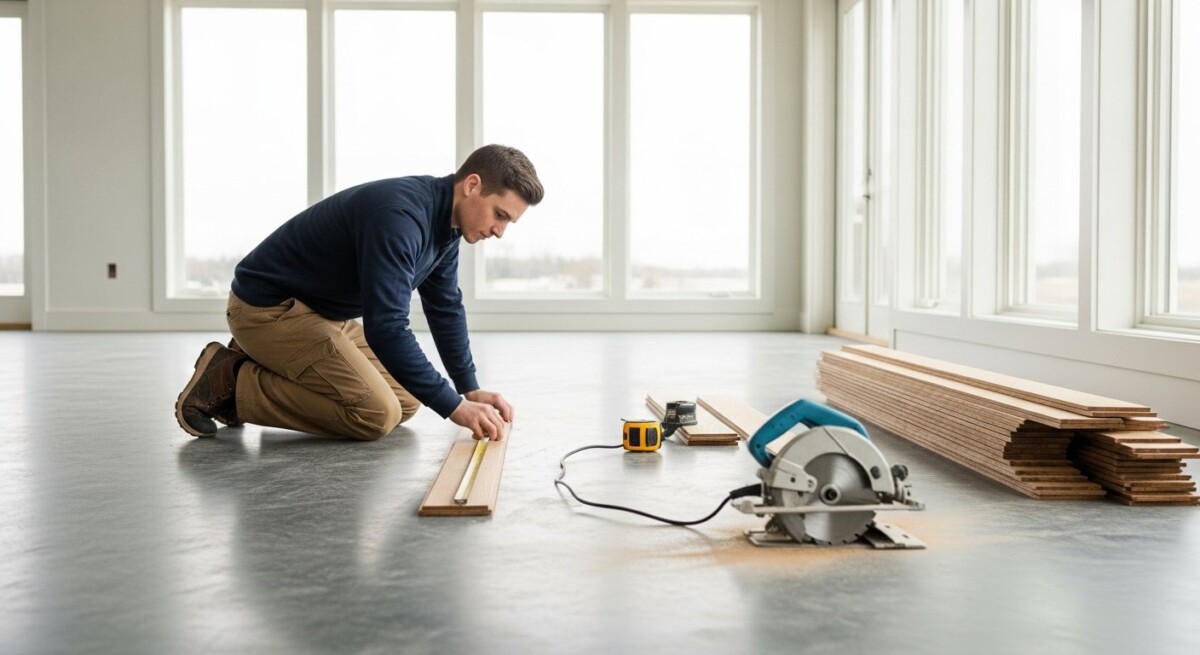
Residential Remodeling: A Step-by-Step Homeowner Guide
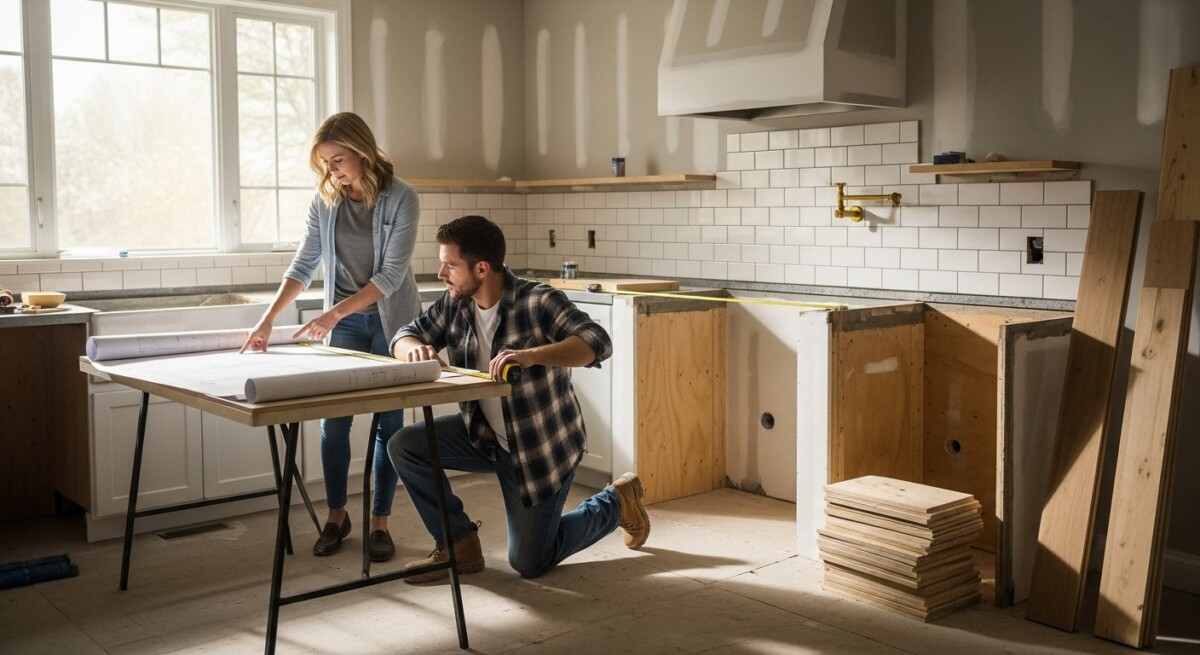
Your home is more than just a place to live. It is a reflection of your lifestyle, your comfort, and your long-term investment. Yet, over time, every house begins to show its age. Outdated layouts, worn finishes, and inefficient systems can make even the most beloved home feel stale. That is where residential remodeling steps in as a powerful solution. Whether you are updating a single bathroom or undertaking a full home renovation, the process can dramatically improve your daily life and increase property value. But remodeling is not without its challenges. From budgeting to contractor selection, every decision matters. This guide walks you through the essential steps of a successful residential remodeling project, helping you avoid common pitfalls and achieve the home of your dreams.
Why Residential Remodeling Is Worth the Investment
Many homeowners hesitate to start a remodeling project because of the perceived cost and disruption. However, well-planned residential remodeling delivers significant returns. According to industry data, minor kitchen remodels recoup over 80% of their cost at resale, while bathroom updates often yield 70% or more. Beyond financial gains, remodeling enhances livability. A redesigned kitchen can make meal prep easier, an added bathroom reduces morning congestion, and energy-efficient windows lower utility bills.
Beyond these practical benefits, remodeling allows you to personalize your space. You can adapt your home to changing needs, such as accommodating aging family members or creating a home office. The emotional payoff is equally important. Living in a home that feels current and functional reduces stress and increases daily satisfaction. With the right approach, residential remodeling transforms not just your house but your quality of life.
To maximize these benefits, you need a clear plan. Start by defining your goals. Are you remodeling to sell soon, or do you plan to live in the home for years? Your answer will influence budget, material choices, and scope. Next, assess your home’s current condition. A thorough inspection can reveal hidden issues like outdated wiring or water damage that must be addressed before cosmetic upgrades. This upfront work ensures your remodeling project is built on a solid foundation.
Planning Your Residential Remodeling Project
Proper planning is the cornerstone of any successful renovation. Without a detailed roadmap, costs spiral, timelines stretch, and results disappoint. The planning phase should begin with a clear vision. Gather inspiration from magazines, online platforms, and showrooms. Create a list of must-haves versus nice-to-haves. For example, in a kitchen remodel, a new island might be essential, while luxury countertops could be a flexible upgrade.
Once you have a vision, it is time to set a realistic budget. A common rule of thumb is to allocate 10-20% of your home’s current value for major renovations. However, every project is unique. Break down costs into categories: design fees, materials, labor, permits, and a contingency fund of 10-15% for unexpected issues. Use online cost calculators and consult multiple contractors to get accurate estimates. Remember, the cheapest quote is not always the best. Quality work often comes at a higher price but saves headaches later.
Next, consider the timeline. A small bathroom remodel typically takes 3-5 weeks, while a whole-house renovation can last 4-6 months. Discuss your schedule with potential contractors and plan for temporary living arrangements if the project makes your home uninhabitable. Communication is key. Establish clear milestones and check-in points to ensure the project stays on track. For additional guidance, explore our residential remodeling services that outline common project scopes and timelines.
Budgeting for a Successful Remodel
Budgeting is often the most stressful part of residential remodeling. But with careful management, you can keep costs under control without sacrificing quality. Start by determining your total available funds. Can you pay cash, or do you need financing? Many homeowners use home equity loans, personal loans, or contractor financing. Factor in interest rates and repayment terms to choose the best option for your situation.
A detailed line-item budget helps prevent overspending. Here are the main cost categories you should plan for:
- Design and Permits: Architectural plans, engineering fees, and building permits typically account for 5-15% of the total budget.
- Materials: Flooring, cabinetry, countertops, fixtures, and finishes. Prices vary widely by quality and brand. Shop around for the best value.
- Labor: Contractor fees, subcontractor costs (electricians, plumbers, carpenters). Labor often makes up 40-60% of the budget.
- Contingency Fund: Set aside 10-15% for surprises like dry rot or structural issues uncovered during demolition.
Once you have a budget, stick to it. Avoid last-minute changes that add cost. If you want to upgrade a feature, find savings elsewhere. For instance, choose mid-range flooring instead of premium tile to free up money for better appliances. Track expenses diligently using a spreadsheet or budgeting app. Regularly review spending with your contractor to catch overruns early.
Financing can be a helpful tool. Many homeowners turn to home improvement loans or credit lines. Before committing, compare interest rates and terms. Some contractors offer in-house financing, but always read the fine print. A well-managed budget ensures your residential remodeling project adds value without causing financial strain.
Choosing the Right Contractor for Your Residential Remodeling
Your choice of contractor can make or break your remodeling experience. A skilled, reliable professional delivers quality work on time and within budget. A poor choice leads to delays, shoddy craftsmanship, and legal disputes. So how do you find the right partner? Start by asking for recommendations from friends, family, and neighbors. Online reviews and ratings on platforms like the Better Business Bureau also provide insight. Look for contractors who specialize in the type of work you need, whether it is kitchen remodeling, bathroom renovation, or whole-home updates.
Once you have a shortlist, vet each candidate thoroughly. Check their license and insurance. A reputable contractor carries liability insurance and workers’ compensation to protect you from liability. Ask for references and follow up. Visit completed projects if possible. During interviews, assess their communication style. Do they listen to your ideas? Do they explain the process clearly? A contractor who is transparent and responsive is more likely to deliver a smooth experience.
Get at least three written bids. Compare not only the total price but also the scope of work, materials specified, and payment schedule. Avoid contractors who demand a large upfront deposit. Standard practice is to pay in installments tied to project milestones. Finally, sign a detailed contract that includes a timeline, payment terms, change order procedures, and warranty information. For a deeper look at this process, refer to our comprehensive residential remodeling guide which covers contractor vetting in more detail.
Platforms like USremodel simplify this process. By connecting you with pre-screened independent contractors, they help you compare multiple quotes and find a professional who fits your project and budget. Instead of cold-calling dozens of contractors, you can submit one request and receive customized offers. This saves time and gives you leverage to negotiate.
The Remodeling Process: What to Expect
Understanding the typical flow of a remodeling project reduces anxiety and helps you prepare. While every project is unique, most residential remodeling follows these stages:
- Design and Planning: Finalize plans, select materials, obtain permits. This phase takes 2-8 weeks depending on complexity.
- Demolition: Removal of old fixtures, cabinets, walls. This is loud and messy but exciting progress. Expect 1-5 days.
- Rough-In Work: Electrical, plumbing, and HVAC rough-ins. Walls are open, so this is the time to address hidden issues.
- Installation: New flooring, cabinetry, countertops, fixtures. This stage brings your vision to life.
- Finishing Touches: Painting, trim work, hardware, lighting. Final inspections and cleanup.
Each stage has its own challenges. Communication with your contractor is vital. Weekly site meetings or progress photos keep you informed. Be prepared for delays. Material backorders, weather, or unexpected structural problems can push the schedule. A good contractor will update you promptly and offer solutions.
During the renovation, protect your belongings. Seal off work areas with plastic sheeting to contain dust. Move furniture and valuables to a safe location. If you are living in the home, establish a temporary kitchen or bathroom to minimize disruption. Keep a positive mindset. The temporary chaos leads to a beautiful result.
Maximizing Your Home’s Value Through Remodeling
Not all remodeling projects offer the same return on investment. To maximize value, focus on updates that appeal to a broad range of buyers when you sell, or that deliver the most enjoyment for your family. Kitchens and bathrooms consistently top the list for high returns. A mid-range kitchen remodel can recoup 60-80% of costs, while a bathroom addition often returns 50-60%. Energy-efficient upgrades like new windows, insulation, and solar panels also attract eco-conscious buyers and lower utility bills.
Curb appeal matters too. New siding, a fresh coat of paint, or a modern front door can greatly boost first impressions. Outdoor living spaces, such as decks and patios, have become increasingly popular post-pandemic. They extend your livable area and are relatively cost-effective. Basement and attic conversions add square footage without expanding the footprint, offering high returns per square foot.
When planning your residential remodeling, think long-term. Avoid overly trendy designs that may look dated in a few years. Stick to neutral palettes and timeless materials. Quality craftsmanship and durable products ensure your improvements last. If you plan to sell within five years, consult a real estate agent to identify which upgrades are most valued in your local market. For more insights on project selection, learn more about residential remodeling from USremodel’s resources.
Ultimately, the best remodeling project is one that balances your personal satisfaction with financial prudence. Whether you are upgrading for yourself or preparing to list your home, careful planning and expert execution make all the difference.
Residential remodeling is a journey that requires patience, research, and the right team. By setting clear goals, budgeting wisely, choosing a reputable contractor, and understanding the process, you can transform your home into a space that truly works for you. Platforms like USremodel are here to simplify the search for qualified professionals, giving you confidence and peace of mind. Start your project today and enjoy the lasting rewards of a well-remodeled home.