ADU Construction Guide: What Homeowners Need to Know
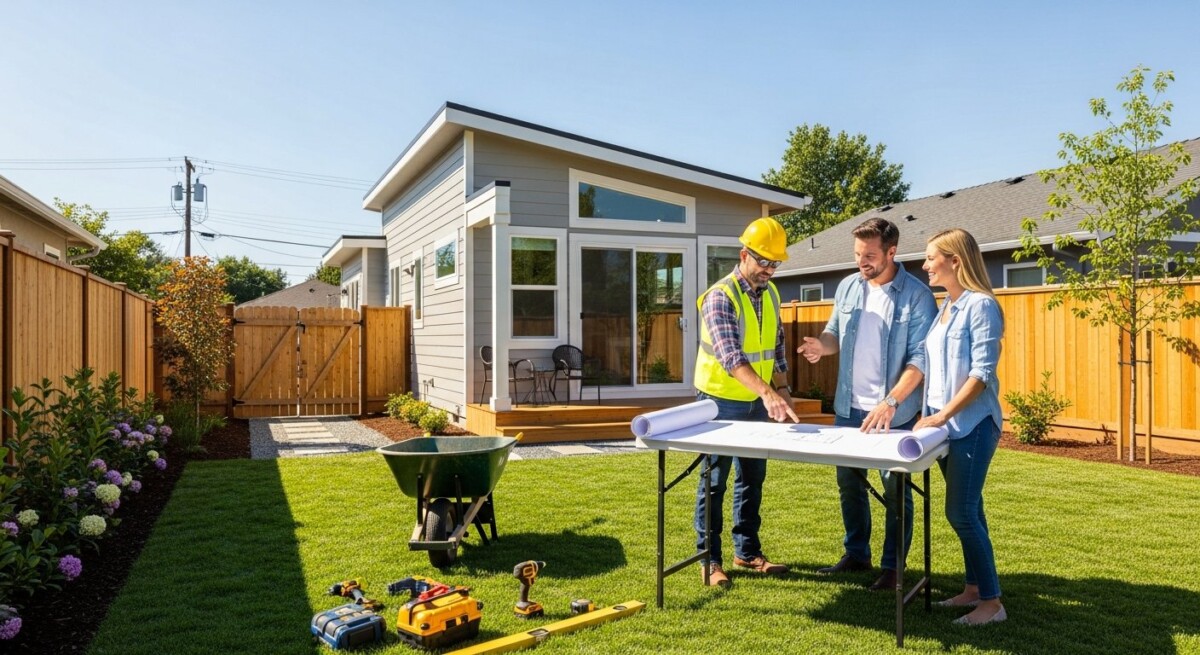
Adding an accessory dwelling unit (ADU) to your property is one of the smartest home improvement investments you can make. Whether you need a rental income stream, a space for aging parents, or a private home office, ADU construction offers flexibility and long-term value. But the process involves planning, permits, financing, and skilled labor. This guide walks you through every critical step so you can approach your project with confidence and avoid costly surprises.
What Is an ADU?
An ADU is a secondary housing unit on a single-family lot. It has its own kitchen, bathroom, and living area. Common types include detached backyard cottages, attached additions over garages, and converted garages or basements. Local zoning rules define size limits, setback requirements, and parking mandates. Understanding these rules early in your ADU construction planning prevents expensive redesigns later.
Many homeowners choose a detached ADU for maximum privacy. Others prefer a garage conversion because it reuses existing space and may require less foundation work. Attached ADUs share a wall with the main house and often cost less than detached units. Your property layout, budget, and local regulations will determine the best option.
Key Benefits of Building an ADU
Before diving into ADU construction, consider the advantages that make this project worthwhile for many homeowners.
- Rental income , A finished ADU can generate steady monthly cash flow, often enough to cover the construction loan payments and then some.
- Increased property value , Homes with a legal, well-built ADU typically sell for 20 to 35 percent more than comparable homes without one.
- Multigenerational living , An ADU gives aging parents or adult children independence while keeping them close.
- Home office or guest suite , Remote work and visiting relatives are easier with a dedicated, separate space.
These benefits can offset the upfront investment. However, realizing them depends on proper planning, quality construction, and compliance with local codes. Skipping any of these steps can reduce the return on your project or even lead to fines.
Understanding ADU Construction Costs
ADU construction costs vary widely based on size, location, materials, and labor rates. A typical detached ADU in the United States ranges from $80,000 to $200,000 or more. Garage conversions tend to be cheaper at $40,000 to $80,000 because they reuse the existing structure. Factors like adding a full foundation, upgrading electrical service, or installing a separate sewer line can increase the price significantly.
To build an accurate budget, break down the costs into these categories:
- Design and permitting , Architect fees, engineering reports, and permit fees often total $5,000 to $15,000.
- Site preparation , Grading, tree removal, and utility extensions can add $5,000 to $20,000.
- Foundation and framing , Concrete work and structural framing run $20,000 to $50,000 for a typical 600-square-foot unit.
- Interior finishes and systems , Plumbing, electrical, HVAC, insulation, drywall, flooring, cabinets, and fixtures account for the largest portion: $40,000 to $100,000.
Getting multiple itemized quotes from contractors is essential. A platform like USremodel can connect you with pre-screened professionals who understand local pricing and can provide accurate estimates for your specific project.
Permits, Zoning, and Regulations
Permitting is often the most confusing part of ADU construction. Every city and county has its own rules regarding maximum square footage, height limits, lot coverage, and owner-occupancy requirements. In many jurisdictions, you must submit site plans, floor plans, structural calculations, and sometimes energy compliance documents. Failure to obtain the proper permits can result in stop-work orders, fines, or even an order to tear down the unit.
Start by visiting your local planning department or their website. Ask about ADU-specific ordinances. Some states have streamlined ADU laws that limit local restrictions. For example, California mandates that cities must approve ADU permits ministerially if they meet certain criteria. Check whether your property is in a flood zone, historic district, or homeowners association that imposes additional rules. Your contractor should have experience navigating these processes. When you use USremodel to find a contractor, you can filter for those who specialize in ADU projects and have a track record of successful permit approvals.
Financing Your ADU Project
Because ADU construction is expensive, most homeowners need financing. Common options include:
- Home equity loan or HELOC , Use the equity in your primary residence. Interest rates are generally lower than unsecured loans.
- Cash-out refinance , Replace your existing mortgage with a larger one and use the difference to fund the ADU.
- Renovation loan (FHA 203(k) or Fannie Mae HomeStyle) , These government-backed loans let you borrow based on the future value of the home after the ADU is built.
- Personal savings or family loan , No interest payments, but requires liquid capital.
Each option has pros and cons regarding interest rates, closing costs, and repayment terms. Talk to a lender who understands ADU projects. Some contractors offer payment plans or work with financing partners. When you request quotes through USremodel, you can ask potential contractors about financing assistance they may recommend.
How to Select the Right Contractor for ADU Construction
Choosing the wrong contractor can turn your dream ADU into a nightmare of delays, cost overruns, and shoddy work. Because ADU construction involves complex systems and strict code compliance, you need a contractor with specific experience. Look for a licensed, insured builder who has completed at least two or three similar projects. Ask for references and visit completed ADUs if possible.
Here are five tips to vet potential contractors:
- Verify licensing and insurance , Request their license number and proof of general liability and workers’ compensation coverage.
- Review past ADU work , Ask for photos of finished ADUs, especially those that required similar permitting.
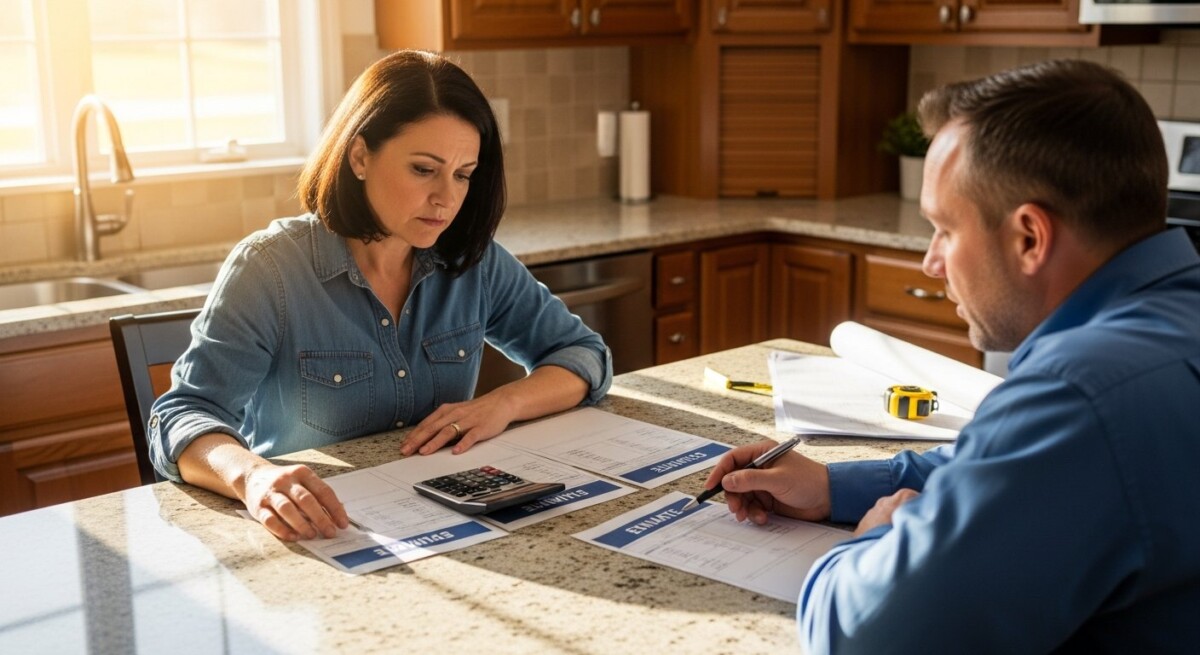
- Get at least three detailed bids , Each bid should break down materials, labor, permits, and timeline.
- Check online reviews and Better Business Bureau ratings , Look for consistent complaints about communication or budget overruns.
- Use a trusted platform , USremodel pre-screens contractors and matches you with professionals who are ready to provide free, customized quotes. This saves you time and reduces the risk of hiring an unqualified builder.
Once you narrow the field, hold a face-to-face meeting to discuss your timeline, payment schedule, and how they handle changes or unexpected issues. A good contractor will be transparent about challenges and work with you to find solutions.
The ADU Construction Process , Step by Step
Understanding the typical workflow helps you manage expectations and coordinate with your contractor. While every project is unique, most ADU constructions follow these major phases:
- Design and pre-construction , Work with an architect or designer to create plans that meet zoning and your needs. Submit for permit.
- Site preparation , Clear the area, mark utility lines, and lay the foundation or reinforce existing slab.
- Framing and rough-in , Build the structure, install roof sheathing, and run plumbing, electrical, and HVAC lines.
- Insulation and drywall , Seal the envelope, install insulation, and hang drywall. This is a good time for a mid-project inspection.
- Interior finishes , Paint, flooring, cabinets, countertops, fixtures, and trim work.
- Final inspections and occupancy , Pass local building, electrical, plumbing, and mechanical inspections. Get a certificate of occupancy.
Each phase has dependencies. Delays in permitting or material availability can push the entire schedule. A skilled contractor will build a realistic timeline with buffer days. Expect the total duration to range from 4 to 9 months for a detached ADU, depending on complexity and weather.
Final Tips for a Smooth Project
Communication is the single most important factor in a successful ADU construction. Set up weekly check-ins with your contractor to review progress, budgets, and upcoming decisions. Keep a digital folder with all permits, contracts, change orders, and receipts. If something goes wrong, address it immediately rather than waiting until the end.
Plan for unexpected costs. Most experts recommend a 10 to 15 percent contingency fund. Common surprises include soil issues that require deeper footings, utility relocation, or material price increases. Having that buffer prevents you from having to pause the project or take on high-interest debt.
Finally, remember that ADU construction is an investment in your property and your lifestyle. The right contractor, proper permitting, and careful financial planning will pay off for years to come. To get started, visit USremodel and fill out a quick form to receive free, no-obligation quotes from top-rated ADU contractors in your area. They can help turn your vision into a reality while keeping the process manageable and transparent.