Renovation Atlanta Georgia: A Homeowner’s Blueprint
Atlanta’s real estate market is as dynamic as its skyline. For homeowners in the Peach State’s capital, a strategic renovation Atlanta Georgia can unlock hidden equity, modernize a dated floor plan, and improve daily comfort. Whether you own a Craftsman bungalow in Inman Park, a mid-century ranch in Decatur, or a newer construction in Buckhead, the decision to remodel involves navigating local codes, climate considerations, and contractor reliability. This guide walks you through the critical steps to plan, budget, and execute a successful home renovation in Atlanta, helping you avoid costly missteps and achieve the home you envision.
Atlanta’s diverse neighborhoods each come with their own architectural character and renovation challenges. From historic districts with strict preservation guidelines to suburban communities with homeowners associations, understanding your property’s specific context is the first step. Additionally, Georgia’s humid subtropical climate demands thoughtful material selection and proper moisture management. A well-planned renovation not only enhances your living space but also positions your home competitively in Atlanta’s ever-evolving housing market.
Why Renovation in Atlanta Georgia Demands Local Expertise
Renovating a home in Atlanta is not the same as remodeling in a different region. The city’s building codes, permit processes, and even the availability of skilled trades vary significantly. For example, the City of Atlanta requires permits for structural changes, electrical work, plumbing alterations, and even some roofing projects. Working with a contractor who understands these local requirements can save you weeks of delays and potential fines.
Beyond permits, Atlanta’s climate directly influences material choices. High humidity and frequent rain mean that moisture-resistant drywall, proper flashing around windows, and adequate attic ventilation are non-negotiable. Many local homeowners have found that investing in energy-efficient windows and insulation not only lowers utility bills but also qualifies for federal tax credits or local rebates. In our guide on remodeling Atlanta Georgia, we explain how to select materials that withstand the region’s freeze-thaw cycles and summer heat.
Planning Your Atlanta Home Renovation: Budget, Scope, and Timeline
Before swinging a hammer, you need a clear plan. Start by defining the scope of your renovation Atlanta Georgia project. Are you updating a single bathroom, adding a home office, or undertaking a full gut renovation? Each scale requires a different level of financial commitment and contractor involvement. A well-defined scope prevents scope creep, which is one of the most common reasons renovation budgets blow out.
Setting a Realistic Budget
Your budget should account for three major categories: materials, labor, and contingencies. In Atlanta, labor costs for skilled trades like plumbing and electrical work range from $50 to $150 per hour depending on complexity and season. Material costs fluctuate based on supply chain conditions, so it is wise to get current quotes for big-ticket items like flooring, cabinetry, and fixtures. A general rule of thumb is to set aside 10 to 20 percent of your total budget for unexpected issues such as hidden water damage, outdated wiring, or termite repairs.
Creating a Realistic Timeline
Most Atlanta renovations take longer than homeowners anticipate. A kitchen remodel typically spans 6 to 10 weeks, while a whole-house renovation can take 4 to 8 months. Weather plays a role: spring and fall offer ideal conditions for exterior work, while summer humidity can slow down paint drying and concrete curing. Discuss your timeline with potential contractors early, and build in buffer weeks for material delays or permit approvals. The City of Atlanta’s permit office can take 2 to 4 weeks to review applications for major projects.
Choosing the Right Contractor for Your Project
Perhaps the most critical decision in any renovation Atlanta Georgia is selecting a qualified contractor. A great contractor brings not only technical skill but also project management expertise, local code knowledge, and a network of reliable subcontractors. To find the right fit, follow these steps:
- Verify licensing and insurance: Georgia requires residential contractors to hold a state license for projects over $2,500. Ask for proof of general liability and workers’ compensation insurance.
- Check references and recent work: Request at least three references from projects similar in size and scope. Drive by completed jobs if possible, and ask homeowners about communication, timeline adherence, and cleanliness.
- Review contracts thoroughly: A solid contract includes a detailed scope of work, payment schedule, start and completion dates, warranty terms, and a process for change orders. Never sign a contract that leaves major details vague.
Once you have narrowed your list, interview at least three contractors. Ask how they handle unexpected issues, how often they communicate updates, and who will be on-site daily. A contractor who is transparent about their process is more likely to deliver a smooth experience. The platform USremodel connects homeowners with vetted contractors for various home improvement projects, making it easier to compare quotes and find professionals who meet your specific needs.
Maximizing Home Value Through Strategic Renovations
Not all renovations add equal value to your Atlanta home. According to industry data, the highest return on investment (ROI) typically comes from kitchen updates, bathroom remodels, and adding usable square footage. In Atlanta’s competitive market, features like open-concept layouts, energy-efficient appliances, and outdoor living spaces are highly desirable to buyers.
Consider these high-ROI improvements for your renovation Atlanta Georgia project:
- Kitchen refresh: Replacing countertops, cabinet fronts, and appliances can yield a 60 to 80 percent ROI. Focus on mid-range finishes that appeal to a broad audience.
- Bathroom update: A master bath remodel with modern fixtures, a walk-in shower, and good lighting often recoups 55 to 70 percent of costs at resale.
- Deck or patio addition: Atlanta’s mild winters make outdoor living a year-round amenity. A well-built deck or screened porch can return 65 to 75 percent of its cost.
Energy efficiency upgrades also appeal to today’s buyers. Replacing old windows, adding attic insulation, and installing a programmable thermostat not only reduce utility bills but also make your home more marketable. Many Atlanta homeowners have found that combining cosmetic updates with energy improvements creates a compelling selling point.
Navigating Permits and Regulations in Atlanta
Atlanta’s permitting process exists to ensure safety and compliance with building codes. Depending on your project’s scope, you may need permits for structural alterations, electrical work, plumbing, mechanical systems, and even certain roofing or siding replacements. Working without required permits can lead to stop-work orders, fines, and complications when selling your home.
Your contractor should handle permit applications, but it pays to understand the basics. The City of Atlanta’s Building Department reviews plans for compliance with the International Residential Code (IRC) and local amendments. For projects in historic districts like Grant Park or Virginia-Highland, additional approval from the Urban Design Commission may be required. Plan for a 2- to 4-week review period, and factor this into your timeline.
If you are considering a major addition or structural change, hiring an architect or structural engineer early in the process can streamline permit approval. These professionals prepare detailed drawings that meet code requirements, reducing the likelihood of revisions. While this adds upfront cost, it often saves time and frustration later.
Sustainable and Energy-Efficient Renovation Options
Atlanta homeowners increasingly prioritize sustainability in their renovations. Energy-efficient upgrades reduce carbon footprint and lower monthly expenses. Consider incorporating these features into your renovation Atlanta Georgia project:
- Solar-ready roofing: If your roof is due for replacement, choose materials compatible with future solar panel installation. Many Atlanta homes receive ample sunlight for photovoltaic systems.
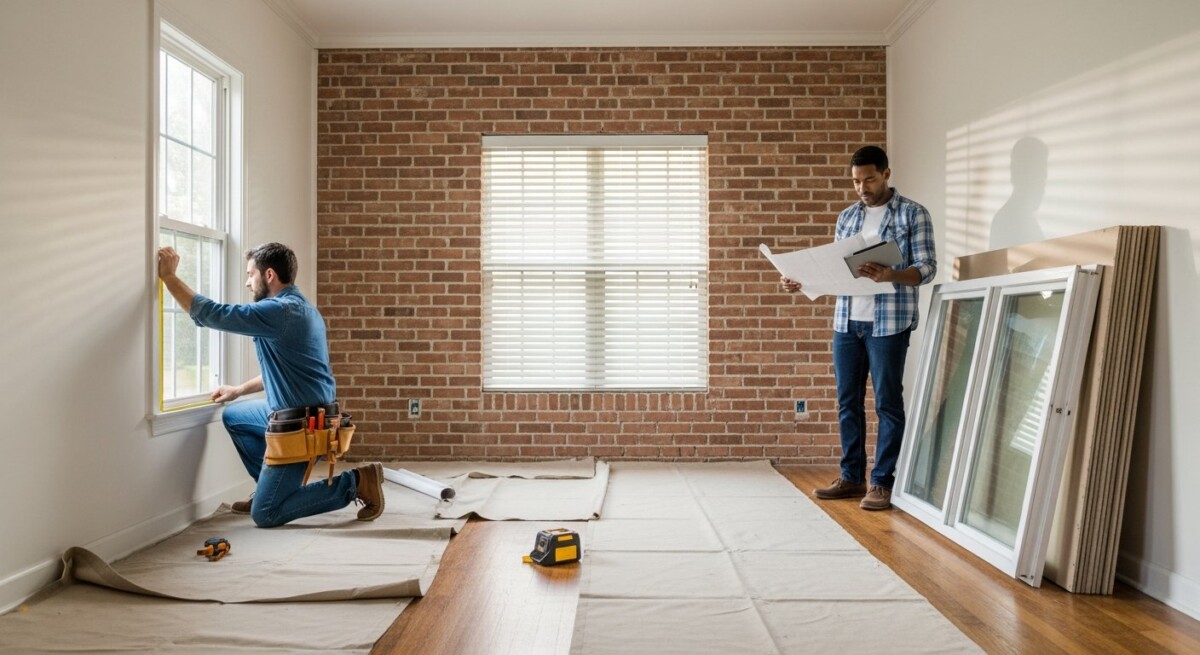
- High-performance windows: Double-pane, low-E glass windows reduce heat gain in summer and heat loss in winter, improving comfort and reducing HVAC load.
- Water-saving fixtures: Low-flow toilets, faucets, and showerheads conserve water without sacrificing performance. In a city with periodic drought concerns, these fixtures are both responsible and attractive to buyers.
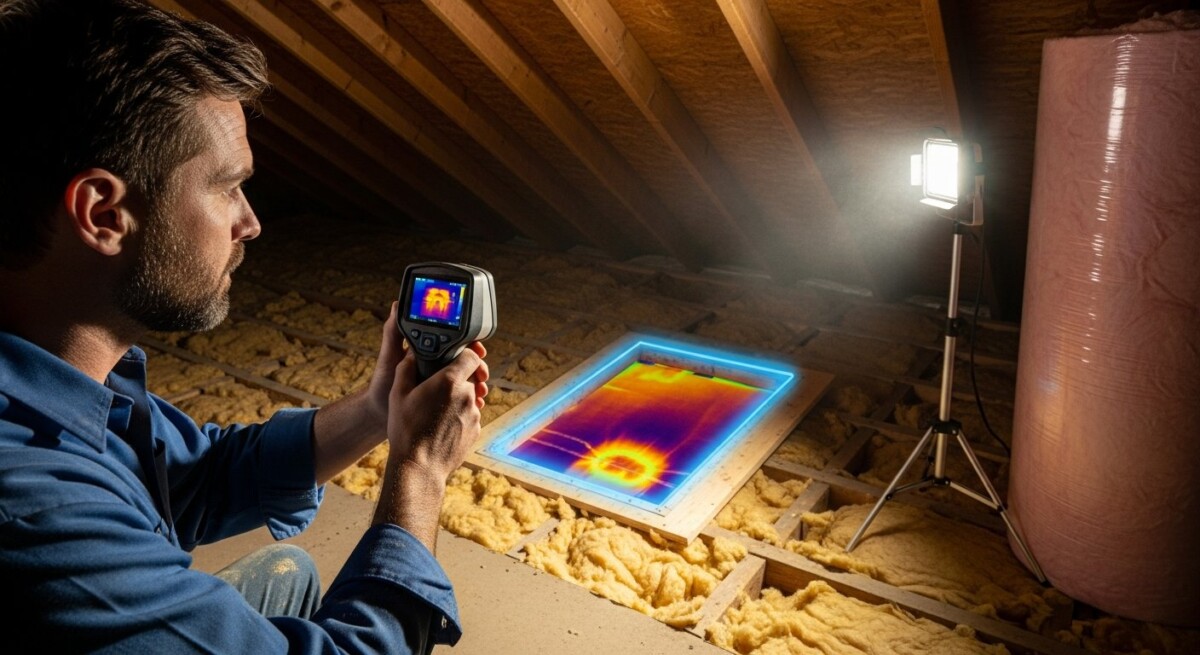
Beyond individual products, consider the building envelope. Proper air sealing and insulation in attics, walls, and crawl spaces prevent drafts and moisture intrusion. Atlanta’s humid climate makes vapor barrier installation critical in crawl spaces to prevent mold and wood rot. A home energy audit before your renovation can identify the most impactful improvements, helping you prioritize investments that offer the greatest return.
Managing Your Renovation Project Successfully
Once the contract is signed and permits are issued, the real work begins. Effective project management keeps your renovation on track and minimizes stress. Establish a communication routine with your contractor: weekly check-ins via phone or in person, a shared project timeline, and a clear process for approving change orders. Document everything in writing, including approvals for material selections and any adjustments to the scope.
Prepare your household for disruption. Renovations generate dust, noise, and temporary loss of access to parts of your home. Set up a temporary kitchen if you are remodeling the main one, and designate a clean zone where you can escape the chaos. If you have children or pets, discuss safety measures with your contractor, such as securing work areas and keeping hazardous materials out of reach.
Most projects encounter surprises. When you uncover rotted wood, outdated wiring, or an unexpected plumbing issue, stay calm and collaborate with your contractor on a solution. A good contractor will present options with cost implications, allowing you to make informed decisions. Remember that your contingency budget exists precisely for these moments.
Finally, conduct a thorough walkthrough before making the final payment. Test all fixtures, appliances, and systems. Verify that finishes are installed correctly and that the work matches the approved plans. Address any deficiencies immediately, and obtain lien waivers from the contractor and subcontractors to protect yourself from future claims.
A successful renovation Atlanta Georgia transforms your home into a space that reflects your lifestyle and meets your needs for years to come. By planning carefully, choosing the right professionals, and staying engaged throughout the process, you can achieve beautiful results without unnecessary stress. Whether you are preparing to sell or creating your forever home, the investment you make today pays dividends in comfort, value, and peace of mind.