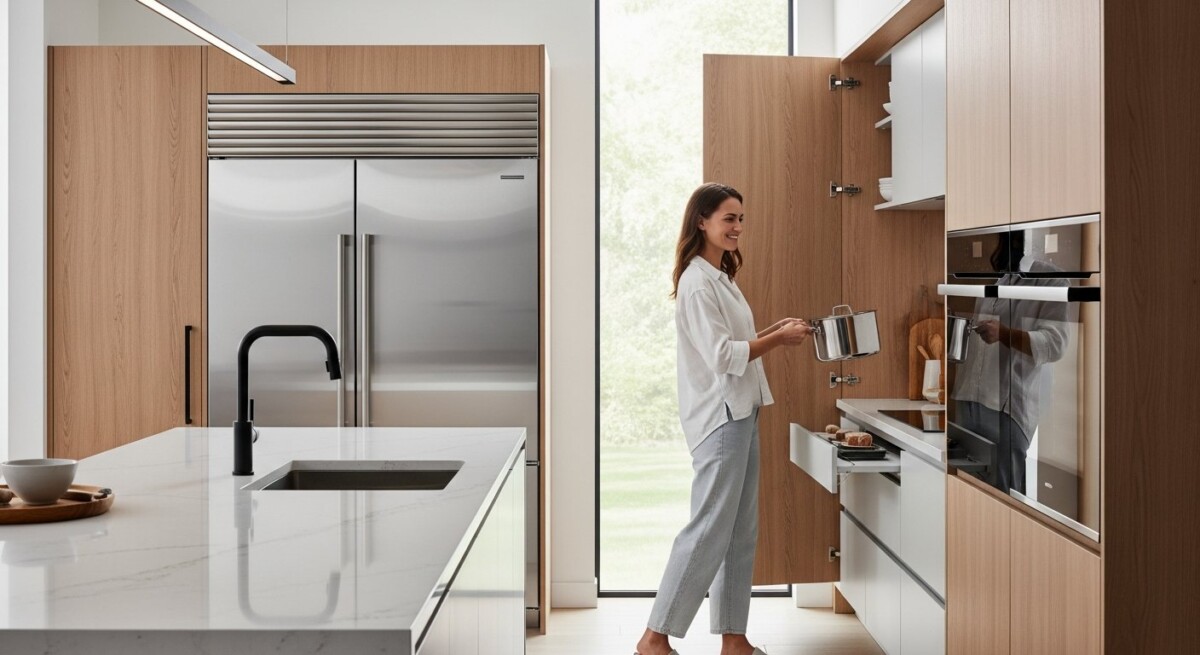
Your Complete Guide to Whole House Remodeling

Your home is your sanctuary, but over time, it can start to feel outdated, inefficient, or simply not suited to your family’s current lifestyle. Tackling one room at a time can feel like a never-ending project, leaving you with a patchwork of styles and a constant state of disruption. A whole house remodel addresses your entire home as a single, cohesive project, transforming it from the ground up to create a space that is beautiful, functional, and truly yours for years to come.
Understanding Whole House Remodeling
Whole house remodeling is a comprehensive approach to updating and improving your entire home. Unlike a simple kitchen update or bathroom refresh, it involves a coordinated plan that touches multiple areas of your house. The goal is to create a harmonious flow, update major systems, and improve the overall layout and functionality of your living space.
This type of project is about more than just new finishes. It often includes structural changes, electrical and plumbing updates, and improvements to your home’s insulation and energy efficiency. Think of it as giving your home a complete renewal from the inside out, where every decision is made with the bigger picture in mind.
It’s a Strategic Investment
A successful whole house remodel starts with a clear vision and a detailed plan. You’ll work with professionals to prioritize your needs,whether it’s an open-concept living area, a primary suite addition, or modernizing an older home’s infrastructure. This planning phase is crucial for setting a realistic budget, timeline, and ensuring all the pieces of the project fit together seamlessly.
Why It Matters for Homeowners
Undertaking a whole house remodel is a significant decision, but the benefits extend far beyond just a fresh coat of paint. It allows you to correct the flaws and frustrations you’ve lived with for years. That awkwardly placed wall, the lack of storage, or the dated floor plan can all be reimagined to suit how you actually live and use your home today.
Perhaps most importantly, a whole-house approach is often more efficient and cost-effective in the long run than doing multiple, separate projects over many years. By handling all major construction, plumbing, and electrical work at once, you minimize repeated disruption and can often secure better pricing from contractors. You also ensure that all the new elements of your home,from lighting to flooring,work together beautifully.
Ready to explore what a whole house transformation could look like for your home? Contact our team for a detailed consultation, or call us directly at (555) 123-4567 to discuss your vision.
Common Issues and Their Causes
Many homeowners consider a whole house remodel because they are facing a combination of persistent problems. These issues often stem from the age of the home, previous piecemeal updates, or simply a change in family needs.
Common triggers for a whole-house project include:
- Outdated Layouts: Closed-off kitchens, small compartmentalized rooms, and a lack of connection to outdoor spaces feel restrictive compared to modern open-plan living.
- Failing Systems: Aging electrical wiring, old plumbing pipes, and inefficient HVAC systems can be unreliable, unsafe, and costly to operate.
- Inconsistent Style: Years of different renovations can leave your home feeling disjointed, with a mix of flooring, cabinet styles, and finishes that don’t flow.
- Insufficient Storage: A lack of closets, pantry space, or built-in organization leads to clutter and makes daily life more difficult.
- Poor Energy Efficiency: Drafty windows, inadequate insulation, and old appliances result in high utility bills and an uncomfortable home environment.
How Professionals Fix the Problem
A professional remodeling team manages your project through a clear, structured process designed to minimize stress and ensure quality. It begins with an in-depth consultation to understand your goals, budget, and lifestyle needs. From there, designers and project managers create detailed plans and 3D renderings so you can see the final result before construction begins.
The construction phase is carefully sequenced. Typically, work starts with any necessary demolition, followed by updates to the “bones” of the house: framing, plumbing, electrical, and HVAC. Once the infrastructure is modernized and inspected, the team moves on to installing drywall, flooring, cabinets, and finishes. This logical progression keeps the project on track and ensures each trade can work efficiently.
Your project manager will be your main point of contact, coordinating all subcontractors, securing permits, and keeping you informed every step of the way. This professional oversight is what turns a daunting undertaking into a smooth and exciting journey toward your dream home.
Don’t navigate a complex remodel alone. Let our experienced project managers guide you. Call (555) 123-4567 to start planning with confidence.
Signs You Should Not Ignore
How do you know if your home needs a full remodel versus just a few updates? Sometimes, the signs are clear. If you find yourself constantly working around your home’s shortcomings or if small repairs are becoming more frequent and expensive, it may be time to consider a comprehensive solution.
Pay attention to these key indicators:
- You’re Constantly Making Compromises: Your family outgrows the space, you avoid entertaining because of the layout, or you simply don’t enjoy being in your own home.
- Maintenance is Overwhelming: You’re facing multiple major system failures (roof, furnace, plumbing) at once, signaling the home’s core components are reaching the end of their lifespan.
- Your Home Feels Unsafe or Unhealthy: Issues like mold, poor ventilation, knob-and-tube wiring, or lead paint are serious concerns that a remodel can properly address.
- Energy Bills are Skyrocketing: Despite your best efforts, your home is drafty and expensive to heat and cool due to poor insulation and outdated windows.
Cost Factors and What Affects Pricing
The cost of a whole house remodel varies widely because every home and homeowner’s vision is unique. Being upfront about your budget from the start helps your contractor guide your choices to get the best value. The major factors influencing price include the size of your home, the scope of structural changes, the quality of materials selected, and your geographic location.
Labor is typically one of the largest cost components, especially for skilled trades like plumbing, electrical, and custom carpentry. The level of finish,from standard stock cabinets to fully custom millwork,also has a significant impact. Remember to allocate a portion of your budget (usually 10-20%) for unexpected issues that may be discovered once walls are opened, such as outdated wiring or structural repairs.
An honest professional will provide a detailed, transparent estimate that breaks down costs by phase and category. This allows you to make informed decisions and prioritize where to invest for the greatest return in comfort, functionality, and long-term value.
Get a clear, detailed estimate tailored to your specific home and goals. Reach out for a free consultation by calling (555) 123-4567. We’ll help you understand the investment and explore financing options.
How To Choose the Right Professional or Service
Selecting the right team is the most critical step in ensuring a successful and stress-free remodel. Look for a licensed, insured, and established contractor with a proven portfolio of whole house projects. Read reviews and ask for references from past clients,and actually contact them to ask about their experience, communication, and how issues were resolved.
During interviews, pay attention to how they listen and communicate. Do they ask detailed questions about your lifestyle? Are their proposals clear and thorough? A trustworthy contractor will be transparent about timelines, costs, and potential challenges. They should also provide a solid contract that outlines the scope of work, payment schedule, warranty information, and change order process.
Long-Term Benefits for Your Home
The value of a whole house remodel goes far beyond immediate aesthetics. You gain a home that is safer, with updated electrical systems and plumbing that meet current codes. You enjoy greater comfort through improved insulation, temperature control, and noise reduction between rooms. Your daily life becomes easier with a logical, accessible layout and ample, well-designed storage.
Financially, a well-executed remodel can significantly increase your home’s market value and curb appeal. More importantly, you gain years of enjoyment and functionality from a space perfectly tailored to your family. It’s an investment in your quality of life, reducing daily frustrations and creating a backdrop for memories for decades to come.
Frequently Asked Questions
How long does a whole house remodel typically take?
The timeline depends on the scope and size of your home. A moderate whole-house renovation can take 3-6 months, while a large-scale project with additions or major structural changes may take 6-12 months. Your contractor will provide a detailed schedule after the planning phase.
Do we need to move out during the remodel?
It’s often recommended, especially for extensive remodels. Living in a construction zone can be stressful, dusty, and unsafe. If moving out isn’t possible, your contractor can help phase the work to keep a portion of the house livable, though this may extend the timeline.
How do we budget for unexpected issues?
A professional estimate will always include a contingency fund, typically 10-20% of the total project cost. This is reserved for unforeseen problems discovered during demolition, like rotten subflooring or outdated wiring, ensuring the project can continue smoothly.
Will a whole house remodel increase our property taxes?
Likely, yes. A significant renovation that increases your home’s square footage or market value will be reassessed by your local tax authority. It’s wise to check with your county assessor’s office to understand potential implications.
How do you ensure the new design will flow well?
Professional designers use floor plans, 3D renderings, and material samples to create a cohesive vision. They select consistent elements like flooring, trim, and color palettes that run throughout the home, creating a unified feel from room to room.
Can we remodel in phases to spread out the cost?
While possible, phasing a whole-house plan is often less efficient and can be more expensive long-term due to repeated mobilization costs. Financing the project as one complete job is usually more cost-effective and results in a more cohesive final product.
What’s the first step in starting a whole house remodel?
The first step is a consultation with a reputable remodeling contractor. Discuss your ideas, budget, and must-haves. They will assess your home, help refine your vision, and outline the feasibility, process, and next steps toward creating a detailed plan.
A whole house remodel is a substantial undertaking, but with the right planning and the right team, it is an incredibly rewarding journey. It’s an opportunity to reinvent your living space, enhance your daily life, and build lasting value into your most important investment,your home. By taking a comprehensive, professional approach, you can transform your existing house into the perfect home for your family’s future.