Why You Should Book a Remodeling Consultation
You walk into your kitchen every morning and feel a pang of frustration. The cabinets are worn, the layout feels awkward, and you dream of a space that actually works for your family. Or maybe you’ve been saving photos of beautiful bathroom renovations for years, but the thought of starting feels overwhelming. Many homeowners live with spaces that don’t suit their needs, unsure of where to begin or worried about the cost and chaos of a remodel. Ignoring these desires often means living in a home that feels increasingly outdated and inefficient, which can even impact your property’s value over time. The smartest first step to bridge the gap between dream and reality is to book a remodeling consultation.
Understanding a Remodeling Consultation
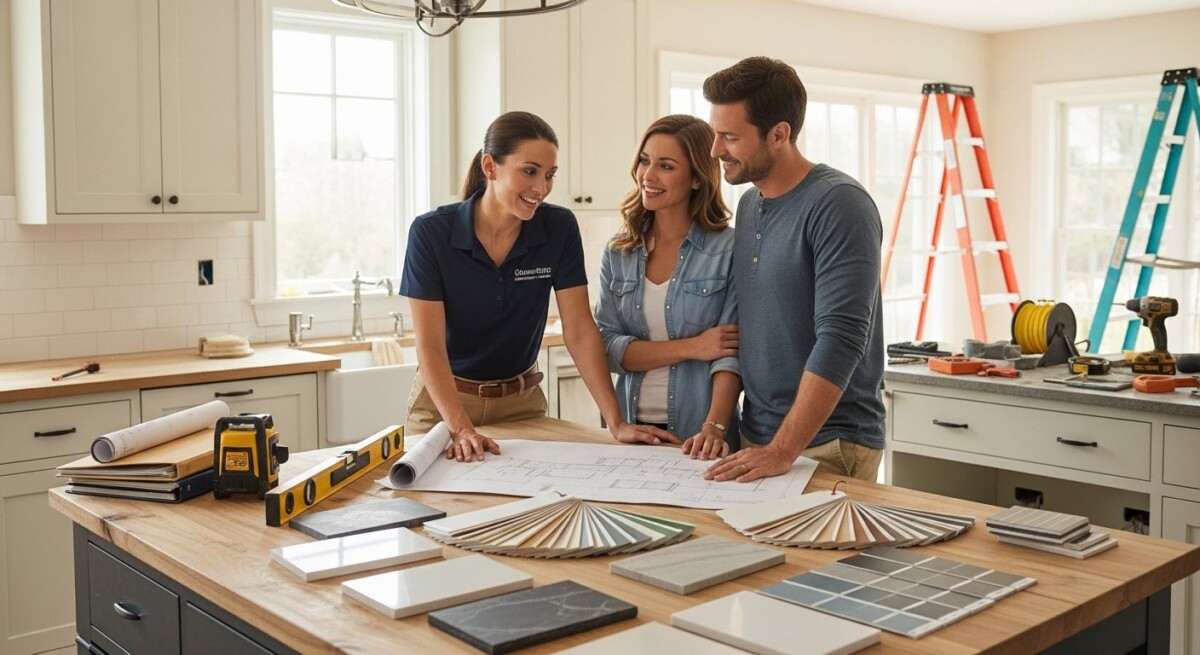
A remodeling consultation is a professional, no-obligation meeting between you and a contractor or designer. It’s your opportunity to discuss your ideas, challenges, and goals for your home in detail. Think of it as a discovery session where you get expert eyes on your space and start to form a realistic plan.
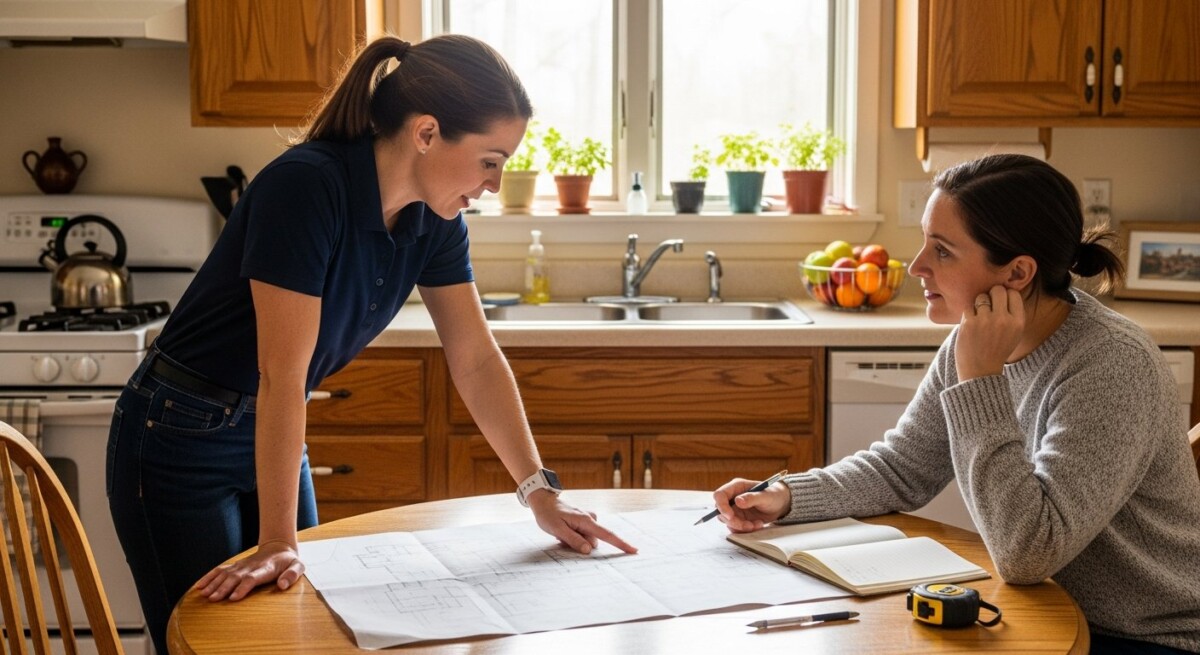
This meeting typically happens in your home, allowing the professional to see the actual conditions, take measurements, and understand the flow of your living areas. It’s not a sales pitch for a specific product, but a collaborative conversation to explore possibilities. The goal is to translate your vision into a feasible project scope, budget range, and timeline.
What Happens During the Consultation?
During a typical consultation, the professional will listen to your needs, ask clarifying questions, and offer initial insights. They will assess the structural and mechanical aspects of the space, like plumbing, electrical, and load-bearing walls. You’ll discuss design preferences, materials, and priorities to separate your “must-haves” from your “nice-to-haves.” By the end, you should have a clearer understanding of what your project entails and the next steps to move forward.
Why This Matters for Your Home
Your home is likely your largest investment, and its condition directly affects your daily comfort, safety, and financial well-being. A professional consultation protects that investment by providing a roadmap. Without expert guidance, it’s easy to underestimate complexities, which can lead to costly mistakes, project delays, or even unsafe modifications.
Delaying needed updates or tackling a complex project without a plan can have real consequences. Outdated electrical systems pose fire risks, leaking plumbing behind walls causes mold and structural rot, and poor layouts can make your home less functional and enjoyable. A consultation brings these potential issues to light early, allowing you to address them properly and prevent more expensive emergency repairs down the line.
If you notice signs of this issue in your home, it may help to speak with a qualified contractor. Request a free quote or call to explore your repair or remodeling options.
Common Problems Homeowners Experience
Homeowners often face a mix of practical problems and aspirational frustrations that signal it’s time for a remodel. These issues usually start small but gradually worsen, affecting how you live in and feel about your home. The most common triggers include daily annoyances that have built up over time.
For instance, a family might outgrow a home’s original layout, needing more storage or an extra bathroom. Others deal with the wear and tear of aging materials that are no longer efficient or safe. Recognizing these common problems is the first step toward seeking a solution that will improve your quality of life.
- Inefficient and Awkward Layouts: Kitchens with poor workflow, bathrooms that feel cramped, or homes lacking an open living area.
- Outdated and Worn-Out Materials: Cracked tiles, peeling countertops, stained cabinetry, or old carpeting.
- Insufficient Storage and Clutter: No place to put belongings, leading to a perpetually messy and stressful environment.
- Poor Energy Efficiency: Drafty windows, inadequate insulation, or old appliances that cause high utility bills.
- Lack of Safety and Accessibility: Slippery tubs, poor lighting, narrow doorways, or stairs that are difficult to navigate.
- Inadequate Lighting and Ventilation: Rooms that feel dark and cave-like or bathrooms that develop moisture and mold issues.
How Professionals Solve the Problem
A professional contractor or designer doesn’t just execute tasks; they solve holistic problems. They bring knowledge of building codes, access to quality materials, and a network of trusted subcontractors. Their experience allows them to foresee challenges you might not consider, such as permit requirements, structural limitations, or the optimal order of operations to save time and money.
The value lies in their systematic approach. They transform your scattered ideas and concerns into a coordinated plan with clear phases, defined costs, and managed expectations. This professional oversight ensures the work is done correctly the first time, adhering to safety standards and building best practices, which DIY projects often overlook.
- Discovery and Assessment: The professional listens to your goals, assesses your space, and identifies any hidden issues (like water damage or faulty wiring) that must be addressed.
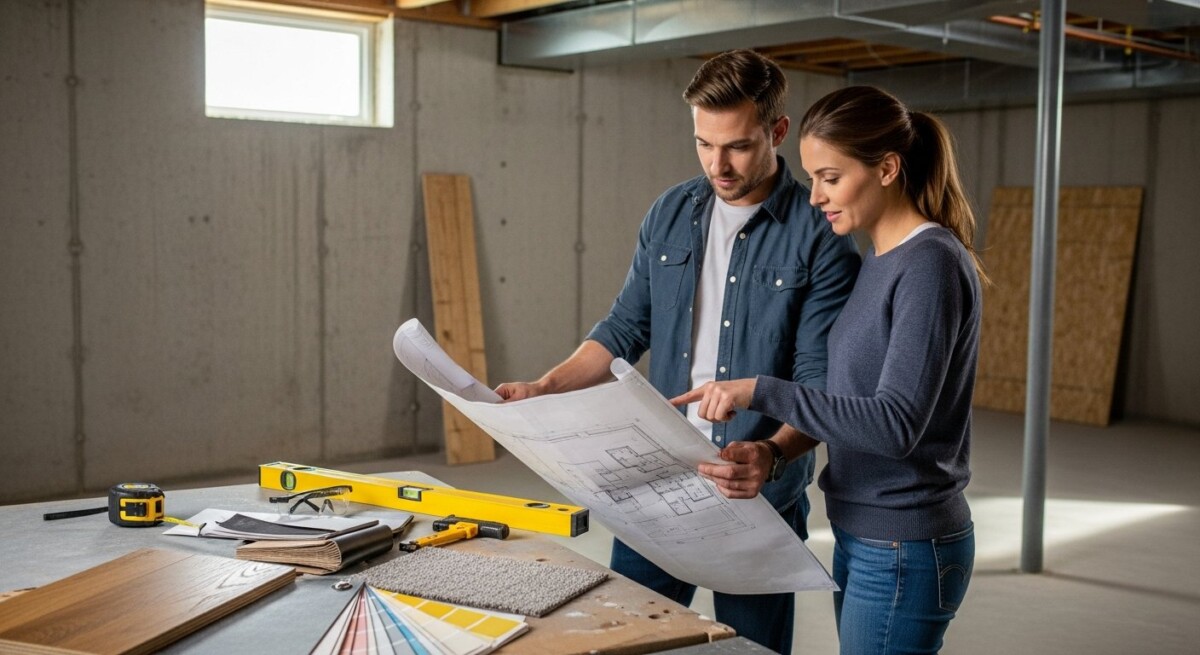
- Planning and Design: They help create a detailed plan, which may include drawings or 3D renderings, selecting materials, and finalizing a project scope.
- Budgeting and Scheduling: A detailed estimate is provided, breaking down costs for materials, labor, and permits. A realistic timeline is established.
- Execution and Project Management: The contractor manages the entire process, coordinating tradespeople, ordering materials, handling inspections, and keeping the project on track.
- Final Review and Completion: The work is finished, cleaned up, and reviewed with you to ensure everything meets the agreed-upon standards and your satisfaction.
A professional inspection can reveal hidden issues before they become expensive repairs. Compare contractor quotes here or call to discuss your project.
Warning Signs You Should Not Ignore
Often, the need for a remodel announces itself through clear, sometimes subtle, signals in your home. Paying attention to these signs can help you act before a small issue becomes a major, costly disaster. It’s about more than just aesthetics; it’s about the integrity and functionality of your living space.
Ignoring these warnings can compromise your home’s safety, efficiency, and value. For example, persistent moisture can lead to mold, which affects air quality, or a constantly tripping circuit breaker could indicate an overloaded electrical system. Proactive consultation allows you to tackle these issues as part of a planned improvement, rather than a panicked emergency repair.
- You avoid using a certain room because it’s dysfunctional or uninviting.
- You notice persistent drafts, moisture spots on ceilings or walls, or a sudden spike in energy bills.
- Storage is so chaotic you can’t find things, or you’re using rooms for purposes they weren’t designed for.
- Your family’s needs have changed (e.g., remote work, aging parents, growing children), but your home hasn’t adapted.
- You’re planning to sell in the next few years and know key updates will significantly boost resale value.
- You constantly daydream about or save inspiration photos for a home improvement project.
What Affects the Cost of Repairs or Installation
The cost of a remodeling project isn’t a one-size-fits-all number. It’s a variable equation based on your specific home, choices, and goals. Understanding the key factors that influence price helps you set a realistic budget and have more productive conversations with contractors. Transparency about costs from the beginning prevents surprises later.
Major factors include the size and complexity of the project, the quality of materials selected, and labor costs in your area. A simple cosmetic update will cost far less than reconfiguring plumbing walls or moving electrical panels. The age of your home also plays a role, as older homes often require updating underlying systems to meet current codes before new finishes can be installed.
Costs can vary depending on the condition of your home. The best way to know the price is to get a personalized estimate. Request free quotes from contractors or call today.
How to Choose the Right Contractor
Selecting the right professional is the most critical decision in your remodeling journey. A trustworthy contractor will be your partner, guide, and problem-solver. The goal is to find someone who is not only skilled but also communicates clearly, understands your vision, and makes you feel confident.
Start by seeking recommendations from friends, family, or neighbors whose projects you admire. Then, do your homework. A reputable professional will be happy to provide references, proof of insurance, and necessary licenses. This due diligence protects you from liability and ensures the work meets legal standards.
- Verify Credentials: Always check for a valid state license and general liability insurance. Ask for proof.
- Review Past Work: Look at online portfolios and read reviews on multiple platforms. Ask for references from past clients with similar projects.
- Get Detailed Estimates: Obtain written, itemized quotes from at least three contractors. This allows you to compare scope, materials, and cost fairly.
- Assess Communication: Choose someone who listens, answers questions patiently, and responds promptly. You’ll be working together for weeks or months.
- Understand the Contract: Ensure the final contract includes payment schedule, detailed scope of work, product specifications, and a projected timeline.
Long-Term Benefits of Professional Work
Investing in professional remodeling work pays dividends long after the project is complete. While the immediate benefit is a beautiful new space, the lasting advantages impact your wallet, safety, and daily life. Quality workmanship and materials stand the test of time, reducing the need for frequent repairs or touch-ups.
Beyond durability, a well-executed remodel enhances your home’s efficiency, safety, and market value. Updated windows and insulation lower heating and cooling costs. Modern electrical systems reduce fire risk. A functional, attractive kitchen or bathroom can significantly increase your home’s appeal to future buyers, offering a strong return on your investment when it’s time to sell.
How Long Does a Typical Remodeling Project Take?
Timelines vary greatly by project scope. A small bathroom update might take 2-3 weeks, while a full kitchen remodel or addition could take 2-4 months. During your consultation, the contractor should provide a realistic schedule, factoring in material lead times, inspections, and potential unforeseen issues. Good communication throughout the process will keep you informed of any adjustments.
Do I Need a Designer, or Can I Just Use a Contractor?
It depends on the project’s complexity. For straightforward projects like replacing fixtures or flooring, a skilled contractor may be sufficient. For layout changes, custom cabinetry, or whole-room designs, a designer can be invaluable. Many contracting firms have designers on staff or work closely with them. Discuss your needs during the consultation to determine the right team.
What Should I Do to Prepare for a Consultation?
Gather your inspiration photos, create a list of priorities and problems, and establish a rough budget range. Think about how you use the space and what you’d like to change. Also, have a list of questions ready for the contractor about their process, timeline, and experience. The more prepared you are, the more productive the meeting will be.
Are Permits Always Required for Remodeling Projects?
Most structural, electrical, and plumbing work requires a permit from your local building department. A reputable contractor will handle pulling all necessary permits, which ensures the work is inspected and meets safety codes. If a contractor suggests skipping permits to save time or money, it’s a major red flag.
How Much Should I Budget for Unexpected Issues?
It’s wise to set aside an additional 10-20% of your total project budget as a contingency fund. During demolition, hidden problems like water damage, outdated wiring, or structural issues are often discovered. A contingency fund allows you to address these surprises without derailing your entire project or finances.
Can I Live in My Home During the Remodel?
For most kitchen and bathroom remodels, yes, but it requires planning. The contractor will help you set up a temporary kitchenette or bathroom access. For large whole-house projects, you may need to arrange alternative living arrangements for a period. Discuss logistics and dust-containment plans during the consultation.
Taking the first step to improve your home doesn’t have to be daunting. A remodeling consultation is a low-pressure, high-value way to gain clarity, explore options, and make informed decisions. By addressing your home’s needs proactively with professional help, you invest in your comfort, safety, and financial future. The best path forward is to gather information,start by comparing detailed quotes from qualified local contractors to understand your specific project’s scope and cost.