Understanding Your Basement Remodeling Cost and Budget
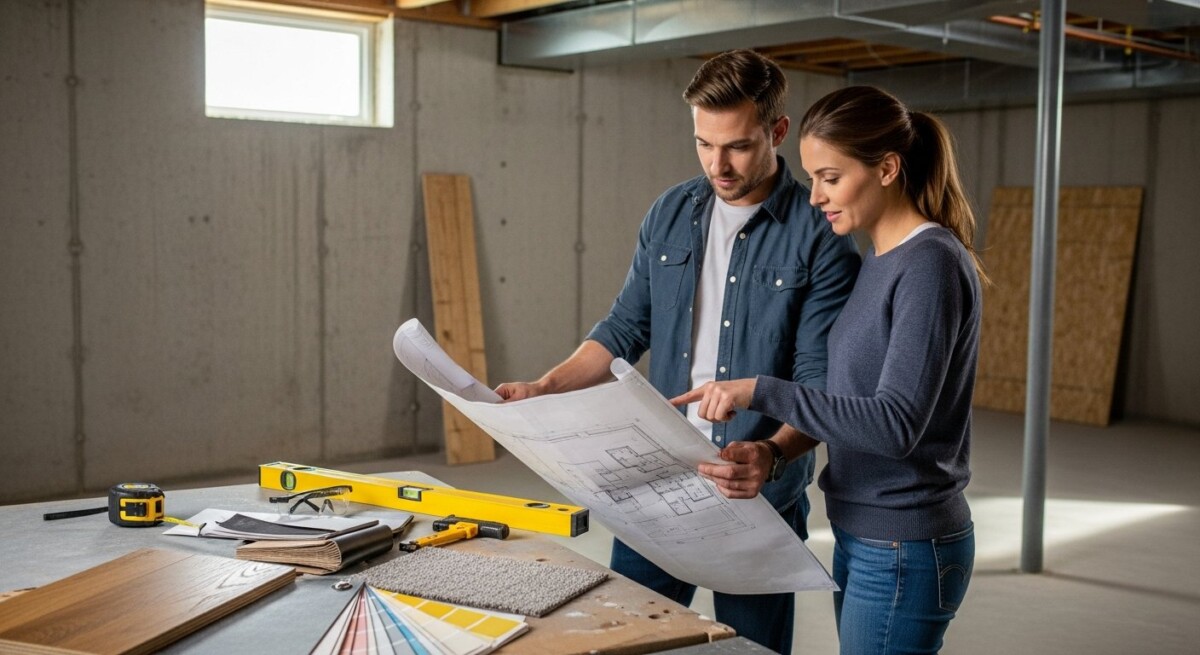
You’ve finally decided to tackle that unfinished basement. You picture a cozy family room, a guest suite, or maybe a home office. But as you start to plan, one big question looms: what will this actually cost? Many homeowners begin with a simple online search, only to find a dizzying range of prices that don’t seem to apply to their unique space. Ignoring the need for a realistic budget can lead to stalled projects, surprise expenses, or even cutting corners that compromise the quality and safety of your new living area.
Understanding Basement Remodeling Cost
Your basement remodeling cost is the total investment required to transform your unfinished or outdated basement into a safe, comfortable, and functional part of your home. It’s not just one price but a combination of many factors specific to your house and your vision.
This cost happens because a proper remodel involves multiple skilled trades, from framing and electrical work to plumbing and finishing. Every basement is different, with its own set of challenges and opportunities that directly impact the final price.
Older homes, homes with moisture issues, and those requiring significant structural updates are often most affected by higher costs. Understanding this from the start helps you plan a project that adds real value without unexpected financial stress.
Why This Matters for Your Home
Getting a clear picture of your basement remodeling cost is about more than just budgeting. It’s about protecting your investment and ensuring your new space is built to last. A well-planned remodel addresses hidden issues before they’re covered by drywall, preventing costly repairs down the road.
Cutting costs in the wrong areas can lead to serious problems. Improper moisture control can result in mold and mildew, affecting your family’s health and air quality. Skimping on electrical or structural work can create safety hazards. A realistic budget allows for professional solutions that prioritize safety, durability, and your long-term comfort.
If you notice signs of moisture, outdated wiring, or structural concerns in your basement, it may help to speak with a qualified contractor. Request a free quote or call to explore your repair or remodeling options.
Common Problems Homeowners Experience
When budgeting for a basement remodel, homeowners often encounter a few predictable challenges. These issues can quickly turn a straightforward project into a complex and expensive one if they aren’t identified and priced correctly from the beginning.
The most common problems usually relate to the existing condition of the basement space. What looks like a simple finishing job can uncover needs that must be addressed before any new flooring or walls can go in. This is why a detailed, professional assessment is so valuable.
- Moisture Intrusion and Foundation Cracks: Water seepage, high humidity, or condensation must be solved first.
- Insufficient or Outdated Wiring: Adding new rooms requires updated electrical circuits to handle modern loads safely.
- Low Ceilings and Obstructions: Ductwork, beams, or plumbing pipes can limit design options and increase framing costs.
- Lack of Proper Egress: Building codes often require legal bedrooms to have a full-sized window for emergency escape.
- Inefficient or Inadequate HVAC: Extending your home’s heating and cooling system adds cost but is essential for comfort.
- Uneven or Damaged Concrete Floors: Leveling and preparing the slab is a critical, and often overlooked, first step.
How Professionals Solve the Problem
An experienced contractor doesn’t just see a finished room; they see the necessary steps to get there safely and durably. They approach your basement remodeling cost as a roadmap, identifying each phase of work and its associated price. This process ensures nothing is missed and your investment is protected.
Professional work is more reliable than DIY because contractors bring knowledge of local building codes, relationships with trusted subcontractors, and experience solving the unique problems basements present. They manage the complex sequence of trades, from the initial rough-in work to the final finishes, ensuring each step is done correctly before the next begins.
- Comprehensive Inspection & Design: They assess moisture, structure, and systems to create a plan that addresses fundamentals first.
- Moisture Mitigation & Waterproofing: Solving any water issues is always the top priority before any other work begins.
- Framing, Electrical, Plumbing, & HVAC Rough-Ins: The “guts” of the room are installed according to code.
- Insulation and Drywall: Walls and ceilings are enclosed, making the space feel like part of the home.
- Finishing Touches: Flooring, trim, paint, and fixtures are installed to complete your vision.
A professional inspection can reveal hidden issues before they become expensive repairs. Compare contractor quotes here or call to discuss your project.
Warning Signs You Should Not Ignore
Before you even start planning your remodel, your basement might be showing you signs that need professional attention. Addressing these issues during the remodeling process is far more cost-effective than dealing with them after your beautiful new space is finished.
Early action is key. A musty smell or a small crack might seem minor, but it can indicate a larger problem that could damage new materials. A professional can diagnose the root cause and include the solution in your overall project budget, saving you from a disruptive and expensive repair later.
- Persistent Musty Odors: Often indicates chronic moisture or mold growth.
- Visible Mold or Efflorescence: White, chalky powder on walls signals water moving through concrete.
- Pools of Water or Damp Spots: Even if they dry up, they show a path for moisture entry.
- Horizontal or Stair-Step Cracks in Foundation Walls: Can signal soil pressure or settling issues.
- Rust on Appliances or Metal Furniture: Points to consistently high humidity levels.
- Warped or Rotting Wood: Any existing wood in the basement that is damaged is a red flag.
What Affects the Cost of Repairs or Installation
Your final basement remodeling cost is shaped by a combination of project scope, existing conditions, and material choices. Understanding these factors helps you make informed decisions about where to invest and where you might have flexibility. For a deeper look at how these elements come together, our guide to remodeling cost breakdown explains the typical percentages for labor, materials, and more.
The size of your basement is an obvious starting point, but the layout and ceiling height play a huge role. A simple open-plan rec room will cost less per square foot than a remodel that includes a bathroom, kitchenette, and several divided rooms, which require more plumbing, electrical, and framing labor.
Costs can vary depending on the condition of your home. The best way to know the price is to get a personalized estimate. Request free quotes from contractors or call today.
How to Choose the Right Contractor
Since your basement remodel is a significant investment, choosing the right partner is crucial. The lowest bid isn’t always the best value; you want a contractor who is thorough, communicative, and experienced with the specific challenges of below-grade construction.
Take your time during the selection process. A reputable contractor will be happy to answer your questions, provide references, and explain their process in detail. They should view your project as a collaboration focused on achieving a great result for your home and family.
- Verify Licenses and Insurance: Ensure they carry both liability and worker’s compensation insurance.
- Read Reviews and Ask for References: Talk to past clients about their experience, especially regarding communication and problem-solving.
- Ask for a Detailed, Written Estimate: A good quote itemizes costs for labor, materials, and permits, so you know what you’re paying for.
- Compare Multiple Quotes: Get at least three detailed estimates to understand the market rate for your project’s scope.
- Confirm Basement-Specific Experience: Ask to see photos of past basement projects and how they handled moisture control and low ceilings.
Long-Term Benefits of Professional Work
Investing in a professionally executed basement remodel pays dividends long after the project is complete. It transforms a underutilized storage area into genuine, comfortable living space that enhances your daily life and your home’s market value. To help visualize this investment, a remodeling cost calculator can provide a helpful starting point for budgeting.
Beyond immediate enjoyment, professional work ensures safety through proper electrical installations and structural integrity. It improves energy efficiency with correct insulation and air sealing, lowering your utility bills. Most importantly, it provides peace of mind knowing that potential problems were addressed correctly with durable materials and quality craftsmanship.
This added space and quality can significantly boost your home’s resale value. A finished basement is a major selling point, appealing to buyers who see it as move-in-ready bonus space. It’s an investment that you get to enjoy now and that continues to work for you in the future.
What is the average cost to remodel a basement?
The average cost varies widely based on size, location, and scope, but homeowners often spend between $30,000 and $75,000 for a full, mid-range remodel. A basic finishing job for a simple open space might start lower, while a project with a bathroom, kitchenette, and high-end finishes can exceed $100,000. The only way to get an accurate number for your home is to get detailed estimates based on your specific plans.
How much does it cost to add a bathroom in a basement?
Adding a basement bathroom typically costs between $10,000 and $25,000. The price depends heavily on how far the new plumbing lines need to run to connect to your main sewer line. If a sewage ejector pump is needed because the basement is below the sewer line, that will add to the cost. The finishes you choose for fixtures, tile, and lighting will also impact the final price.
Is finishing a basement worth the investment?
Yes, a well-executed basement finish is generally considered a worthwhile investment. It significantly increases your usable living space, which enhances your quality of life and can provide a strong return on investment (often 70% or more) when you sell. It’s often more cost-effective than building a home addition, as the basic structure already exists.
What is the most expensive part of finishing a basement?
Labor and professional trades (plumbing, electrical, HVAC) often constitute the largest portion of the budget. After that, adding a bathroom or kitchenette is typically the most expensive single element due to plumbing and fixture costs. Moisture mitigation and waterproofing can also be a major expense if significant issues are present, but they are non-negotiable for a successful project.
How long does a typical basement remodel take?
A full basement remodel usually takes between 6 to 12 weeks from start to finish. The timeline depends on the project’s complexity, the contractor’s schedule, and how quickly selections are made. Projects that require extensive plumbing, custom work, or solving unforeseen structural issues will naturally take longer. Your contractor should provide a projected schedule in their proposal.
Do I need a permit to finish my basement?
In almost all cases, yes. Finishing a basement requires electrical, plumbing, and structural work that must be inspected to ensure it meets local building codes for safety. A reputable contractor will handle pulling all necessary permits. Skipping permits can lead to fines, problems when you sell your home, and potentially unsafe living conditions.
Can I finish my basement myself to save money?
While DIY can save on labor costs, basement remodeling involves complex trades like framing, electrical, and plumbing that require specific skills and knowledge of building codes. Mistakes can be costly to fix and may create safety or moisture issues. Many homeowners find a hybrid approach works best: hiring out the complex rough-in work and tackling painting or flooring themselves.
How can I budget for unexpected costs during a remodel?
It’s wise to include a contingency fund of 10-20% of your total project budget for unexpected costs. Basements, in particular, can reveal hidden issues once walls are opened. A detailed inspection before finalizing plans can minimize surprises. Discussing how change orders are handled with your contractor before work begins is also crucial. For insights into how local markets affect pricing, understanding home remodel cost trends in your area can be informative.
Understanding your basement remodeling cost is the first step toward creating a functional, valuable new part of your home. By approaching the project with a clear budget, a focus on solving foundational issues first, and the right professional partner, you can avoid costly surprises and enjoy your new space for years to come. The most prudent action you can take today is to gather information,starting with a few detailed quotes from qualified contractors to understand your specific options and investment.