
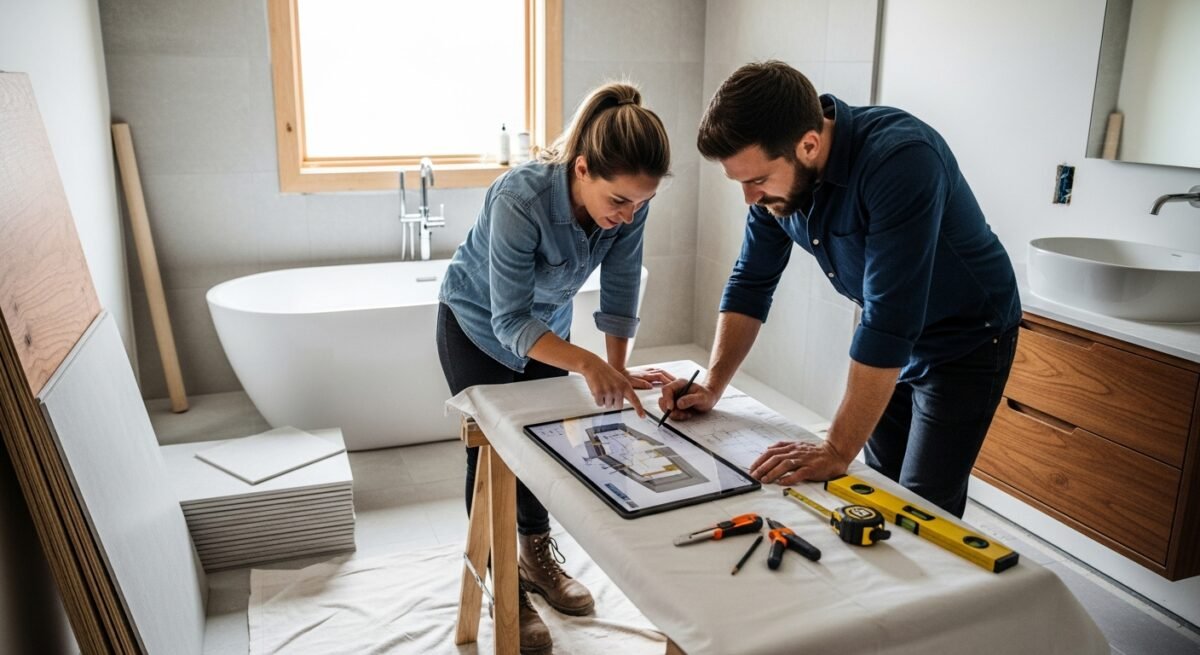
A Homeowner’s Complete Guide to Successful Bathroom Renovation
A complete guide to bathroom renovation, covering planning, costs, and benefits to help you create a beautiful, functional space that adds value to your home.
By Chelsea Kris
Learn more about Bathroom Remodel for guides, costs, and what to expect.
Compare Bathroom Remodel Pros Near You

Enter your ZIP code to compare top-rated local professionals and request free quotes.
Your bathroom is one of the most used rooms in your home, and when it feels outdated, inefficient, or just plain tired, it can drag down your entire daily routine. A bathroom renovation isn’t just about making things look pretty—it’s about creating a functional, safe, and rejuvenating space that works for your life. Whether you’re dreaming of a spa-like retreat or simply need to fix persistent problems, understanding the process is the first step to a successful project.
Ready to transform your bathroom? Visit Start Your Renovation to schedule your free consultation with our expert team today.
Understanding Bathroom Renovation
Bathroom renovation is the process of updating, remodeling, or completely transforming your bathroom. This can range from a simple cosmetic refresh, like new paint and fixtures, to a full-scale overhaul that involves moving plumbing, electrical work, and reconfiguring the entire layout. The goal is to improve the space’s aesthetics, functionality, and value.
Every project is unique, tailored to the homeowner’s specific needs, budget, and the existing conditions of the space. A well-planned renovation addresses both what you see—like tiles and vanities—and what you don’t, such as waterproofing, ventilation, and plumbing integrity. It’s a detailed process where careful planning prevents costly mistakes and ensures the final result is both beautiful and built to last.
Cosmetic vs. Full Renovations
It’s helpful to distinguish between two main types. A cosmetic update focuses on surface-level changes without altering the room’s plumbing or electrical layout. A full renovation involves deeper structural changes, which is often necessary to correct underlying issues or achieve a completely new design. Knowing which path is right for you starts with a clear vision and a professional assessment.
Why It Matters for Homeowners
Renovating your bathroom delivers immediate and long-lasting benefits that go far beyond a new look. First and foremost, it enhances your daily life. A well-designed bathroom reduces morning stress, provides a place to unwind, and meets the practical needs of your household, whether that’s extra storage, a safer shower, or dual sinks.
From a financial perspective, a bathroom renovation is one of the best home investments you can make. It significantly increases your home’s resale value and appeal to potential buyers. More importantly, it addresses hidden problems like water damage, mold, or outdated wiring that could lead to major repairs and safety hazards down the line. Fixing these issues proactively protects your biggest asset—your home.
Common Issues and Their Causes
Many homeowners start considering a renovation when they can no longer ignore persistent problems. These issues often stem from age, wear and tear, or outdated materials and building practices. Understanding the root cause is key to a renovation that truly fixes the problem for good.
Common triggers for a renovation include persistent leaks, poor ventilation leading to mold and mildew, cracked tiles or grout, inefficient and worn-out fixtures, insufficient storage, and lighting that’s either too harsh or too dim. These problems don’t just look bad; they can compromise the structure of your home and your family’s health.
- Water Damage: Caused by failing seals, old caulk, or leaking pipes behind walls.
- Outdated Layout: A poorly configured space that feels cramped and lacks functionality.
- Inefficient Fixtures: Old toilets, showerheads, and faucets that waste water and money.
- Poor Lighting & Ventilation: Inadequate exhaust fans promote mold, and bad lighting makes tasks difficult.
- Dated & Worn Surfaces: Cracked tiles, stained tubs, and peeling vanity finishes that are impossible to clean.
How Professionals Fix the Problem
A professional bathroom renovation follows a systematic, proven process to ensure quality, efficiency, and minimal disruption. It begins with a detailed consultation and planning phase, where your ideas are translated into a practical design and a clear scope of work. For help visualizing the entire journey, our Home Remodel Planning Guide for Successful Renovations is an excellent resource.
The physical work typically follows a logical sequence: demolition, rough-in work (plumbing and electrical), installation of new walls and subfloors, followed by tiling, fixture installation, and finally, painting and finishing touches. Professionals manage every step, coordinating licensed tradespeople, obtaining permits, and ensuring all work meets current building codes. This structured approach is what turns a stressful project into a smooth experience.
- Demolition & Prep: Safely removing old materials and preparing the space.
- Rough-In Work: Updating plumbing lines, electrical wiring, and ventilation ducts behind the walls.
- Installation: Putting in new showers, tubs, vanities, tiles, and lighting.
- Finishing: Applying paint, caulk, trim, and hardware for a polished look.
Signs You Should Not Ignore
Some bathroom problems are more than just eyesores; they’re urgent warnings. Ignoring them can lead to extensive, expensive damage to your home’s structure and even pose health risks. If you notice any of the following signs, it’s time to seriously consider a renovation.
Water stains on ceilings or walls adjacent to the bathroom are a major red flag, indicating a hidden leak. Soft, spongy floors around the toilet or tub suggest subfloor rot. Persistent mold growth that returns after cleaning points to a chronic moisture issue, often from inadequate ventilation. If your bathroom feels dysfunctional for your family’s needs every single day, that’s a sign its layout is no longer working.
- Persistent musty odors or visible mold/mildew.
- Soft spots or sagging in the floor.
- Constant leaks or dripping sounds behind walls.
- Cracked or lifting tiles on floors and walls.
- Outdated electrical outlets without GFCI protection near water sources.
Cost Factors and What Affects Pricing
The cost of a bathroom renovation varies widely, and transparency is crucial. A clear, detailed estimate should break down material and labor costs so you understand exactly what you’re paying for. The final price is influenced by several key factors that you and your contractor will decide on together.
Ready to transform your bathroom? Visit Start Your Renovation to schedule your free consultation with our expert team today.
The size of your bathroom, the quality of materials you select (from standard to luxury), and the extent of the plumbing and electrical work are the biggest cost drivers. Changing the room’s layout by moving the toilet, shower, or sink requires more labor and materials. Labor costs also depend on your geographic location and the complexity of the job. For a detailed look at financial planning, our guide on How to Set and Manage Your Bathroom Remodeling Budget offers invaluable advice.
Remember, investing in quality labor and materials often saves money in the long run by preventing callbacks and early repairs. A professional will help you allocate your budget where it matters most to achieve your goals without cutting corners on critical components like waterproofing.
How To Choose the Right Professional or Service
Selecting the right contractor is the most important decision you’ll make for your renovation. A trustworthy professional brings your vision to life, stays on budget, and minimizes stress. Look for a licensed, insured company with a solid reputation and a portfolio of completed bathroom projects.
Always ask for and check references from past clients. A detailed, written contract that outlines the scope, timeline, payment schedule, and specific materials is non-negotiable. Good communication is key—you want a pro who listens to your ideas, answers questions clearly, and provides regular updates. Trust your instincts and choose someone who makes you feel confident and heard.
Long-Term Benefits for Your Home
A professionally executed bathroom renovation pays dividends for years to come. You’ll enjoy lower utility bills with modern, water-efficient fixtures and better insulation. The improved safety features, like slip-resistant flooring and proper electrical work, protect your family.
The durability of new materials and proper installation means far fewer repairs and maintenance headaches. Most of all, you gain a personal sanctuary that adds to your quality of life and serves as a strong selling point, ensuring you recoup a significant portion of your investment if you ever decide to sell. It’s an upgrade that truly keeps on giving.
Frequently Asked Questions
How long does a typical bathroom renovation take?
A standard full bathroom renovation usually takes 2 to 4 weeks from start to finish. The timeline depends on the project’s complexity, material availability, and any unforeseen issues discovered during demolition, like hidden water damage.
Can I renovate my bathroom on a tight budget?
Absolutely. Strategic updates like refinishing a tub, replacing hardware and lighting, and a fresh coat of paint can make a big impact. For clever ideas, see our tips on How to Add Luxury to Your Bathroom on a Tight Budget.
Do I need a permit for my bathroom remodel?
Often, yes. Permits are typically required for electrical, plumbing, and structural changes. A reputable contractor will handle the permit process, ensuring all work is inspected and meets local building codes for your safety.
What is the most expensive part of a bathroom renovation?
Labor and plumbing/electrical work are major costs, but among materials, shower systems and custom cabinetry often represent the largest line items. Changing the room’s layout also increases costs significantly.
How can I minimize disruption during the renovation?
Professionals will seal off the work area with dust barriers, establish a clear schedule, and ensure access to another bathroom. Good communication about daily plans helps your household adjust temporarily.
Should I choose a bathtub or a walk-in shower?
This depends on your household’s needs. A tub is essential for families with young children or for resale value. A walk-in shower offers better accessibility and a modern, spacious feel, especially in smaller bathrooms.
What is the best time of year to renovate a bathroom?
There’s no bad time, but some homeowners prefer spring or summer when windows can be opened for ventilation. Since work is indoors, a professional team can renovate efficiently any time of year.
How do I maintain my newly renovated bathroom?
Use gentle, non-abrasive cleaners on surfaces. Regularly recaulk joints to prevent water intrusion. Run the exhaust fan during and after showers to control humidity, and promptly address any minor issues before they become big problems.
A successful bathroom renovation transforms more than just a room—it enhances your daily routine, increases your home’s worth, and provides peace of mind. By partnering with experienced professionals, you can navigate the process smoothly and achieve a result you’ll love for years to come. Your dream bathroom is closer than you think.
Ready to transform your bathroom? Visit Start Your Renovation to schedule your free consultation with our expert team today.
Learn more about Bathroom Remodel for guides, costs, and what to expect.
Compare Bathroom Remodel Pros Near You
Enter your ZIP code to compare top-rated local professionals and request free quotes.