Residential Transformation Services: A Homeowner’s Guide to Smart Upgrades

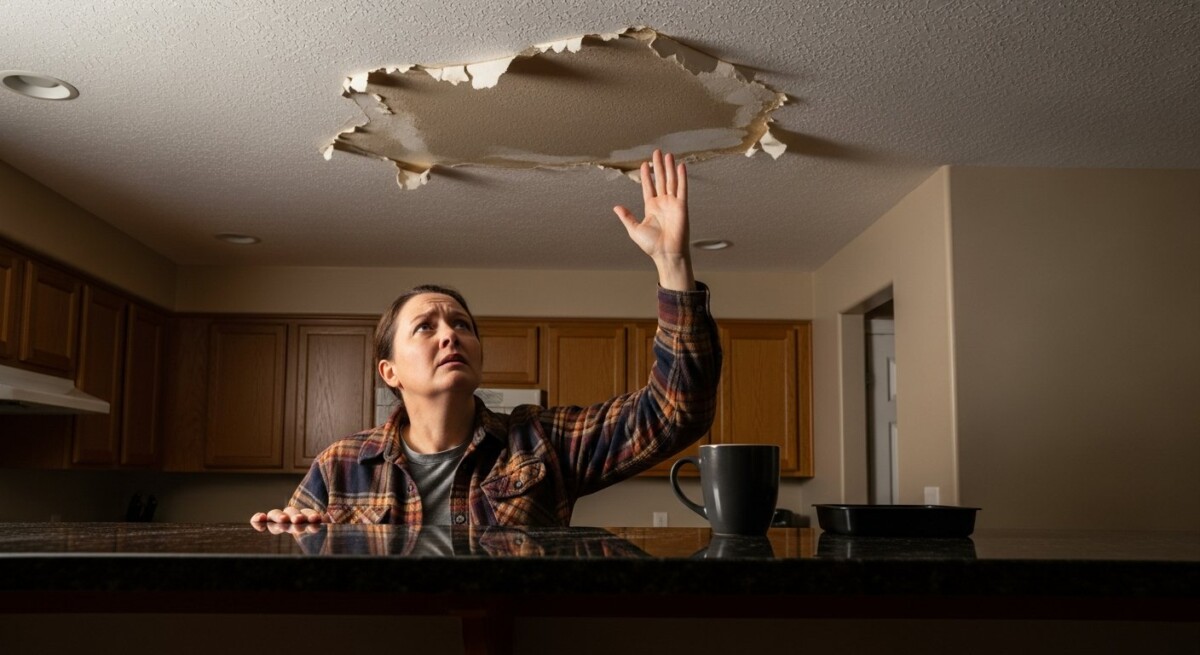
You walk into your basement to grab a box, and the smell hits you first,musty, damp, and wrong. Then you see the peeling paint, the cracked floor, and the water stain creeping across the wall. That unused space that was supposed to hold holiday decorations now holds a problem you did not plan for. For many homeowners, this is how they first discover their home needs more than a simple cleanup,it needs a real transformation. Residential transformation services cover everything from finishing a basement to remodeling a bathroom or converting a garage into a livable room. When ignored, small issues like moisture, outdated wiring, or poor insulation can turn into expensive structural repairs, health hazards, and lost opportunities to enjoy your home.
Understanding Residential Transformation Services
Residential transformation services refer to professional remodeling and renovation projects that change the function, appearance, or condition of a home. These projects go beyond cosmetic updates and often involve structural changes, new systems, or complete room overhauls. Common examples include basement finishing, bathroom remodeling, kitchen updates, garage conversions, and whole-home renovations.
Homes need transformation for many reasons. Age is a big factor,older homes may have outdated layouts, worn materials, or systems that no longer meet safety codes. Changing family needs also drive transformation. A growing family may need an extra bedroom, while empty nesters might want to downsize their living space or add accessibility features. Energy efficiency goals, damage from water or pests, and a desire to increase property value are other common triggers.
While any home can benefit from transformation services, older homes and those with unfinished spaces are most affected. Homes built before 1980 often lack modern insulation, efficient windows, and updated electrical panels. Unfinished basements and attics represent untapped square footage that, when transformed, can add significant living space and value. If your home feels cramped, outdated, or has rooms you rarely use, residential transformation services may be the solution.
What Makes Transformation Different From Basic Repairs
Basic repairs fix something that is broken,a leaky faucet, a hole in drywall, a stuck window. Transformation services reimagine and rebuild a space to better serve your life. A repair might patch a basement wall crack, but transformation would waterproof the wall, insulate it, add lighting, and finish the floor so the basement becomes a usable family room. The goal is not just to fix a problem but to create long-term value and comfort.
Why This Matters for Your Home
Ignoring the need for transformation can lead to serious consequences. Unfinished basements often develop moisture problems that encourage mold growth, which can trigger allergies and respiratory issues. Outdated bathrooms may have hidden leaks that rot subflooring and attract termites. Garages used only for storage often waste valuable square footage that could serve as a home office, gym, or guest room. Every year you delay, the problems worsen and the cost to fix them rises.
Safety is another critical reason to act. Old electrical systems may not handle modern loads, increasing fire risk. Cracked foundations can shift and compromise the entire structure. Stairs without proper railings, bathrooms without grab bars, and rooms with poor lighting create fall hazards, especially for older adults. Professional transformation services address these risks by bringing your home up to current building codes and safety standards.
Property value also suffers when a home looks or feels outdated. Buyers today expect move-in-ready homes with modern kitchens, finished basements, and energy-efficient features. A home that needs significant work will sit on the market longer and sell for less. Investing in transformation now can protect your property value and make your home more enjoyable while you live in it.
If you notice signs of this issue in your home, it may help to speak with a qualified contractor. Request a free quote or call to explore your repair or remodeling options.
Common Problems Homeowners Experience
Every homeowner faces challenges that transformation services can solve. Perhaps your basement floods every spring, or your bathroom feels like a cramped closet from 1970. Maybe your garage is so cluttered you cannot park your car inside, or your kitchen layout makes cooking a workout in frustration. These are not just annoyances,they are signs that your home no longer works for your lifestyle.
The longer these problems persist, the more they affect your daily life. A damp basement can ruin stored belongings and create odors that seep upstairs. An outdated bathroom may have low water pressure, a toilet that runs constantly, or tiles that trap grime. Garages used for storage often become fire hazards when boxes, old furniture, and chemicals pile up. Homeowners who ignore these issues often find themselves facing emergency repairs that cost far more than planned renovations.
- Water damage or mold in unfinished basements or crawl spaces
- Outdated bathrooms with cracked tiles, leaking fixtures, or poor ventilation
- Garages that are too cluttered or unsafe to use for parking or hobbies
- Kitchens with inefficient layouts, worn countertops, or insufficient storage
- Poor insulation and high energy bills due to old windows or unsealed walls
- Unused rooms or awkward spaces that do not fit your family’s needs
How Professionals Solve the Problem
Professional contractors bring experience, tools, and project management skills that make transformation projects smoother and safer. They start by assessing your home’s condition, identifying hidden issues like mold, rot, or faulty wiring that you might miss. Then they design a solution that meets your goals, fits your budget, and complies with local building codes. The result is a finished space that looks great, functions well, and lasts for years.
Attempting a DIY transformation can seem cheaper upfront, but mistakes often lead to costly rework. Improper waterproofing can fail within months. Incorrect electrical work can create fire hazards. Unpermitted renovations can cause problems when you sell your home. Professionals carry insurance and warranties that protect you if something goes wrong. They also finish projects faster because they have the right crew and equipment.
- Inspection and planning: The contractor inspects the space, discusses your needs, and creates a detailed plan and timeline.
- Permitting and prep: They obtain necessary permits, protect your belongings, and prepare the work area.
- Demolition and removal: Old materials, fixtures, and debris are removed safely and disposed of properly.
- Structural and system work: Walls, floors, plumbing, electrical, and HVAC are updated or installed as needed.
- Finishing touches: Drywall, flooring, paint, trim, cabinets, and fixtures are installed and completed.
- Final inspection and cleanup: The work is inspected for quality and code compliance, and the space is thoroughly cleaned.
A professional inspection can reveal hidden issues before they become expensive repairs. Compare contractor quotes here or call to discuss your project.
Warning Signs You Should Not Ignore
Your home gives you clues when it needs transformation. Learning to recognize these warning signs early can save you money, time, and stress. Pay attention to changes in how your home looks, feels, and performs. A musty smell in the basement, a bathroom that takes forever to warm up, or a garage door that sticks are all signals that something needs attention.
Early action prevents small issues from becoming major projects. A minor basement leak can be sealed for a few hundred dollars, but if ignored, it can lead to foundation damage costing thousands. A bathroom with peeling paint might just need better ventilation, but the underlying moisture could be rotting the subfloor. By catching problems early, you can plan your transformation on your schedule rather than reacting to an emergency.
- Persistent musty or moldy odors in basements, bathrooms, or attics
- Cracks in walls, floors, or foundations that grow over time
- High humidity or condensation on windows and walls
- Rooms that feel drafty or have uneven temperatures
- Outdated fixtures, cabinets, or finishes that look worn or damaged
- Spaces you avoid using because they feel unsafe, uncomfortable, or uninviting
What Affects the Cost of Repairs or Installation
Transformation costs vary widely based on several factors. The size of the project is the biggest driver,finishing a 500-square-foot basement costs less than remodeling a 1,000-square-foot main floor. Materials also play a major role. Luxury tile, custom cabinetry, and high-end appliances cost more than standard options. Labor costs depend on your location and the complexity of the work. Projects that require structural changes, new plumbing, or electrical upgrades are typically more expensive than cosmetic updates.
Accessibility matters too. A basement with low ceilings or narrow stairs makes it harder for workers to bring in materials and equipment, which can increase labor time. Older homes may contain hazardous materials like asbestos or lead paint that require special handling and disposal, adding to the cost. The condition of your home also affects pricing,a home with existing water damage or rot will need remediation before transformation can begin.
Costs can vary depending on the condition of your home. The best way to know the price is to get a personalized estimate. Request free quotes from contractors or call today.
How to Choose the Right Contractor
Finding a trustworthy contractor is essential for a successful transformation. Start by asking for recommendations from friends, family, or neighbors who have had similar work done. Online reviews on platforms like Google, Yelp, and the Better Business Bureau can also give you insight into a contractor’s reputation. Look for contractors who specialize in the type of transformation you need, whether that is bathroom remodeling, basement finishing, or garage conversion.
Once you have a few candidates, interview them and ask for detailed written estimates. A good estimate should list the scope of work, materials to be used, timeline, and payment schedule. Do not automatically choose the lowest bid,sometimes cheap work leads to poor quality or unfinished projects. Instead, compare what each contractor offers and choose the one who gives you the best value and clear communication. For more insights on specific projects, check out our guide on garage remodeling services to see how a professional approach can transform that space.
- Verify the contractor is licensed, insured, and bonded for your state and type of work
- Read recent customer reviews and ask for references from past similar projects
- Request at least three detailed written estimates to compare pricing and scope
- Confirm the contractor has experience with projects like yours, especially if you have an older home
- Ask about warranties on materials and labor, and get everything in writing before signing
Long-Term Benefits of Professional Work
Investing in professional residential transformation services pays off for years to come. A finished basement or remodeled bathroom is safer because it meets modern building codes. New insulation, windows, and efficient fixtures lower your energy bills and make your home more comfortable in every season. Durable materials like waterproof flooring, mold-resistant drywall, and quality cabinetry reduce the need for frequent repairs and replacements.
Your home’s value also gets a significant boost. According to industry data, finished basements and kitchen remodels often recoup 60% to 80% of their cost at resale. Bathroom remodels, garage conversions, and whole-home energy upgrades also add measurable value. Beyond the financial return, you get to enjoy a home that fits your life better,a place where every room serves a purpose and feels good to be in. Professional work also comes with warranties that protect your investment, giving you peace of mind. If you are planning a bathroom update, our essential plumbing services guide covers key considerations for that part of the project.
Frequently Asked Questions
What is included in residential transformation services?
Residential transformation services cover a wide range of remodeling and renovation projects, including basement finishing, bathroom and kitchen remodeling, garage conversions, attic renovations, and whole-home updates. These services typically include design, demolition, structural work, system upgrades, and finishing touches. The goal is to improve the function, safety, and appearance of your home.
How long does a typical home transformation project take?
Timelines vary by project size and complexity. A bathroom remodel may take 2 to 4 weeks, while a full basement finish can take 6 to 10 weeks. Larger whole-home renovations may last several months. Your contractor will provide a timeline during the planning phase, and weather, permit approvals, and material availability can affect the schedule.
Do I need permits for residential transformation work?
Most significant remodeling projects require permits from your local building department. Permits ensure the work meets safety codes and is inspected for quality. Professional contractors handle the permitting process as part of their service. Skipping permits can lead to fines, unsafe conditions, and problems when selling your home.
Can I live in my home during a transformation project?
It depends on the scope of work. For projects like bathroom or basement remodels, you can usually stay in your home, though you may need to adjust your routine. For larger renovations that affect the kitchen, HVAC, or multiple rooms, temporary relocation may be more practical. Discuss logistics with your contractor during planning.
How much does it cost to finish a basement or remodel a bathroom?
Costs vary widely based on size, materials, location, and condition. A basic bathroom remodel might range from $5,000 to $15,000, while a full basement finish can cost $20,000 to $50,000 or more. Getting multiple quotes from licensed contractors is the best way to understand pricing for your specific home.
What is the best way to fund a home transformation project?
Many homeowners use savings, home equity loans, HELOCs, or personal loans to fund remodeling projects. Some contractors offer financing options. Government programs like Energy Star or local rebates may help offset costs for energy-efficient upgrades. Always compare interest rates and terms before borrowing.
How do I prepare my home for a transformation project?
Clear the work area of furniture, personal items, and valuables. Make sure the contractor has access to electricity, water, and a place to park. Discuss dust containment and noise with your contractor so you can plan accordingly. Communicate any special needs, such as keeping a home office functional during the work.
Will remodeling increase my property taxes?
It can. Major improvements that increase your home’s assessed value may lead to higher property taxes. However, the added value and enjoyment of the space often outweigh the tax impact. Check with your local tax assessor’s office for specific rules in your area.
Your home is one of your biggest investments, and the spaces you live in shape your daily comfort, safety, and happiness. Whether you are dealing with a damp basement, an outdated bathroom, or a garage that needs a new purpose, residential transformation services can turn problem areas into places you love. The key is to act early, understand your options, and work with qualified professionals who deliver quality results. Before starting any project, compare contractor quotes to find the right fit for your budget and needs. A well-planned transformation not only solves today’s problems but also protects your home’s value and improves your life for years to come.