
A Simple Guide to Residential Roofing for Every Homeowner
A clear, simple guide to residential roofing for homeowners. Learn about common issues, repair processes, and how to choose the right professional to protect your biggest investment.
By Eric Andrew
Learn more about Roof Repair or Maintenance for guides, costs, and what to expect.
Compare Roof Repair or Maintenance Pros Near You

Enter your ZIP code to compare top-rated local professionals and request free quotes.
Your roof is one of the most important parts of your home, yet it’s often out of sight and out of mind. It protects everything you love from sun, rain, wind, and snow. But when a problem arises, it can feel overwhelming to figure out what’s wrong, why it matters, and who to call for help. This guide is here to take the mystery out of residential roofing, giving you the clear, simple information you need to make smart decisions for your home.
Protect your investment and ensure your home’s safety. Schedule a professional, no-obligation roof inspection today by calling 📞833-700-4293 or visiting Schedule a Roof Inspection.
Understanding Residential Roofing
Residential roofing refers to the entire roof system on a single-family home, townhouse, or similar dwelling. It’s much more than just the shingles you see from the street. Think of it as a team of components working together.
This team includes the decking (the wooden boards that form the roof’s base), underlayment (a water-resistant barrier), the outer layer (shingles, tiles, or metal), flashing (metal pieces that seal joints), and the ventilation system. Each part has a critical job in keeping your home dry, comfortable, and structurally sound.
The Role of Proper Ventilation
A well-ventilated roof is crucial. It allows hot, moist air from your attic to escape, preventing condensation that can rot wood and ruin insulation. In summer, it helps keep your home cooler by reducing heat buildup under the roof.
Why It Matters for Homeowners
A healthy roof is your first line of defense against the elements. It directly impacts your safety, comfort, and wallet. A small, unnoticed leak can lead to major damage inside your walls, ruin your insulation, and even create an environment for mold growth, which can affect your family’s health.
Beyond protection, your roof is a major component of your home’s curb appeal and value. A well-maintained, professionally installed roof not only looks great but also serves as a strong selling point. It’s an investment that pays off in peace of mind today and financial return tomorrow.
Ready to ensure your roof is providing the protection your home deserves? Contact our certified team for a thorough, no-obligation inspection.
Common Issues and Their Causes
Most roof problems start small and get worse over time. The most common enemy is water, and it finds its way in through vulnerabilities. Age is a primary factor, as materials naturally break down after years of exposure to sun and weather cycles.
Other issues aren’t always due to age. Storm damage from high winds, hail, or falling branches can create immediate problems. Poor installation or the use of mismatched materials can also lead to premature failure, even on a newer roof.
- Leaks and Water Stains: Often caused by cracked flashing, damaged shingles, or clogged gutters.
- Missing, Cracked, or Curling Shingles: A sign of aging materials or poor ventilation causing excess heat.
- Granule Loss in Gutters: Asphalt shingles shed their protective granules as they wear out.
- Sagging Roof Deck: A serious sign of structural weakness, often from long-term water intrusion.
- Exterior Light in the Attic: Signals holes or gaps where pests, water, and air can enter.
How Professionals Fix the Problem
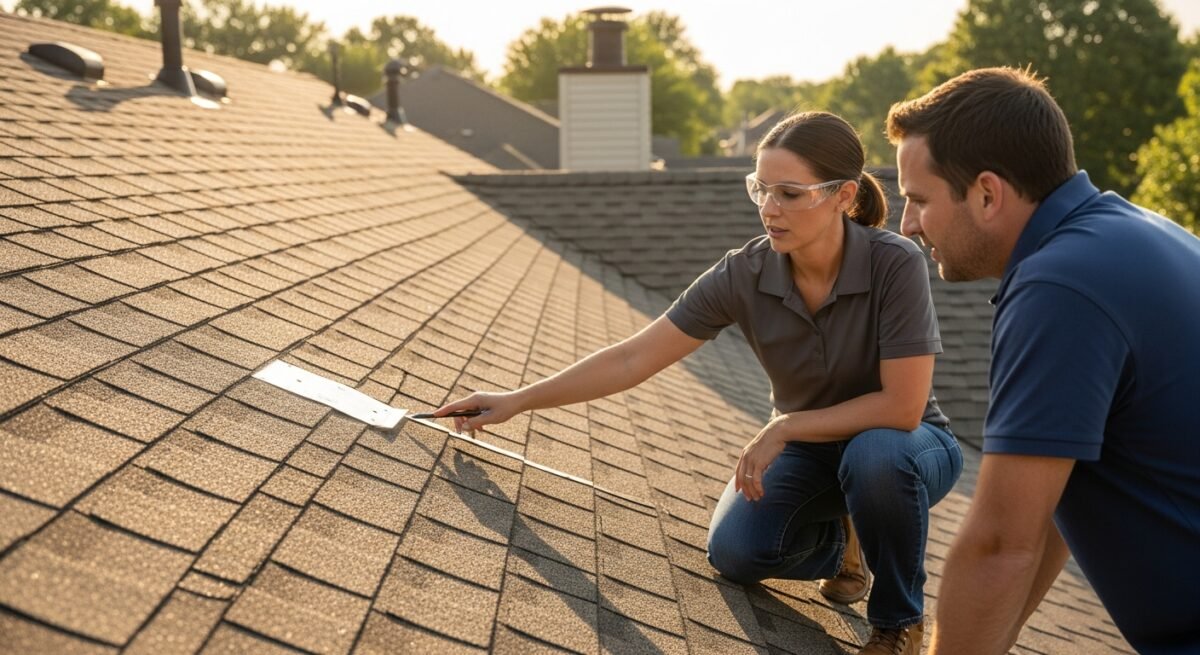
A professional roofing contractor starts with a comprehensive inspection, both from the ground and safely on the roof. They’ll assess the condition of all components, not just the obvious issues, to give you a complete picture of your roof’s health.
For repairs, the process is precise. They’ll secure the work area, remove damaged materials, and replace them with new, matching components, ensuring proper sealing and integration with the existing roof. For a full replacement, the old roof is torn off down to the decking. The deck is inspected and repaired, new underlayment is installed, and the new roofing material is applied with meticulous attention to detail at all seams, valleys, and penetrations.
- Inspection & Assessment: Identifying all issues, both visible and hidden.
- Detailed Proposal: Providing a clear scope of work and transparent pricing.
- Professional Execution: Performing the work using proper safety and craft techniques.
- Cleanup & Final Walkthrough: Leaving your property spotless and ensuring your satisfaction.
Don’t let a small repair turn into a major expense. Schedule your professional repair assessment .
Signs You Should Not Ignore
Your roof often gives you clear warnings before a major failure. Paying attention to these signs can save you thousands of dollars. Inside your home, be alert for water stains on ceilings or walls, especially after heavy rain. These can appear as discolored rings or drips.
Outside, take a occasional look at your roof with binoculars. Look for shingles that are buckling, missing, or covered in dark algae streaks. Also, check your gutters for an excessive amount of sand-like granules, which means your shingles are wearing out.
Protect your investment and ensure your home’s safety. Schedule a professional, no-obligation roof inspection today by calling 📞833-700-4293 or visiting Schedule a Roof Inspection.
- Water stains or drips on interior ceilings or walls.
- Shingles that are cracked, curling, or completely missing.
- A noticeable droop or sag in the roofline.
- Granules accumulating in gutters or downspouts.
- Daylight visible through the roof boards in your attic.
Cost Factors and What Affects Pricing
Roofing costs vary widely because every home and situation is unique. The single biggest factor is the size and pitch (steepness) of your roof. A larger, steeper roof requires more materials, more labor, and more safety equipment.
The type of material you choose also greatly affects the price. Standard asphalt shingles are the most common and affordable option, while premium materials like metal, slate, or tile are more expensive but last much longer. Finally, the complexity of your roof,with many chimneys, skylights, or valleys,adds to the labor time and cost.
How To Choose the Right Professional or Service
Your roof is too important to trust to just anyone. Always choose a licensed, insured, and locally established contractor. This protects you if anything goes wrong during the project. Ask for proof of both liability and workers’ compensation insurance.
Look for strong warranties: both the manufacturer’s warranty on the materials and the contractor’s workmanship warranty on the installation. Read online reviews and ask for references from recent customers. A trustworthy roofer will provide a detailed, written estimate that breaks down costs for materials, labor, and cleanup, and will never pressure you into a quick decision.
Long-Term Benefits for Your Home
Investing in a quality roof, whether through timely repairs or a full replacement, pays lasting dividends. First and foremost, it guarantees reliable protection from severe weather, safeguarding your family and belongings. It also improves energy efficiency; a properly installed and ventilated roof keeps your attic temperature regulated, which can lower your heating and cooling bills.
You’ll enjoy greater peace of mind, knowing you’ve prevented costly interior damage. Finally, a durable, attractive roof enhances your home’s appearance and boosts its resale value, making it one of the smartest home improvements you can make.
Frequently Asked Questions
How long does a typical residential roof last?
It depends on the material. Standard asphalt shingles last 15-25 years. Higher-quality architectural shingles can last 30 years, while metal roofs often last 40-70 years, and slate or tile can last over 50 years. Proper maintenance and local climate also affect lifespan.
Can I install a new roof over my old one?
Sometimes, but it’s not generally recommended. While it saves on tear-off costs, it prevents a full inspection of the roof deck, adds extra weight, and can mask underlying problems. Most professionals advise a full tear-off for the best, longest-lasting result.
What’s the best time of year to replace a roof?
Late spring, summer, and early fall are ideal because of warmer, drier weather. However, professional roofers can work safely in most conditions except for heavy rain, snow, or ice. Scheduling in the off-season can sometimes be easier.
How do I know if I need a repair or a full replacement?
An honest contractor will tell you. If damage is isolated to one area and the rest of the roof is in good shape, a repair may suffice. If the roof is near the end of its lifespan, has widespread issues, or has had multiple leaks, replacement is usually more cost-effective in the long run.
Will a new roof lower my insurance?
It can. Many insurance companies offer discounts for new roofs, especially those made with impact-resistant or fire-resistant materials. Always check with your provider, as a new roof can also make it easier to get or keep coverage.
How long does a roof replacement take?
For an average-sized home, a professional crew can typically complete a full tear-off and replacement in 1 to 3 days. The timeline depends on the size, complexity, and material of the roof, as well as weather conditions.
What should I ask a roofing contractor before hiring?
Ask for their license and insurance details, references from recent jobs, details on the warranties they offer, who will supervise the project, their cleanup process, and a detailed written estimate. A reputable roofer will gladly answer all these questions.
Your roof is a silent guardian, working every day to protect your home. By understanding how it works, recognizing warning signs, and partnering with a qualified professional, you can ensure it continues to do its job for years to come. Taking proactive steps now is the surest way to avoid emergency repairs and secure your home’s future.
Protect your investment and ensure your home’s safety. Schedule a professional, no-obligation roof inspection today by calling 📞833-700-4293 or visiting Schedule a Roof Inspection.
Learn more about Roof Repair or Maintenance for guides, costs, and what to expect.
Compare Roof Repair or Maintenance Pros Near You
Enter your ZIP code to compare top-rated local professionals and request free quotes.