
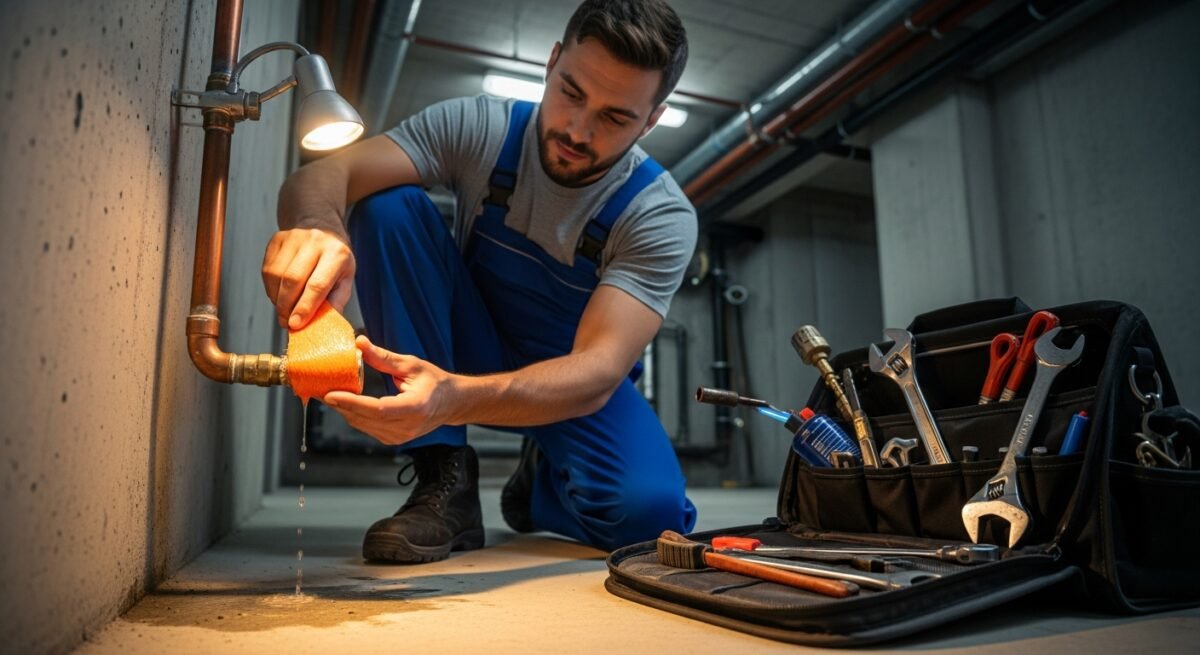
A Homeowner’s Guide to Pipe Leak Repair
Discover a clear guide to pipe leak repair. Learn signs, causes, and why professional fixes save your home from costly water damage and mold.
By Eric Andrew
Learn more about Handyman for guides, costs, and what to expect.
Compare Handyman Pros Near You

Enter your ZIP code to compare top-rated local professionals and request free quotes.
A dripping sound in the wall or a mysterious wet spot on the ceiling can send a chill down any homeowner’s spine. Pipe leaks are more than just a nuisance; they’re a silent threat to your home’s structure, your wallet, and your peace of mind. Whether it’s a slow pinhole leak or a sudden burst, knowing how to handle pipe leak repair is essential for protecting your biggest investment.
Don’t wait for the damage to spread. Call 📞833-700-4293 or visit Get Pipe Repair to schedule a professional diagnosis and permanent repair today.
Understanding Pipe Leak Repair
Pipe leak repair is the process of finding and fixing a break, crack, or hole in your home’s plumbing system. This system is a network of pipes hidden behind walls, under floors, and in your basement, carrying water to your sinks, showers, and appliances.
When a pipe fails, water escapes where it shouldn’t. A professional repair doesn’t just stop the water; it addresses the cause to prevent it from happening again. The right fix depends entirely on the pipe’s material, location, and the type of damage.
It’s Not Just About Stopping the Drip
Effective repair involves diagnosis, a tailored solution, and restoring the area. A plumber will locate the exact source of the leak, even if it’s not obvious, choose the strongest repair method for that specific pipe, and ensure your water pressure and flow return to normal.
Why It Matters for Homeowners
Ignoring a leak, even a small one, is one of the costliest mistakes a homeowner can make. That tiny drip is constantly releasing water into building materials, leading to problems far more expensive than the initial repair.
Persistent moisture is the perfect breeding ground for toxic mold and mildew, which can spread through your HVAC system and affect your family’s health. It also weakens wooden studs, floor joists, and drywall, compromising the structural integrity of your home over time.
Finally, you’re paying for that wasted water. The EPA estimates that household leaks can waste nearly 1 trillion gallons of water annually nationwide. A single leaky pipe can add hundreds of dollars to your utility bills before you even see a stain.
Common Issues and Their Causes
Pipes don’t just leak without a reason. Understanding the common culprits can help you prevent future problems. Most leaks fall into a few predictable categories based on age, material, and environmental factors.
Corrosion is a major enemy, especially in older homes with galvanized steel pipes. Over decades, minerals in the water eat away at the metal from the inside out, eventually creating weak spots and pinhole leaks. High water pressure, frequent pressure surges (water hammer), and freezing temperatures that cause pipes to burst are other frequent causes.
- Corrosion and Age: Old pipes simply wear out.
- High Water Pressure: Constant strain stresses joints and seals.
- Clogs and Blockages: Backed-up pressure can crack pipes.
- Shifting Foundations: House settlement can stress and misalign pipes.
- Poor Initial Installation: Faulty soldering or loose connections fail over time.
How Professionals Fix the Problem
Professional plumbers use a systematic approach to ensure a leak is fixed correctly the first time. The process begins with a thorough inspection, often using specialized tools like acoustic leak detectors or thermal imaging cameras to pinpoint the exact leak location without unnecessary digging or demolition.
Once located, the plumber will choose the best repair method. For a small hole in an accessible copper pipe, a patch clamp or epoxy seal might be a temporary solution. For a cracked section, the gold standard is often to cut out the damaged piece and solder in a new section of pipe with proper fittings.
For longer sections of damaged pipe or lines under a slab, trenchless methods like pipe lining (inserting a resin-coated tube that hardens in place) or pipe bursting (pulling a new pipe through while breaking the old one) are modern, less invasive solutions that save your landscaping and floors.
Signs You Should Not Ignore
Sometimes a leak shouts; other times, it whispers. Learning to recognize the subtle signs can mean the difference between a simple repair and a major renovation. Listen and look for clues beyond just visible water.
Don’t wait for the damage to spread. Call 📞833-700-4293 or visit Get Pipe Repair to schedule a professional diagnosis and permanent repair today.
A sudden, unexplained increase in your water bill is one of the clearest signs of a hidden leak. Musty odors, the sound of running water when all taps are off, and damp, discolored, or sagging spots on walls, ceilings, or floors are all red flags.
- Unexplained Spike in Water Bills: Your meter is telling you something.
- Sound of Running Water: Hissing or dripping behind walls.
- Visible Mold or Mildew: Especially in non-bathroom areas.
- Low Water Pressure: A leak can divert water flow.
- Wet or Soggy Spots in Yard: Sign of a leaking underground sewer or water line.
Cost Factors and What Affects Pricing
The cost of pipe leak repair isn’t a flat fee because every job is unique. Several key factors determine the final price. The most significant is often the location and accessibility of the leak. A leak in an exposed basement pipe is far less costly to fix than one buried inside a finished wall or under a concrete slab.
The type of pipe (copper, PEX, PVC, galvanized) and the repair method required also affect the price. Simple clamp repairs are economical, while extensive repiping or trenchless technology represents a larger investment. Finally, any necessary restoration work, like drywall repair or tile work, will add to the project cost.
How To Choose the Right Professional or Service
Selecting the right plumber is as important as the repair itself. Always verify that the company is licensed, bonded, and insured. This protects you and your home if anything goes wrong. Look for established local companies with strong, verifiable reviews and a proven track record.
A trustworthy professional will offer a clear, detailed estimate before starting work, explaining what the job entails and what’s included. They should also provide a warranty on both parts and labor. Be wary of anyone who pressures you for immediate payment upfront or offers a price that seems too good to be true.
Long-Term Benefits for Your Home
Investing in a proper, professional pipe leak repair pays dividends for years to come. First and foremost, you protect your home’s value by preventing catastrophic water damage and structural decay. You also create a healthier living environment by eliminating the moisture that causes mold and mildew.
You’ll enjoy consistent, reliable water pressure and save significantly on your monthly utility bills. Perhaps the greatest benefit is peace of mind. Knowing your plumbing system is secure and your home is protected from water damage lets you rest easy, making the investment in a quality repair truly priceless.
Frequently Asked Questions
Can I repair a leaky pipe myself?
Small, accessible leaks on supply shut-off valves can sometimes be fixed with a DIY kit. However, for most leaks, especially those inside walls or on main lines, a professional repair is crucial to prevent further damage and ensure a safe, code-compliant fix.
How long does a typical pipe repair take?
A simple repair on an exposed pipe can often be completed in under an hour. Complex leaks requiring access through walls, slab foundations, or extensive repiping can take a full day or more. Your plumber should give you a clear timeline.
Will you have to tear out my drywall to find the leak?
Not necessarily. Professional plumbers use non-invasive leak detection equipment like acoustic probes and infrared cameras to pinpoint leaks with minimal damage. Small access holes are often all that’s needed.
Is pipe lining a permanent repair?
Yes, cured-in-place pipe (CIPP) lining is considered a permanent repair. The new resin pipe lining is highly durable and corrosion-resistant, often with a 50-year life expectancy, and is approved by building codes nationwide.
What’s the difference between a pinhole leak and a burst pipe?
A pinhole leak is a small, slow leak often caused by corrosion. A burst pipe is a major rupture, usually from freezing, causing immediate flooding. Both require immediate professional attention but differ in severity and repair method.
Does homeowners insurance cover pipe leak repair?
It depends on your policy and the cause. Sudden, accidental damage (like a burst pipe) is often covered. Damage from long-term neglect or wear and tear typically is not. Always check with your insurance provider.
How can I prevent future pipe leaks?
Regular maintenance is key. Insulate pipes in cold areas, monitor your water pressure, address clogs promptly, and consider a whole-home repipe if your plumbing is old and corroded. A professional inspection can identify risks.
Pipe leaks are a serious matter, but they don’t have to become a home disaster. By acting quickly at the first sign of trouble and trusting a qualified professional with the repair, you can stop the damage, protect your home, and restore your comfort with confidence. Your home’s plumbing is its circulatory system,keep it flowing smoothly.
Don’t wait for the damage to spread. Call 📞833-700-4293 or visit Get Pipe Repair to schedule a professional diagnosis and permanent repair today.
Learn more about Handyman for guides, costs, and what to expect.
Compare Handyman Pros Near You
Enter your ZIP code to compare top-rated local professionals and request free quotes.