Modern Remodeling Design Ideas for Your Home
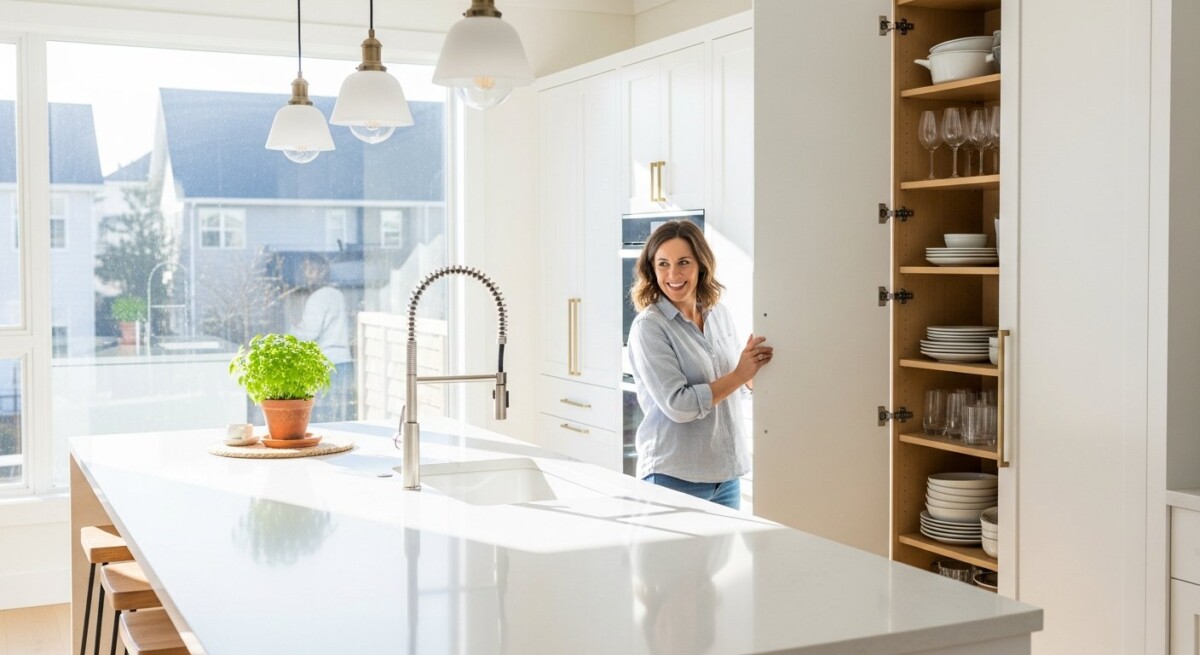
You walk into your kitchen and feel a familiar pang of frustration. The cabinets are dated, the layout is inefficient, and the lighting feels dim and unwelcoming. Or perhaps your bathroom feels more like a time capsule than a personal spa, with worn tiles and a layout that doesn’t work for your family. You know it’s time for a change, but the thought of a remodel feels overwhelming,where do you even start? Ignoring these outdated spaces doesn’t just mean living with daily inconvenience; it can mean missing out on improved functionality, energy savings, and a significant boost to your home’s overall value. Modern remodeling design ideas offer a path forward, transforming frustrating spaces into beautiful, efficient, and highly livable parts of your home.
Understanding Modern Remodeling Design Ideas
Modern remodeling is about more than just a fresh coat of paint or new appliances. It’s a holistic approach to updating your home to better fit how you live today. This philosophy focuses on improving flow, maximizing natural light, and creating spaces that are both beautiful and highly functional.
The goal is to solve the practical problems of an older home while incorporating contemporary aesthetics and smart technology. It’s not about chasing fleeting trends, but about implementing timeless solutions that will serve your family for years to come. Whether your home is a mid-century ranch or a traditional two-story, modern design principles can be adapted to enhance its character and livability.
Why This Matters for Your Home
Choosing to update your home with modern design ideas is an investment in your daily quality of life and your financial future. An outdated layout or inefficient systems can cost you more in utilities and maintenance over time, while also making your home less appealing when it’s time to sell.
More importantly, a well-executed remodel addresses underlying issues you may have grown accustomed to, like poor ventilation, inadequate storage, or safety hazards in an old bathroom. By tackling these problems head-on, you protect your property from potential water damage, improve indoor air quality, and create a safer environment for everyone in your household. The value lies in creating a home that works smarter, not harder, for you.
If you notice signs that your home’s layout or systems are holding you back, it may help to speak with a qualified contractor. Request a free quote or call to explore your repair or remodeling options.
Common Problems Homeowners Experience
Many homeowners begin considering a remodel when daily frustrations add up. You might find yourself constantly bumping into doors, struggling with a lack of counter space, or dealing with rooms that feel dark and closed off. These aren’t just minor annoyances; they’re signs that your home’s design isn’t aligned with modern living.
Other common issues stem from aging infrastructure. Outdated electrical wiring can’t handle today’s device load, old plumbing is prone to leaks, and inefficient windows drive up energy bills. A modern remodel looks at the entire picture, solving both the visible aesthetic problems and the hidden functional ones. For inspiration on blending style with local flair, our guide on Top Dallas Remodel Design Ideas explores regional trends that add character.
- Closed, Compartmentalized Floor Plans: Walls that separate the kitchen, dining, and living areas, making the home feel small and inhibiting family interaction.
- Inadequate Storage Solutions: Closets that are too small, a lack of pantry space, or no dedicated place for hobbies and cleaning supplies.
- Poor Natural Light: Small windows, dark wall colors, and interior rooms that feel cave-like and require constant artificial lighting.
- Outdated and Inefficient Fixtures: Single-pane windows, old toilets and faucets, and lighting that consumes excess energy while providing poor illumination.
- Worn-Out Surfaces and Materials: Cracked tiles, scratched countertops, peeling flooring, and cabinets that are falling apart or lack modern functionality.
- Lack of Universal Design: Bathrooms and entries that are difficult to navigate, with barriers that could pose problems for aging family members or future resale.
How Professionals Solve the Problem
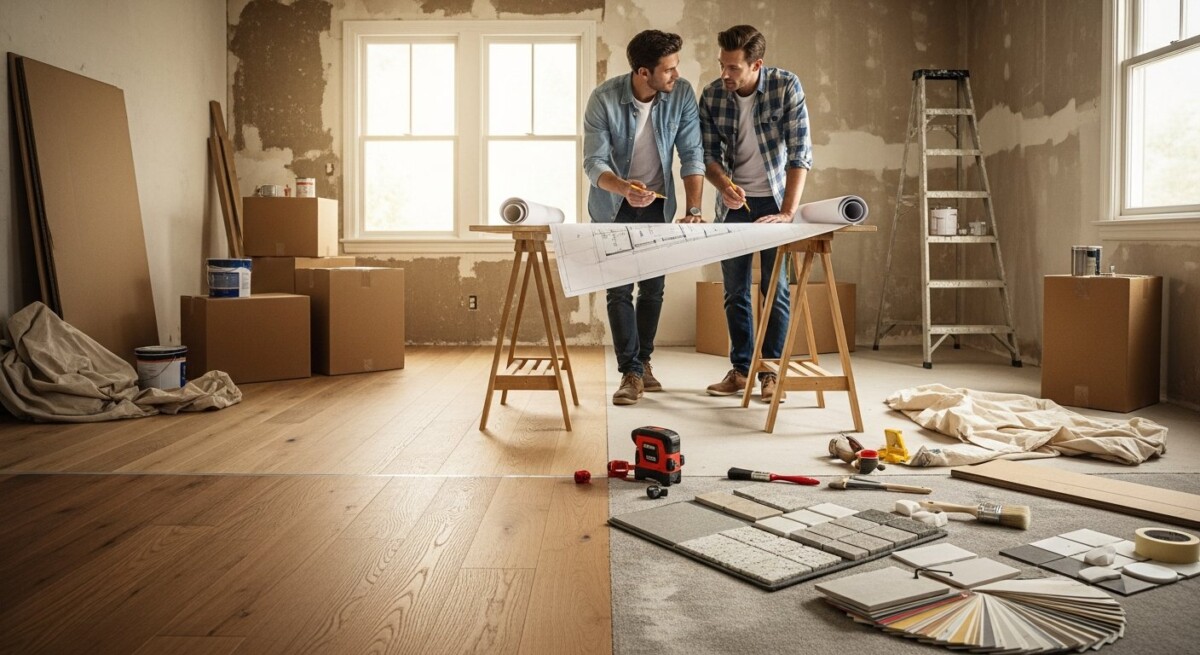
A professional remodeling contractor brings a systematic approach to what can feel like a chaotic project. They start by listening to your pain points and goals, then assess the existing conditions of your home. This allows them to create a cohesive plan that addresses structural needs, building codes, and your aesthetic desires all at once.
The value of professional work lies in their experience and access to resources. They can foresee potential problems,like hidden plumbing inside a wall you want to move,that a DIY homeowner might miss. This foresight prevents costly mistakes and ensures the final result is not only beautiful but also safe, durable, and up to code. Their process typically follows a logical sequence.
- Consultation and Planning: Discussing your vision, budget, and timeline to create a detailed project plan and design.
- Demolition and Preparation: Safely removing old materials while protecting the rest of your home from dust and debris.
- Rough-In Work: Updating electrical, plumbing, and HVAC systems behind the walls before new surfaces are installed.
- Installation and Finishing: Putting in new cabinets, flooring, countertops, fixtures, and paint to bring the design to life.
- Final Inspection and Clean-Up: Ensuring everything works perfectly and leaving your home clean and ready to enjoy.
A professional inspection can reveal hidden issues before they become expensive repairs. Compare contractor quotes here or call to discuss your project.
Warning Signs You Should Not Ignore
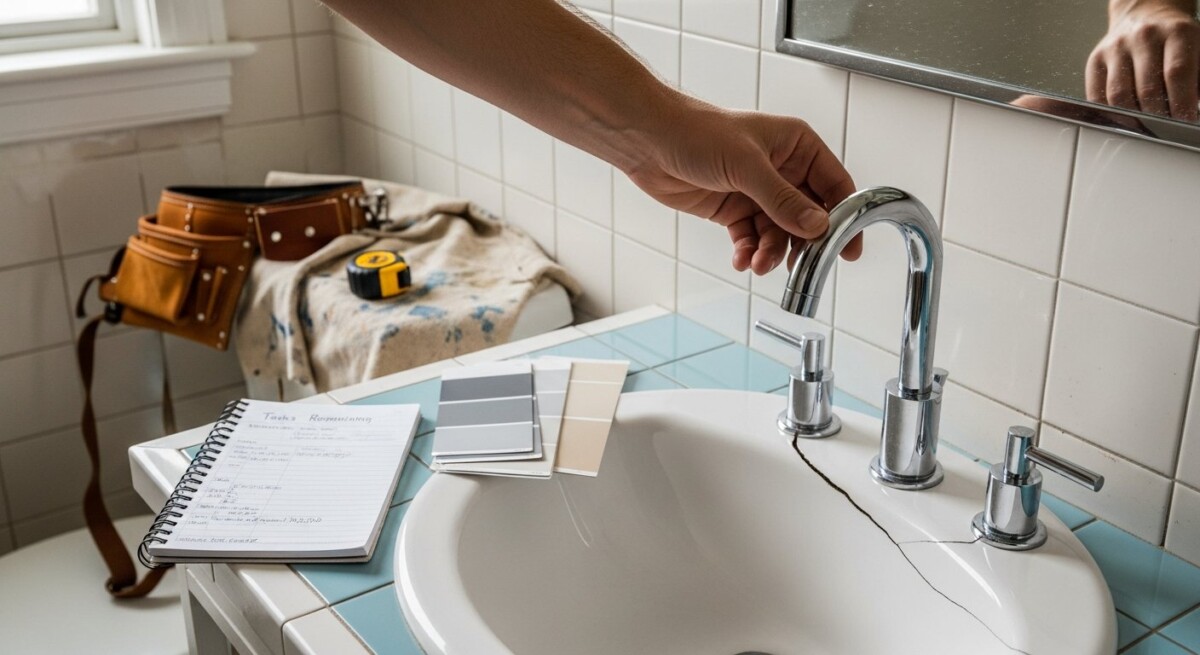
Some signs that your home needs a modern update are obvious, like a leaking faucet or cracked tile. Others are more subtle, manifesting as a constant feeling that your space just doesn’t work for you. Paying attention to these signals can help you plan a remodel on your timeline, rather than being forced into emergency repairs later.
Ignoring these warning signs often leads to larger issues. A persistent moisture problem in a bathroom can lead to mold and structural rot. An overloaded electrical circuit is a fire hazard. Addressing these issues as part of a planned remodel is almost always more cost-effective than dealing with the fallout of a major failure. Look for these key indicators.
- You avoid using certain rooms because they feel unpleasant or dysfunctional.
- Your energy bills are consistently high despite your efforts to conserve.
- You have insufficient outlets or frequently trip circuit breakers.
- You notice persistent drafts, moisture, or difficulty maintaining a comfortable temperature.
- Storage is so chaotic that you can’t find things or have items piled in living areas.
- Your home’s style feels stuck in a past decade, which affects your pride of ownership and its market appeal.
What Affects the Cost of Repairs or Installation
The cost of a modern remodel can vary widely, and understanding the key factors helps you set a realistic budget. The scope of work is the biggest driver,are you updating fixtures in one bathroom, or are you reconfiguring the entire kitchen layout and moving plumbing lines? A larger, more complex project naturally requires more materials, labor, and time.
The quality of materials you choose also plays a significant role. Options range from budget-friendly laminate countertops to durable quartz or natural stone. Similarly, labor costs depend on the expertise required and your local market rates. A professional contractor will provide a detailed estimate that breaks down these costs, so you know exactly what you’re paying for and can make informed choices that align with your budget.
Costs can vary depending on the condition of your home. The best way to know the price is to get a personalized estimate. Request free quotes from contractors or call today.
How to Choose the Right Contractor
Selecting the right contractor is the most important decision you’ll make in your remodeling journey. This person or team will be in your home for weeks or months, so trust and clear communication are essential. Start by seeking recommendations from friends, family, or trusted online review platforms, and then do your homework.
A reputable contractor will be transparent, answering your questions and providing clear documentation. They should view the project as a partnership, working with you to achieve your vision while guiding you on what’s practical and within code. Don’t base your decision on price alone; the lowest bid can sometimes mean cutting corners on materials or workmanship, leading to problems down the road. For a successful project, consider these tips.
- Verify they are licensed, insured, and bonded to protect yourself from liability.
- Read past customer reviews and ask to see a portfolio of completed projects similar to yours.
- Request a detailed, written estimate that outlines costs for materials, labor, and a project timeline.
- Get quotes from at least three different contractors to compare scope, approach, and value.
- Ensure you feel comfortable communicating with them and that they listen to your ideas and concerns.
Long-Term Benefits of Professional Work
Investing in a professional modern remodel pays dividends long after the project is complete. High-quality materials and expert installation mean your new spaces will withstand daily wear and tear, requiring less maintenance and repair. This durability translates to peace of mind and long-term savings.
Beyond durability, modern updates often incorporate energy-efficient windows, appliances, and insulation. These features reduce your monthly utility bills, putting money back in your pocket year after year. Perhaps the most significant benefit is the increase in your home’s market value and appeal; a modern, functional kitchen or bathroom is a top selling point that can make your home stand out in a competitive market. It’s an investment that improves your life now and pays off in the future.
What are the most popular modern remodeling design ideas?
Popular ideas include open-concept living spaces, smart home technology integration, spa-like bathrooms with walk-in showers, kitchen islands with seating, and maximizing natural light with larger windows or skylights. The focus is on clean lines, multifunctional spaces, and a connection between indoor and outdoor areas.
How long does a typical kitchen or bathroom remodel take?
A minor remodel might take 3-6 weeks, while a major renovation involving layout changes can take 2-4 months. Timelines depend on the project’s complexity, material availability, and any unforeseen issues discovered during demolition. Your contractor should provide a detailed schedule.
Will a modern remodel add value to my home?
Yes, strategic modern remodels typically offer a strong return on investment. Kitchen and bathroom updates usually provide the highest returns. A well-executed remodel that improves flow, function, and efficiency makes your home more attractive to future buyers, often recouping a significant portion of the project cost.
Can I remodel in phases to manage budget?
Absolutely. A professional contractor can help you create a master plan for your entire home and then break it into manageable phases. This allows you to spread the cost over time while ensuring each phase logically leads to the next, avoiding rework. For example, you might update plumbing and electrical systems in phase one, and finish surfaces in phase two.
How do I know if I need a permit for my remodel?
Most structural, electrical, and plumbing changes require a building permit. A reputable contractor will handle the permit process for you, ensuring the work is inspected and meets all local building codes. This is crucial for your safety and for the legality of the work when you sell your home.
What’s the difference between a remodel and a renovation?
Renovation typically means restoring or updating existing structures without changing the layout. Remodeling involves changing the structure, layout, or purpose of a space. A modern remodel often includes renovation elements (like new finishes) but goes further by reimagining the space’s function.
Modernizing your home is a powerful way to enhance your daily life, protect your investment, and prepare for the future. By addressing outdated layouts and inefficient systems now, you prevent small issues from becoming major, costly problems. The most practical first step is to gather information from experienced professionals who can translate your ideas into a solid plan. Comparing detailed quotes from trusted contractors gives you the clarity and confidence to move forward, turning your vision of a more beautiful, functional, and valuable home into a reality.