Living in Your Home During a Major Remodel: A Practical Guide
You love your home, but it’s time for a major upgrade. The big question looming over every homeowner is a simple yet stressful one: can we stay in the house during the remodel, or do we need to move out? The thought of finding temporary housing, packing up your life, and managing the added expense is overwhelming. The good news is, with the right planning and a professional team, living through a major renovation is not only possible but often the most practical choice for many families.
A Simple Breakdown of Living Through a Major Remodel
Living in your home during a major remodel means strategically coexisting with the construction process. It’s not about pretending the chaos isn’t there; it’s about creating a workable plan to minimize disruption to your daily life while the transformation happens around you. This approach requires clear communication, realistic expectations, and a detailed strategy from day one.
Success hinges on understanding the scope of work. A kitchen remodel presents different challenges than a whole-house renovation or a second-story addition. Each project has phases where living on-site is more or less feasible. A professional contractor will help you map out these phases, identifying critical periods where you might need to plan for alternative arrangements, even if just for a few days.
Phasing is Your Best Friend
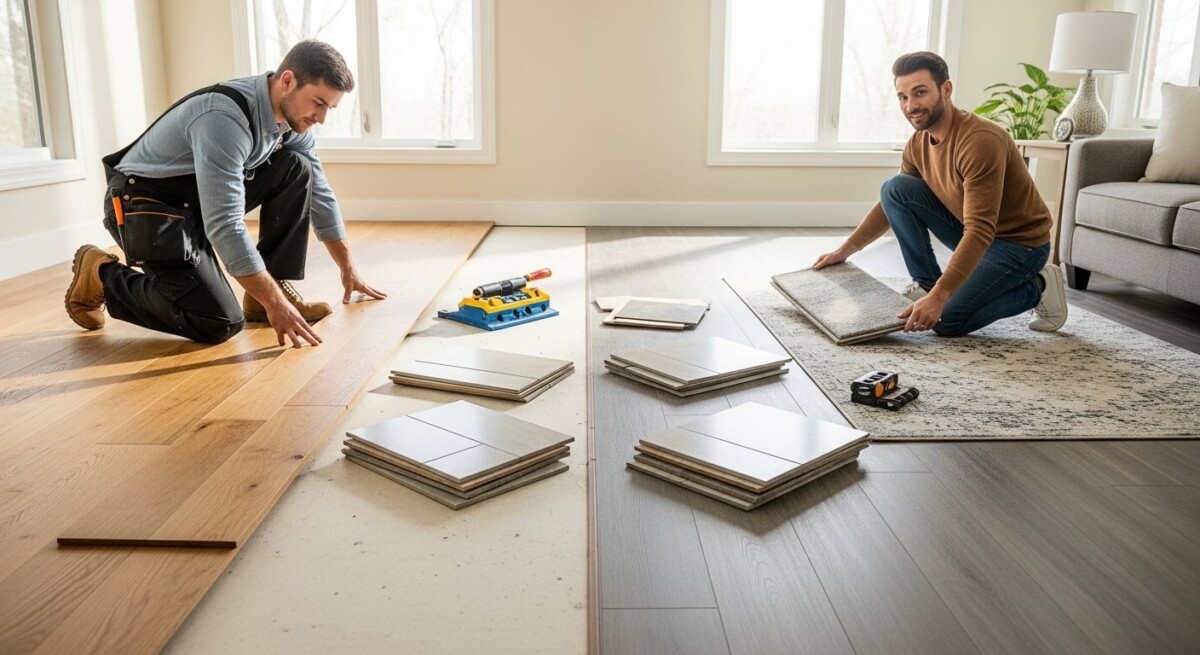
The core concept that makes living-in possible is phasing. This means the project is broken down into sequential segments, completing one area before moving demolition and construction into the next. For instance, the team might completely finish the basement suite before starting the upstairs bathroom, allowing your family to shift living spaces as the work progresses.
Why It Matters for Homeowners
Choosing to stay in your home during a remodel isn’t just about stubbornness or saving money,though cost savings on temporary housing, storage, and pet boarding can be significant. It’s about maintaining a sense of normalcy and oversight. You’re present to make daily decisions, answer questions from the crew, and witness the progress firsthand, which can be incredibly rewarding.
There are real risks, however. The constant presence of dust, noise, and workers can lead to fatigue and stress. Safety is a paramount concern, especially with children or pets. Without a solid plan, what seems like a money-saving move can become a source of family tension. That’s why a realistic assessment, guided by a pro, is essential before you commit.
For a deeper understanding of how a project unfolds day-by-day, our realistic guide to your home remodeling timeline breaks down what to expect from planning to punch list.
Is the disruption starting to feel unmanageable? A professional assessment can create a livable plan. Contact our team today for a consultation or call (555) 123-4567.
Common Issues and Their Causes
The challenges of living in a construction zone are predictable. Understanding their causes is the first step to mitigating them.
Dust is public enemy number one. It seems to defy physics, finding its way into every closed drawer and closet. This is caused by demolition, sanding, and general construction activity without proper containment. Noise is another major factor, from early morning arrivals to the sound of saws and hammers, which can disrupt work-from-home setups and daily routines.
The most significant issue is the loss of essential home functions. This typically stems from poor phasing or underestimating the time a critical area will be out of commission.
- Dust Infiltration: From inadequate plastic sheeting and negative air pressure systems.
- Constant Noise: From standard construction activities during working hours.
- Loss of Utilities: Planned water or power shut-offs that weren’t communicated.
- Safety Hazards: Tools, materials, and tripping hazards in common pathways.
- Stress and Fatigue: Caused by the relentless disruption to your personal space.
How Professionals Fix the Problem
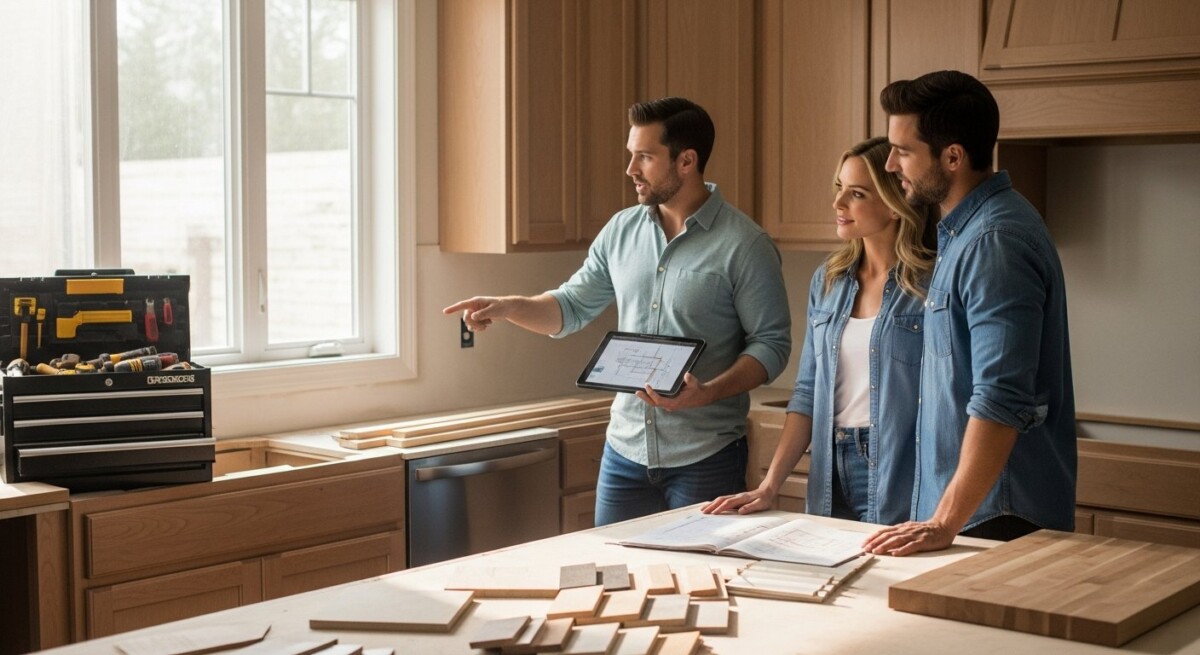
A reputable remodeling contractor doesn’t just build; they manage the environment. Their expertise turns a chaotic experience into an organized, contained process. The first step is a detailed pre-construction meeting to establish “house rules,” work hours, and a clear phasing schedule that you both agree on.
They then implement physical solutions. This includes erecting floor-to-ceiling dust barriers with zip doors, using heavy-duty plastic seals, and setting up HEPA air scrubbers to clean the air. They will designate a specific entrance for workers, protect your flooring with Ram Board, and create a clean path to a functional bathroom. Daily cleanup is non-negotiable, ensuring tools and debris are contained to the work area at the end of each day.
- Containment: Seal off the work zone with plastic sheeting and negative air machines.
- Communication: Establish a daily check-in or app-based update system.
- Phased Execution: Complete one functional area before moving to the next.
- Site Management: Enforce strict cleanup and material storage protocols.
Don’t navigate the chaos alone. Let our experienced project managers create a livable plan for your family. Reach out for a detailed quote or call us at (555) 123-4567.
Signs You Should Not Ignore
While many remodels are survivable, some situations are clear indicators that moving out is the wiser, safer choice. Ignoring these signs can compromise your well-being and even the success of the project.
If the project involves the only bathroom or kitchen in the home, and the timeline for its completion is more than a few days, staying becomes a severe hardship. Similarly, if the work exposes you to significant health risks like lead paint, asbestos, or extensive mold remediation, temporary relocation is strongly advised for your safety.
- The only bathroom is out of commission for more than 48 hours.
- The project involves the entire home’s interior simultaneously.
- You or a family member has severe allergies, asthma, or other health sensitivities.
- Major structural work is happening, compromising safe egress or stability.
- You have very young children, elderly residents, or anxious pets.
Cost Factors and What Affects Pricing
Choosing to live in your home during a remodel does affect the project’s cost, though it’s often less than renting elsewhere. The primary added expense comes from the labor and materials required for superior containment and phased work. Building elaborate dust walls, setting up air filtration, and completing work in stages requires more time and meticulous coordination from the project manager.
Other factors include the need for temporary kitchen or bathroom setups, like renting a portable toilet for the crew to preserve your only bathroom or setting up a microwave and mini-fridge in another room. The complexity of protecting your belongings and finished areas also adds to the prep work. A full understanding of these costs should be part of your initial estimate.
Get a transparent quote that includes a detailed livability plan. Schedule your in-home assessment now by calling (555) 123-4567.
How To Choose the Right Professional or Service
Not all contractors are equipped or willing to manage a client-occupied remodel. When interviewing potential teams, make this your central question. Ask for specific examples of how they have handled similar situations. A trustworthy pro will welcome this discussion and have a proven system to share.
Look for a detailed schedule that includes phasing. Review their communication plan,will you have a single point of contact? Finally, check references specifically from past clients who lived in their homes during the work. Their firsthand experience is your most valuable insight.
- Ask explicitly about their “living-in” protocol and phasing strategies.
- Request and contact references from clients who stayed home.
- Ensure their insurance and licensing are current and robust.
- Choose a team that listens to your concerns and offers practical solutions.
Long-Term Benefits for Your Home
Successfully navigating a remodel while in residence does more than just save money on rent. It fosters a strong, collaborative relationship with your contractor, as you are partners in problem-solving daily. This often leads to a better final result, as you are available for immediate feedback.
You also gain a profound appreciation for the quality of the work hidden behind your walls, from framing to insulation. This intimate knowledge of your home’s new systems and structure is invaluable for future maintenance. Ultimately, the pride of having endured the process and witnessing the transformation unfold day by day makes the final reveal of your beautiful, functional new space even more satisfying.
For projects that affect your home’s exterior envelope, like siding replacement, working with a specialist who understands how to protect your interior is crucial. Vancouver siding specialists excel at executing exterior upgrades with minimal interior disruption.
Frequently Asked Questions
Can you live in a house during a whole-home remodel?
It is possible but extremely challenging. It requires meticulous phasing, often starting with completing a single livable zone (like a basement suite or guest bedroom with a bathroom) before moving to the main living areas. For most whole-home projects, a temporary move-out is recommended.
How do you manage dust during an interior remodel?
Professionals use floor-to-ceiling plastic barriers with zip doors, seal HVAC vents in the work zone, and run HEPA air scrubbers. They also perform a thorough final cleaning, but expect to do additional dusting for weeks after.
Is it safe to stay home during a kitchen renovation?
Yes, with a solid plan. Set up a temporary kitchenette with a microwave, electric skillet, slow cooker, and mini-fridge in another room. Ensure your water is only shut off for short, scheduled periods. Protect pathways from debris.
What is the most difficult part of living through a renovation?
The psychological fatigue of constant disruption is often harder than the physical inconvenience. The never-ending noise, dust, and lack of privacy can be draining. Setting up a clean, quiet retreat room is essential.
Should I move out for a bathroom remodel?
If you have only one bathroom, plan to be without it for at least 2-3 days during critical plumbing and installation phases. For longer timelines, renting a portable toilet for the crew and using a gym or neighbor’s facility is a common solution.
How can I prepare my home for living-in during a remodel?
Pack up and remove all belongings from the work zone and adjacent rooms. Designate a family “safe zone” that will remain untouched. Plan for pet and child safety, and discuss all logistics with your contractor before work begins.
Does living in the home make the remodel take longer?
It can, but usually only by a small percentage. The time added for enhanced containment, daily cleanup, and phased work is often offset by the homeowner being available for quick decisions.
What flooring choices are best for a busy household during a remodel?
Durable, pre-finished options that can be installed quickly are ideal. For insights on materials that balance beauty with practicality, explore our article on the best flooring options for your home.
Deciding whether to live in your home during a major remodel is a deeply personal choice that depends on your budget, tolerance for disruption, and the project’s scope. With honest self-assessment and the guidance of an experienced, communicative contractor, you can make the decision that’s right for your family’s comfort and the project’s success. The goal is to emerge on the other side with a home you love and a remodeling story you can laugh about,eventually.