
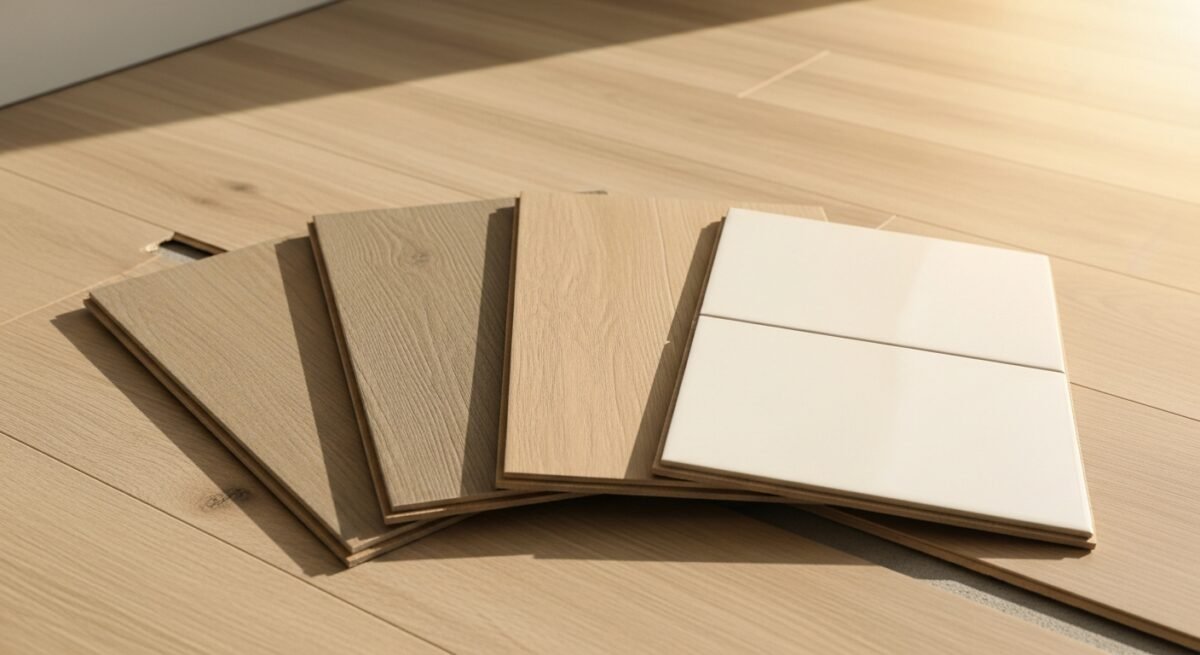
Ultimate Guide to Choosing Kitchen Flooring Options
Explore the best kitchen flooring options for durability and style. Learn about materials, costs, and how to choose the right floor for your home.
By Eric Andrew
Learn more about Floor Installation or Replacement for guides, costs, and what to expect.
Compare Floor Installation or Replacement Pros Near You

Enter your ZIP code to compare top-rated local professionals and request free quotes.
Choosing new kitchen flooring can feel overwhelming. With so many materials, styles, and prices, how do you pick the right one for your busy home? The wrong choice can lead to daily frustration, costly repairs, or a kitchen that doesn’t feel like “you.” This guide will walk you through every major kitchen flooring option in clear, simple terms, helping you make a confident decision that balances beauty, durability, and your budget.
Ready to choose the perfect kitchen floor? Call 📞833-700-4293 or visit Explore Your Options for your free, no-obligation consultation with our flooring experts.
Understanding Kitchen Flooring Options
Kitchen flooring is more than just a surface to walk on. It’s a foundation that needs to withstand spills, dropped dishes, foot traffic, and temperature changes. The “right” option depends on your lifestyle, design taste, and how much maintenance you’re willing to do.
We can group most kitchen floors into a few key categories: resilient surfaces like vinyl and linoleum, classic hard surfaces like tile and stone, timeless wood options, and modern laminates. Each has its own strengths in terms of comfort, water resistance, and installation methods. For a broader look at how different flooring types perform throughout the home, our overview of the best flooring options for your home is a great resource.
Getting familiar with these categories is the first step toward narrowing down your search and finding a floor you’ll love for years.
Why It Matters for Homeowners
Your kitchen floor is a major investment in your home’s safety, value, and daily enjoyment. A well-chosen floor prevents slips, is easier on your back during long cooking sessions, and creates a cohesive look for your most-used room.
Choosing a durable, water-resistant material protects your subfloor from costly water damage and mold growth. This is crucial in a space where leaks from appliances or spills are common. The right floor also adds to your home’s resale appeal, showing potential buyers a kitchen that’s both beautiful and built to last.
Think of your kitchen floor as the workhorse of your home’s design. It needs to be tough enough for real life but beautiful enough to be the centerpiece of your gatherings.
Common Issues and Their Causes
Even the best kitchen floors face challenges. Knowing common problems helps you choose a material that avoids them. Many issues stem from moisture, wear, or improper installation.
Water is the number one enemy. It can warp planks, loosen adhesive, stain grout, and cause mold underneath. Everyday wear from furniture, pet claws, and high heels can scratch, dent, or dull surfaces over time. Often, problems start because the floor wasn’t suited for the kitchen’s demands or was installed incorrectly on an uneven subfloor.
- Warping or Buckling: Caused by water seepage or humidity changes.
- Scratches and Dents: From abrasive debris, heavy appliances, or pet traffic.
- Discoloration or Fading: Due to UV sunlight exposure or harsh cleaning chemicals.
- Loose Tiles or Planks: Often a result of failing adhesive or an unstable subfloor.
- Squeaking or Movement: Caused by gaps between the floor and subfloor.
How Professionals Fix the Problem
When kitchen flooring fails, a professional repair or full installation ensures a long-lasting solution. The process starts with a thorough assessment of the existing floor and subfloor. Any underlying issues like moisture or unevenness must be fixed first to prevent the new problem from recurring.
For repairs, pros can often replace individual tiles or planks, re-seal grout or surfaces, and re-adhere loose sections. For a full installation, the process involves careful removal of the old material, precise subfloor preparation, and expert laying of the new flooring with the proper tools and techniques. This includes ensuring proper expansion gaps, seamless seams, and a flawless finish.
- Assessment & Prep: Inspect, measure, and prepare a clean, level subfloor.
- Precise Installation: Install flooring using method-specific tools for a perfect fit.
- Finishing & Inspection: Apply final sealants, trim, and conduct a quality check.
Signs You Should Not Ignore
Some flooring problems are minor, but others warn of bigger issues. Pay attention to changes in your floor’s feel and appearance. Catching problems early can save you from more extensive and expensive repairs down the line.
If you feel soft spots or noticeable flexing when you walk, it often indicates water damage or subfloor rot underneath. Tiles that have lost grout or sound hollow when tapped are no longer properly sealed and protected. Any sign of moisture, like persistent dark staining or a musty smell, should be addressed immediately.
Ready to choose the perfect kitchen floor? Call 📞833-700-4293 or visit Explore Your Options for your free, no-obligation consultation with our flooring experts.
- Persistent moisture or dark stains.
- Soft, spongy, or flexing areas underfoot.
- Deep cracks in tile, stone, or grout lines.
- Severe warping, gapping, or buckling of planks.
- Loose flooring that shifts or squeaks loudly.
Cost Factors and What Affects Pricing
The cost of kitchen flooring varies widely based on material, labor, and the scope of your project. Being aware of the key factors helps you plan a realistic budget. Material costs range from economical sheet vinyl to premium natural stone. Generally, you get what you pay for in terms of durability and lifespan.
Labor is a significant part of the total price. Complex patterns, intricate cuts around cabinets, and subfloor repair add time and cost. The size and shape of your kitchen also matter—a small, simple layout costs less than a large kitchen with many angles and obstacles. Remember to factor in the cost of underlayment, trim, and sealants, which are essential for a proper installation.
How To Choose the Right Professional or Service
Selecting a skilled installer is as important as choosing the flooring material. Look for a licensed, insured company with specific, proven experience in kitchen flooring. They should understand the unique moisture and durability requirements of the space.
Ask for references and photos of past kitchen projects. A trustworthy professional will provide a detailed written estimate that breaks down material and labor costs, and will clearly explain the installation process and timeline. They should also advise on the best material for your specific needs, not just the most expensive option. Good communication and a solid warranty are signs of a company that stands behind its work.
Long-Term Benefits for Your Home
Investing in the right kitchen flooring pays off for years. A durable, well-installed floor provides daily safety and comfort, reducing fatigue and the risk of slips. It withstands the test of time, needing fewer repairs and looking beautiful through years of family life.
This durability protects your home’s structure from water damage and maintains a healthier indoor environment by resisting mold and mildew. Ultimately, a quality kitchen floor enhances your enjoyment of your home and preserves its value, making it a smart investment in your property’s future. Choosing a versatile material also gives you flexibility, as discussed in our guide on selecting timeless flooring options that adapt to changing styles.
Frequently Asked Questions
What is the most durable flooring for a kitchen?
Porcelain tile and luxury vinyl plank (LVP) are top contenders for durability. Porcelain is extremely hard and water-resistant. LVP is resilient, waterproof, and resists scratches and dents very well, making it excellent for busy households.
Is waterproof flooring necessary for kitchens?
While not strictly necessary, waterproof or highly water-resistant flooring is highly recommended. Spills, leaks, and humidity are constant in kitchens. Waterproof options like LVP, sheet vinyl, or porcelain tile prevent damage and give you peace of mind.
Can I install hardwood flooring in my kitchen?
You can, but it requires care. Use a harder wood species like oak or maple and a durable, water-resistant finish. Expect to clean spills immediately and accept that it may show wear or minor water marks over time compared to more impervious surfaces.
How long does kitchen flooring typically last?
Lifespan varies by material. Vinyl and laminate last 10-20 years. Well-maintained tile, stone, or hardwood can last 25+ years. longevity heavily depends on installation quality, foot traffic, and maintenance, which is why professional installation is key.
What flooring is easiest to clean in a kitchen?
Non-porous surfaces with few seams are easiest. Sheet vinyl, luxury vinyl, and glazed porcelain tile can be quickly wiped clean. Avoid heavily textured tiles or porous natural stone, which can trap grease and grime.
Is it worth installing radiant heat under kitchen flooring?
Radiant heat is a wonderful luxury, especially with hard, cold surfaces like tile or stone. It adds comfort and can help dry spills faster. The cost is a factor, but many homeowners find it a valuable upgrade for comfort.
Can new flooring be installed over my old kitchen floor?
Sometimes, but not always. It depends on the condition and height of the old floor, the new material, and door clearances. A professional must assess to ensure it won’t cause installation or durability issues. Proper subfloor prep is critical.
How do I transition between different flooring types?
Profiles and transition strips made of metal, wood, or vinyl are used. A skilled installer will choose the right one to create a smooth, safe, and visually pleasing transition between your new kitchen floor and the adjoining room’s flooring.
Choosing new kitchen flooring is a big decision, but you don’t have to make it alone. By understanding the options, knowing what to look for, and partnering with a trusted professional, you can create a kitchen that’s both stunning and supremely functional for all of life’s moments.
Ready to choose the perfect kitchen floor? Call 📞833-700-4293 or visit Explore Your Options for your free, no-obligation consultation with our flooring experts.
Learn more about Floor Installation or Replacement for guides, costs, and what to expect.
Compare Floor Installation or Replacement Pros Near You
Enter your ZIP code to compare top-rated local professionals and request free quotes.