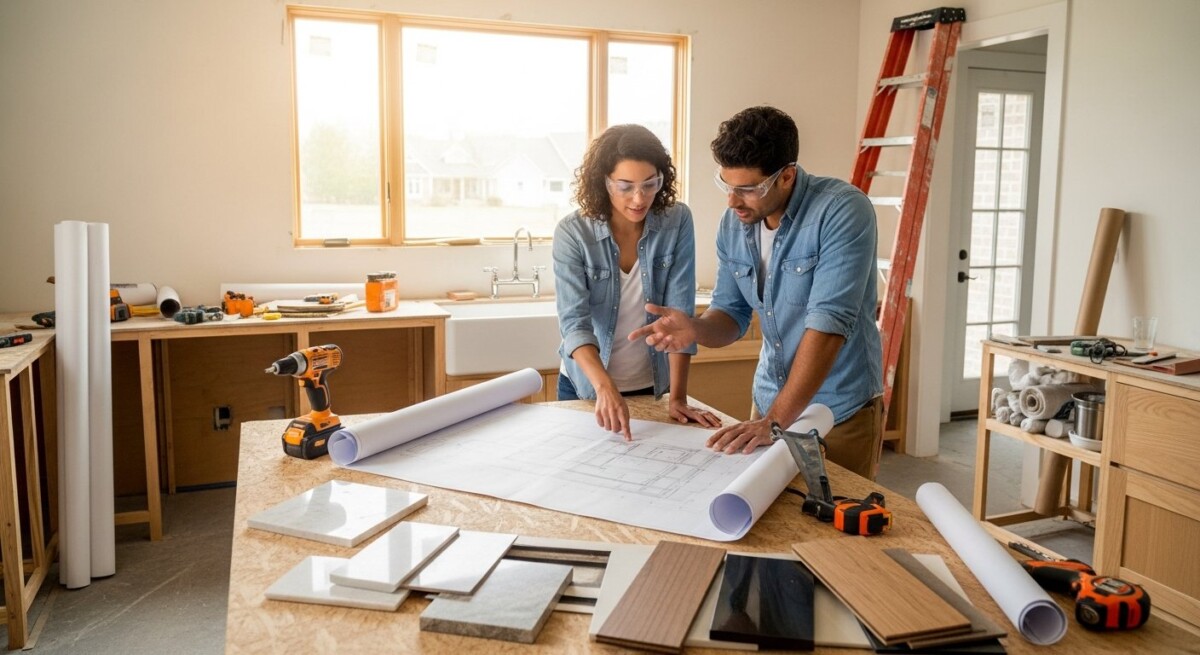
How to Plan a Home Remodel: A Step-by-Step Guide
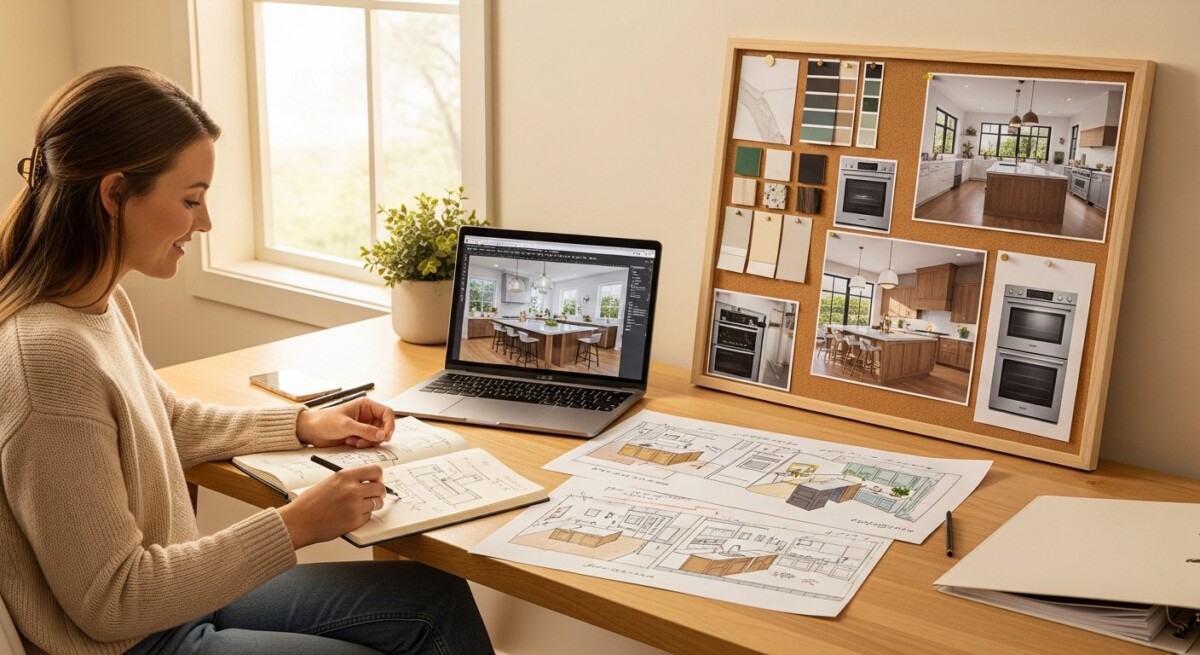
Starting a home remodel is exciting, but it can quickly become overwhelming without a solid plan. You might be dreaming of a new kitchen, an extra bathroom, or finally finishing that basement, but figuring out where to begin is the real challenge. A successful remodel doesn’t start with a sledgehammer; it starts with careful planning. This guide will walk you through the entire process, from your first idea to the final walkthrough, ensuring your project runs smoothly and stays on track.
A Simple Breakdown of How to Plan a Home Remodel
Planning a home remodel is like creating a roadmap for your project. It involves defining your goals, setting a realistic budget, designing the space, and finding the right team to bring your vision to life. A good plan acts as your project’s blueprint, helping you avoid costly mistakes, delays, and stress.
The process is broken down into clear phases. First, you define your scope and inspiration. Next, you tackle the financial and logistical details. Finally, you manage the construction itself. Each phase builds on the last, creating a logical flow that keeps everyone aligned. For a deeper look at the sequence of events, our article on a realistic home remodeling timeline outlines what to expect from start to finish.
Start with Your Goals and Wishes
Before you look at a single paint swatch, ask yourself why you’re remodeling. Are you updating for your own comfort, increasing your home’s value for a future sale, or adapting your space for a growing family? Knowing your primary goal will guide every decision you make, from material choices to budget allocation.
Why a Detailed Plan Matters for Homeowners
Jumping into a remodel without a plan is a recipe for budget overruns and frustration. A detailed plan sets clear expectations for you and your contractor, preventing misunderstandings about the project’s scope, cost, and schedule. It turns a vague wish list into an actionable project.
The benefits are substantial. You gain control over your investment, minimize disruptive changes mid-project, and are more likely to end up with a result you love. A good plan also helps you secure financing if needed and ensures the work adds lasting value to your home. It’s the single most important step in protecting your peace of mind and your wallet.
Ready to transform your home with confidence? Call us at (555) 123-4567 for a free, no-obligation consultation to discuss your remodeling vision.
Common Issues and Their Causes
Even with the best intentions, remodeling projects can hit snags. The most common problems often stem from a lack of upfront planning. Homeowners may have an unrealistic budget, an unclear vision, or choose the wrong contractor for the job, leading to stress and disappointment.
These issues usually have simple roots. A budget that doesn’t account for contingencies will be blown by the first unexpected problem. A vague scope of work leads to constant change orders, increasing costs and extending timelines. Rushing the planning phase to start demolition sooner almost always backfires.
- Budget Blowouts: Caused by hidden costs, unforeseen structural issues, or frequent change orders.
- Project Delays: Often due to material backorders, permit hiccups, or poor contractor scheduling.
- Dissatisfaction with Results: Stems from unclear communication, lack of detailed designs, or cutting corners on materials.
How Professionals Fix the Problem
Professional remodelers follow a proven process that begins with intensive planning. They start by listening to your goals and then translate them into a detailed project plan. This includes creating accurate drawings, specifying all materials, and developing a phased construction schedule.
The key steps in a professional planning process ensure nothing is left to chance. First, they conduct a thorough site assessment to identify any potential structural or system issues. Next, they help you finalize designs and select products. Finally, they procure materials and line up specialized tradespeople before the first day of work, creating a seamless workflow. Staying inspired is key, and exploring essential home remodeling trends can help inform your design choices.
- Discovery & Consultation: Understanding your needs, lifestyle, and budget.
- Design & Development: Creating detailed plans and a fixed project scope.
- Pre-Construction: Securing permits, ordering materials, and finalizing schedules.
Let our experienced team guide you through a stress-free planning process. Contact us at (555) 123-4567 to start your project on the right foot.
Signs You Should Not Ignore
Certain red flags during the planning phase can warn you of trouble ahead. If a contractor is hesitant to provide a detailed, written contract or pushes you to make quick decisions without proper information, consider it a major warning sign. Transparency is the hallmark of a reputable professional.
Pay close attention to how your potential contractor communicates. Vague answers, pressure to pay large deposits upfront, or a lack of references for similar projects are all signs to walk away. Your planning phase should feel collaborative and informative, not rushed or confusing.
- A contractor who dismisses the need for permits or proper inspections.
- An estimate that is significantly lower than others without clear justification.
- No clear process for handling change orders or unexpected issues.
- Poor communication or unreturned calls during the initial quoting stage.
Cost Factors and What Affects Pricing
Remodeling costs vary widely based on the project’s scope, quality of materials, and your location. A full kitchen or bathroom remodel represents a significant investment due to the complexity of plumbing, electrical, and cabinetry work. Simpler projects like painting or flooring updates are more budget-friendly.
Several key factors drive the final price. Labor is often the largest cost, especially for skilled trades like plumbing and electrical. Material choices,from stock cabinets to custom built-ins,have a huge range. The condition of your existing space also matters; older homes may need wiring, plumbing, or structural updates to meet code, adding to the cost. If budget is a primary concern, our guide to home remodel financing options explores practical ways to fund your project.
Don’t let cost uncertainty hold you back. Call (555) 123-4567 for a transparent, detailed estimate tailored to your specific project goals.
How To Choose the Right Professional or Service
Selecting the right contractor is the most critical decision in your remodel. Start by seeking recommendations from friends, family, or trusted online review platforms. Look for a professional who specializes in your type of project and has a proven portfolio of completed work.
Once you have a shortlist, conduct thorough interviews. Ask about their process, timeline, and who will be managing the project day-to-day. Request and check references, and verify they are properly licensed, insured, and bonded. A trustworthy contractor will welcome these questions and provide clear, confident answers.
- Check for valid state and local licenses.
- Verify insurance coverage for liability and workers’ compensation.
- Review a portfolio of past projects similar to yours.
- Read recent client testimonials and reviews.
Long-Term Benefits for Your Home
A well-planned and professionally executed remodel delivers benefits that last for decades. Beyond the immediate joy of a beautiful new space, you’ll enjoy improved functionality that makes daily life easier. Quality upgrades also enhance your home’s durability, reducing maintenance costs and headaches down the road.
From a financial perspective, strategic remodels increase your property’s market value and appeal. Perhaps most importantly, a remodel that meets your family’s needs creates a safer, more comfortable, and more enjoyable living environment. It’s an investment in your quality of life and your single most valuable asset.
Frequently Asked Questions
How long does it take to plan a home remodel?
The planning phase can take anywhere from a few weeks for a small project to several months for a large, whole-house renovation. This time is used for design, securing permits, and ordering materials. Rushing this phase often leads to delays later.
What is the first step in planning a remodel?
The very first step is to define your goals and set a preliminary budget. Ask yourself why you are remodeling and what you hope to achieve. This clarity will guide every subsequent decision, from design to contractor selection.
Do I need an architect for my remodel?
For simple projects like replacing fixtures or finishes, you may not. For projects involving structural changes, additions, or complex layouts, an architect or designer is invaluable. Your contractor can advise you on what level of design service you need.
How much should I budget for unexpected costs?
It’s wise to set aside a contingency fund of 10-20% of your total project budget. This covers unforeseen issues like hidden water damage, outdated wiring, or necessary structural repairs that are discovered once walls are opened.
What questions should I ask a potential contractor?
Ask about their experience with similar projects, their project timeline, their process for handling changes, and who your main point of contact will be. Always request a detailed, written contract and a list of references.
How do I prepare my home for a remodel?
Create a clear workspace for the crew, protect your belongings from dust, and set up a temporary kitchen or bathroom if needed. Discuss daily cleanup expectations with your contractor and establish clear house rules for workers.
What is the difference between a remodel and a renovation?
Renovation typically means restoring or updating an existing space without changing its layout. A remodel involves changing the structure, layout, or purpose of a space, such as removing walls or converting a garage into a living area.
Can I live in my home during a major remodel?
It depends on the project’s scale and your tolerance for disruption. For kitchen or bathroom remodels, you may need to make temporary arrangements. For whole-house projects, moving out is often safer and less stressful for everyone involved.
A successful home remodel is the result of thoughtful planning, clear communication, and partnership with the right professionals. By taking the time to create a detailed roadmap, you invest in a smoother process and a final result that you’ll cherish for years to come. Your dream home is within reach,it just starts with a great plan.