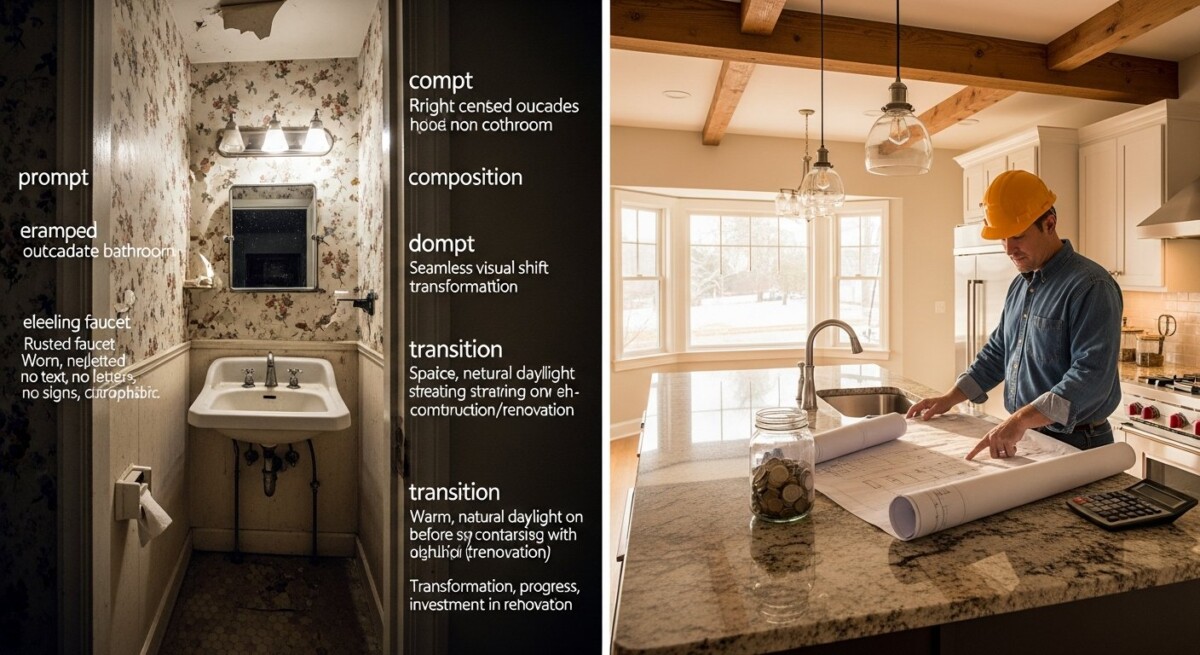
How to Compare Remodeling Estimates Like a Pro

You open your mailbox and find three envelopes from contractors. Each one contains a remodeling estimate for your kitchen renovation. The prices vary by thousands of dollars, and you have no idea which one is fair. This is a moment every homeowner dreads. Comparing remodeling estimates can feel like comparing apples to oranges, but getting it wrong can lead to budget overruns, shoddy work, or even legal headaches. If you ignore the differences in these bids, you risk paying too much for poor quality or hiring a contractor who cuts corners.
Learning how to compare remodeling estimates is not just about finding the lowest price. It is about protecting your home, your investment, and your peace of mind. In this guide, we will walk you through the process step by step, so you can make a confident decision.
Understanding How to Compare Remodeling Estimates
At its core, comparing remodeling estimates means looking beyond the total dollar amount. A bid is a snapshot of what a contractor plans to do and what materials they will use. Two contractors can quote the same project for very different reasons. One might use premium materials, while another assumes you want the cheapest option. One might include permits and cleanup fees, while another leaves them out to appear more affordable.
This is why the process matters. Without a clear comparison, you could end up with a finished room that does not meet your expectations or a project that stalls because the contractor did not budget for structural surprises. Homes that are older or have previous DIY work are especially vulnerable to hidden costs in remodeling estimates.
What Makes Estimates Difficult to Compare
Most homeowners struggle because each contractor formats their bid differently. One might list materials separately, while another bundles everything into a single line item. Some include sales tax and disposal fees, and others do not. The key is to ask for identical scopes of work before you start comparing. Without a standardized scope, you are comparing guesses, not real estimates.
Why This Matters for Your Home
Choosing the wrong estimate can lead to serious consequences. If you pick a lowball bid that excludes necessary work, you may face water damage, electrical hazards, or structural instability down the road. For example, a bathroom remodel that skips proper waterproofing can lead to mold growth and rotting subfloors within a year. That repair bill could easily triple your original cost.
Safety is another major concern. A contractor who bids too low may not carry proper insurance or use substandard materials. This puts your family at risk and could void your homeowner’s insurance if something goes wrong. On the flip side, paying too much for unnecessary upgrades wastes money you could have used for other home improvements.
Your home’s value also hangs in the balance. A poorly executed remodeling job can lower your property’s resale value, while a professional, well-documented renovation adds equity. Taking the time to compare estimates properly helps you invest wisely.
If you notice signs of this issue in your home, it may help to speak with a qualified contractor. Request a free quote or call 1-800-555-0199 to explore your repair or remodeling options.
Common Problems Homeowners Experience
Many homeowners discover the hard way that not all estimates are created equal. One common problem is the “bait and switch” bid. A contractor gives you a low initial price to win the job, then adds change orders later for things that were always necessary, like moving a plumbing line or upgrading the electrical panel. By the end, your bill is thousands more than the original estimate.
Another frustration is vague language. An estimate that says “install new flooring” does not tell you what type of flooring, the brand, or the installation method. You might assume luxury vinyl plank, but the contractor plans to use basic sheet vinyl. This leads to arguments and disappointment when the work is finished.
Here are some of the most common issues homeowners face when comparing remodeling estimates:
- Missing line items: Permits, disposal fees, and cleanup costs are often left out of low bids.
- Different material grades: One contractor quotes builder-grade cabinets, while another includes custom options.
- Vague timelines: A bid may not specify start dates, completion dates, or what happens if delays occur.
- No warranty information: Some contractors guarantee their work for a year, while others offer no warranty at all.
- Inconsistent payment schedules: One contractor asks for 50% upfront, while another only requires a deposit for materials.
- Unlicensed or uninsured bids: A cheap estimate often comes from a contractor who lacks proper licensing or liability coverage.
How Professionals Solve the Problem
Experienced contractors understand that transparency is key to a successful project. They provide detailed, itemized estimates that break down labor, materials, permits, and overhead. This makes it easy for you to see exactly what you are paying for and compare apples to apples. Professionals also take the time to walk through the scope of work with you, answering questions before you sign a contract.
The typical process for a professional contractor follows these steps:
- On-site inspection: The contractor visits your home to measure, assess existing conditions, and note any potential challenges like outdated wiring or uneven floors.
- Written scope of work: They provide a clear, written description of every task, from demolition to final cleanup.
- Itemized estimate: Each major cost category is listed separately, including materials, labor, permits, and contingency reserves.
- Timeline and milestones: The bid includes a projected start date, estimated duration, and key milestones for payment or inspections.
- Warranty and insurance details: The contractor provides proof of insurance and explains their warranty policy for both materials and workmanship.
Professional work is almost always safer and more reliable than a DIY approach or hiring an unlicensed handyman. A licensed contractor follows building codes, pulls necessary permits, and uses proper safety equipment. This protects your home and your family. Plus, if an issue arises later, you have a contractor who stands behind their work.
A professional inspection can reveal hidden issues before they become expensive repairs. Compare contractor quotes here or call 1-800-555-0199 to discuss your project.
Warning Signs You Should Not Ignore
Your home often gives you clues that a remodeling estimate may be too good to be true or missing critical details. Pay attention to these early warning signs before you sign a contract. Catching them early can save you from a costly mistake.
For example, if a contractor refuses to visit your home and provides a quote over the phone, that is a red flag. No professional can accurately estimate a remodeling project without seeing the space in person. Similarly, if the estimate is handwritten on a scrap of paper, it suggests a lack of professionalism and attention to detail.
Here are warning signs that suggest you need to dig deeper or walk away:
- Pressure to sign immediately: A contractor who says “this price is only good today” is often trying to rush you into a bad deal.
- No business address or website: Legitimate contractors have a physical location and an online presence.
- Request for full payment upfront: Never pay the entire amount before work begins. A deposit of 10,30% is standard.
- Missing permits from the bid: If the estimate does not mention permits, ask why. Most remodeling projects require them.
- Vague or missing warranty: If the contractor cannot explain their warranty policy in writing, it may not exist.
- Extremely low price compared to others: If one bid is 40% lower than the rest, something is likely missing or the quality will suffer.
What Affects the Cost of Repairs or Installation
Several factors influence the final price of a remodeling project. Understanding these can help you compare estimates more effectively and avoid sticker shock. The size of the room or project is the most obvious factor. A full kitchen remodel costs significantly more than a bathroom refresh because it involves more labor, materials, and plumbing or electrical work.
Materials also play a huge role. Custom cabinets, quartz countertops, and premium flooring can double the cost compared to stock cabinets, laminate counters, and vinyl flooring. Labor rates vary by region and by the complexity of the work. For example, moving load-bearing walls or rerouting HVAC ducts requires specialized skills and higher fees. Accessibility matters too. If your home has narrow stairways or the work area is on a second floor, contractors may charge more because it takes extra time to move materials and equipment.
The age of your home can also drive up costs. Older homes often have outdated wiring, cast-iron pipes, or asbestos insulation that must be dealt with before remodeling can proceed. These surprise issues are common and can add 10,20% to the total budget. A good contractor will build a contingency into their estimate to cover these unknowns.
Costs can vary depending on the condition of your home. The best way to know the price is to get a personalized estimate. Request free quotes from contractors or call 1-800-555-0199 today.
How to Choose the Right Contractor
Choosing a contractor is about more than just the price. You need someone who is reliable, communicative, and skilled. Start by checking that the contractor is licensed and insured. Ask for their license number and verify it with your state’s licensing board. Also, request a certificate of insurance that shows general liability and workers’ compensation coverage.
Next, read customer reviews on platforms like Google, Yelp, or the Better Business Bureau. Look for patterns in feedback. Do past clients mention that the contractor showed up on time and cleaned up after themselves? Or do reviews complain about delays and cost overruns? A few negative reviews are normal, but consistent complaints should raise red flags.
Here are practical tips for selecting the right contractor:
- Ask for detailed estimates from at least three contractors. This gives you a baseline for comparison.
- Check references from recent projects similar to yours. Call a few past clients and ask about their experience.
- Confirm they have experience with your specific project type. A general contractor may not specialize in bathroom remodeling.
- Review the contract carefully before signing. Make sure it includes the scope of work, payment schedule, timeline, and warranty.
- Trust your gut. If a contractor makes you uncomfortable or avoids answering questions, move on to the next candidate.
Long-Term Benefits of Professional Work
Investing in professional remodeling pays off for years to come. A well-executed renovation improves your home’s safety by ensuring electrical systems are up to code, plumbing is leak-free, and structures are sound. This reduces the risk of accidents like electrical fires or water damage.
Professional work also lasts longer. High-quality materials and proper installation mean you will not have to redo the project in five years. This saves you money and hassle in the long run. Energy efficiency is another major benefit. Professional contractors know how to insulate properly, seal windows, and install energy-efficient appliances, which can lower your utility bills by 20% or more.
Finally, professional remodeling increases your home’s resale value. Buyers are willing to pay a premium for a kitchen or bathroom that was renovated by a licensed contractor with permits and warranties. According to industry data, a midrange kitchen remodel recovers about 60,80% of its cost at resale. That is a solid return on investment.
Frequently Asked Questions
How do I compare remodeling estimates that look very different?
Start by asking each contractor to provide an itemized breakdown of labor, materials, permits, and overhead. Then compare the scope of work line by line. If one estimate includes premium materials and another does not, the difference in price makes sense. Focus on what is included, not just the total.
What percentage difference between estimates is normal?
A 10,20% difference between estimates is common and reasonable. If one bid is 40% or more lower than the others, be cautious. That contractor may be cutting corners, leaving out important work, or using cheaper materials. Always ask for an explanation of significant price gaps.
Should I always choose the lowest remodeling estimate?
No. The lowest estimate is often the riskiest choice. It may exclude permits, insurance, or necessary repairs. You could end up paying more in change orders or fixing poor workmanship later. Instead, look for the best value,a fair price combined with a solid reputation and a detailed scope of work.
What should a remodeling estimate include?
A complete estimate should include a written scope of work, itemized costs for materials and labor, permit fees, a payment schedule, a projected timeline, and warranty information. It should also list what is not included, so there are no surprises. Ask for a sample estimate if you are unsure what to expect.
How many remodeling quotes should I get?
Getting at least three quotes is the industry standard. This gives you a good range to compare prices, approaches, and professionalism. Avoid gathering more than five, as it can become overwhelming. Focus on quality over quantity when selecting contractors to quote your project.
Can I negotiate a remodeling estimate?
Yes, you can negotiate, but do it respectfully. If you like a contractor but the price is slightly high, ask if they can adjust the scope or offer a discount for scheduling during their slower season. However, do not pressure a contractor to lower their price significantly, as they may cut corners to meet your budget.
What is a change order and why does it affect my estimate?
A change order is a written modification to the original contract that changes the scope of work or materials. It usually increases the total cost. To avoid excessive change orders, make sure your scope of work is as detailed as possible before signing. Even then, budget an extra 10,20% for unexpected changes.
How do I know if a contractor is licensed and insured?
Ask for their license number and verify it with your state’s contractor licensing board. Request a certificate of insurance directly from their insurance provider. Do not rely on a photocopy the contractor hands you, as it could be outdated. A legitimate contractor will happily provide proof.
Comparing remodeling estimates does not have to be stressful. By understanding what to look for and asking the right questions, you can confidently choose a contractor who will deliver quality work for a fair price. The key is to start early, gather multiple bids, and never rush into a decision. Your home deserves the best care you can give it. Take the first step today by reaching out to professionals who can help turn your remodeling dreams into reality.