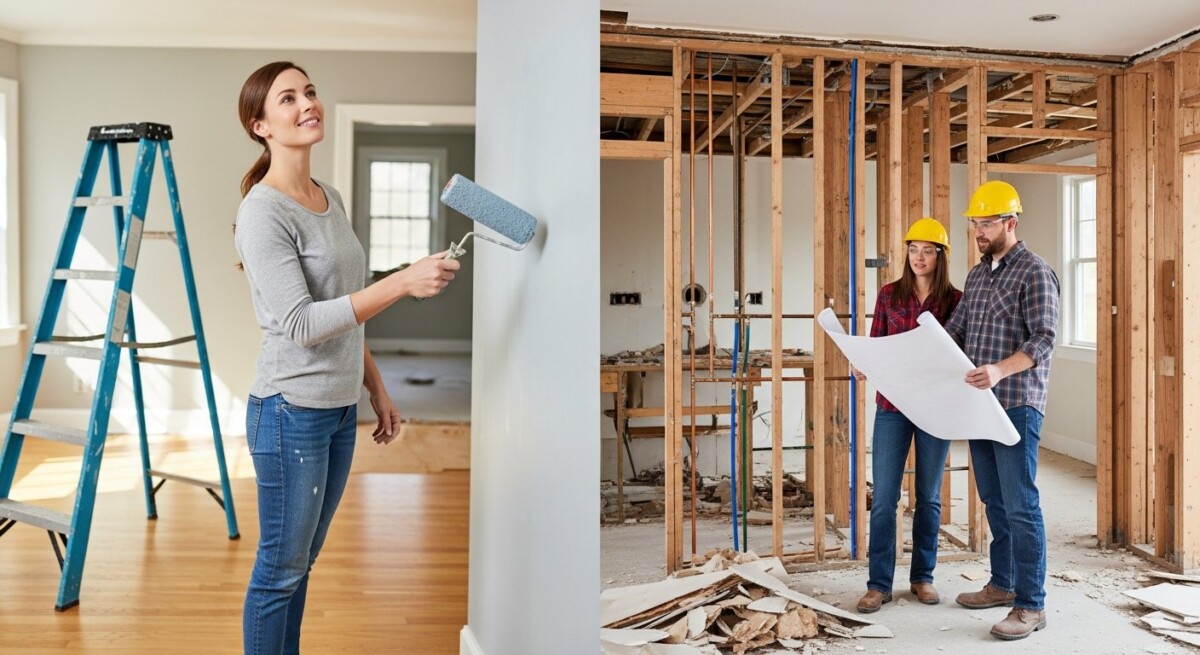
How Contractors Estimate Remodeling Cost for Homeowners

You’ve finally decided to tackle that kitchen renovation or finish the basement. You start dreaming about new cabinets and quartz countertops, but then reality hits: “How much will this actually cost?” You search online for a ballpark figure and get a dizzying range of answers, from shockingly low to impossibly high. This confusion is one of the biggest hurdles homeowners face when planning a remodel. Understanding how contractors build their estimates is the key to moving from a vague dream to a realistic, actionable plan for your home.
Understanding How Contractors Estimate Remodeling Cost
A contractor’s estimate is far more than just a guess or a single number. It’s a detailed breakdown of the entire project, built from the ground up. Think of it as a roadmap that outlines every material, every hour of labor, and every potential challenge involved in bringing your vision to life.
This process happens because every home and every homeowner’s wish list is unique. A contractor can’t give an accurate price without understanding the scope, the quality of materials you desire, and the current condition of your space. They systematically account for everything, transforming your ideas into a tangible budget.
Why This Matters for Your Home
Getting a clear, detailed estimate protects your investment and your peace of mind. A vague or incomplete quote can lead to stressful surprises mid-project, where you’re asked to pay more for “unforeseen” issues. A proper estimate sets clear expectations from the start.
It also ensures your project is planned correctly. A thorough estimate forces a detailed conversation about materials, timelines, and methods. This upfront planning is what separates a smooth, successful remodel from a chaotic and costly experience that could disrupt your home life for months.
If you notice signs of this issue in your home, it may help to speak with a qualified contractor. Request a free quote or call to explore your repair or remodeling options.
Common Problems Homeowners Experience
Without a clear understanding of estimates, homeowners often encounter frustrating roadblocks. The most common issue is “sticker shock” when a preliminary ballpark suddenly doubles after the contractor sees the site. This usually happens when hidden conditions, like outdated wiring or structural concerns, are discovered.
Another frequent problem is comparing “apples to oranges.” One contractor’s quote might include high-end appliances and custom cabinetry, while another is for stock materials and basic finishes. If the estimates aren’t itemized, you can’t make a fair comparison, potentially leading you to choose a lower bid that delivers inferior results.
- Receiving a single lump-sum number with no breakdown of costs.
- Encountering constant change orders and cost overruns during the project.
- Finding out late that essential items (like permits or dumpster fees) weren’t included.
- Being unable to understand what you’re paying for, leading to distrust.
- Choosing a low bidder only to discover they cut corners or used subpar materials.
- Delays because materials weren’t accurately priced or ordered in time.
How Professionals Solve the Problem
Experienced contractors follow a meticulous process to create reliable estimates. They start with an in-depth consultation to understand your goals, style, and budget. Then, they translate that vision into a quantifiable plan, leaving little to chance.
This professional approach is safer and more reliable than DIY estimating or relying on online calculators alone. Contractors have the trade knowledge to spot potential problems behind walls and under floors before work begins. They also have established relationships with suppliers and know the true cost and lead time of materials in your current market.
- Initial Consultation & Scope Definition: They visit your home, discuss your project in detail, and take measurements.
- Material Takeoff: They calculate the exact quantities of every material needed, from lumber and drywall to tiles and fixtures.
- Labor Calculation: They estimate the hours required for each trade (carpentry, plumbing, electrical, etc.) based on the project’s complexity.
- Cost Research & Pricing: They apply current material costs from suppliers and standard labor rates to the takeoff and labor calculations.
- Overhead & Profit Addition: They factor in business costs (insurance, tools, vehicle) and a reasonable profit margin to stay in business.
- Contingency Planning: A responsible estimate includes a buffer (often 10-20%) for unexpected issues common in remodeling.
A professional inspection can reveal hidden issues before they become expensive repairs. Compare contractor quotes here or call to discuss your project.
Warning Signs You Should Not Ignore
When reviewing an estimate, certain red flags should prompt you to ask more questions or seek another opinion. An estimate that seems too good to be true usually is, and often means critical costs are missing or quality will be compromised.
Acting on these warning signs early can prevent you from signing a contract that leads to disputes, unfinished work, or liens on your home. Your goal is to find a contractor who is transparent and thorough from the very first estimate.
- The contractor pressures you to sign a contract immediately with a “today-only” price.
- The estimate is handwritten on a simple form or napkin with no itemized details.
- They request a large down payment (more than 10-15%) before any work begins.
- They are hesitant to provide references from past clients or proof of insurance.
- Their verbal description of the project doesn’t match what’s written in the estimate.
- Key elements like permit fees, cleanup, or final inspections are not listed.
What Affects the Cost of Repairs or Installation
Many factors influence the final number on your estimate. The size and scope of the project are the most obvious,a full kitchen remodel costs more than a bathroom update. However, the quality of materials you select causes the widest price variation. Premium hardwood flooring, for example, has a very different cost than laminate.
Labor is another major component. Complex projects that require moving plumbing walls, upgrading electrical service, or custom carpentry demand more skilled hours. The age and condition of your home also play a huge role. Remodeling a 1920s craftsman often uncovers more surprises (and costs) than updating a 1990s home, due to outdated systems and materials. For a complete picture of what goes into a large-scale project, our guide on understanding whole house remodeling cost dives deeper into these variables.
Costs can vary depending on the condition of your home. The best way to know the price is to get a personalized estimate. Request free quotes from contractors or call today.
How to Choose the Right Contractor
Your choice of contractor is as important as the estimate itself. The right professional will be a partner in your project, guiding you through decisions and solving problems efficiently. Start by verifying their credentials and reputation in your community.
Always interview at least three contractors and compare their detailed estimates side-by-side. This isn’t just about finding the lowest price; it’s about finding the best value, communication style, and trustworthiness for your specific project and budget.
- Check for a valid state license and current liability and workers’ compensation insurance.
- Read recent reviews on multiple platforms and ask for references you can call.
- Insist on a detailed, written estimate that breaks down costs for materials, labor, and other expenses.
- Compare multiple quotes to understand the market rate and scope differences.
- Ask about their experience with projects similar in style and scale to yours.
Long-Term Benefits of Professional Work
Investing in a thorough estimate and quality professional work pays dividends long after the project is complete. First and foremost, it ensures safety. Proper electrical work, structural modifications, and plumbing installations prevent hazards that could endanger your family.
Professional remodeling also protects and enhances your home’s value. Quality materials and skilled craftsmanship last longer, look better, and appeal more to future buyers. A well-executed remodel, like a professionally finished basement, can deliver a significant return on investment by adding functional living space. It also improves your daily comfort and enjoyment of your home, turning it into a space that truly works for your lifestyle.
How accurate are online remodeling cost calculators?
Online calculators can provide a very rough starting point, but they lack crucial details. They don’t know your home’s condition, local labor rates, or current material prices. For a more tailored figure, using a detailed remodeling cost calculator that accounts for room size and material grades is a better first step before calling a pro.
What’s the difference between an estimate and a quote?
An estimate is an educated projection of costs and can change as more details are known. A quote (or bid) is typically a fixed-price offer for the defined scope of work. Always clarify which you are receiving from a contractor.
Should I get multiple estimates?
Yes, getting at least three detailed estimates is highly recommended. It helps you understand a fair price range, spot inconsistencies in scope, and gauge different contractors’ communication styles and professionalism.
What should a good estimate include?
A good estimate is a detailed document that includes a project description, breakdown of material and labor costs, brand names or specs for key items, payment schedule, project timeline, and information about warranties, permits, and cleanup.
Why is there a contingency line in the estimate?
A contingency (usually 10-20%) is a budget set aside for unforeseen issues common in remodeling, like rotten subfloor or outdated wiring. A responsible contractor includes this to avoid constant change orders; any unused portion typically goes unspent.
How long is an estimate valid?
Material and labor costs can fluctuate. Most estimates are valid for 30 to 90 days. If you delay your project, ask the contractor if the estimate needs to be updated to reflect current market prices.
Is the cheapest estimate the best choice?
Not necessarily. A very low estimate may indicate the contractor has misunderstood the scope, plans to use inferior materials, or has made errors that will lead to cost overruns later. The most trustworthy estimate is thorough, clear, and competitively priced within the range of others.
What questions should I ask when reviewing an estimate?
Ask what is and isn’t included, who will pull permits, how change orders are handled, what the daily work schedule looks like, and how payments are structured. A good contractor will welcome these questions.
Understanding how contractors estimate remodeling costs empowers you to plan wisely and partner effectively with professionals. By demystifying the process, you can approach your project with confidence, avoid common pitfalls, and make informed decisions that protect your home and your budget. Taking the time to get detailed, comparable estimates is the most important first step you can take toward a successful and satisfying remodel.