
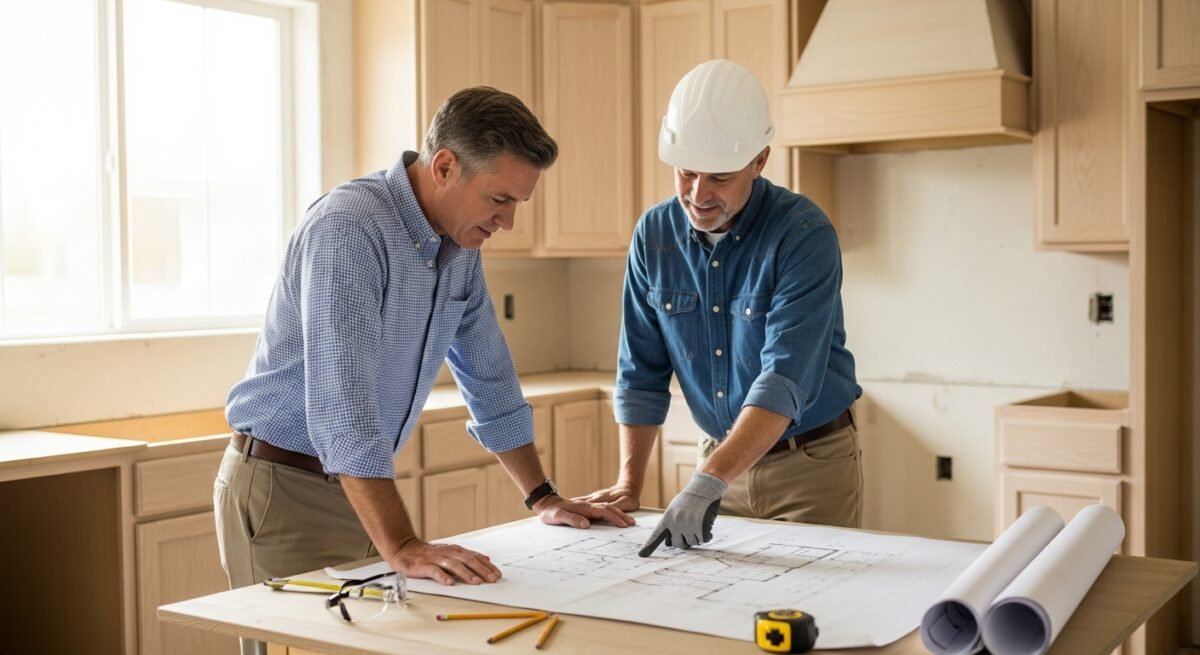
Finding a Trusted General Contractor Near You: A Homeowner’s Guide
Find a trusted local general contractor for your home project. Our guide explains how to choose a professional for a smooth, stress-free renovation that adds value.
By Alexia Mabel
Learn more about Construction Services for guides, costs, and what to expect.
Compare Construction Services Pros Near You

Enter your ZIP code to compare top-rated local professionals and request free quotes.
You have a home improvement vision, but the path to getting it done feels overwhelming. Whether it’s a kitchen remodel, a room addition, or repairing storm damage, the thought of managing subcontractors, permits, and timelines can make any homeowner hesitate. The single most important decision you’ll make is finding a reliable, skilled general contractor who can turn your plans into reality, right in your own neighborhood.
Turn your vision into reality with confidence. Call 📞833-700-4293 or visit Find a Local Contractor for your free, detailed consultation and estimate.
A Simple Breakdown of General Contractors Near You
A general contractor (GC) is the project manager for your home construction or renovation. Think of them as the conductor of an orchestra, ensuring every player—from carpenters and electricians to plumbers and painters—works in harmony. When you search for a “general contractor near me,” you’re looking for a local professional who will handle the day-to-day oversight of your job.
Their role is comprehensive. They obtain necessary permits, hire and schedule specialized subcontractors, order materials, ensure code compliance, and keep the project on track and on budget. Your job is to communicate your vision; their job is to execute it seamlessly while you live your life.
Local Knowledge Is Key
A contractor based in your area understands local building codes, weather considerations, and even neighborhood association rules. They have established relationships with local suppliers and inspectors, which can smooth out potential delays. This local expertise is a huge advantage you get from searching “near me.”
Why It Matters for Your Home Project
Hiring the right general contractor isn’t just a convenience—it’s a safeguard for your investment and your peace of mind. A major renovation is a significant financial commitment. A qualified GC ensures that investment is protected with proper workmanship, quality materials, and legal protections like licenses and insurance.
Attempting to manage a complex project yourself or hiring disparate tradespeople without coordination often leads to budget overruns, timeline blowouts, and frustrating gaps in responsibility. When something goes wrong, who do you call? With a GC, you have one point of contact accountable for the entire project, from start to finish.
Common Issues and Their Causes
Many homeowner frustrations stem from a lack of clear process and professionalism. Common issues include projects stalling partway through, costs ballooning beyond the initial quote, and poor communication that leaves you in the dark.
These problems are often caused by contractors who are undercapitalized, disorganized, or simply in over their heads. They may provide a low-ball estimate to win the job, only to hit financial snags later. Others might lack the skills to properly schedule trades, leading to electricians waiting for framers, and plumbers waiting for drywallers.
- Unclear Contracts: Vague scopes of work lead to disputes over what was included.
- Poor Scheduling: Lack of a clear project timeline causes endless delays.
- Communication Breakdowns: You can’t reach your contractor for days.
- Financial Instability: The contractor runs out of money mid-job.
How a Professional General Contractor Fixes the Problem
A professional general contractor brings a systematic approach that prevents these issues from arising. The process typically begins with a thorough consultation and a detailed, written estimate that outlines the scope, materials, labor, timeline, and payment schedule.
Once you sign the contract, they handle everything. They pull permits, set up a project timeline, and order materials. They manage the site, ensuring it’s safe and as clean as possible. They coordinate each subcontractor’s arrival in the correct sequence, inspect their work, and solve problems as they arise—all while keeping you updated. This structured method is the antidote to renovation chaos.
Signs You Should Not Ignore
Knowing when to call a professional is crucial. While small handyman tasks are one thing, certain projects absolutely require the oversight of a licensed general contractor. Ignoring these signs can lead to unsafe conditions, code violations, and costly repairs down the line.
If your project involves multiple trades, structural changes, or official permits, it’s time for a GC. Similarly, if you lack the time or expertise to manage workers, schedules, and deliveries, a contractor is your solution. They ensure the job is done right, legally, and efficiently.
Turn your vision into reality with confidence. Call 📞833-700-4293 or visit Find a Local Contractor for your free, detailed consultation and estimate.
- Structural Modifications: Removing walls, adding rooms, or altering rooflines.
- Multiple Trade Coordination: Needing electricians, plumbers, and carpenters.
- Permit Requirements: Any work that legally requires a building permit.
- Major System Updates: Whole-house rewiring, replumbing, or HVAC overhaul.
- Water or Fire Damage Restoration: Complex repairs needing coordinated drying, rebuilding, and finishing.
Cost Factors and What Affects Pricing
The cost of hiring a general contractor is influenced by several key factors. Understanding these helps you interpret estimates and budget realistically. Typically, a GC will charge a management fee (often 10-20%) on top of the total cost of materials, labor, subcontractors, and permits.
Project size and complexity are the biggest drivers. A high-end kitchen with custom cabinets and stone countertops costs far more than a basic update. Material choices, your home’s location and accessibility, and the current demand for construction labor in your area all play significant roles. Unforeseen issues discovered after opening walls, like outdated wiring or rot, will also affect the final price.
How To Choose the Right General Contractor
Selecting your contractor is the most critical step. Start by asking for recommendations from friends, family, or neighbors who have had similar work done. Then, vet each candidate thoroughly.
Always verify their state license and insurance (liability and workers’ compensation). Ask for and contact recent references, and look at photos of their completed work. Get at least three detailed, written bids for comparison. Most importantly, trust your gut during the consultation. Do they listen? Are they transparent and professional? You’ll be working closely with them for weeks or months, so good rapport is essential.
Long-Term Benefits for Your Home
Investing in a professional general contractor pays dividends long after the dust settles. Properly executed work increases your home’s value, safety, and functionality. It ensures building code compliance, which is vital for insurance and future sales.
Quality craftsmanship means fewer callbacks for repairs and a longer lifespan for your renovation. You gain not just a beautiful new space, but also the peace of mind that comes from knowing the job was done right, with durable materials and correct techniques. This protects your biggest asset—your home.
Frequently Asked Questions
What’s the difference between a general contractor and a handyman?
A handyman is ideal for small repairs and tasks like fixing a door or patching drywall. A general contractor manages large, complex projects involving multiple trades, permits, and significant budgets. They are licensed for major construction and renovation work.
How long does a typical home renovation project take?
Timelines vary widely. A bathroom might take 3-4 weeks, while a full kitchen remodel or addition can take 8-12 weeks or more. Your contractor should provide a detailed schedule upfront and communicate any changes promptly.
Do I need to be home during the renovation?
Not constantly, but you should be available for key decisions. A good contractor will give you a schedule so you know when critical inspections or deliveries occur. For major interior projects, plan for some disruption to your daily routine.
How are payments typically structured?
A standard schedule involves an initial deposit (often 10-30%), followed by progress payments at defined milestones, with a final payment upon completion and your satisfaction. Never pay the full amount upfront.
What should be included in the written contract?
A solid contract includes the project scope, detailed materials list, total price and payment schedule, start and completion dates, warranty information, and procedures for handling changes. It protects both you and the contractor.
Who pulls the building permits?
Your licensed general contractor should always pull the required permits. This makes them legally responsible for the work meeting code. If a contractor asks you to pull the permit, it’s a major red flag.
How do you handle unexpected problems or changes?
Professional contractors will identify potential issues early and communicate them immediately. For changes you request or hidden problems (like mold or faulty wiring), they will provide a written change order detailing the cost and timeline impact before proceeding.
Finding the right “general contractor near me” is about more than just hiring labor—it’s about partnering with a professional who will guide you through the renovation process with expertise and integrity. By doing your homework and choosing a qualified, communicative local contractor, you invest in a smooth experience and a finished project that brings you joy and adds lasting value to your home.
Turn your vision into reality with confidence. Call 📞833-700-4293 or visit Find a Local Contractor for your free, detailed consultation and estimate.
Learn more about Construction Services for guides, costs, and what to expect.
Compare Construction Services Pros Near You
Enter your ZIP code to compare top-rated local professionals and request free quotes.