Floor Replacement: A Complete Guide for Homeowners
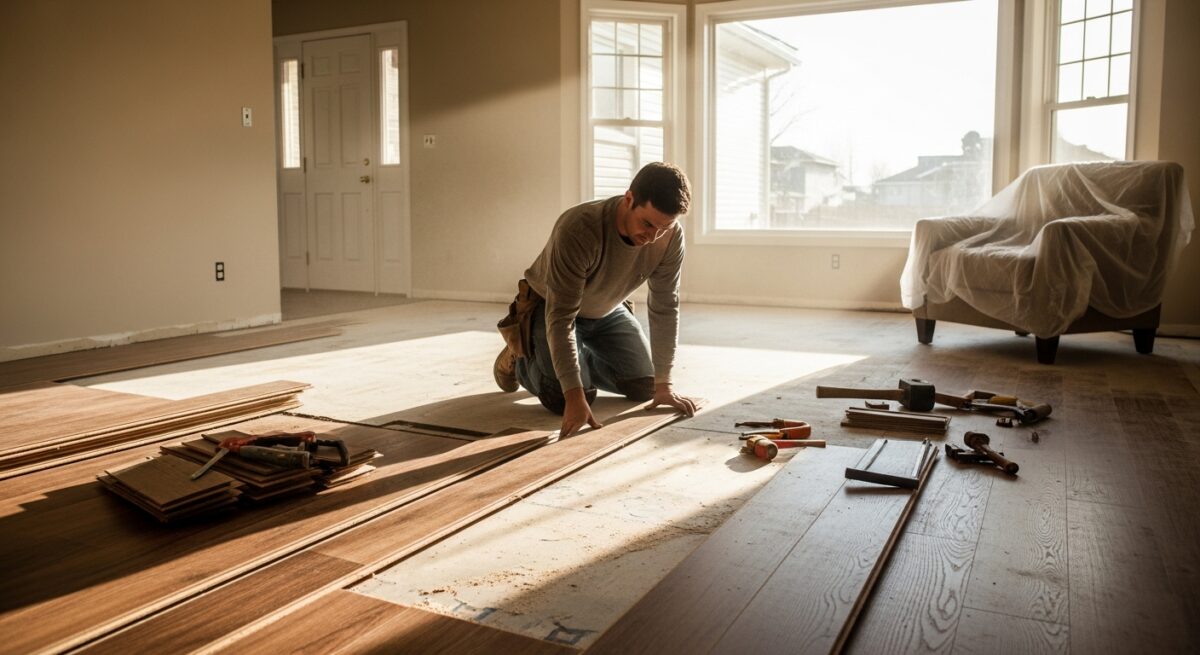
Your floor is one of the hardest-working parts of your home. Day after day, it withstands foot traffic, furniture, spills, and life’s general wear and tear. Over time, even the most durable flooring can show signs of serious aging, damage, or simply become outdated. When deep cleaning or minor repairs are no longer enough, a full floor replacement becomes the most effective and valuable solution to restore beauty, safety, and function to your living space.
What Floor Replacement Means for Homeowners
Floor replacement is the complete process of removing your existing, worn-out flooring and installing brand new material in its place. It’s more than just a cosmetic upgrade; it’s a foundational improvement to your home.
This process involves careful preparation of the subfloor, precise installation of your chosen new material, and finishing touches like trim and transitions. Unlike a simple repair that patches a problem area, replacement addresses the entire surface, ensuring a uniform look and eliminating underlying issues that may be hidden from view. For a deeper dive into the initial steps, our resource on flooring installation provides a helpful overview.
Why It Matters for Homeowners
Investing in a new floor does much more than just change the appearance of a room. It directly impacts your daily life and your home’s long-term value. A damaged or severely outdated floor can be a tripping hazard, harbor allergens, and make your entire home feel neglected.
A successful replacement transforms this. It creates a clean, solid, and beautiful foundation for your décor. You’ll enjoy a more comfortable space underfoot, improved indoor air quality, and the peace of mind that comes with a safe, sound surface for your family. It’s an investment that pays off in both daily enjoyment and potential resale value.
Call us at (555) 123-4567 for a free, no-obligation consultation and estimate. Let’s discuss how a new floor can transform your home.
Common Issues and Their Causes
Several problems can signal that your floor is past its prime. Often, these issues stem from long-term wear, moisture, or foundational shifts.
Water damage is a major culprit, especially in kitchens, bathrooms, and basements. It can cause wood to warp and buckle, laminate to swell, and tiles to become loose. Even pet accidents or chronic humidity can lead to problems over time. Other common causes include normal aging, where materials simply wear out, and subfloor issues like uneven settling or rotting joists.
- Persistent Squeaks or Soft Spots: Often indicates subfloor issues or loose fasteners.
- Deep Scratches, Gouges, or Stains: Surface damage that cannot be sanded or cleaned away.
- Warping, Cupping, or Buckling: Almost always a sign of moisture intrusion.
- Loose or Cracked Tiles: Can point to a failing underlayment or shifting foundation.
- Overall Visible Wear in High-Traffic Areas: When the finish is gone and the material itself is thinning.
How Professionals Fix the Problem
A professional floor replacement is a multi-step process designed for durability and a flawless finish. It begins with a thorough assessment of your existing floor and subfloor to identify any hidden problems that need addressing first.
The old flooring is then carefully removed and disposed of. This is a critical step where pros ensure the subfloor is clean, level, and dry—a perfect canvas for the new installation. Any necessary repairs to the subfloor are made at this time. The new material is then meticulously installed according to the manufacturer’s specifications, whether it’s being nailed, glued, clicked together, or grouted.
- Preparation & Removal: Clearing the room, removing furniture, and taking out the old floor.
- Subfloor Inspection & Repair: Ensuring a solid, level, and moisture-free base.
- Precise Installation: Cutting and fitting the new flooring material with expert accuracy.
- Finishing Touches: Installing moldings, transitions, and a final clean-up.
Ready for a seamless installation? Contact our expert team at (555) 123-4567 today.
Signs You Should Not Ignore
Some floor problems are more than just eyesores; they’re warnings. Waiting to address them can lead to more extensive and expensive damage, including structural issues or mold growth.
If you notice a musty smell coming from the floor, it’s a strong indicator of mold or mildew beneath the surface, often due to unseen water damage. Similarly, if your floor feels noticeably uneven or bouncy, it suggests a compromised subfloor that needs immediate attention. Don’t delay if you see these red flags.
- Visible mold or a persistent musty odor.
- Floorboards or tiles that are noticeably uneven or shifting.
- Large cracks or gaps that are widening.
- Water damage that has caused discoloration and softness.
- Your flooring is decades old and no longer meets your family’s needs.
Cost Factors and What Affects Pricing
The cost of a floor replacement project isn’t a one-size-fits-all number. Several key factors influence the final price, allowing you to make choices that fit your budget. Understanding these helps set realistic expectations from the start.
The most significant factors are the square footage of the area and the type of flooring material you select. Luxury materials like hardwood or natural stone will have a higher material cost than quality laminate or vinyl. Labor costs are also influenced by the complexity of the job—such as removing old tile versus old carpet, or working around many cabinets and fixtures. Additional costs can include moving furniture, disposing of old materials, and any necessary subfloor repairs. For perspective on how other major projects are evaluated, you can read about the factors affecting roof replacement cost.
Get a transparent, detailed estimate tailored to your specific project. Call (555) 123-4567 now.
How To Choose the Right Professional or Service
Selecting the right contractor is as important as choosing the right flooring. A professional installation guarantees the longevity and beauty of your investment. Start by looking for licensed, insured professionals with verifiable experience in the specific type of flooring you want.
Always ask for and check references or online reviews from past customers. A reputable contractor will provide a detailed, written estimate that breaks down material and labor costs clearly. They should also walk you through the process, answer all your questions, and offer a warranty on their workmanship. Trust your instincts—good communication and transparency from the start are excellent indicators of a smooth project.
Long-Term Benefits for Your Home
While the immediate visual improvement is rewarding, the true value of a new floor unfolds over years. A professionally installed, high-quality floor is an investment in your home’s future.
You’ll benefit from enhanced durability that stands up to daily life, improved safety with a even, slip-resistant surface, and better insulation for temperature and sound. A modern floor is also easier to clean and maintain, promoting a healthier home environment. Ultimately, this upgrade protects your property value and can be a major selling point, offering an excellent return on investment when compared to other renovations.
Frequently Asked Questions
How long does a typical floor replacement take?
The timeline varies by room size and material. A standard bedroom with laminate might take 1-2 days, while a large kitchen with tile could take 3-5 days. Your contractor will provide a specific schedule after assessing the job.
Can I replace flooring myself, or should I hire a pro?
While DIY is possible for some click-lock materials, professional installation is highly recommended for most types. Pros ensure proper subfloor prep, precise fitting, and warranties, avoiding costly mistakes that can arise from inexperience. To understand the scope of a professional job, learn more about the vinyl flooring installation process.
Do I need to move all my furniture out?
Yes, the room must be completely empty for proper installation. Reputable services often include furniture moving as part of their quote, or can recommend reliable movers for an additional fee.
What is the most durable type of flooring?
Durability depends on use. For high-traffic and wet areas, luxury vinyl plank (LVP) or tile are excellent. For a classic look, solid hardwood is very durable and can be refinished multiple times. Explore all your best flooring options for your home to make the right choice.
Will floor replacement create a lot of dust and disruption?
There will be some disruption, but professionals use techniques to minimize it. They seal off the work area with plastic, use dust-extraction tools, and clean up thoroughly at the end of each day.
How do I prepare for the installation crew?
Clear all small items, décor, and breakables from the room and adjacent pathways. Plan for pet and child safety, and confirm where the crew can access water and electricity.
Can new flooring be installed over my old floor?
Sometimes, but not always. It depends on the condition and type of both the old and new flooring. A professional assessment is crucial, as installing over an unsuitable surface can void warranties and lead to failure.
What kind of warranty should I expect?
You should receive two warranties: one from the flooring manufacturer on the material itself, and a separate workmanship warranty from the installer covering the quality of the installation labor.
A new floor is more than just a surface; it’s the foundation for your home’s comfort, style, and safety for years to come. By understanding the process, recognizing the signs you need it, and partnering with a trusted professional, you can make this important home improvement with confidence. The result is a beautiful, durable space that your family will love living on.


About Kassav