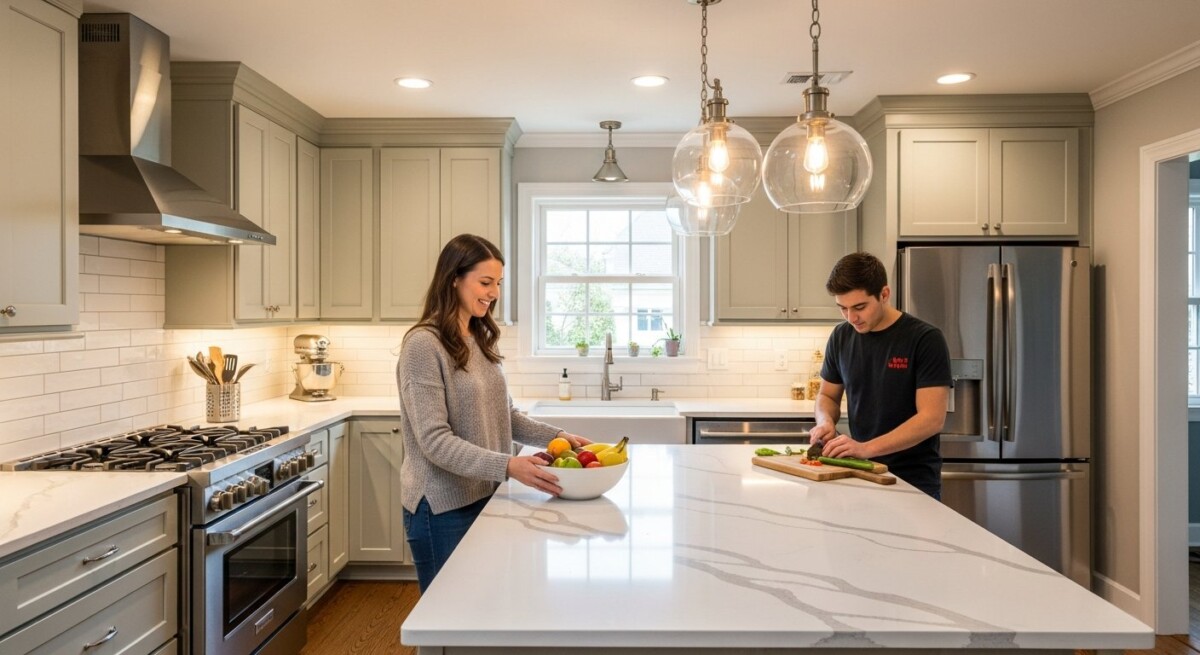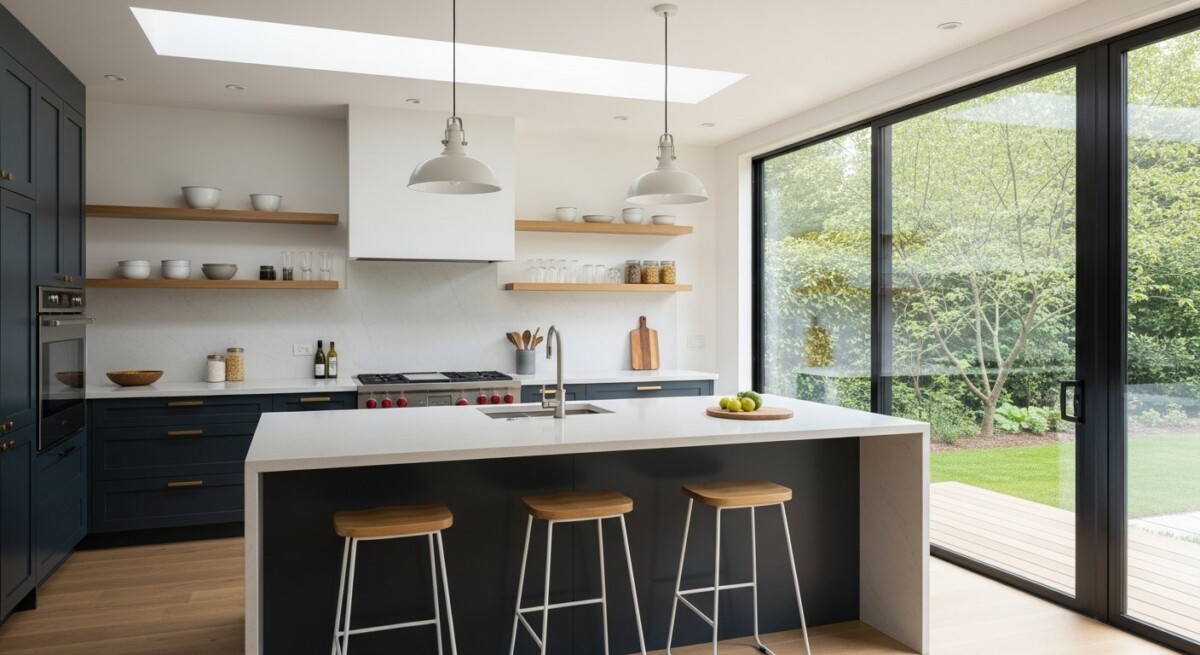
Custom Home Remodeling Plans: A Guide for Homeowners
You’ve lived in your home for years, and you know exactly what you want to change. Maybe the kitchen feels cramped for family dinners, or the master bathroom hasn’t been updated since the 90s. You have a vision for a more functional, beautiful, and comfortable space, but the path from that idea to a finished project feels overwhelming. This is where custom home remodeling plans come in. Without a clear, professional plan, a simple renovation can spiral into a stressful, costly, and time-consuming ordeal, leaving you with unexpected problems and a half-finished room.
Understanding Custom Home Remodeling Plans
Custom home remodeling plans are detailed blueprints for your renovation project. Think of them as a roadmap that guides every step of the process, from initial design to the final nail. They translate your ideas and lifestyle needs into a concrete, buildable design that contractors can follow precisely.
These plans are created by design professionals, architects, or experienced remodeling contractors. They consider not just aesthetics, but also structural integrity, building codes, plumbing, electrical systems, and material specifications. A good plan anticipates challenges before construction begins, saving you from costly mid-project changes and delays.
What’s Included in a Good Set of Plans?
A comprehensive plan set includes floor plans, elevations (wall views), construction details, and material lists. It specifies dimensions, lighting layouts, fixture placements, and even the type of drywall or insulation to be used. This level of detail ensures everyone,from you to the contractor to the city inspector,is on the same page.
Why This Matters for Your Home
Investing in professional custom home remodeling plans is about protecting your investment and your peace of mind. A well-planned remodel enhances your daily life, increases your home’s value, and ensures the work is done safely and correctly. Skipping this crucial step often leads to regrets.
Without a plan, you risk poor workflow, wasted materials, and a final result that doesn’t meet your expectations. More seriously, you could encounter structural issues, code violations that fail inspection, or safety hazards like improper electrical wiring. These mistakes are far more expensive to fix after the walls are closed up.
If you notice signs of this issue in your home, it may help to speak with a qualified contractor. Request a free quote or call to explore your repair or remodeling options.
Common Problems Homeowners Experience
Many homeowners start a remodel with enthusiasm but quickly face hurdles they didn’t anticipate. A common issue is scope creep, where small additions keep expanding the project and the budget. Another is discovering hidden problems, like outdated wiring or water damage, once demolition begins.
These surprises are stressful and expensive. They often stem from a lack of detailed planning and professional assessment upfront. A contractor working without a clear plan may make assumptions that don’t align with your vision, leading to frustration and rework.
- Budget Overruns: Unforeseen costs from material miscalculations or change orders.
- Project Delays: Waiting for materials that weren’t specified or ordered in time.
- Poor Layout & Function: A beautiful kitchen with terrible workflow or insufficient storage.
- Code Violations: Failing a building inspection, requiring costly corrections.
- Mismatched Expectations: The finished project doesn’t match what you imagined.
- Structural Mistakes: Removing a load-bearing wall without proper support.
How Professionals Solve the Problem
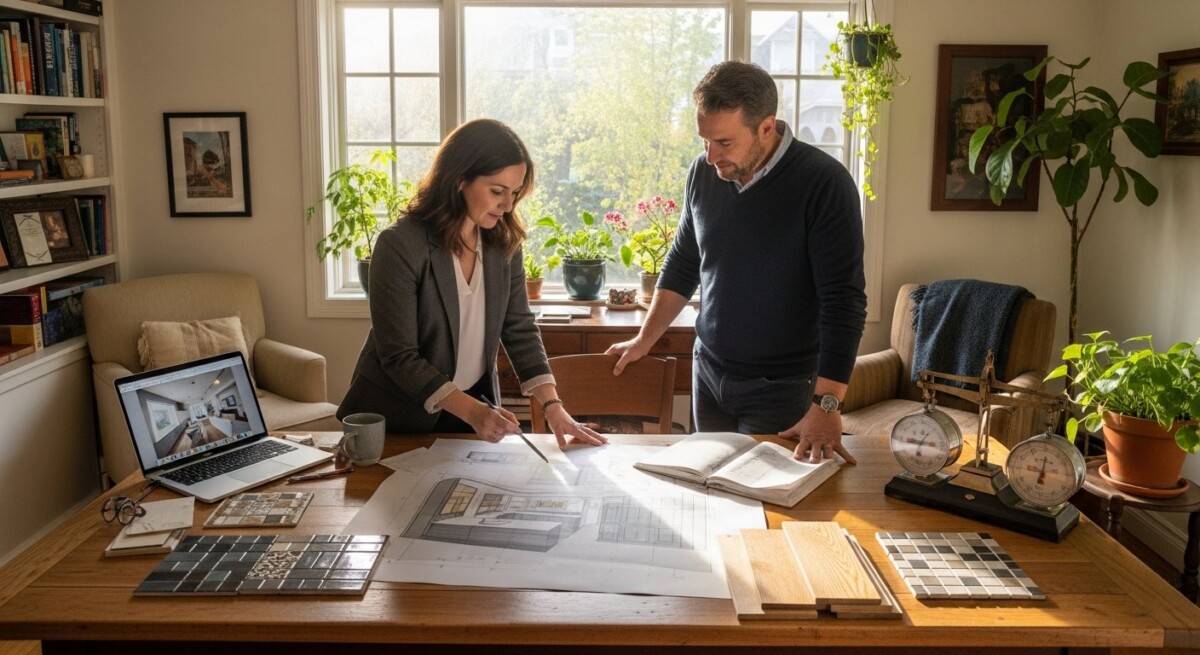
A professional designer or contractor starts by listening to your goals, budget, and lifestyle. They then conduct a thorough assessment of your existing space, identifying potential obstacles before they become problems. They use this information to create a tailored plan that serves as the single source of truth for the entire project.
This process turns your abstract wish list into an actionable, efficient project. It allows for accurate pricing, realistic timelines, and a predictable outcome. Professionals also handle the permitting process, ensuring all work meets local building codes,a critical step that DIYers often overlook. For inspiration on blending current trends with timeless function, our guide on home remodeling trends for 2026 offers practical insights.
- Consultation & Discovery: Discuss your vision, needs, budget, and timeline.
- Site Assessment & Measurement: Evaluate the existing space and take precise measurements.
- Conceptual Design & Planning: Develop initial sketches and floor plan options.
- Detailed Plan Development: Create final construction drawings, material specs, and engineering details if needed.
- Permitting & Contractor Bidding: Submit plans for permits and use them to get accurate, comparable quotes from contractors.
- Project Management: Use the plan to guide construction, manage subcontractors, and ensure quality.
A professional inspection can reveal hidden issues before they become expensive repairs. Compare contractor quotes here or call to discuss your project.
Warning Signs You Should Not Ignore
How do you know if your remodeling project needs a professional plan? If you find yourself constantly changing your mind about layouts, or if contractors give you wildly different verbal estimates for the same work, it’s a clear sign you need a detailed plan. Uncertainty is the enemy of a smooth remodel.
Other warning signs include feeling overwhelmed by product choices, worrying about how new elements will tie into the rest of your home, or simply not knowing where to start. Addressing these feelings with a plan provides clarity and control, turning anxiety into excitement.
- You have ideas but can’t visualize how they’ll work together.
- Contractors ask for your “plans” and you don’t have any.
- Your project involves moving walls, plumbing, or electrical systems.
- You’re concerned about resale value and want a timeless design.
- You’ve started collecting inspiration photos but have no cohesive theme.
- You want to ensure the project is completed efficiently and on budget.
What Affects the Cost of Repairs or Installation
The cost of creating custom home remodeling plans varies based on the project’s scope and complexity. A simple bathroom refresh requires less detailed planning than a whole-house renovation or an addition. The professional’s experience and your location also influence the price.
It’s important to view this cost as an investment, not an expense. Comprehensive plans typically pay for themselves by preventing errors, enabling accurate contractor bids, and ensuring you purchase the correct materials the first time. They remove guesswork, which is a major source of budget overruns. For projects involving the exterior, understanding material options is key; explore the best exterior siding options to make informed choices that affect both cost and longevity.
Costs can vary depending on the condition of your home. The best way to know the price is to get a personalized estimate. Request free quotes from contractors or call today.
How to Choose the Right Contractor
Once you have a plan, choosing the right contractor to execute it is your next critical step. Look for a professional who respects the plan, understands its details, and communicates clearly. They should see the plan as a tool for success, not an obstacle.
A good contractor will review the plans with you, ask clarifying questions, and provide a fixed-price bid based on the specified materials and scope. This allows you to compare quotes from different contractors accurately, as they are all bidding on the exact same project.
- Check Credentials: Verify they are licensed, insured, and have a good standing with the local Better Business Bureau.
- Review Past Work: Ask for a portfolio of completed projects similar to yours and check online reviews.
- Get Detailed Bids: Ensure their quote is based on your plans and includes a clear breakdown of costs, payment schedule, and timeline.
- Assess Communication: Choose someone who listens, answers questions thoroughly, and makes you feel comfortable.
- Ask About Process: Understand how they manage subcontractors, obtain permits, and handle unexpected issues.
Long-Term Benefits of Professional Work
The value of professional custom home remodeling plans extends far beyond the construction phase. A well-executed remodel based on a solid plan improves your quality of life every day. It also protects and enhances the financial value of your largest asset,your home.
You’ll enjoy spaces that function beautifully, use energy and materials efficiently, and require less maintenance. When it comes time to sell, professional renovations with proper permits and plans are a major selling point that appraisers and buyers recognize and trust. Furthermore, tackling a remodel during the off-season can offer advantages; learn more about the strategic benefits in our article on winter home remodeling.
Ultimately, the peace of mind that comes from knowing the job was done right is priceless. You can enjoy your new space for years to come without worrying about hidden problems or costly fixes down the road.
How long does it take to create custom remodeling plans?
The timeline varies from a few weeks for a simple room update to several months for a complex whole-house remodel. The process includes consultation, design iterations, and final drafting. Rushing this phase often leads to mistakes, so it’s important to allow adequate time for thoughtful planning.
Can I create my own remodeling plans?
While you can sketch your own ideas, professional plans are required for permits and contractor bids on most structural projects. Professionals understand building codes, structural engineering, and spatial design in ways that ensure safety, functionality, and compliance.
Do I need an architect for a remodeling plan?
Not always. For many interior remodels, a professional designer or a design-build remodeling contractor can create excellent plans. Architects are typically needed for additions, significant structural changes, or highly custom designs.
What’s the difference between a design and a construction plan?
Designs focus on aesthetics and layout,how the space will look and feel. Construction plans are the technical drawings that show how to build it, with dimensions, materials, and instructions for framers, electricians, and plumbers. A full set of plans includes both.
Are plans necessary for a small project like a bathroom update?
Even for smaller projects, a simple but professional plan is invaluable. It ensures your layout is functional, all fixtures will fit, and the contractor understands the full scope. This prevents misunderstandings and ensures you get the bathroom you envisioned.
Who handles the building permits?
Usually, the contractor pulls the permits, as they are responsible for the work. However, the plans must be created to meet local building code requirements to be approved. A professional will ensure your plans are permit-ready.
What if I want to change something after the plans are done?
It’s common to have a few changes. Discuss them with your designer or contractor. Minor tweaks are easy, but major changes after construction starts can be costly and cause delays. This is why the planning phase is so important for finalizing decisions.
How much should I budget for planning services?
Planning fees can range from a few hundred dollars for simple designs to a percentage of the total project cost for architectural services. Many contractors include basic design services in their overall project proposal when you hire them for the build.
Starting your remodeling project with detailed, professional plans is the smartest first step you can take. It transforms a potentially stressful experience into an exciting journey toward your dream home. By investing in a clear roadmap, you protect your budget, your timeline, and your sanity. If you’re considering a remodel, the most practical action is to consult with a professional and compare detailed quotes based on a solid plan.