
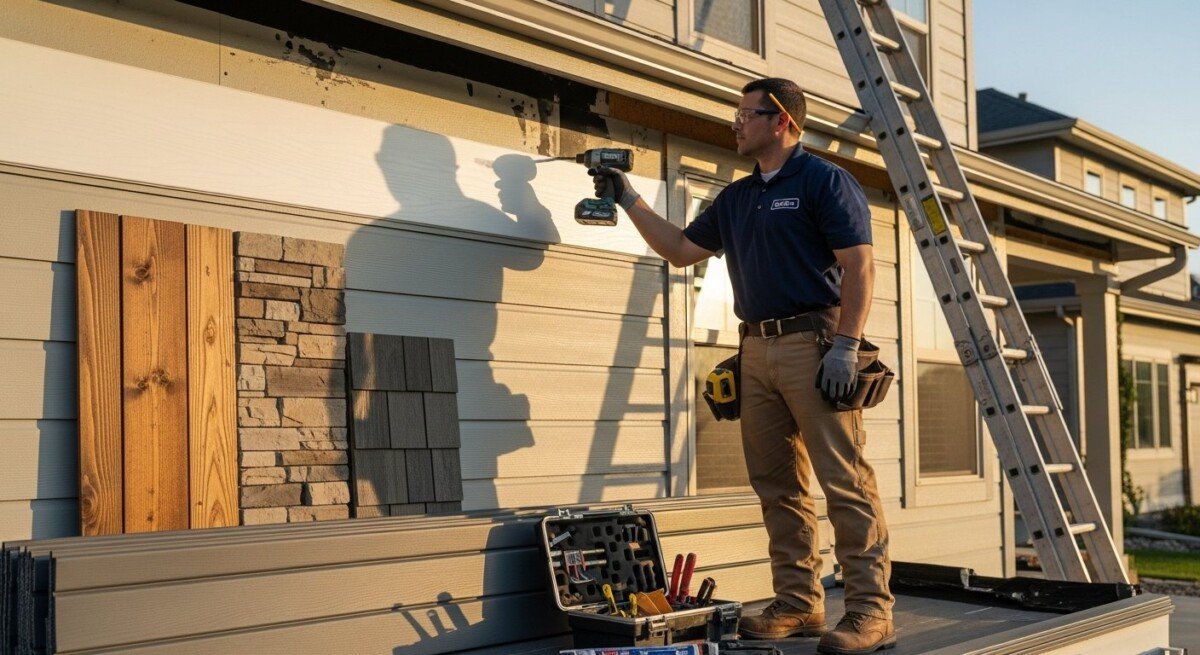
Best Exterior Siding Options for Home Remodeling
Explore the best exterior siding options for your home remodel. Learn about durability, cost, and benefits of vinyl, fiber cement, wood, and more to protect and beautify your home.
By Eric Andrew
Learn more about Siding Installation for guides, costs, and what to expect.
Compare Siding Installation Pros Near You

Enter your ZIP code to compare top-rated local professionals and request free quotes.
Choosing new siding for your home is a big decision. It’s not just about looks,it’s about protecting your biggest investment, improving energy efficiency, and boosting curb appeal for years to come. With so many materials available, from classic vinyl to modern fiber cement, it’s easy to feel overwhelmed. This guide breaks down the best exterior siding options in clear, simple terms, helping you make an informed choice for your remodeling project.
Protect your investment and enhance your home’s curb appeal. Call 📞833-700-4293 or visit Get a Quote to schedule a consultation with our remodeling experts.
Understanding Your Exterior Siding Options
Exterior siding is your home’s protective shell and its first impression. A remodeling project is the perfect time to upgrade this critical component. The “best” option isn’t the same for every home; it depends on your budget, your home’s architecture, your local climate, and your long-term maintenance preferences.
Modern siding materials offer a incredible range of benefits beyond just weather protection. Many provide excellent insulation, are resistant to fire and pests, and come in styles that mimic more expensive materials like wood or stone at a fraction of the cost. Understanding the core features of each type is the first step to a successful remodel.
Key Factors in Your Decision
When comparing siding, consider four main pillars: Durability (how long it lasts and what it withstands), Maintenance (the required upkeep), Cost (both initial installation and long-term value), and Aesthetics (the look and style you desire). Balancing these factors will lead you to the ideal choice for your home.
Why Your Siding Choice Matters for Homeowners
The siding you select has a direct impact on your daily life and your home’s financial value. High-quality, properly installed siding acts as a continuous thermal barrier, reducing drafts and helping to stabilize indoor temperatures. This can lead to significant savings on heating and cooling bills, making your home more comfortable and energy-efficient.
Beyond utility, new siding is one of the highest-return investments in home remodeling. It dramatically enhances curb appeal, which is crucial if you plan to sell your home. It also prevents costly structural damage from water intrusion, rot, and pests, protecting the integrity of your walls and framing for decades. Choosing the right material means investing in peace of mind.
Ready to explore which siding material is right for your home? Our expert team can provide a detailed consultation and quote. Contact our home remodeling professionals today
Common Siding Issues and Their Causes
Many homeowners consider new siding when they notice problems with their current exterior. Understanding these common issues can help you see the value in an upgrade. The most frequent culprit is moisture. When water gets behind siding due to poor installation, cracked panels, or failing seals, it can lead to wood rot, mold growth, and compromised insulation within your walls.
Other issues stem from material fatigue and weather. All siding materials have a lifespan. Vinyl can become brittle and crack in extreme cold. Wood requires constant repainting and is susceptible to insects. Even durable materials can suffer from improper installation, which is why professional expertise is so critical. A successful remodel addresses not just the visible surface but the underlying weather-resistive barrier and flashing details.
- Warping or Buckling: Often caused by moisture intrusion or improper installation that doesn’t allow for material expansion.
- Cracks, Holes, or Dents: Impact damage from weather (hail) or physical objects, or simply material aging.
- Fading or Chalking: Prolonged UV exposure breaking down the material’s color or finish.
- Mold, Mildew, or Rot: Signs of persistent moisture problems, often due to poor drainage or lack of ventilation.
- High Energy Bills: Can indicate your old siding and its underlying insulation are no longer effective.
How Professionals Install New Siding
A professional siding installation is a multi-step process designed for longevity. It begins with a thorough inspection and preparation. The old siding is carefully removed, allowing the crew to inspect the sheathing (the wooden boards underneath) for any damage or rot that must be repaired before proceeding. This crucial step prevents hidden problems from festering behind your beautiful new exterior.
Next, a weather-resistant barrier (like house wrap) is installed over the sheathing. This layer is key,it allows moisture vapor to escape from the house while preventing liquid water from entering. Flashing is meticulously installed around all windows, doors, and corners to direct water away. Finally, the new siding panels or shingles are installed according to the manufacturer’s precise specifications, ensuring proper spacing for expansion and secure fastening.
- Inspection & Preparation: Remove old siding, repair sheathing, and ensure a clean, solid base.
- Weather Protection: Install house wrap and critical flashings at all penetrations and joints.
- Siding Installation: Precisely fit and fasten new siding material with proper clearances.
- Finishing Touches: Install trim, corner posts, and soffits for a complete, polished look.
A professional installation ensures your investment lasts. For a seamless project that fits your schedule, understanding a realistic home remodeling timeline is essential. Let our certified installers handle your siding upgrade from start to finish. Get your free estimate now
Signs You Should Not Ignore
Your home’s siding often sends clear signals when it’s failing. Don’t dismiss these warnings, as they can point to more serious (and expensive) structural issues. If you notice any of the following signs, it’s time to consider a siding replacement as part of your remodeling plans.
Interior signs are just as important as exterior ones. Peeling paint or wallpaper on your home’s inside walls, especially on exterior-facing ones, can indicate moisture is penetrating from outside. Similarly, if you feel drafts near walls or notice unexplained spikes in your utility bills, your siding may no longer be providing an effective thermal barrier.
- Soft or Spongy Spots: Press on your siding. If it gives easily, rot has likely set in.
- Frequent Need for Repainting: If paint blisters or peels every few years, the siding may be trapping moisture.
- Panels Lifting or Pulling Away: This creates direct pathways for water and pests to enter your walls.
- Visible Fungus or Insect Damage: Frass (sawdust-like debris) or visible termite tubes on siding are urgent red flags.
- Severe Fading or Chalking: When color loss is uneven or extreme, it diminishes curb appeal and protection.
Cost Factors and What Affects Pricing
The cost of a siding remodel varies widely, and understanding the factors helps you budget effectively. The single biggest cost driver is the material you choose. Vinyl is typically the most budget-friendly option per square foot, while fiber cement, engineered wood, and natural materials like wood or stone climb higher in price. However, material cost is just one part of the equation.
Protect your investment and enhance your home’s curb appeal. Call 📞833-700-4293 or visit Get a Quote to schedule a consultation with our remodeling experts.
The size and complexity of your home are major factors. A simple, single-story ranch will cost less to side than a large, multi-story home with numerous gables, corners, and intricate trim. Labor costs depend on your region and the contractor’s expertise. Finally, don’t forget prep work,if extensive sheathing repair or old material removal (like stucco or asbestos) is needed, this will add to the project cost. Always get detailed, written estimates that break down material and labor separately.
Planning your budget is a key part of any remodel. For insights on what to expect, our guide to essential home remodeling trends covers popular material choices. Don’t let cost uncertainty delay your project.
How To Choose the Right Siding Professional
Selecting a qualified contractor is as important as choosing the siding material itself. Start by looking for licensed, insured, and bonded professionals with specific experience in siding installation. Ask for references and, if possible, drive by past projects to see how the siding has held up over time. A reputable contractor will gladly provide this information.
Get at least three detailed written estimates. These should specify the brand and product line of the siding, the type of underlayment and flashings to be used, the scope of prep work, and a clear project timeline. Beware of quotes that are significantly lower than others,this often indicates the use of inferior materials, subpar underlayment, or cutting corners on critical steps like proper flashing. Choose a contractor who communicates clearly, answers all your questions, and makes you feel confident in their process.
Long-Term Benefits for Your Home
Investing in high-quality siding pays dividends for the life of your home. The most immediate benefit is durable protection. Modern siding materials are engineered to withstand decades of sun, rain, wind, and temperature swings, shielding your home’s structure from the elements. This prevention of water and pest damage saves you from costly future repairs.
You’ll also enjoy increased energy efficiency and enhanced curb appeal. New siding with integrated insulation or a proper air barrier can dramatically reduce energy waste. The aesthetic upgrade not only brings you pride but also boosts your property value, often yielding a high return on investment when you sell. Ultimately, the right siding choice means less maintenance, lower utility bills, and a beautiful, worry-free exterior for years to come.
Frequently Asked Questions
What is the most durable low-maintenance siding?
Fiber cement siding (like James Hardie) is often considered the best blend of durability and low maintenance. It resists rot, insects, and fire, and typically comes with long warranties (often 30-50 years). It requires repainting, but far less frequently than wood.
Is vinyl siding a good choice for remodeling?
Yes, modern vinyl siding is an excellent and popular choice. It’s cost-effective, comes in countless styles and colors, and requires virtually no maintenance beyond occasional washing. Higher-end insulated vinyl can also improve your home’s energy performance.
How long does a siding replacement project take?
For an average single-family home, professional siding replacement typically takes 1 to 2 weeks. The timeline depends on the home’s size, material chosen, weather conditions, and the extent of any underlying repairs needed during the process.
Can new siding really lower my energy bills?
Absolutely. New siding, especially when paired with proper insulation sheathing or integrated insulating foam backers, reduces air infiltration and thermal bridging. This creates a tighter building envelope, making your heating and cooling systems work less hard.
Do I need to remove my old siding first?
In almost all cases, yes. Professional contractors recommend full removal to inspect and repair the underlying sheathing and to properly install a modern weather-resistant barrier. “Siding over” old material can trap moisture and hide problems.
What siding adds the most resale value?
Fiber cement and engineered wood siding consistently rank high for return on investment due to their premium look, durability, and buyer appeal. A fresh, well-installed siding job in a classic style generally offers a strong ROI regardless of material.
How often does siding need to be replaced?
Lifespan varies by material: Vinyl lasts 20-40 years, fiber cement 30-50+ years, wood 20-40 years (with meticulous upkeep), and steel/aluminum 30-50 years. Visible damage, rot, or chronic moisture issues are clearer signs than age alone.
Does siding color affect energy efficiency?
Yes, but the effect is generally modest. Dark colors absorb more heat from the sun, which can be beneficial in cold climates but may increase cooling costs in hot, sunny regions. Lighter colors reflect heat.
Choosing the best exterior siding is a significant decision that impacts your home’s protection, efficiency, and beauty for decades. By weighing the options, understanding the installation process, and partnering with a trusted professional, you can embark on your remodeling project with confidence. The result will be a home that looks stunning, performs brilliantly, and stands strong against the elements for years to come.
Protect your investment and enhance your home’s curb appeal. Call 📞833-700-4293 or visit Get a Quote to schedule a consultation with our remodeling experts.
Learn more about Siding Installation for guides, costs, and what to expect.
Compare Siding Installation Pros Near You
Enter your ZIP code to compare top-rated local professionals and request free quotes.