
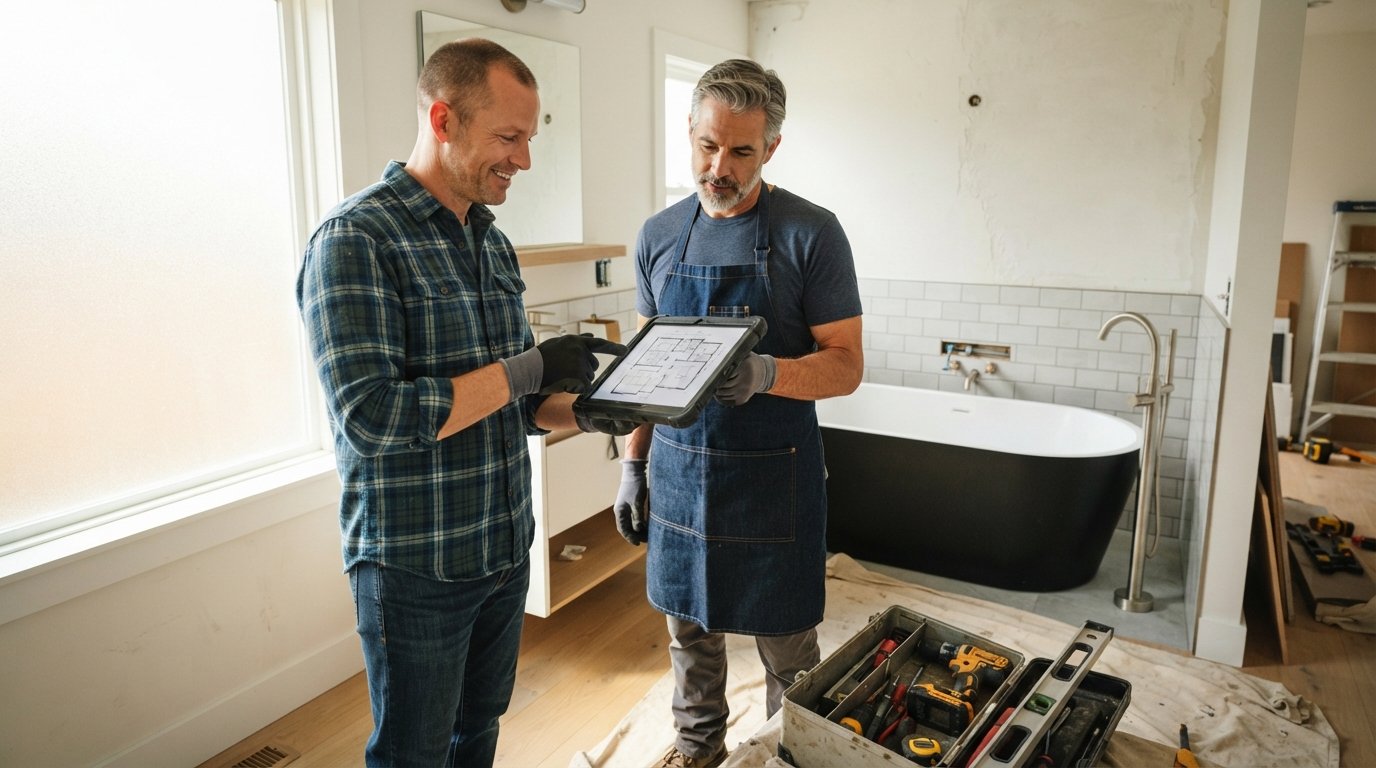
Bathroom Renovation: Plan, Budget, and Hire Right
Plan, budget, and hire right for your bathroom renovation. This guide covers costs, design, and contractor selection to ensure a smooth, rewarding remodel.
By Peter Hubert
Learn more about Bathroom Remodel for guides, costs, and what to expect.
Compare Bathroom Remodel Pros Near You

Enter your ZIP code to compare top-rated local professionals and request free quotes.
Stepping into a dated bathroom can feel like a step back in time, with worn tile, a stubborn faucet, and a layout that never quite worked. A bathroom renovation is one of the most rewarding home improvements you can tackle, offering both daily comfort and a strong return on investment. But without a solid plan, clear budget, and the right professionals, the process can quickly become stressful. This guide walks you through the entire journey, from initial concept to final walkthrough, so you can transform your space with confidence.
Why Bathroom Renovation Is a Smart Investment
A successful bathroom renovation does more than refresh a tired room. It improves your home's functionality, enhances its style, and increases its market value. Real estate experts consistently rank updated bathrooms among the top features buyers look for, often recouping a significant percentage of the project cost at resale. Beyond financial gain, a renovated bathroom creates a personal sanctuary, a place to start and end your day with ease and comfort.
Yet, the decision to renovate involves more than aesthetics. You might be dealing with water damage, outdated plumbing, or a layout that no longer serves your family's needs. Maybe you're planning to age in place and need a walk-in shower with grab bars. Or perhaps you simply want to reduce your water bills with modern, efficient fixtures. Whatever your motivation, a well-executed renovation addresses these issues head-on, turning problems into opportunities for improvement.
To make the most of your investment, consider the scope of your project. A full gut renovation offers the chance to reconfigure the space and update all systems, while a more modest remodel can focus on surface-level changes like new vanities, lighting, and paint. Both approaches can deliver significant benefits, but they require different levels of planning and budget. The key is to define your goals early, so you can allocate resources effectively and avoid surprises down the line.
Setting a Realistic Budget for Your Bathroom Remodel
One of the first questions homeowners ask is, "How much does a bathroom renovation cost?" The answer varies widely, depending on the size of the room, the quality of materials, and the extent of the work. On average, a mid-range bathroom remodel costs between $10,000 and $25,000, while high-end renovations can exceed $50,000. Understanding these figures helps you set a realistic budget that aligns with your goals and avoids financial strain.
To create an accurate budget, break down the costs into key categories. Labor typically accounts for 40 to 50 percent of the total, covering the work of plumbers, electricians, tilers, and general contractors. Materials, including tiles, fixtures, vanity, and lighting, make up the remainder. Don't forget to include a contingency fund of 10 to 20 percent for unexpected issues, such as water damage behind walls or outdated wiring that needs replacement. This buffer ensures you won't be caught off guard if the project uncovers hidden problems.
Here are the main cost components to consider when planning your budget:
- Demolition and disposal: Removing old fixtures, tile, and debris.
- Plumbing and electrical: Moving or upgrading pipes, wiring, and ventilation.
- Materials and finishes: Tile, flooring, vanity, countertop, faucets, showerhead, and toilet.
- Labor and installation: Skilled tradespeople for all aspects of the build.
- Permits and inspections: Local fees to ensure work meets building codes.
Once you have a rough estimate, think about how you will finance the project. Some homeowners use savings, while others tap into home equity lines of credit or personal loans. A clear budget also helps you prioritize features, so you can splurge on a luxurious rain shower but save on simpler tile choices. By planning financially from the start, you'll keep the project on track and avoid the stress of overspending.
Designing Your Dream Bathroom: Layout and Style
After setting the budget, the most exciting part begins: designing the space. The layout is the backbone of any bathroom renovation, determining how functional and comfortable the room will be. If you're working with a small footprint, consider a floating vanity to create the illusion of more floor space, or a curbless shower to make the room feel larger and more accessible. For larger bathrooms, you might explore a freestanding tub, a double vanity, or a separate water closet for added privacy.
Think about how you use the bathroom daily. Do you need more storage for toiletries and towels? Would a linen tower or recessed shelving help reduce clutter? Are you looking for a spa-like atmosphere with ambient lighting and natural materials? Answering these questions guides your design decisions, ensuring the final result meets your practical needs and aesthetic preferences.
Style choices also play a significant role in the renovation. Current trends include minimalist designs with clean lines, natural stone and wood textures, and matte black or brushed nickel fixtures. However, timeless options like classic white subway tile, marble-look porcelain, and warm neutral palettes remain popular for their versatility and lasting appeal. When selecting materials, balance beauty with durability, especially in a high-moisture environment. Porcelain tile, for instance, offers the look of natural stone but is more resistant to water and stains.
Lighting is another crucial element that's often overlooked. A combination of overhead lighting, task lighting near the mirror, and accent lights can transform the mood and functionality of the room. Consider adding a dimmer switch to adjust the ambiance, and make sure the lighting is placed to avoid harsh shadows on your face. With thoughtful design, your bathroom becomes a place of relaxation and rejuvenation, not just a utilitarian space.
Choosing the Right Contractor: A Step-by-Step Process
The success of your bathroom renovation hinges on the quality of the contractor you hire. A reliable, experienced professional can bring your vision to life, while a poor choice can lead to delays, subpar work, and budget overruns. To avoid these pitfalls, take the time to research and vet potential contractors thoroughly. Start by asking for recommendations from friends, family, or neighbors who have recently completed similar projects. Online reviews and platforms like USremodel can also provide a list of qualified professionals in your area.
Once you have a shortlist, conduct interviews to assess each contractor's experience, communication style, and approach to your project. Ask for references and follow up with them to learn about their experience. Inquire about the contractor's licensing, insurance, and any certifications that demonstrate their expertise. A legitimate contractor will be happy to share this information and answer your questions transparently.
When comparing bids, don't automatically choose the lowest price. Instead, evaluate the scope of work outlined in each estimate, ensuring it covers all necessary tasks and materials. A detailed proposal shows that the contractor has thoroughly reviewed your project and understands the requirements. Be wary of vague or overly generic bids, as they may lead to change orders and extra costs later. Also, clarify the payment schedule and warranty terms before signing a contract. A typical arrangement involves a deposit, progress payments, and a final payment upon completion and inspection.
Here's a simple checklist to guide your contractor selection:
- Verify licenses and insurance.
- Check references and read reviews.
- Request multiple detailed bids.
- Discuss timeline and communication expectations.
- Review the contract thoroughly before signing.
By investing time in this process, you'll build a working relationship based on trust and clarity, which is essential for a smooth renovation. A good contractor will also coordinate subcontractors, manage permits, and keep you informed of progress, so you can focus on the exciting outcome rather than the logistical details.
Navigating Permits, Codes, and Inspections
Many homeowners overlook the importance of permits and building codes, but they are critical to a safe and legal renovation. Depending on the scope of your project, you may need a permit for plumbing, electrical, or structural changes. Even if you're not moving walls, updating wiring or rerouting pipes typically requires approval. Local codes exist to ensure safety, energy efficiency, and structural integrity, and failing to obtain the necessary permits can result in fines, delays, or difficulties when selling your home.
Your contractor should be familiar with the permitting process in your municipality and can apply for the required permits on your behalf. However, it's wise to confirm that permits are included in the scope of work and that the contractor will schedule inspections at key milestones. Inspections are conducted by local authorities to verify that the work meets code and is safe for occupancy. Skipping this step can leave you liable for future issues, including insurance claims related to faulty workmanship.
If you're unsure about what's required, reach out to your local building department with questions. They can provide guidance on permit types, fees, and inspection schedules. While the process may seem cumbersome, it protects your investment and gives you peace of mind knowing that your renovation is up to standard. Also, keep all permits and inspection records in a safe place, as they may be needed for future home sales or insurance purposes.
Selecting Materials and Fixtures That Last
The materials and fixtures you choose play a major role in the longevity and enjoyment of your new bathroom. Prioritize quality and durability, especially for items that are difficult or expensive to replace. Porcelain and ceramic tiles are excellent choices for floors and walls because they resist moisture, stains, and wear. Natural stone, like marble or granite, adds elegance but requires regular sealing and maintenance to prevent damage. For countertops, quartz offers a durable, low-maintenance alternative that mimics the look of stone.
When it comes to fixtures, consider both style and function. A high-quality faucet from a reputable brand can last decades, while a cheap one may drip or corrode quickly. Look for finishes that are resistant to tarnishing and easy to clean, such as brushed nickel or chrome. For the shower, you might choose a thermostatic valve that maintains a consistent water temperature, preventing sudden changes that can cause discomfort or scalding. Adding a handheld showerhead can also improve accessibility and make cleaning easier.
Ventilation is another crucial aspect often overlooked. A properly sized exhaust fan removes excess moisture, preventing mold and mildew growth and protecting your investment. Choose a fan with a high CFM (cubic feet per minute) rating relative to your bathroom's size, and consider a model with a humidity sensor that automatically turns on when needed. Good ventilation not only extends the life of your finishes but also improves indoor air quality for you and your family.
Managing the Renovation Timeline
A typical bathroom renovation takes anywhere from three to six weeks, depending on the scope and complexity. During this time, you'll need to plan for some disruption to your daily routine. If you have only one bathroom, consider making arrangements for alternate facilities, such as using a neighbor's bathroom or a portable toilet, if necessary. Clear communication with your contractor about the schedule will help you prepare for noisy work, dust, and temporary loss of water.
To keep the project on track, establish a clear timeline during the planning phase. This includes ordering materials early, especially custom items like glass shower enclosures or specialty tiles that may have long lead times. Delays can also occur if unexpected issues arise, such as finding rotted subflooring or outdated plumbing that needs replacement. A contingency fund and a flexible mindset will help you navigate these challenges without excessive stress.
Regular check-ins with your contractor are essential to monitor progress and address any concerns promptly. Ask for a detailed schedule that breaks down each phase, from demolition to final cleanup, and request updates at key milestones. By staying engaged, you can catch potential problems early and ensure the work aligns with your vision. Remember, good communication is a two-way street, so be open to suggestions and flexible with minor adjustments that improve the outcome.
Eco-Friendly Upgrades That Save Money
Incorporating eco-friendly features into your bathroom renovation benefits both the environment and your wallet. Low-flow toilets, showerheads, and faucets reduce water consumption without sacrificing performance. Many modern fixtures use advanced technology to maintain pressure while using significantly less water, cutting your utility bills and conserving a precious resource. You might also consider a tankless water heater, which heats water on demand, eliminating standby energy losses and providing endless hot water for your family.
Another option is to install energy-efficient lighting, such as LED bulbs, which use up to 75 percent less energy than incandescent and last much longer. Motion sensors or timers can further reduce energy waste by turning off lights when the room is unoccupied. For flooring, consider materials like bamboo or cork, which are renewable and naturally resistant to moisture. If you're replacing windows, choose double- or triple-pane models with low-E coatings to improve insulation and reduce heat loss.
These upgrades not only lower your environmental footprint but also add to the comfort and efficiency of your home. Some may even qualify for rebates or tax credits, so check with your utility provider or local government for incentives. When discussing your project with contractors, ask about eco-friendly options that fit your budget. Many professionals are well-versed in sustainable practices and can recommend products that meet your needs without compromising style.
Bringing Your Vision to Life with Professional Help
While some homeowners attempt DIY renovations, a project of this complexity often benefits from professional expertise. Experienced contractors bring skills, tools, and knowledge that ensure the job is done right, saving you time and preventing costly mistakes. They also have established relationships with suppliers, which can lead to better pricing on materials and faster delivery times. Moreover, professionals are up-to-date on building codes and safety standards, reducing the risk of errors that could cause problems down the road.
When you're ready to start your bathroom renovation, USremodel can connect you with qualified, independent contractors in your area. The platform streamlines the process, allowing you to receive multiple quotes from vetted professionals without any upfront cost. This empowers you to compare options, read reviews, and choose the contractor who best fits your project and budget. By using USremodel, you simplify the research phase and gain confidence that you're making an informed decision.
After selecting a contractor, maintain open lines of communication throughout the renovation. Share your ideas and expectations clearly, but also trust their expertise and be open to suggestions. A collaborative relationship often leads to better outcomes, as contractors can offer practical solutions you might not have considered. With the right team in place, you can relax and watch your vision come to life, knowing that every detail is being handled with care.
Renovating your bathroom is a significant undertaking, but one that yields lasting rewards. By setting a clear budget, designing thoughtfully, choosing quality materials, and hiring skilled professionals, you can create a space that enhances your home and your daily routine. Take the first step today by exploring your options and connecting with trusted contractors. Your dream bathroom is within reach, and the journey begins with a single decision to invest in your home's future.
Learn more about Bathroom Remodel for guides, costs, and what to expect.
Compare Bathroom Remodel Pros Near You
Enter your ZIP code to compare top-rated local professionals and request free quotes.