
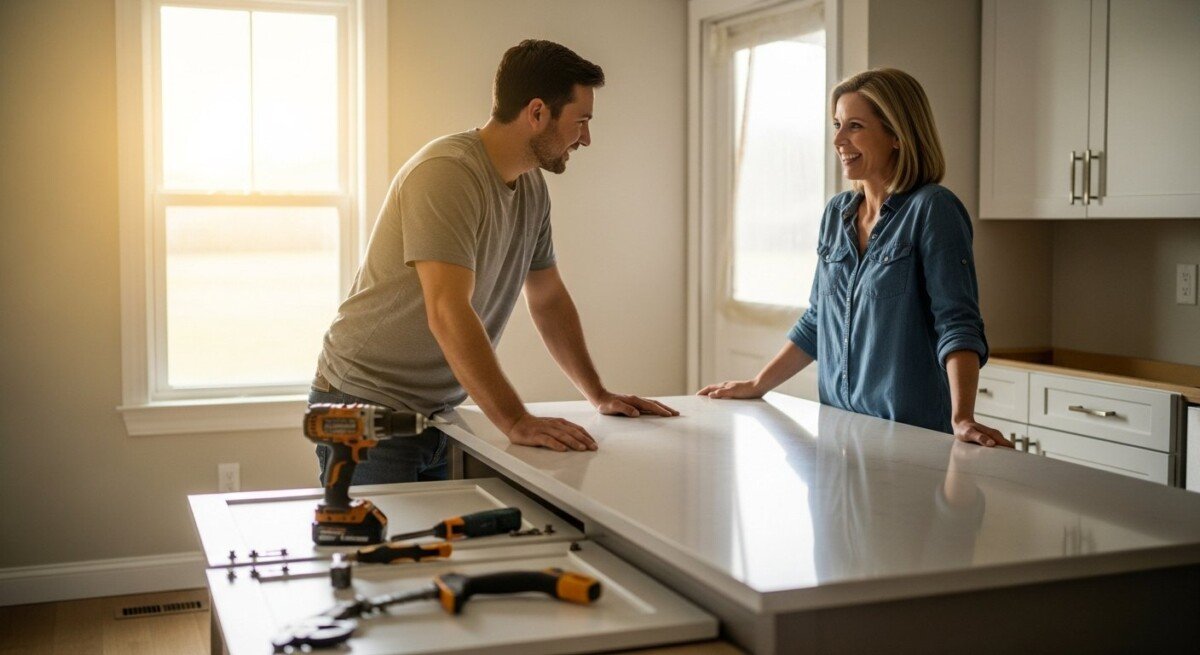
Affordable Home Remodeling Services for Smart Upgrades
Learn how affordable home remodeling services solve common problems, protect your investment, and improve daily life through smart, strategic upgrades.
By Chelsea Kris
Learn more about Exterior Painting for guides, costs, and what to expect.
Compare Exterior Painting Pros Near You

Enter your ZIP code to compare top-rated local professionals and request free quotes.
You walk into your kitchen every morning, but instead of feeling inspired, you see the worn-out countertops and the cabinet door that just won’t close right. The bathroom tile grout is discolored, and you dream of a shower that feels like a retreat, not a chore. You know your home needs updates, but the thought of a massive, budget-breaking renovation feels overwhelming. The good news is that you don’t need to overhaul everything at once. Affordable home remodeling focuses on smart, strategic upgrades that solve your biggest pain points without draining your savings, and ignoring small issues often lets them grow into costly, disruptive problems.
Understanding Affordable Home Remodeling Services
Affordable home remodeling is a practical approach to improving your living space. It focuses on achieving the most value and impact from a sensible budget, rather than cutting corners on quality.
This often means prioritizing key areas, using cost-effective yet durable materials, and working with a contractor on a clear, phased plan. It’s about solving functional problems and enhancing daily life without the expense of a full-scale, top-to-bottom rebuild.
Any home can benefit, but it’s especially valuable for owners of older homes needing updates, first-time buyers making a house their own, or anyone preparing to sell and wanting to maximize their return on investment.
Why This Matters for Your Home
Ignoring needed updates can quietly cost you money. A leaky faucet wastes water and increases your utility bills, while poor insulation makes your HVAC system work harder. These small inefficiencies add up month after month.
More importantly, some issues can affect your home’s safety and structure. Outdated electrical wiring, persistent moisture in a bathroom, or a wobbly deck railing aren’t just eyesores,they are potential hazards for your family.
Finally, your home is likely your largest investment. Well-planned remodeling protects and increases that value. It makes your space more enjoyable now and more attractive to future buyers, ensuring you get the most from your property.
If you notice signs of this issue in your home, it may help to speak with a qualified contractor. Request a free quote or call to explore your repair or remodeling options.
Common Problems Homeowners Experience
Many homeowners face similar frustrations that make daily life less comfortable. These problems often start small but become constant sources of annoyance.
They can make your home feel dated, inefficient, or simply not suited to how your family lives today. Addressing these common issues is exactly what affordable remodeling is designed to do.
- Outdated and Inefficient Kitchens: Lack of counter space, poor layout, old appliances that use too much energy, and cabinets that are falling apart.
- Dated and Cramped Bathrooms: Peeling vinyl floors, moldy grout, poor lighting, and layouts that waste space and lack storage.
- Poor Energy Efficiency: Drafty windows and doors, insufficient insulation, and old heating/cooling systems leading to high utility costs.
- Lack of Functional Storage: Closets that are poorly designed, no pantry, or a general feeling of clutter with no place to put things.
- Worn-Out Flooring: Scratched hardwood, stained carpet, or cracked tile that makes rooms look tired and is difficult to clean.
- Inadequate Lighting: Rooms that are too dark, relying on a single overhead fixture, or lacking proper task lighting in key areas like kitchens and home offices.
How Professionals Solve the Problem
A professional contractor brings expertise that turns a daunting project into a smooth process. They know how to sequence work, source materials at better values, and avoid the costly mistakes that can happen with DIY attempts.
Their experience allows them to foresee challenges you might not consider, like plumbing behind a wall or electrical code requirements. This planning prevents surprises and keeps your project on track and on budget.
Here is a typical process for a professional remodeling project:
- Consultation & Planning: You discuss your goals, budget, and ideas. The contractor assesses your space and provides initial recommendations.
- Detailed Proposal & Quote: You receive a clear scope of work, material selections, timeline, and a fixed-price or detailed estimate, so there are no hidden costs.
- Design & Material Selection: With your input, final designs are drawn up, and all materials are chosen. A good contractor will help you find options that balance aesthetics, durability, and cost.
- Professional Execution: The contractor manages all tradespeople (plumbers, electricians, etc.), obtains permits, and completes the work efficiently while maintaining a clean and safe worksite.
- Final Walkthrough & Completion: You review the finished project together, ensure everything meets your expectations, and receive any necessary warranties or care instructions.
A professional inspection can reveal hidden issues before they become expensive repairs. Compare contractor quotes here or call to discuss your project.
Warning Signs You Should Not Ignore
Your home often gives you clear signals when it’s time for an update. Paying attention to these signs lets you address problems early, when solutions are simpler and more affordable.
Waiting usually makes the issue worse. A small water stain on the ceiling can point to a leak that will damage drywall and framing. A sticking door might indicate foundation settling that needs attention.
- Persistent drafts or difficulty maintaining a comfortable temperature in certain rooms.
- Water stains, peeling paint, or soft spots around windows, ceilings, or under sinks.
- Constantly tripped circuit breakers or outlets that don’t work, indicating overloaded or outdated electrical systems.
- Cabinet doors that won’t close, drawers that stick, or countertops that are cracked and stained.
- A layout that doesn’t work for your family, like a bathroom everyone fights over or a kitchen that’s impossible to cook in with others.
- You’re hesitant to have guests over because you’re embarrassed by the state of your home.
What Affects the Cost of Repairs or Installation
The final price of a remodeling project depends on several key factors. Understanding these can help you make informed choices and set a realistic budget from the start.
Scope and size are the biggest drivers. Refacing cabinets costs less than all-new custom cabinets. Similarly, updating fixtures and paint in a bathroom is more affordable than moving plumbing lines and installing a new shower system.
Material choices create a wide range in pricing. Laminate countertops, vinyl plank flooring, and stock cabinets offer excellent durability at a lower cost than natural stone, hardwood, or custom millwork. Labor costs vary based on the project’s complexity and your local market rates. For larger projects, like adding a new room, our resource on home addition remodeling services explains the factors involved in expanding your space.
Costs can vary depending on the condition of your home. The best way to know the price is to get a personalized estimate. Request free quotes from contractors or call today.
How to Choose the Right Contractor
Selecting the right professional is the most important step in ensuring a successful, affordable remodel. A trustworthy contractor will be your partner, guiding you toward solutions that fit your vision and budget.
Take your time with this decision. The lowest bid is not always the best value if it comes from someone who is uninsured, cuts corners, or fails to communicate. Look for a balance of fair pricing, solid experience, and good rapport.
- Verify Licenses and Insurance: Always ask for proof of current liability insurance and worker’s compensation. A state-issued license is non-negotiable for your protection.
- Read Reviews and Ask for References: Check online profiles and, more importantly, ask for past client references you can call. Ask about cleanliness, communication, and staying on budget.
- Get Detailed, Written Estimates: A quote should break down costs for materials, labor, and profit. Compare the line items, not just the bottom line, to understand what you’re paying for.
- Compare Multiple Quotes: Get at least three detailed estimates. This gives you a sense of the market rate for your project and helps you evaluate different approaches. To streamline this search, you can learn more about finding reliable remodeling services near your home.
- Review the Contract Thoroughly: Before signing, ensure the contract includes the project timeline, payment schedule, specific materials (brand, model, color), and a process for handling any changes or unforeseen issues.
Long-Term Benefits of Professional Work
Investing in professional remodeling pays dividends long after the project is complete. Quality workmanship and materials mean your updates will last for years, saving you money on repeated repairs or premature replacements.
You’ll also enjoy daily benefits like lower energy bills from efficient windows and appliances, or simply the comfort and joy of a kitchen that works perfectly for your family. These improvements enhance your quality of life every single day.
When it’s time to sell, these updates significantly boost your home’s curb appeal and market value. Buyers pay a premium for move-in-ready homes with modern, functional kitchens and bathrooms. A professional remodel is an investment that you enjoy now and recoup later.
What is considered an “affordable” remodel?
Affordability is relative to your budget and project scope. It generally means achieving your primary goals,like a more functional kitchen or a modern bathroom,through smart planning and material choices, without the cost of luxury-grade finishes or unnecessary structural changes. A good contractor will help you prioritize to get the best value.
Can I remodel my home in phases to manage cost?
Absolutely. Phasing is a brilliant strategy for affordable remodeling. You might update the master bathroom this year and the kitchen next year. A professional can create a master plan so that phased work flows together seamlessly, preventing you from having to redo work later.
How long does a typical kitchen or bathroom remodel take?
Timelines vary widely. A small bathroom update might take 1-2 weeks, while a full kitchen remodel with layout changes can take 6-12 weeks. Your contractor should provide a detailed timeline upfront, factoring in material lead times, permitting, and the complexity of the work.
Will remodeling increase my property taxes?
It can, but not always dramatically. Significant additions that increase square footage are more likely to trigger a reassessment. Interior updates that don’t change the home’s footprint may have a smaller impact. Check with your local tax assessor’s office for specific guidelines.
What’s the difference between a quote and an estimate?
An estimate is an educated guess of the project cost, often given early in the process. A quote (or bid) is a formal, fixed-price offer based on finalized plans and specifications. You should always get a detailed written quote before work begins to lock in pricing.
How do I budget for unexpected issues during a remodel?
It’s wise to include a contingency fund of 10-20% of your total project budget. When walls are opened, hidden issues like old wiring or water damage may be found. A contingency fund ensures these surprises don’t derail your project or finances. For more tips on planning and budgeting, our guide on finding the best remodeling services online can be a helpful resource.
Your home should be a source of comfort and pride, not stress. Affordable remodeling is about making strategic choices that solve real problems, protect your investment, and improve your daily life. By recognizing the signs that an update is needed and taking the proactive step of consulting with professional contractors, you can transform your space on a sensible budget. The best first move is an informed one,start by comparing detailed quotes to understand your options and take control of your home’s future.
Learn more about Exterior Painting for guides, costs, and what to expect.
Compare Exterior Painting Pros Near You
Enter your ZIP code to compare top-rated local professionals and request free quotes.