House Renovation: Smart Steps to Avoid Costly Surprises

Renovating a home is one of the most rewarding investments you can make, yet it often feels like stepping into a maze of decisions, budgets, and unexpected delays. Whether you are updating a single bathroom or reimagining your entire living space, the difference between a smooth project and a stressful one usually comes down to preparation. Many homeowners start with enthusiasm, only to feel overwhelmed by contractor bids, material choices, and permit paperwork. The good news is that a successful house renovation does not require perfection, it requires a clear plan, the right team, and a realistic understanding of what lies ahead. This guide walks you through the essential phases of renovation, from setting a budget to managing the build, so you can protect your investment and enjoy the process.
Define Your Renovation Goals Before You Spend a Dollar
Before you call any contractor or visit a showroom, take time to define what you actually want from your renovation. Are you aiming to increase resale value, improve daily functionality, or simply refresh an outdated space? Each goal leads to different decisions. A kitchen overhaul for personal enjoyment might justify high-end appliances, while a rental property update would focus on durability and cost efficiency. Write down your top three priorities, then use those to guide every later choice.
Once your goals are clear, consider the scope. A full house renovation touches every room, which means structural work, electrical updates, and plumbing changes often emerge. A partial renovation, such as a kitchen and living area update, may allow you to live at home during construction. Knowing the difference helps you set expectations for time and money. For a deeper look at transforming your entire home, explore our complete home transformation guide, which breaks down whole-house projects room by room.
Set a Realistic Budget That Includes a Contingency Fund
Money is the backbone of any renovation, and a realistic budget prevents most major headaches. Start by calculating your total available funds, including savings, home equity, or a renovation loan. Then add a contingency of 15 to 20 percent for surprises like hidden water damage, outdated wiring, or permit fees. Many homeowners skip this step and later scramble when costs rise. A contingency fund is not pessimism, it is smart planning.
Next, get detailed quotes from multiple contractors. These estimates should itemize labor, materials, permits, and cleanup. Compare them not just on price, but on what they include. A lower bid may omit essential work like structural reinforcement or proper disposal. Ask each contractor to explain their timeline and payment schedule. For a practical guide on managing costs, read our expert house renovation services in Miami FL article, which covers regional pricing and contractor selection tips.
Here are the key budget categories to plan for:
- Labor costs: typically 40 to 60 percent of the total budget, depending on trade rates
- Materials: flooring, cabinetry, fixtures, paint, and finishes
- Permits and inspections: local fees vary by city and project scope
- Design and engineering: fees for architects or structural engineers if needed
- Contingency fund: the 15 to 20 percent buffer for unexpected issues
Once your budget is set, track every expense in a spreadsheet or renovation app. This discipline helps you spot overspending early and adjust before it becomes a crisis. If you find yourself stretching too thin, prioritize the changes that add the most value, like kitchen and bathroom updates, and defer cosmetic changes like new landscaping.
Hire the Right Contractor: Credentials, Contracts, and Communication
Your contractor is your most important partner in a house renovation. A skilled professional can save you money, time, and stress, while a poor choice can lead to delays and subpar work. Start by asking for recommendations from friends, neighbors, and local real estate agents. Then verify licenses, insurance, and references. A reputable contractor will happily provide proof of coverage and a list of past clients.
When you interview candidates, ask about their experience with projects similar to yours. A contractor who specializes in bathroom remodels may not be the best fit for a structural addition. Request to see photos of completed work and, if possible, visit a job site. Pay attention to how they communicate. If they are slow to respond or vague about timelines during the interview, expect the same during the project.
Before signing, review the contract carefully. It should include a detailed scope of work, a payment schedule, a start and completion date, and a process for change orders. Never accept a verbal agreement. A written contract protects both you and the contractor. If you need help finding vetted professionals, USremodel connects homeowners with independent contractors across the country, simplifying the search for reliable help.
Plan for Permits, Inspections, and Local Regulations
Permits are not just bureaucracy, they protect your safety and your home’s value. Most structural changes, electrical work, plumbing modifications, and additions require a permit from your local building department. Skipping a permit can lead to fines, forced removal of unapproved work, and problems when you sell your home. Check with your city or county office early to understand what applies to your project.
Your contractor should handle the permit application, but you should still know what is required. Ask for a copy of the approved permits and schedule the necessary inspections. Inspections occur at key milestones, like after rough framing or before closing up walls. They ensure the work meets building codes, which protects you from future hazards. If a contractor suggests skipping permits to save money, that is a red flag. A professional knows that compliance is non-negotiable.
Also consider homeowner association rules if you live in a community with covenants. Some HOAs require approval for exterior changes, such as new windows or a roof. Submit your plans early to avoid delays. For more guidance on navigating regulations, our whole house renovation services page includes a checklist of common permit requirements for major projects.
Choose Materials and Finishes That Balance Style and Durability
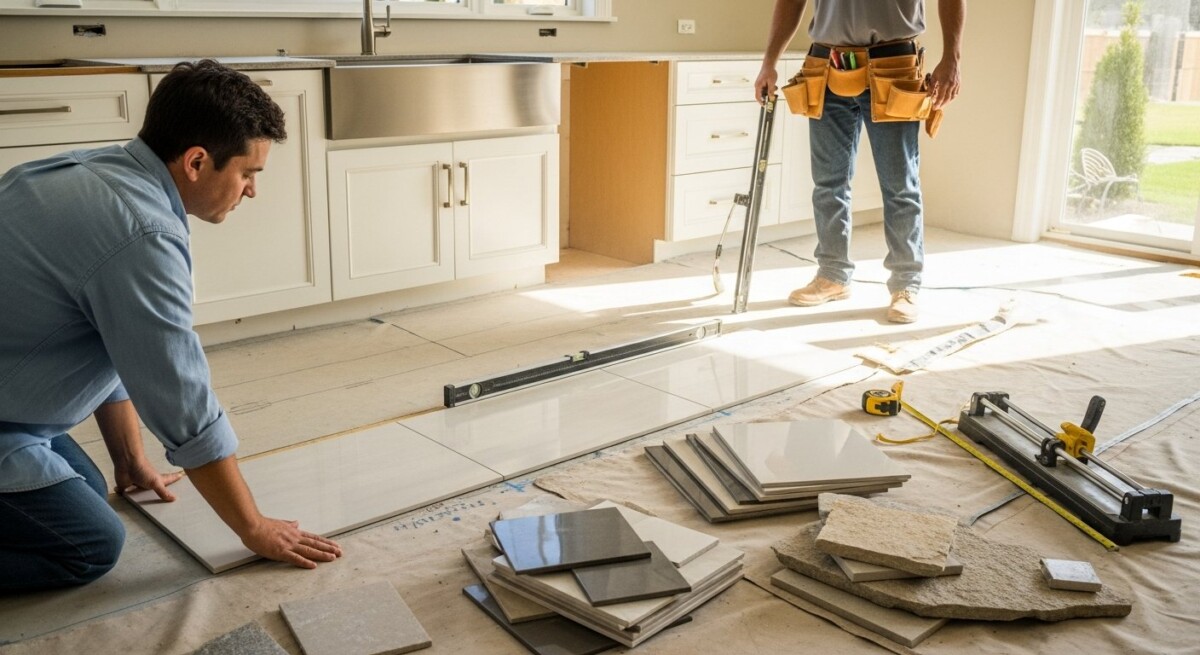
Material selection is where your vision becomes tangible, but it is also where budgets can balloon quickly. Start with the big-ticket items: flooring, countertops, cabinets, and windows. These elements define the look and function of a room, so choose them with care. For example, quartz countertops offer durability and low maintenance, while natural stone adds unique character but requires sealing. Consider your lifestyle. A busy family may prefer scratch-resistant porcelain tile over polished marble.
When selecting materials, think about long-term value. Energy-efficient windows and proper insulation reduce utility bills and improve comfort. High-quality paint and flooring may cost more upfront but last longer, saving money over time. Do not overlook the importance of lighting, plumbing fixtures, and hardware, these small details tie the design together. Create a sample board with paint chips, fabric swatches, and material samples to see how they look together in your space.
Here are a few popular material choices for renovation projects:
- Engineered hardwood: offers the look of wood with better moisture resistance
- Quartz countertops: non-porous, scratch-resistant, and available in many colors
- LED recessed lighting: energy-efficient and creates a clean, modern look
- Water-resistant drywall: ideal for bathrooms and basements
- Low-VOC paints: healthier for indoor air quality
Once you have selected your materials, order them early. Lead times for custom cabinets or specialty tiles can stretch to several weeks. Delays in material delivery are a common cause of project slowdowns. Confirm delivery dates with your supplier and have a backup plan for critical items.
Manage the Construction Phase Like a Project Manager
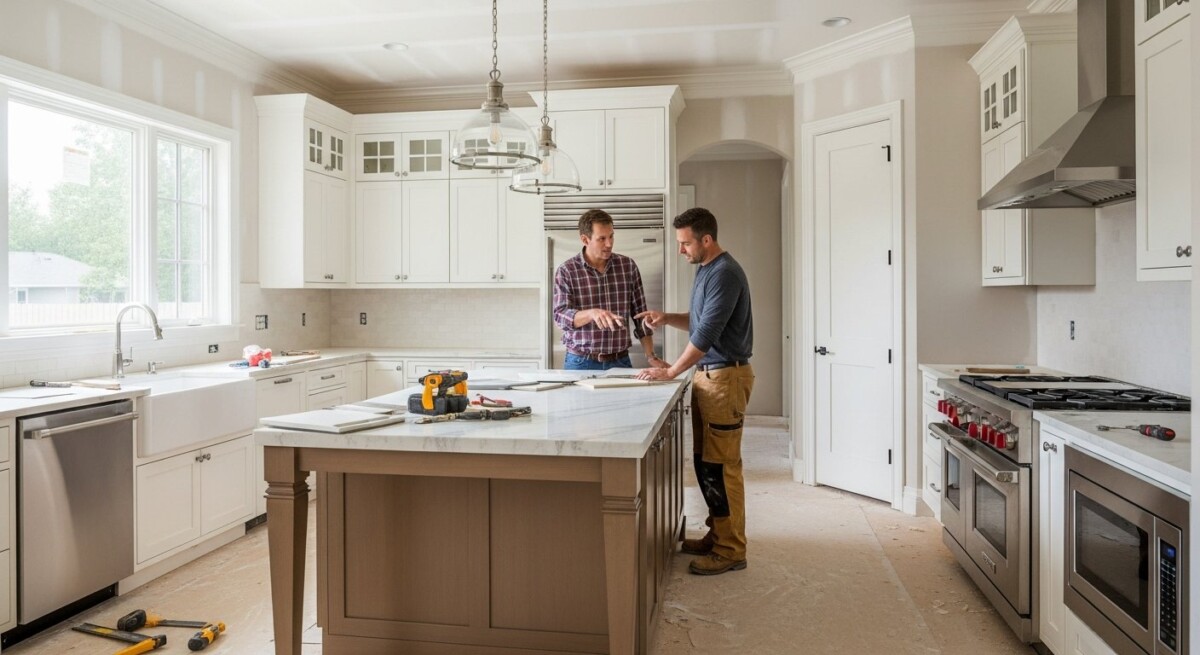
When the demolition begins, your role shifts from planner to project manager. Stay involved without micromanaging. Establish a weekly check-in with your contractor to review progress, address questions, and approve change orders. Change orders are inevitable, but they should be documented in writing with cost and timeline impacts. Avoid making decisions on the fly; take time to consider how a change affects the overall design and budget.
Prepare your home for construction. Cover floors and furniture in work areas, seal off rooms to limit dust, and establish a clear path for workers to enter and exit. If you live on site, plan for temporary disruptions, like a missing kitchen or reduced water pressure. Some homeowners rent a portable stove or set up a temporary sink in the garage. Anticipating these inconveniences reduces stress.
Communication is the key to a smooth project. If something does not look right, speak up immediately. It is much easier to fix an issue during construction than after completion. Take photos of the work at each stage, especially before walls are closed and floors are covered. These records are invaluable for future maintenance and resale disclosures.
Add Value With Energy Efficiency and Smart Home Upgrades
A house renovation is the perfect time to improve your home’s energy performance. Upgrading insulation, sealing air leaks, and installing energy-efficient windows can reduce heating and cooling costs significantly. Many utilities offer rebates for these improvements, and the federal government occasionally provides tax credits for qualifying upgrades. Ask your contractor about the most cost-effective energy upgrades for your climate.
Smart home technology is another renovation addition that appeals to buyers and enhances daily life. Programmable thermostats, smart lighting, and video doorbells are relatively inexpensive and easy to install during a renovation. If you are doing a major electrical overhaul, consider adding USB outlets and pre-wiring for security cameras. These features make your home more convenient and marketable.
Also think about water efficiency. Low-flow toilets, showerheads, and faucets conserve water without sacrificing pressure. Tankless water heaters provide endless hot water and use less energy than traditional models. These upgrades not only lower your utility bills but also demonstrate responsible homeownership.
Final Walkthrough and Warranty: Protect Your Investment
Before you make the final payment, do a thorough walkthrough with your contractor. Create a punch list of any incomplete or defective items, such as scratched paint, misaligned cabinets, or a leaky faucet. The contractor should fix these before you consider the project complete. Do not skip this step, it is your last chance to ensure quality.
Once the work is done, collect all warranties, manuals, and receipts for materials and appliances. Store them in a safe place, ideally in a digital folder. Understand the warranty terms for labor and materials. Most contractors offer a one-year workmanship warranty, while manufacturers guarantee their products for varying periods. If an issue arises after you move back in, contact your contractor promptly.
Finally, consider how your renovation affects your home’s value. Keep records of all permits and inspections, as they confirm that the work meets code. This documentation is valuable when you sell, as it reassures buyers that the improvements were done properly. A well-executed renovation not only enhances your living experience but also strengthens your property’s market position.
Renovating your home is a journey, but with careful planning and the right support, it can be a rewarding one. Start with a clear vision, build a realistic budget, and surround yourself with skilled professionals. If you are ready to begin, USremodel can connect you with trusted contractors in your area, making the first step easier. Your dream home is closer than you think, and every smart decision brings you closer to enjoying it.