Tile Flooring Pros, Cons, and Cost Guide for 2026
When you step into a room, the surface underfoot sets the tone for the entire space. Tile flooring has been a staple in homes for centuries, and for good reason. It offers a blend of durability, style, and practicality that few other materials can match. Whether you are renovating a bathroom, updating a kitchen, or finishing a basement, tile flooring presents a compelling option. However, choosing the right tile involves more than just picking a color you like. You need to consider material, finish, size, maintenance, and cost. This guide will walk you through everything you need to know to make an informed decision for your home.
Many homeowners feel overwhelmed by the sheer variety of choices available. Ceramic, porcelain, natural stone, and luxury vinyl tile all fall under the broad umbrella of tile flooring. Each type has its own strengths and weaknesses. Your lifestyle, budget, and the specific room you are improving will all influence the best choice. By understanding the core differences and asking the right questions, you can select a floor that looks great and performs well for years to come. This article aims to simplify that process, giving you a clear framework for your next project.
Why Choose Tile Flooring for Your Home
Tile flooring is often the first choice for areas that see heavy foot traffic, spills, and moisture. Its hard, non-porous surface resists stains, scratches, and water damage better than wood or carpet. This makes it an ideal candidate for bathrooms, kitchens, entryways, and laundry rooms. Unlike softer flooring options, tile does not harbor dust mites, pet dander, or allergens, which is a significant advantage for households with allergy sufferers. A simple sweep and occasional mop are usually all that is needed to keep it looking pristine.
Beyond its practical benefits, tile offers incredible design flexibility. You can find tiles that mimic the look of natural wood, marble, or concrete, giving you the aesthetic you want without the high maintenance or cost. The range of colors, shapes, and patterns is virtually endless. From large-format slabs that create a seamless, modern look to intricate mosaic patterns that add a handcrafted feel, tile can be tailored to any design vision. Additionally, tile works well with radiant heating systems, providing comfortable warmth underfoot in colder months, a feature that adds to its appeal for whole-home comfort.
Main Types of Tile Flooring
Understanding the different materials is the first step in your selection process. The most common types of tile flooring are ceramic, porcelain, and natural stone. Each has unique characteristics that affect performance, appearance, and price. More recently, luxury vinyl tile (LVT) has gained popularity as a cost-effective alternative that mimics the look of real tile. Let us break down these options to help you see which one aligns with your needs.
Ceramic and Porcelain Tiles
Ceramic tile is made from clay that is shaped and fired in a kiln. It is then coated with a glaze that provides color and texture. This glaze can be glossy, matte, or textured. Ceramic is affordable and versatile, suitable for most indoor applications. However, it is less dense than porcelain, making it slightly more porous and potentially less durable in high-moisture or high-traffic areas. The glaze can also chip if heavy objects are dropped on it.
Porcelain tile is a type of ceramic that is fired at a higher temperature, making it denser and less porous. This means it absorbs very little water, which makes it excellent for bathrooms, outdoor patios, and entryways. Porcelain is also harder and more durable, resisting scratches and wear over time. It often comes in large formats that create a sleek, contemporary look. While it is generally more expensive than standard ceramic, the added durability often justifies the cost for busy households.
Natural Stone Tiles
For a truly unique and luxurious appearance, natural stone tiles are unmatched. Options include marble, granite, travertine, slate, and limestone. Each piece of stone has distinct veining and color variations, ensuring no two floors are exactly alike. Natural stone adds a sense of elegance and permanence to a home. However, it requires more care than ceramic or porcelain. Stone is porous and must be sealed regularly to prevent stains and moisture damage. It is also susceptible to etching from acidic substances like lemon juice or vinegar, so spills should be cleaned up quickly. The cost is generally higher, and professional installation is strongly recommended to ensure a level and secure surface.
Luxury Vinyl Tile (LVT)
Luxury vinyl tile is a synthetic product designed to replicate the look of stone or ceramic. It is composed of multiple layers, including a realistic photographic image layer and a clear wear layer. LVT is waterproof, comfortable underfoot, and quieter than traditional tile. It is also less expensive and easier to install. While it does not have the same solid feel as real tile, it is an excellent choice for basements, playrooms, or rental properties where durability and cost are top priorities. The best part is that LVT can be installed as floating planks or tiles, which makes DIY projects more feasible.
Key Considerations Before You Buy Tile Flooring
Before you fall in love with a particular style, you need to evaluate the practical aspects of the room where the tile will be installed. The right tile for a dry, low-traffic bedroom might be a poor choice for a busy family bathroom. Consider the level of foot traffic, the likelihood of water exposure, and the overall style of your home. This evaluation will guide you toward the correct type and grade of tile.
One of the most important factors is the tile’s PEI rating, which measures its resistance to abrasion. This rating ranges from 0 to 5. For residential floors, a rating of 3 or higher is recommended. For entryways or kitchens that see heavy use, look for a rating of 4 or 5. Additionally, think about the finish of the tile. Glossy finishes look beautiful but can be slippery when wet. Matte or textured finishes offer better traction and are safer for bathrooms, kitchens, and mudrooms.
Another key consideration is the size and layout of the tile. Large-format tiles (12×24 inches or larger) can make a small room appear bigger by reducing the number of grout lines. However, they are more difficult to install and may require a perfectly level subfloor. Smaller tiles, such as mosaics, are easier to fit into odd-shaped spaces but have more grout lines, which require more cleaning. Here is a quick list of questions to ask yourself before making a purchase:
- What is the primary function of the room? Is it a wet area like a shower or a dry area like a living room?
- How much foot traffic will the floor endure?
- What is your budget for both materials and installation?
- Do you prefer a glossy, matte, or textured finish?
- Will you need to match the tile to an existing color scheme or décor?
Answering these questions upfront will narrow your options significantly. It will also help you communicate more effectively with a contractor, ensuring you get accurate quotes for your project. Remember that the cheapest tile is not always the most cost-effective. A higher-quality tile that lasts 20 years is often a better investment than a cheaper option that needs replacing in five.
Installation Tips and the Importance of Professional Help
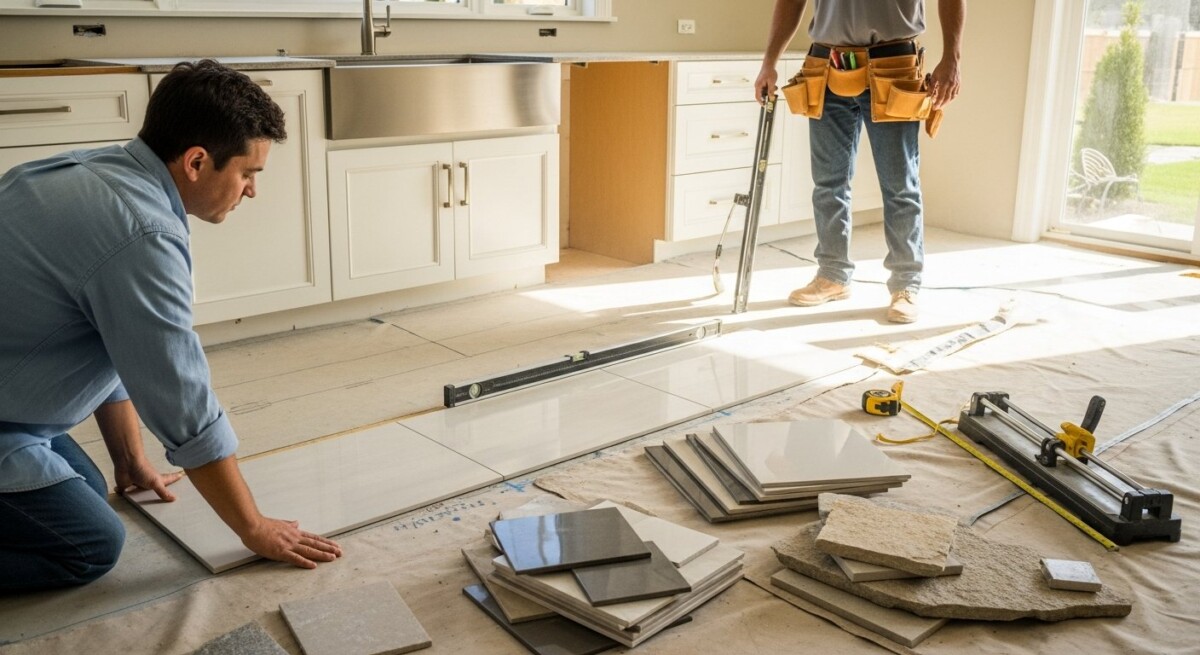
Proper installation is critical to the longevity and appearance of your tile flooring. Even the most expensive tile will fail if it is installed over an unstable subfloor or with improper adhesive. The process involves several steps: preparing the subfloor, laying out the tile pattern, applying thin-set mortar, setting the tile, and then grouting and sealing the joints. Each step requires precision and skill.
While some experienced DIYers may tackle simple tile projects, hiring a professional is often the safest route. A professional will ensure the subfloor is level and structurally sound, which prevents cracks and lippage (where one tile is higher than the adjacent one). They also have the tools to cut tile accurately, especially for complex patterns like herringbone or diagonal layouts. A poorly installed floor can void the manufacturer’s warranty and lead to costly repairs down the line. For most homeowners, the peace of mind that comes with a professional installation far outweighs the labor cost.
If you do choose to hire a contractor, it is essential to find a reputable one. You can ask friends and family for referrals, check online reviews, and verify licenses and insurance. Getting multiple quotes is also a smart practice. Be wary of quotes that seem too low, as they may indicate subpar materials or workmanship. A reliable contractor will walk you through the process, explain the timeline, and offer guidance on selecting the right tile for your specific needs. They can also advise on the best grout type and color to complement your tile.
Cost of Tile Flooring and How to Budget
The cost of tile flooring varies widely based on the material, size, and quality. On average, you can expect to pay between $1 and $15 per square foot for the tile itself. Ceramic is typically the most affordable, starting around $1 to $5 per square foot. Porcelain generally ranges from $3 to $10 per square foot. Natural stone is more expensive, often falling between $5 and $15 per square foot, with premium varieties costing even more. Luxury vinyl tile is a budget-friendly option, usually priced between $2 and $7 per square foot.
In addition to the cost of the tile, you must factor in installation labor, which typically ranges from $4 to $10 per square foot, depending on the complexity of the job. This includes the cost of thin-set mortar, grout, and any underlayment needed. You should also budget for removal and disposal of your old flooring, which adds another $1 to $2 per square foot. Here is a rough breakdown of what to expect:
- Material cost: $1 to $15 per square foot
- Installation labor: $4 to $10 per square foot
- Underlayment and supplies: $1 to $3 per square foot
- Old floor removal: $1 to $2 per square foot
To get a truly accurate estimate for your project, it is best to consult with professionals. They can assess your space, recommend appropriate materials, and provide a detailed quote. Many platforms, including USremodel, can connect you with multiple contractors in your area who offer free estimates. This allows you to compare prices and services before making a commitment. Investing in quality materials and skilled labor will protect your investment and ensure your new floor looks beautiful for decades.
Maintenance and Longevity of Your Tile Floor
One of the greatest advantages of tile flooring is its low maintenance. Unlike carpet that requires vacuuming and deep cleaning, or wood that needs refinishing, tile simply needs regular sweeping or vacuuming to remove dirt and grit that can scratch the surface. Damp mopping with a mild cleaner will handle most spills and stains. For grout lines, a stiff brush and a mixture of baking soda and water can help keep them looking clean. Sealing the grout after installation and periodically thereafter can also protect it from discoloration.
With proper care, tile flooring can last for 50 years or more. This incredible longevity makes it a smart investment for homeowners who plan to stay in their homes for a long time. The durability of tile also adds to your home’s resale value. Many buyers see tile as a premium feature, especially in kitchens and bathrooms. If you ever decide to sell, a well-maintained tile floor can be a strong selling point. Its timeless appeal and ease of maintenance are attractive to a wide range of prospective buyers.
It is also worth noting that tile works exceptionally well with radiant floor heating systems. The tile’s thermal mass holds heat well, providing a comfortable and energy-efficient warmth during the winter. This combination can increase the comfort of your home and potentially reduce your energy bills. When planning your tile project, ask your contractor about the feasibility of installing radiant heating beneath the floor. It is a relatively simple addition during the installation process and can greatly enhance the enjoyment of your space.
Finding the Right Contractor for Your Tile Project
Choosing the right contractor is just as important as choosing the right tile. A skilled installer can transform a pile of boxes into a flawless floor, while a poor one can ruin your investment. Start by looking for contractors who specialize in tile installation rather than general handymen. Check their portfolios and ask for references from recent tile projects. A reputable contractor will be happy to share examples of their work.
When you receive quotes, make sure they are detailed and itemized. This should include the cost of materials, labor, and any additional fees for things like moving furniture or removing old floors. Ask about their timeline and what happens if unexpected issues arise, such as discovering an uneven subfloor. Clear communication is key to a successful project. A good contractor will keep you informed throughout the process and address any concerns you have.
Platforms like USremodel simplify the process of finding qualified contractors. They connect homeowners with a network of pre-screened professionals, allowing you to request free, customized quotes from multiple providers. This approach saves you time and gives you confidence that you are hiring a verified expert. By comparing quotes and conducting your own due diligence, you can find a contractor who delivers quality workmanship at a fair price. This careful selection process is the final step in ensuring your tile flooring project is a complete success.
Tile flooring is a significant investment, but it is one that pays off in beauty, durability, and home value. By understanding the different materials, considering the specific needs of your space, and hiring a professional installer, you can enjoy a stunning and functional floor for many years. Whether you choose ceramic, porcelain, natural stone, or luxury vinyl, the key is to make an informed choice that aligns with your lifestyle and budget. Start your project today by exploring your options and reaching out to trusted professionals for guidance.