Interior Painting Guide: Boost Home Value and Appeal
A fresh coat of paint is one of the most cost-effective ways to transform your home. Whether you are preparing to sell, moving into a new space, or simply craving a change, professional interior painting can dramatically improve your living environment. But achieving a flawless, long-lasting finish requires more than picking a color. It demands proper surface preparation, high-quality materials, and skilled application. This guide walks you through everything you need to know, from planning and color selection to choosing the right contractor and protecting your investment.
Why Interior Painting Matters More Than You Think
Interior painting is not just about aesthetics. It plays a critical role in protecting your walls, improving indoor air quality, and increasing your home’s overall value. A well-executed paint job can hide minor imperfections, create a cohesive design flow, and make a small room feel larger. According to real estate experts, a fresh interior paint job is one of the highest return-on-investment projects you can undertake before selling your home.
Moreover, modern paints offer more than just color. Many formulas now include low or zero volatile organic compounds (VOCs), which means fewer harmful chemicals released into your air. This is especially important for households with children, pets, or anyone with respiratory sensitivities. Beyond health, paint acts as a barrier against moisture, dust, and everyday wear, extending the life of your drywall and trim. In short, interior painting is a smart maintenance strategy that pays off in both comfort and resale value.
When you choose to work with a professional, you gain access to industry-grade tools, techniques, and products that are simply not available at the big-box store. Professionals know how to properly prep surfaces, which primers to use for stain blocking, and how to achieve crisp lines without tape bleed. They also carry insurance, protecting you from liability if something goes wrong. This expertise translates into a finish that looks great and lasts for years, not just a season.
Planning Your Interior Painting Project
The success of any painting project starts long before the first brush stroke. A thorough plan saves you time, money, and frustration. Begin by evaluating every room you intend to paint. Consider the room’s function, the amount of natural light, and your existing furniture and decor. These factors will heavily influence your color choices and the type of finish you select.
Next, set a realistic budget. Interior painting costs vary widely based on square footage, ceiling height, number of rooms, and the condition of your walls. On average, a professional interior paint job ranges from $3 to $6 per square foot, but this can increase with complex trim work, wallpaper removal, or extensive drywall repairs. Getting multiple quotes from different contractors is essential to ensure you are paying a fair price. For a detailed breakdown of cost factors, you can refer to our professional interior painting guide.
Finally, think about timing. Painting projects can take anywhere from a few days to a couple of weeks, depending on the scope. If you are living in the home during the project, you will need to plan for furniture movement, disruptions to your routine, and potential paint fumes. If you are selling, schedule the painting before listing your home so the colors are fresh for showings. A little foresight here makes the entire process smoother.
Choosing the Right Paint Finish
The finish you choose is just as important as the color. It affects both the look and durability of the paint. Here is a quick breakdown of common finishes and their best uses:
- Flat or matte: Hides imperfections well, but is harder to clean. Best for low-traffic areas like ceilings and adult bedrooms.
- Eggshell: Offers a slight sheen and is more washable than flat. Good for living rooms, dining rooms, and hallways.
- Satin: A step up in durability and sheen, making it ideal for kitchens, bathrooms, and kids’ rooms.
- Semi-gloss: Highly durable and easy to clean. Use on trim, doors, and cabinets.
- High-gloss: Very shiny and durable, but highlights surface imperfections. Best for accent pieces and high-moisture areas.
Remember that the same color can look completely different in various finishes. A dark color in a matte finish will absorb light, while the same color in a satin finish will reflect it. Always test a sample area with your chosen finish before committing.
Selecting a Color Palette
Color is the most personal aspect of any painting project. To avoid buyer’s remorse, spend time gathering inspiration. Look at paint swatches in your home’s natural light at different times of the day. Use online visualization tools or purchase sample pots to paint large test sections on your walls. Live with the samples for a few days to see how they feel.
Consider the flow of your home. If you have an open floor plan, choose colors that complement each other from room to room. A common strategy is to pick a neutral base color for the main living areas and then use bolder shades in bedrooms or accent walls. Neutrals like warm greys, soft whites, and greiges are timeless choices that appeal to a wide range of buyers if you are selling. If you are staying, do not be afraid to embrace color that reflects your personality, but still think about how it will look with your furniture and flooring.
Also, think about the psychological impact of color. Blues and greens promote calmness, making them great for bedrooms and bathrooms. Yellows and oranges can energize a space, suitable for kitchens or home offices. Red is stimulating and best used as an accent. Your contractor can offer guidance, but the final decision should always feel right to you.
Preparing Your Home for Painting
Proper preparation is the key to a professional and long-lasting paint job. Here are the essential steps that a skilled painter will take before applying any paint:
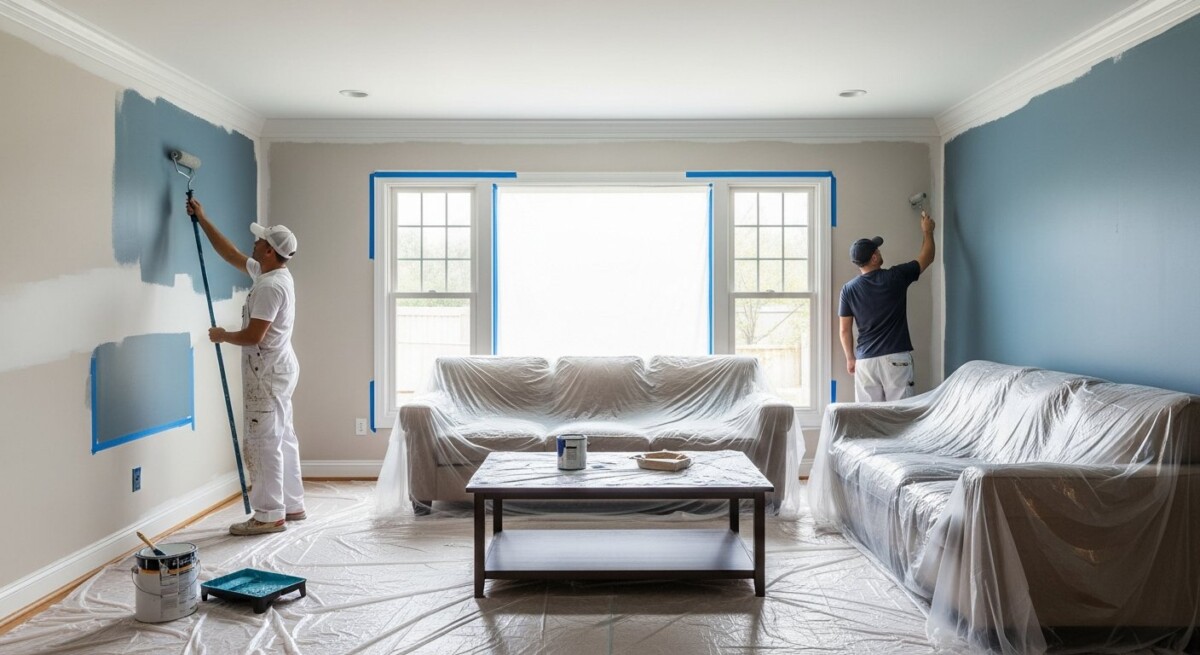
- Clear the room: Move furniture to the center and cover with drop cloths, or remove it entirely. Take down curtains, artwork, and hardware.
- Clean the walls: Dust, grease, and grime prevent paint from adhering. Wash surfaces with a mild detergent, then rinse and let dry.
- Repair imperfections: Fill holes and cracks with spackle, sand smooth, and prime any stained areas to prevent bleed-through.
- Protect floors and trim: Cover floors with canvas drop cloths and tape off baseboards, door frames, and windows with painter’s tape.
- Prime when necessary: Primer is essential for bare drywall, drastic color changes, or surfaces with stains. It ensures even coverage and better adhesion.
While you could do these steps yourself, a professional contractor has the experience to spot issues you might miss, such as water damage, mold, or peeling paint that needs to be scraped and sealed. Investing in proper preparation prevents costly touch-ups later and ensures your new paint looks flawless.
Why Hire a Professional for Interior Painting
DIY painting can be tempting to save money, but the truth is that a professional finish is hard to achieve without years of practice. Professionals have the right tools, including high-quality brushes, rollers, and sprayers, and they know the techniques to avoid brush marks, roller lines, and drips. They also understand how to work with different surfaces, from drywall to plaster to wood trim.
Hiring a professional also saves you significant time and effort. Painting a single room can take a novice several days, while a pro can finish it in one. They handle the messy prep work, the tedious cutting-in, and the cleanup, so you come home to a finished space without the hassle. Moreover, professional painters carry liability insurance, which protects you if an accident occurs on your property.
When it comes to finding a reliable contractor, using a platform like USremodel can simplify the process. You submit your project details, and vetted professionals in your area provide free, customized quotes. This allows you to compare pricing and services without the pressure of cold-calling and negotiating. It is a transparent way to secure a quality contractor who meets your budget and timeline. For more insights on how to manage your project, explore our interior painting transformation tips.
What to Look for in a Painting Contractor
Not all painting contractors are created equal. To ensure a smooth experience and a beautiful result, vet your candidates carefully. Start by asking for proof of insurance and licensing. A reputable contractor will have both. Look for online reviews and ask for references from recent jobs. A portfolio of past work can also give you a sense of their style and quality.
Get detailed written estimates from at least three contractors. The estimate should include the exact scope of work, the paint brand and color, the number of coats, and the timeline. Be wary of bids that are significantly lower than others; they may be cutting corners on materials or labor. Ask about their process for surface preparation and whether they include primer. Also, confirm that they will protect your floors and furniture and that they will clean up thoroughly after the job is done.
Communication is critical. Choose a contractor who listens to your ideas, answers your questions, and offers honest advice. A good painter will not just follow orders; they will proactively point out potential issues and suggest solutions. This collaborative approach leads to a better outcome and fewer surprises.
The Cost of Interior Painting
Understanding the cost breakdown helps you budget accurately and avoid sticker shock. The total price for an interior painting project depends on several factors:
- Square footage of the area to be painted
- Number of rooms and ceiling height
- Condition of the walls (e.g., cracks, holes, water stains)
- Type and quality of paint chosen
- Complexity of the job (e.g., detailed trim, accent walls, multiple colors)
- Geographic location and regional labor rates
On average, you can expect to pay between $2 and $6 per square foot for professional interior painting. This includes labor, materials, and cleanup. For a 2,000-square-foot home, a full interior repaint might cost anywhere from $4,000 to $12,000, depending on the above factors. It is always wise to allocate an extra 10% of your budget for unexpected issues, such as discovering water damage or needing additional coats.
To get accurate, no-obligation cost estimates, use a service like USremodel. By submitting your project details, you can receive free quotes from multiple contractors, allowing you to find a price that fits your budget. This approach also gives you leverage in negotiations, as you can see what different professionals charge for the same work.
Maintaining Your Freshly Painted Walls
Once your interior painting project is complete, a little maintenance goes a long way. The first few weeks are critical: avoid cleaning the walls with harsh chemicals or abrasive scrubbers, as the paint needs time to fully cure. Wait at least 30 days before doing any rigorous cleaning. After that, use a soft, damp cloth or sponge with a mild soap solution for spot cleaning.
Keep a small container of leftover paint for future touch-ups. Label it with the room, color name, and date. Storing it in a cool, dry place will keep it viable for several years. If you run out, you can always match the color with a paint chip, but having the exact batch is the safest bet.
Inspect your walls regularly for cracks, chips, or peeling, especially around doors and windows. These can be signs of moisture issues that need addressing. Early touch-ups are much easier and cheaper than repainting an entire room. With proper care, a quality paint job can last anywhere from five to ten years, making it a long-term investment in your home’s beauty and value.
By following the steps outlined here, you can navigate your interior painting project with confidence. From planning and color selection to hiring the right professional and maintaining the finish, each phase is an opportunity to enhance your home. For free quotes and to connect with trusted painters in your area, start your project today with USremodel. Your dream interior is just a paint job away.