
What Affects Remodeling Pricing: Key Cost Factors
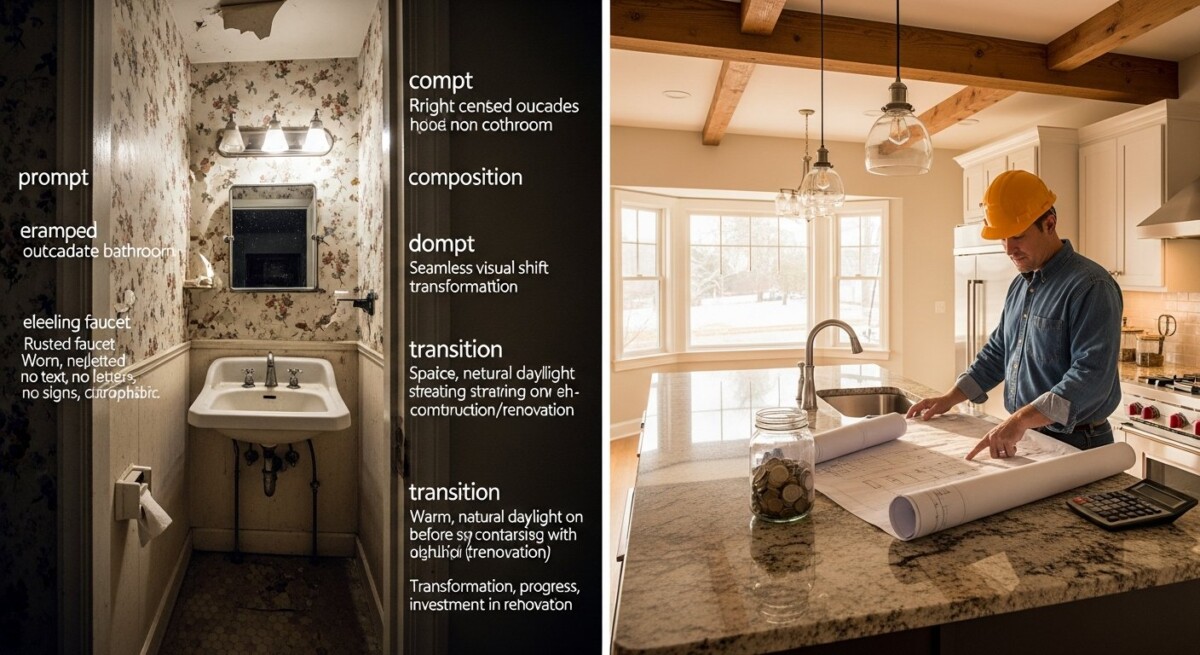
You have decided to remodel your home. You have a vision for a better kitchen, a more functional bathroom, or a finished basement. Then you start getting estimates, and the numbers vary wildly. A $15,000 quote sits next to a $45,000 quote for the same room. Why does remodeling pricing swing so dramatically? The answer is not one single factor but a combination of choices, conditions, and market forces that stack on top of each other. Understanding what affects remodeling pricing before you sign a contract is the difference between a project that stays on budget and one that drains your savings. This article breaks down the real drivers of cost so you can plan with confidence and avoid surprise bills.
Project Scope and Room Size
The most obvious factor in any remodeling cost is the size and scope of the work. A half-bath refresh costs far less than a master bathroom gut renovation. But scope goes beyond square footage. It includes whether you are changing the floor plan, moving plumbing, or removing walls. A simple cosmetic update with new paint, fixtures, and flooring stays on the lower end of the pricing spectrum. A full structural reconfiguration that requires new load-bearing beams, rerouted ducts, and permit fees pushes the budget much higher.
Consider a kitchen remodel. Replacing cabinet doors and countertops without changing the layout is a mid-range project. Tearing down a wall to create an open-concept kitchen with an island requires engineering reports, structural support, and new electrical runs. That shift in scope can double or triple the final cost. When you ask contractors for bids, they are pricing the complexity of the work, not just the size of the room. A smaller space with intricate tile work, custom cabinetry, and high-end fixtures can cost more per square foot than a larger room with standard finishes.
To get accurate estimates, define your scope in writing before contacting contractors. List every item you want changed, removed, or added. The more specific you are, the more comparable your bids will be. Vague requests like “update the bathroom” invite wide pricing swings because contractors guess at your expectations. For a deeper look at how different project types affect costs, see our home renovation pricing guide for homeowners.
Material Quality and Finish Levels
Material selection is where you have the most direct control over remodeling pricing. The difference between builder-grade laminate and solid hardwood flooring can be $8 to $20 per square foot. Countertop prices range from $40 per square foot for laminate to over $150 per square foot for quartzite or marble. Cabinetry follows the same curve: stock cabinets from a home center cost a fraction of custom-built units from a local woodworker. Every finish decision adds or subtracts from the total.
Homeowners often underestimate the cumulative effect of mid-range versus premium choices. Choosing a standard toilet saves $200 versus a designer model. Selecting basic ceramic tile instead of handmade subway tile saves another $500. When you multiply these small decisions across an entire project, the gap between a budget remodel and a luxury renovation can exceed $30,000. The key is to match material quality to your goals. If you plan to sell the home in five years, invest in durable, neutral finishes that appeal to buyers. If this is your forever home, spend on the features you will enjoy daily.
Here are the typical cost ranges for common remodeling materials based on quality tier:
- Budget tier: Laminate countertops, stock cabinets, vinyl flooring, basic fixtures. This tier works for rental properties or tight budgets.
- Mid-range tier: Quartz countertops, semi-custom cabinets, engineered hardwood, mid-grade faucets. This is the most common choice for owner-occupied homes.
- Premium tier: Marble or granite countertops, custom cabinetry, natural stone tile, designer fixtures. This tier suits high-end homes and luxury renovations.
Once you select your materials, stick with them. Changing your mind mid-project leads to restocking fees, order delays, and labor inefficiencies. Contractors price materials based on firm selections. Every revision adds administrative costs and potential price increases if the new material costs more than the original choice.
Labor Costs and Contractor Expertise
Labor typically accounts for 40 to 60 percent of a remodeling budget. This percentage varies by trade, region, and project complexity. A licensed general contractor with insurance, warranties, and a track record of quality work charges more than a handyman operating without overhead. You are paying for their experience, their ability to coordinate subcontractors, and their accountability if something goes wrong. Skimping on labor to save money often leads to costly rework, permit violations, or safety issues.
Specialized trades command higher rates. A master plumber who can reroute gas lines and install a tankless water heater charges more per hour than a general laborer. Electricians, HVAC technicians, and structural carpenters all carry premium rates because their work requires licensing, training, and liability insurance. If your project involves multiple trades, the general contractor’s markup covers scheduling, quality control, and problem-solving. This overhead is not waste; it is protection against delays and mistakes.
Geographic location also drives labor rates. Remodeling a home in San Francisco costs significantly more than the same project in Atlanta because of higher wages, stricter building codes, and higher cost of living for workers. Even within the same city, labor costs vary by neighborhood. Contractors in affluent areas often charge more because their overhead is higher and they carry more insurance coverage. When comparing bids, ask each contractor for a breakdown of labor versus materials. This transparency helps you see where your money is going and identify outliers.
Permits, Fees, and Regulatory Costs
Building permits are a non-negotiable cost for most remodeling projects that involve structural changes, electrical work, plumbing, or HVAC modifications. Permit fees vary by municipality. A simple bathroom remodel might require a $200 permit, while a whole-house renovation with structural alterations can cost $2,000 or more in permit fees. Some cities also charge plan review fees, impact fees, and inspection fees that add to the total.
Beyond permits, you may face homeowners association (HOA) approval fees, architectural review costs, or historical district compliance expenses. These fees are often overlooked in initial budgeting. A homeowner who skips the permit process to save money risks fines, forced removal of unpermitted work, and difficulty selling the home later. Most buyers and their lenders require proof of permits for major renovations. Unpermitted work can kill a sale or reduce the home’s value.
Your contractor should handle permit applications as part of their service. If they ask you to pull the permits yourself, that is a red flag. A reputable contractor knows the local codes, has relationships with inspectors, and ensures the work passes inspection. The cost of permits is small compared to the cost of correcting unpermitted work. Always budget for permits and include them in your project scope from the start.
Structural and Hidden Conditions
No matter how carefully you plan, existing conditions inside your walls and under your floors can upend your budget. Older homes, especially those built before 1980, often hide surprises like knob-and-tube wiring, galvanized plumbing, asbestos insulation, or termite damage. When a contractor opens a wall and finds unsafe wiring, they cannot simply close it back up. You must address the problem before proceeding. These unexpected repairs add thousands to the final cost.
Common hidden conditions include:
- Outdated electrical systems: Federal Pacific panels, aluminum wiring, or insufficient amperage require upgrades to meet current code.
- Plumbing corrosion: Galvanized steel pipes rust from the inside, reducing water pressure and risking leaks. Replacement often requires opening multiple walls.
- Mold and rot: Moisture damage behind tiles or under floors requires remediation before new materials can be installed.
- Structural issues: Sagging joists, cracked foundations, or improperly sized beams need engineering solutions.
To protect your budget, set aside a contingency fund of 15 to 20 percent of your total project cost. This reserve covers hidden conditions without forcing you to pause the project or take out additional financing. Contractors should also include a contingency line item in their proposal. If no surprises arise, you can use the contingency for upgrades or a final bonus to the crew. For more insight on how these factors play out in high-end projects, read our luxury renovation pricing guide for homeowners.
Seasonality and Market Demand
Remodeling costs fluctuate with the seasons and local market conditions. Spring and summer are peak seasons for construction. Demand is high, so contractors charge premium rates and schedule projects weeks or months out. Winter, especially in colder climates, is the slow season. Contractors are more willing to negotiate pricing and offer discounts to keep their crews working. If your project can tolerate a winter timeline, you may save 10 to 15 percent on labor costs.
Material costs also vary by season. Lumber prices typically rise in spring when new construction peaks. Tile and flooring suppliers offer promotions in fall and winter when demand drops. Ordering materials during off-peak months can reduce your material expenses. Additionally, supply chain disruptions affect availability and pricing. A material that was affordable last year may have doubled in price due to factory closures, shipping delays, or tariff changes. Your contractor can advise on current pricing trends and suggest alternative materials if your first choice is backordered.
Market demand in your specific area also matters. In a booming real estate market, contractors are busy with new construction and large-scale projects. They can pick and choose their jobs, often charging higher rates for smaller residential remodels. In a slower market, contractors compete for work, and pricing becomes more negotiable. Getting multiple bids during a slow period gives you leverage. Always get at least three written estimates from licensed, insured contractors. Compare not just the bottom line but the scope of work and materials included.
Financing and Payment Structure
How you pay for your remodel affects the total cost. Cash payments avoid interest charges but require you to have liquid funds. Home equity loans and lines of credit offer lower interest rates than credit cards but come with closing costs and fees. Contractor financing programs, often offered through third-party lenders, provide convenience but may carry higher rates. The cost of borrowing is part of your remodeling budget. Compare annual percentage rates (APRs) and loan terms before committing.
Payment schedules also matter. A reputable contractor asks for a down payment of 10 to 30 percent, with progress payments tied to completed milestones. Avoid contractors who demand full payment upfront or request cash payments to avoid taxes. These practices leave you vulnerable if the contractor abandons the project or performs substandard work. Using a credit card for part of the payment offers consumer protection under the Fair Credit Billing Act, but high interest rates can erode your savings.
For major remodels, consider a home equity line of credit (HELOC) that lets you draw funds as needed. This structure aligns with progress payments and minimizes interest costs. Alternatively, some homeowners refinance their mortgage to include renovation costs. Each financing option has trade-offs between upfront fees, monthly payments, and total interest. Discuss your financing plan with your contractor early so they can align the payment schedule with your loan disbursement timeline.
How to Use This Information
Now that you understand what affects remodeling pricing, you can approach your project with a clear strategy. Start by defining your scope in writing. Select materials that match your long-term goals. Get multiple bids from licensed contractors and compare line items, not just totals. Set aside a contingency fund for hidden conditions. Time your project to take advantage of off-season pricing. And secure financing that fits your budget before you sign a contract.
Every remodeling project involves trade-offs between cost, quality, and timeline. Knowing which factors drive pricing helps you make informed decisions. You do not need to choose the cheapest option or the most expensive one. You need the option that delivers the best value for your specific situation. By understanding the cost drivers outlined here, you can negotiate confidently, avoid common pitfalls, and complete your remodel without financial stress. For homeowners planning a bathroom update specifically, our bathroom renovation pricing guide offers detailed cost breakdowns for that common project type.
When you are ready to move forward, USremodel connects you with pre-screened contractors in your area. Submit your project details through our simple form and receive free, customized quotes from multiple professionals. Compare their proposals using the factors discussed here, and choose the contractor who offers the best combination of price, experience, and communication. Your dream remodel is within reach when you understand the numbers behind it.