Renovation Energy Savings: Can Remodeling Cut Your Bills?
Imagine opening your monthly utility statement and seeing a number that makes you wince. For many homeowners, high energy bills are a recurring source of frustration. You might have tried turning down the thermostat or unplugging devices, yet the costs remain stubbornly high. This leads to a critical question: can renovation reduce energy bills enough to justify the investment? The short answer is yes, but the real value lies in knowing which renovations deliver the biggest returns. A strategic remodel does not just make your home look better; it transforms how your home consumes energy, often cutting bills by 20 to 30 percent or more. This article walks you through the most impactful upgrades, the financial realities, and how to get started with confidence.
Renovation is not just about aesthetics or adding square footage. It is an opportunity to address the hidden inefficiencies that drive up your monthly expenses. From drafty windows to outdated HVAC systems, many homes operate far below their potential. By targeting these problem areas, you can create a home that is more comfortable, more valuable, and far cheaper to run. The key is knowing which projects make sense for your specific home and budget. Let us explore the specific ways renovation can reduce your energy bills and how you can start planning your project today.
The Biggest Energy Drains in Your Home
Before you pick up a hammer or call a contractor, it helps to understand where your energy dollars are actually going. According to the U.S. Department of Energy, heating and cooling account for nearly half of the average home’s energy consumption. Water heating follows at around 18 percent, and appliances, lighting, and electronics make up the rest. This means the most effective renovations target your home’s thermal envelope and its major mechanical systems.
Older homes, in particular, often suffer from poor insulation, leaky ductwork, and single-pane windows. Even newer homes can have gaps and deficiencies that allow conditioned air to escape. When you ask, “can renovation reduce energy bills,” the evidence points directly to sealing and insulating your home first. These projects typically offer the fastest payback period and the most dramatic savings. For example, adding attic insulation can reduce heating and cooling costs by 10 to 50 percent, depending on your current insulation levels and local climate.
Window and Door Replacement
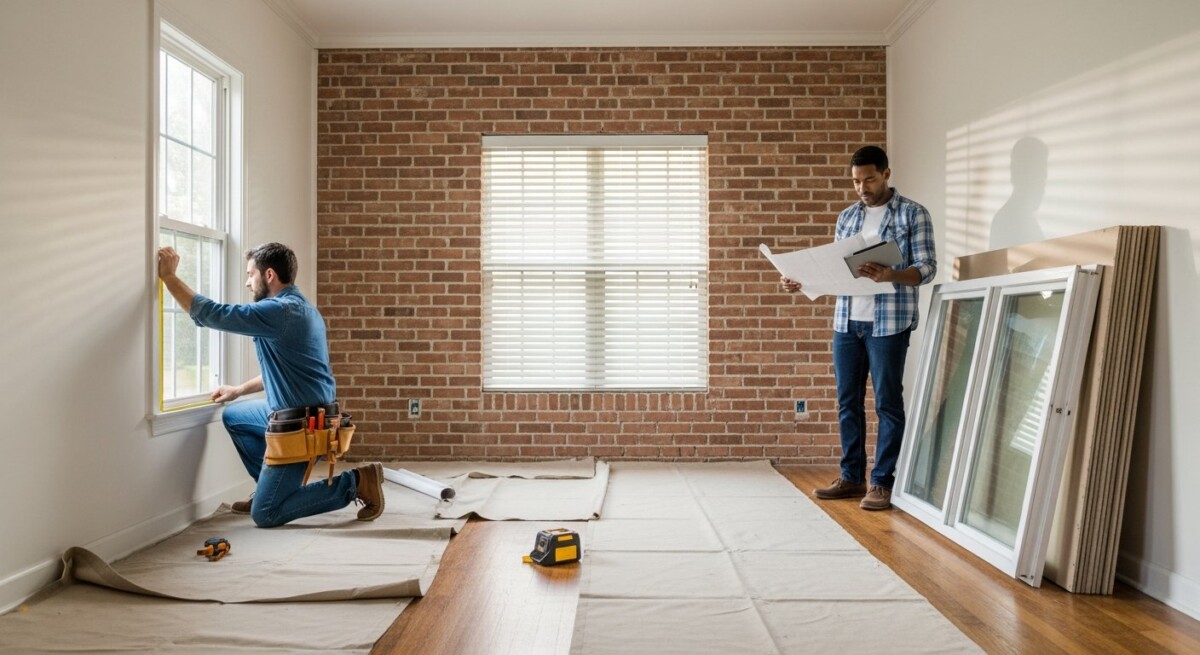
Windows and doors are common weak points in a home’s thermal barrier. Old, drafty windows can account for 25 to 30 percent of residential heating and cooling energy use. Replacing them with ENERGY STAR certified models can save the average household between $200 and $600 per year. The exact savings depend on your region, the type of windows you choose, and the quality of installation.
When considering window replacement, look for these key features:
- Double or triple-pane glass with low-emissivity (Low-E) coatings to reflect heat
- Gas fills between panes, such as argon or krypton, to improve insulation
- Warm-edge spacers that reduce heat transfer at the glass edge
- Proper weatherstripping and professional installation to prevent air leaks
Door replacement offers similar benefits. A steel or fiberglass door with a polyurethane foam core provides far better insulation than a hollow wood door. Adding storm doors can create an extra air barrier and reduce heat loss by up to 50 percent for that entry point. While the upfront cost of window and door replacement is significant, the combination of energy savings, increased comfort, and improved home value makes it a top contender for any energy-focused renovation.
Insulation Upgrades for Attics and Walls
Insulation is the unsung hero of energy efficiency. If your attic insulation is insufficient or settling over time, you are literally letting your heating and cooling dollars float away. The Department of Energy recommends attic insulation levels of R-38 to R-60, depending on your climate zone. Many older homes have only R-11 or R-19, leaving a massive opportunity for improvement.
Adding insulation to your attic is often one of the most cost-effective renovations you can undertake. It is relatively inexpensive compared to other projects, and the energy savings start immediately. For a typical home, adding insulation can save 10 to 20 percent on heating and cooling costs. If your attic is accessible, this is a project you can sometimes tackle as a DIY effort, though professional installation ensures proper coverage and air sealing.
Wall insulation is more complex but can be highly effective, especially in older homes with uninsulated cavities. Blown-in cellulose or spray foam insulation can be added without removing drywall, making it a viable option during a larger renovation. While the payback period for wall insulation is longer than attic insulation, the comfort improvement is immediate. Rooms stay warmer in winter and cooler in summer, reducing the load on your HVAC system and extending its lifespan.
HVAC System Modernization
Your heating and cooling system is the single largest energy consumer in your home. If your furnace or air conditioner is more than 15 years old, it is likely operating at 60 to 70 percent efficiency. Modern high-efficiency systems can reach 95 to 98 percent efficiency, meaning nearly all the energy they use goes directly into heating or cooling your home.
Replacing an outdated HVAC system with a modern, properly sized unit can reduce your energy bills by 20 to 40 percent. However, the savings depend on more than just the equipment. Ductwork must be sealed and insulated to prevent conditioned air from leaking into unconditioned spaces. A professional contractor can perform a Manual J load calculation to ensure your new system is sized correctly for your home’s needs. An oversized system short-cycles and wastes energy, while an undersized system runs constantly and struggles to maintain comfort.
Consider also the benefits of a heat pump. Heat pumps provide both heating and cooling and can be two to three times more efficient than traditional electric resistance heating. In moderate climates, they can reduce electricity use for heating by up to 50 percent compared to baseboard heaters or furnaces. When paired with a smart thermostat, you gain even more control over your energy usage, allowing you to schedule temperatures based on your daily routines.
Solar Panel Installation
For homeowners looking to make a bold statement about energy independence, solar panels offer the ultimate reduction in energy bills. While the upfront cost is substantial, federal tax credits and local incentives can offset 30 to 50 percent of the installation price. Over their 25 to 30 year lifespan, solar panels can save homeowners $20,000 to $40,000 or more on electricity costs, depending on local utility rates and sun exposure.
Solar installation is most effective when combined with other energy efficiency measures. Before installing panels, it makes sense to reduce your overall energy consumption through insulation, efficient windows, and modern appliances. This way, you can install a smaller, less expensive solar system that covers a higher percentage of your total energy needs. Many homeowners find that a well-planned solar installation eliminates their electric bill entirely or reduces it to a small connection fee.
If you are considering solar, start with a professional energy audit. This assessment identifies your home’s current energy usage and pinpoints the most cost-effective improvements. Your contractor can then design a solar system that matches your actual consumption patterns, maximizing your return on investment.
Water Heating and Appliance Upgrades
Water heating is often overlooked in energy renovation discussions, but it represents a significant portion of your utility bills. Traditional tank water heaters constantly heat and reheat water, even when you are not using it. Tankless water heaters, on the other hand, heat water on demand and can be 24 to 34 percent more efficient for homes that use less than 41 gallons of hot water daily. Heat pump water heaters are even more efficient, using electricity to move heat from the surrounding air into the water rather than generating heat directly.
Replacing old appliances with ENERGY STAR certified models is another straightforward way to reduce energy consumption. A new refrigerator uses about half the energy of a model from 20 years ago. Front-loading washing machines use less water and require less energy to heat that water. When you upgrade multiple appliances during a kitchen or laundry room renovation, the cumulative savings can be substantial. Look for the ENERGY STAR label and compare the yellow EnergyGuide labels to estimate annual operating costs.
Lighting and Smart Home Integration
Lighting accounts for about 10 percent of a home’s electricity use. Switching to LED bulbs can reduce lighting energy consumption by 75 to 80 percent. While this is a simple change you can make without a renovation, a full lighting redesign during a remodel allows you to install fixtures that maximize natural light, add dimmers, and use occupancy sensors to ensure lights are only on when needed.
Smart home technology takes energy savings a step further. Programmable thermostats, smart power strips, and automated blinds can all be integrated during a renovation. These devices learn your habits and adjust energy usage accordingly. For example, smart blinds can close during the hottest part of the day to reduce cooling loads, then open in the evening to allow natural ventilation. While these technologies add to the upfront cost, they often pay for themselves within a few years through reduced utility bills.
Financial Considerations and Return on Investment
Understanding the financial side of energy renovations is crucial. Some projects pay for themselves quickly, while others take years to recoup the initial investment. A good rule of thumb is to start with the low-hanging fruit: air sealing and insulation. These improvements offer the fastest payback, often within one to three years. Window and door replacement typically takes five to ten years to pay back through energy savings alone, but it also adds to your home’s resale value and curb appeal.
When planning your renovation, consider these financial factors:
- Federal tax credits for energy-efficient improvements, such as solar panels, heat pumps, and insulation
- State and local rebates that can reduce upfront costs by hundreds or thousands of dollars
- Utility company incentives for energy audits and specific upgrades
- Financing options through home improvement loans or contractor payment plans
The best way to maximize your return is to work with a qualified contractor who understands energy efficiency. A professional can help you prioritize projects based on your home’s unique needs and your budget. They can also ensure that installations are done correctly, which is critical for achieving the promised energy savings. Poor installation can negate the benefits of even the best products.
Many homeowners find that financing their renovation through a home improvement loan or contractor payment plan makes the project more manageable. Instead of paying a large sum upfront, you can spread the cost over several years while enjoying immediate reductions in your monthly energy bills. In some cases, the energy savings are enough to offset the monthly loan payment, making the renovation essentially cost-neutral from day one.
Working with a Professional Contractor
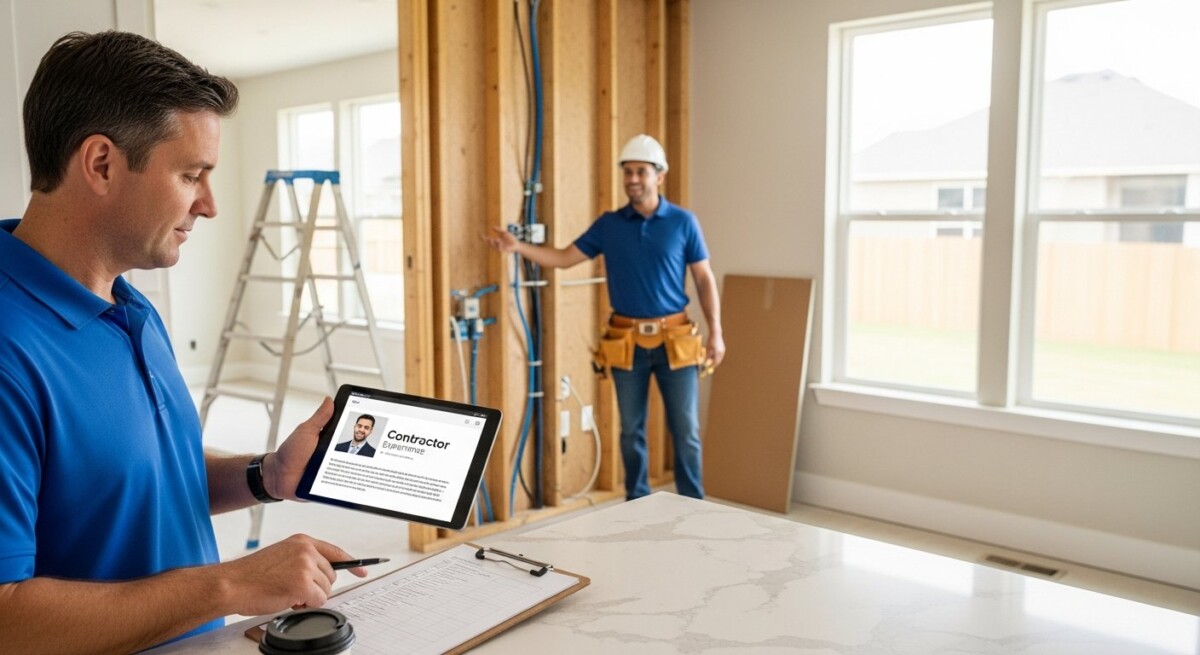
Choosing the right contractor is one of the most important decisions you will make during your renovation. A skilled professional does more than just install products; they evaluate your home’s specific conditions and recommend the most effective solutions. When searching for a contractor, look for experience with energy-efficient renovations, proper licensing and insurance, and positive reviews from past clients.
USremodel connects homeowners with vetted contractors who specialize in energy-saving improvements. Whether you need window installation, solar panel setup, HVAC replacement, or insulation upgrades, our network includes professionals who understand the latest technologies and best practices. By using our platform, you can receive free, customized quotes from multiple contractors, allowing you to compare options and choose the best fit for your project. This streamlined process saves you time and helps ensure you get quality work at a fair price.
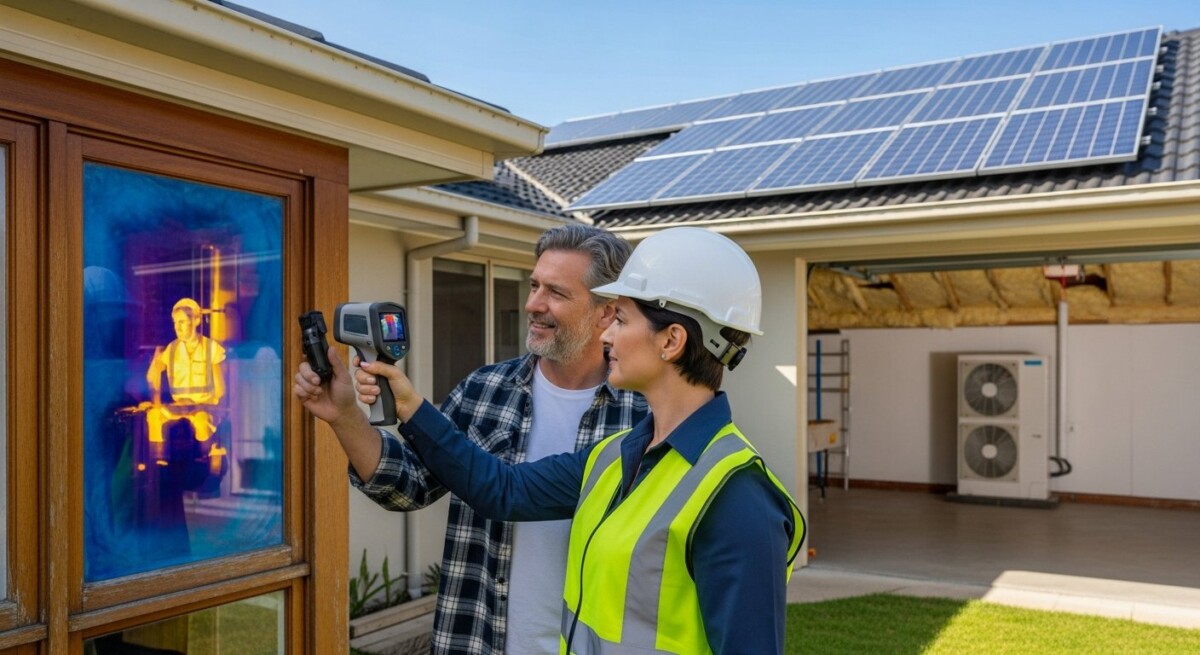
Before you start your renovation, schedule a home energy audit. This assessment provides a baseline of your current energy use and identifies the most impactful improvements. Many contractors offer this service, or you can hire an independent energy auditor. The audit typically includes a blower door test to measure air leakage, a thermal imaging scan to find insulation gaps, and a review of your utility bills. With this information in hand, you can make informed decisions about which renovations will give you the greatest return on investment.
Ultimately, the question “can renovation reduce energy bills” has a clear answer: absolutely. But the real power lies in choosing the right renovations and executing them with professional skill. By focusing on insulation, air sealing, efficient windows and doors, modern HVAC systems, and renewable energy sources, you can transform your home into a model of efficiency. The result is lower monthly bills, a more comfortable living space, and a home that retains its value for years to come. Start planning your energy-saving renovation today, and take the first step toward a more affordable and sustainable home.