
Why Homeowners Renovate Homes: Protect Value and Comfort
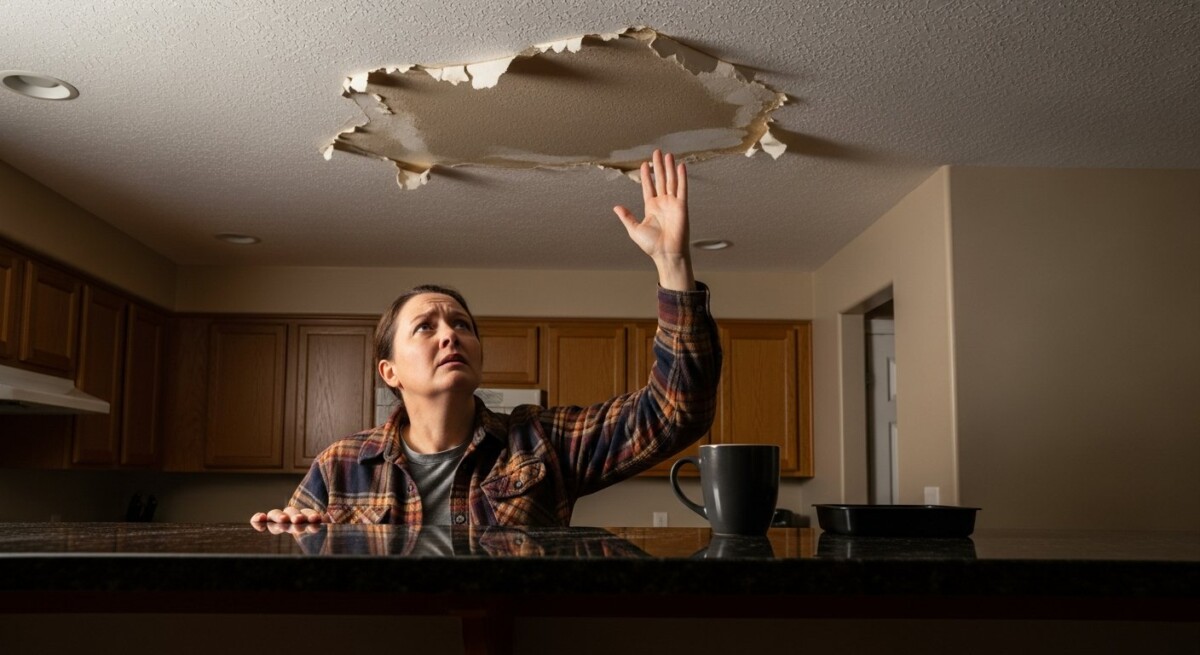
You walk into your kitchen one morning and notice a small water stain on the ceiling. It looks minor,maybe just a trickle from last night’s rain. You wipe it off and forget about it. A few weeks later, the stain is darker, and the drywall feels soft to the touch. That small spot is now a reminder that something beneath the surface is failing. This is exactly the moment many homeowners discover why homeowners renovate homes,not out of a desire for something new, but because a hidden problem has finally made itself known. Ignoring it can lead to bigger damage, higher costs, and a loss of peace of mind.
Understanding Why Homeowners Renovate Homes
Home renovation is the process of updating, repairing, or remodeling parts of your home to improve function, safety, or appearance. It can be as simple as replacing worn flooring or as involved as gutting an outdated bathroom. Most homeowners start a renovation because something in the house isn’t working the way it should.
Problems develop over time. Materials age, weather takes a toll, and daily use wears down surfaces. Homes built more than 20 years ago often have outdated systems or materials that no longer meet modern standards. Even newer homes can have issues if they were built quickly or with low-cost components. Renovations address these weak points before they turn into costly emergencies.
The Emotional Side of Home Renovation
Beyond repairs, many homeowners renovate to make their space feel like their own. A home should reflect your lifestyle and bring comfort. When a room feels cramped, dark, or outdated, it affects how you live. Renovation is a way to reclaim that comfort and create a home that works for your family.
Why This Matters for Your Home
Delaying a needed renovation does more than let an eyesore linger. Small leaks can rot wood, attract pests, and weaken your home’s structure. An old electrical system can become a fire hazard. Drafty windows force your HVAC system to work harder, driving up energy bills month after month. What starts as a minor annoyance can quickly become a major expense.
Safety is another critical factor. Faulty wiring, cracked foundations, and mold growth pose real risks to your family. Renovations correct these hazards and give you confidence that your home is a safe place to live. Plus, updating key areas like kitchens and bathrooms can boost your home’s resale value significantly.
If you notice signs of this issue in your home, it may help to speak with a qualified contractor. Request a free quote or call (877) 731-7336 to explore your repair or remodeling options.
Common Problems Homeowners Experience
Every home ages, and certain problems show up again and again. A leaking roof is one of the most common,missing shingles, worn flashing, or clogged gutters allow water inside. Outdated bathrooms often have cracked tiles, moldy grout, or toilets that run constantly. Kitchens may have cabinets that stick, counters that stain, or appliances that no longer work efficiently.
Structural issues can be harder to spot. Settling foundations cause cracks in walls and uneven floors. Old windows let in drafts and noise. Plumbing pipes corrode and leak behind walls. These problems don’t fix themselves, and they usually get worse with time.
- Water stains on ceilings or walls
- Drafty rooms and high energy bills
- Doors or windows that stick or won’t close properly
- Mold or mildew in bathrooms or basements
- Cracked or uneven flooring
- Outdated electrical outlets or frequent breaker trips
How Professionals Solve the Problem
When you hire a professional contractor, you get more than just labor,you get experience, proper tools, and a plan. A skilled contractor will inspect the problem, diagnose the root cause, and recommend a solution that lasts. They handle permits, coordinate materials, and manage the timeline so you don’t have to worry about the details.
A typical renovation process follows several steps. First comes the inspection and consultation, where the contractor evaluates the issue and discusses your goals. Next is the design and material selection phase, where you choose finishes that fit your style and budget. Then the contractor prepares the work area, completes the repair or installation, and finishes with a thorough cleanup and final walk-through. Professional work is safer because contractors carry insurance and follow building codes,something most DIY projects miss.
- Inspection and consultation
- Design and material selection
- Work area preparation
- Repair or installation
- Cleanup and final inspection
A professional inspection can reveal hidden issues before they become expensive repairs. Compare contractor quotes here or call (877) 731-7336 to discuss your project.
Warning Signs You Should Not Ignore
Your home gives you clues when something is wrong. A musty smell in the basement often means moisture is seeping in. Peeling paint or wallpaper can indicate humidity or a leak behind the wall. If you hear dripping or hissing sounds from pipes, there’s likely a leak that needs attention. These early signs are easy to dismiss, but catching them early can save you thousands.
Pay attention to changes in how your home feels. Are certain rooms always colder in winter? Does your bathroom feel damp even after a short shower? Does your circuit breaker trip when you run the microwave and toaster at the same time? These are signals that something needs an upgrade.
- Musty odors or visible mold
- Peeling paint or bubbling wallpaper
- Unexplained increases in utility bills
- Gaps around windows or doors
- Creaking or sagging floors
- Water pooling near the foundation
What Affects the Cost of Repairs or Installation
Renovation costs vary widely based on several factors. The size of the project is the biggest driver,a full kitchen remodel will cost more than replacing a countertop. Materials also play a major role; solid hardwood floors cost more than laminate, but they last longer. Labor rates depend on your location and the complexity of the work. A simple paint job is quick, but moving plumbing or electrical lines takes more time and skill.
Accessibility matters too. If a contractor has to work in a tight crawlspace or on a steep roof, the job takes longer and costs more. Older homes often have surprises behind the walls,outdated wiring, asbestos, or rot,that add to the scope of work. Getting a detailed estimate before starting helps you plan your budget and avoid surprises.
Costs can vary depending on the condition of your home. The best way to know the price is to get a personalized estimate. Request free quotes from contractors or call (877) 731-7336 today.
How to Choose the Right Contractor
Finding a reliable contractor takes some research, but it’s worth the effort. Start by asking for recommendations from neighbors or friends who have had similar work done. Online reviews on sites like Google and Yelp give you a sense of a contractor’s reputation. Always verify that the contractor is licensed and insured,this protects you if something goes wrong during the project.
Once you have a few candidates, ask for detailed written estimates. A good estimate breaks down the cost of materials, labor, permits, and timeline. Compare at least three quotes to see what’s reasonable for your area. Don’t automatically choose the lowest bid; sometimes a slightly higher price means better materials or more experienced workers.
- Check licenses and insurance before hiring
- Read online reviews and ask for references
- Get written estimates from at least three contractors
- Confirm experience with projects like yours
- Ask about warranties on workmanship and materials
Long-Term Benefits of Professional Work
Investing in a professional renovation pays off in several ways. First, your home becomes safer,no more worrying about faulty wiring or hidden leaks. Second, the work lasts longer because professionals use quality materials and proper techniques. You won’t have to redo the same repair next year. Third, energy-efficient upgrades like new windows, insulation, or HVAC systems lower your monthly bills and make your home more comfortable year-round.
There’s also the benefit of increased home value. A well-executed kitchen or bathroom remodel can return 60 to 80 percent of its cost when you sell. Even smaller projects like fresh paint, new flooring, or updated lighting make your home more appealing to buyers. Finally, professional work reduces future maintenance. When things are installed correctly the first time, you spend less time and money on repairs down the road.
How do I know if I need a renovation or just a repair?
A repair fixes a specific problem, like a leaky faucet or a cracked tile. A renovation involves updating or replacing multiple elements, like remodeling an entire bathroom. If the problem is isolated and the surrounding area is in good condition, a repair may be enough. If the space is outdated, inefficient, or has multiple issues, a renovation is usually the better choice.
What is the most common reason homeowners renovate?
The most common reason is to fix damage or wear that affects comfort and safety. Leaks, drafts, mold, and outdated systems drive many renovation projects. A close second is the desire to update the look and feel of a home,especially kitchens and bathrooms, which have the biggest impact on daily life and resale value.
How much does a typical home renovation cost?
Costs vary widely. A small bathroom remodel might run $5,000 to $15,000, while a full kitchen renovation can cost $20,000 to $50,000 or more. Factors like location, material choices, and the scope of work all influence the final price. Getting multiple quotes from contractors gives you a realistic range for your specific project.
Should I renovate before selling my home?
It depends on your market and the condition of your home. Minor updates like fresh paint, new flooring, and modern fixtures often help sell faster and at a higher price. Major renovations may not pay off if you’re planning to move soon. A real estate agent can advise you on which projects add value in your area.
How long does a home renovation take?
Timelines depend on the project size. A simple room repaint might take a weekend. A bathroom remodel usually takes two to four weeks. A full kitchen renovation can take six to twelve weeks. Delays can happen if materials are backordered or if hidden problems are discovered during demolition.
Can I live in my home during a renovation?
Often yes, but it depends on the scope. Small projects like flooring or painting are easy to live through. Larger projects, especially those that involve the kitchen or bathroom, can be disruptive. Talk to your contractor about setting up a temporary kitchen or using a guest bathroom during the work.
What should I look for in a contractor estimate?
A good estimate includes a clear breakdown of materials, labor, permits, and any subcontractor costs. It should also show the project timeline and payment schedule. Avoid estimates that are vague or unusually low. A detailed estimate helps you compare bids fairly and avoid surprises later.
Is it cheaper to do renovations myself?
DIY can save on labor costs, but it often costs more in time, mistakes, and materials. Professional contractors have the tools, experience, and buying power to get better prices on materials. They also carry insurance and warranties. For major projects, professional work is usually more cost-effective and safer in the long run.
Understanding why homeowners renovate homes helps you see the bigger picture,it’s not just about looks. It’s about protecting what is likely your largest investment. Whether you’re dealing with a small leak or planning a full remodel, addressing problems early saves money and stress. Start by getting a few quotes from trusted contractors. Compare their proposals, ask questions, and choose the team that feels right for your home and your budget.