
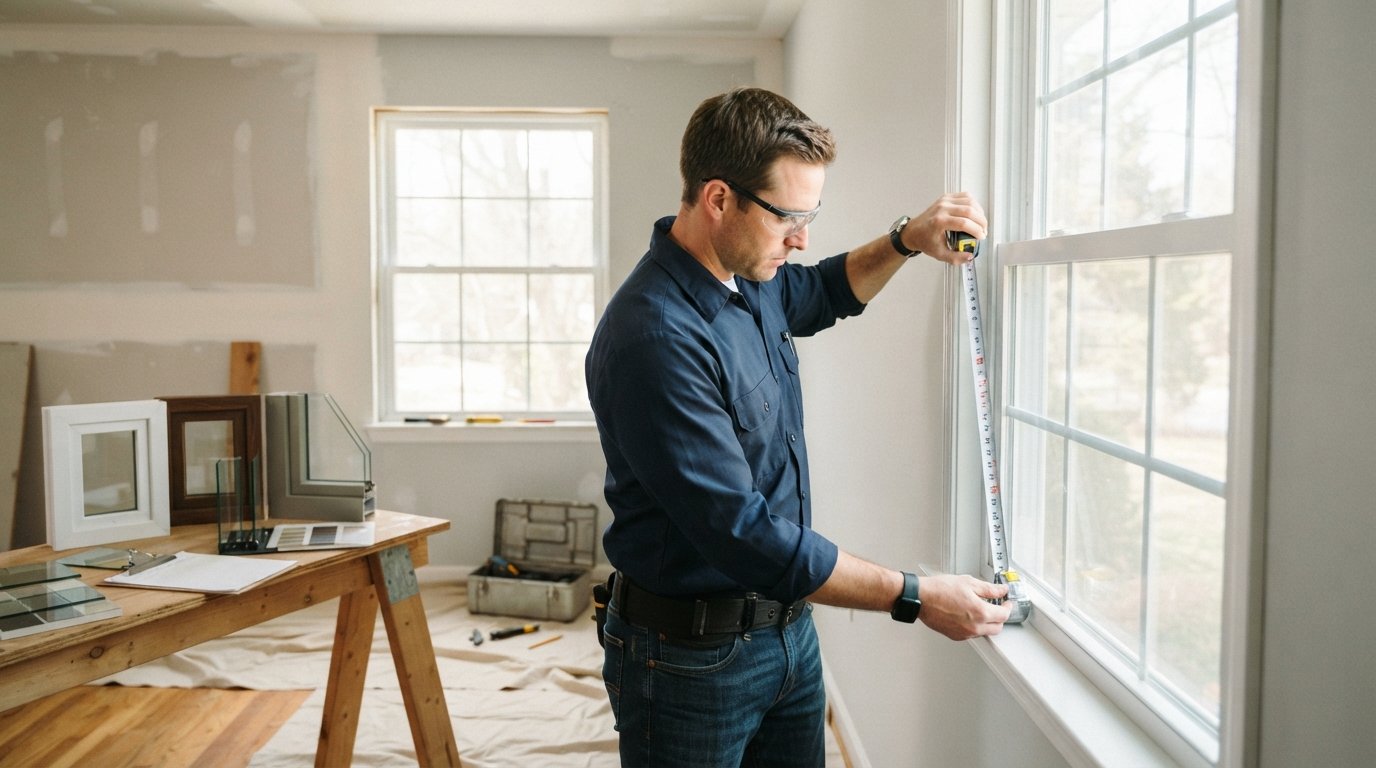
Window Replacement Cost Factors and Energy Savings
Understand window replacement cost factors and energy savings to budget wisely. Call (833)-700-4293 for expert help.

By Chelsea Kris
Learn more about Window Installation for guides, costs, and what to expect.
Compare Window Installation Pros Near You

Enter your ZIP code to compare top-rated local professionals and request free quotes.
When you replace your windows, the sticker price can feel like a punch to the gut, but the long-term energy savings often tell a different story. Many homeowners focus only on the upfront cost and miss how efficient windows can lower monthly utility bills, improve comfort, and even increase resale value. In this guide, we break down the key window replacement cost factors and energy savings so you can make a confident, informed decision for your home.
What Drives Window Replacement Costs?
Window replacement costs vary widely based on several key factors. Understanding these variables helps you budget accurately and compare quotes fairly. The main cost drivers include window type, frame material, glazing options, and labor.
Window Type and Style
The style of window you choose significantly impacts the price. Standard double-hung windows are generally more affordable, while custom shapes, bay windows, and picture windows cost more due to complexity and materials. According to industry data, double-hung windows typically range from $300 to $1,200 per window installed, while bay windows can cost $1,500 to $5,000 or more.
Frame Material
Frame material affects both durability and cost. Vinyl frames are popular for their affordability and low maintenance, often costing $150 to $600 per window. Wood frames offer a classic look but require more upkeep and cost $300 to $1,000. Fiberglass and aluminum fall in between, with fiberglass providing excellent energy performance at a mid-range price.
Glazing and Glass Options
Energy-efficient glazing is a major cost factor but also a key to energy savings. Options include double or triple panes, low-E coatings, argon or krypton gas fills, and warm-edge spacers. Each upgrade adds to the cost but improves insulation. For example, triple-pane windows can add 20-30% to the window price but may reduce heat loss by up to 50% compared to single-pane.
Labor and Installation
Labor costs typically account for 20-40% of the total project. Factors like your location, the number of windows, and the complexity of the installation (e.g., replacing frames vs. new construction) affect labor charges. Removing old windows, disposing of debris, and any necessary carpentry or trim work add to the expense.
To get a clearer picture of overall costs and value, see our guide on window replacement cost and value.
Energy Efficiency Ratings and Potential Savings
Energy-efficient windows can dramatically reduce your heating and cooling bills. The U.S. Department of Energy estimates that windows account for 25-30% of residential heating and cooling energy use. Upgrading to ENERGY STAR certified windows can save you $100-$500 per year on energy costs, depending on your climate and current windows.
Key ratings to look for include the U-factor (measure of heat loss), Solar Heat Gain Coefficient (SHGC), and Visible Transmittance (VT). Lower U-factors indicate better insulation, while SHGC measures how well the window blocks heat from the sun. In colder climates, you want a low U-factor; in warmer climates, a low SHGC is more important.
Consider this: replacing single-pane windows with double-pane low-E windows can save you 20-30% on energy bills. Over 10-15 years, those savings can offset a significant portion of the installation cost. To maximize savings, pair efficient windows with proper insulation and sealing.
Signs It's Time to Replace Your Windows
Not sure if you need new windows? Watch for these telltale signs:
- Drafts and cold spots: If you feel air leaks around windows, your seals may be failing.
- Condensation between panes: Foggy glass indicates a broken seal, reducing efficiency.
- Difficulty opening or closing: Sticking or jammed windows can be a safety hazard and signal structural issues.
- Rising energy bills: Unexplained spikes often point to inefficient windows.
- Visible damage: Rot, cracks, or peeling paint on frames mean it's time for an upgrade.
If you notice these signs, replacing your windows can improve comfort and cut energy waste. For more detailed signs, check out our related article on window replacement.
Professional Installation vs. DIY Risks
While DIY window installation might seem like a way to save money, it often leads to costly mistakes. Improper installation can cause air leaks, water infiltration, and void manufacturer warranties. Professional installers ensure proper sealing, insulation, and alignment, maximizing energy efficiency and durability.
Moreover, building codes and permit requirements vary by location; professionals handle these details. The average cost of professional installation is worth the peace of mind and long-term savings. Attempting a DIY job without experience can result in damage to your home's structure and additional expenses.
To avoid these risks, hire a qualified window replacement contractor. Platforms like Contractor.Homes connect you with pre-vetted local pros who can handle the job safely and efficiently.
Getting Accurate Quotes from Window Replacement Pros
To get the best value, obtain multiple quotes from reputable contractors. Here's how to ensure accurate estimates:
- Prepare details: Know the number of windows, sizes, and desired features.
- Ask for itemized quotes: Break down material, labor, and permits.
- Check credentials: Verify licenses, insurance, and warranties.
- Compare energy ratings: Ensure quotes include specific U-factor and SHGC values.
- Inquire about incentives: Ask about federal tax credits or local rebates for energy-efficient windows.
USremodel simplifies this process by connecting you with multiple contractors for free, customized quotes. Their platform matches you with local professionals who can assess your needs and provide competitive bids, saving you time and hassle.
By understanding window replacement cost factors and energy savings, you can make a smart investment that pays off for years to come. Take the first step today by requesting quotes from trusted professionals.